
When Pollen Strikes: Fast Relief Strategies That Actually Work
Pollen allergy relief starts with understanding what’s actually happening in your body — and knowing which strategies work fastest.
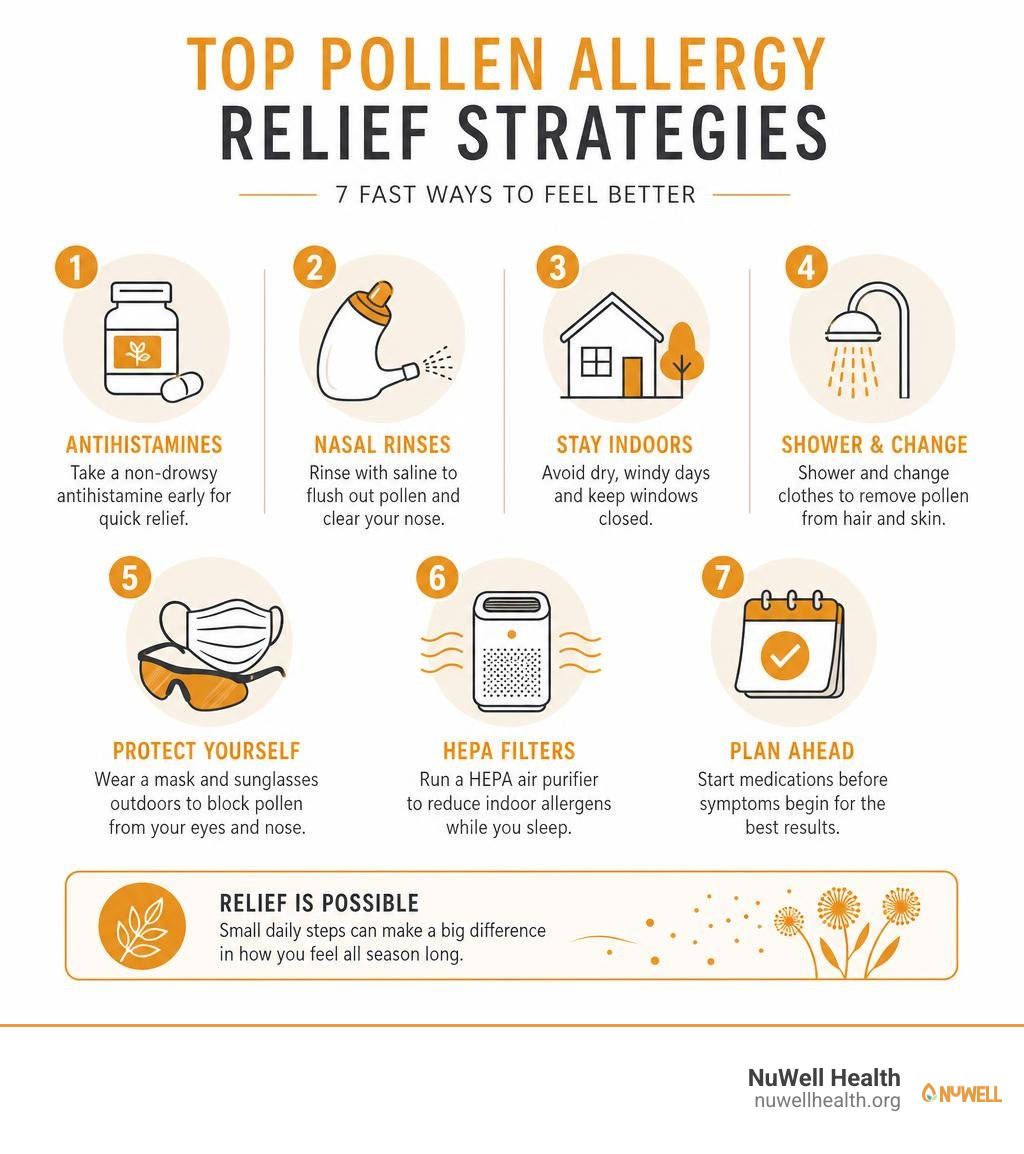
Here are the most effective ways to reduce pollen allergy symptoms quickly:
- Take a non-drowsy antihistamine (like cetirizine or fexofenadine) at the first sign of symptoms — ideally before pollen season peaks
- Rinse your nasal passages with a saline solution using a neti pot or squeeze bottle to flush out pollen within minutes
- Stay indoors on dry, windy days and keep windows closed during high-pollen hours (early morning is worst)
- Shower and change clothes immediately after coming inside to remove pollen from hair and skin
- Wear a mask and wraparound sunglasses outdoors to physically block pollen from reaching your nose and eyes
- Run a HEPA air purifier in your bedroom to reduce indoor airborne allergens overnight
- Start medications before symptoms begin — allergy medicines work best as preventive tools, not emergency fixes
If you’ve ever woken up in spring feeling like you swallowed a dust cloud, you’re not alone. More than one in four adults and one in five children in the U.S. deal with seasonal allergies — that’s tens of millions of people every year reaching for tissues, eye drops, and whatever else promises five minutes of peace.
The frustrating part? Most people treat pollen allergies the same way every season and get the same mediocre results. Drowsy antihistamines. Rebound congestion from overused nasal sprays. Symptoms that drag on for weeks.
At NuWell Health, we have found that the most effective approach combines smart environmental habits, targeted natural support, and — when needed — conventional medications used correctly. There is no single magic fix, but there are strategies that work fast and others that build real, lasting resilience.
This guide covers all of it — from immediate symptom relief to root-cause solutions — so you can stop just surviving pollen season and start actually enjoying it.
Understanding Pollen Allergies: Causes and Symptoms
To truly conquer seasonal allergies, we first need to understand the biology of what is happening. A pollen allergy—commonly known as hay fever or allergic rhinitis—is essentially a case of mistaken identity.
Your immune system is designed to protect you from dangerous invaders like viruses and bacteria. However, when you have a pollen allergy, your immune system mistakenly identifies harmless, microscopic pollen grains as dangerous threats. To defend your body, it produces Immunoglobulin E (IgE) antibodies. When these antibodies encounter their matching pollen trigger, they signal your mast cells to release a flood of inflammatory chemicals, primarily histamine.
Histamine is the culprit behind the swelling, itching, and excess mucus. It dilates blood vessels and irritates nerve endings in a desperate attempt to flush the “invader” out of your system.
The type of pollen triggering this reaction depends heavily on the season:
- Tree pollen typically dominates the early spring (and in warmer climates, tree pollination can begin as early as January).
- Grass pollen takes over in late spring and summer.
- Weed pollen—especially the notorious ragweed—rules the fall.
A single ragweed plant can produce an astonishing 1 billion grains of pollen, which are so light they can travel hundreds of miles on the wind. For some individuals, this immune response can also trigger allergic asthma, causing the airways to swell and constrict, leading to wheezing, chest tightness, and shortness of breath. You can read more about these biological mechanisms in the pollen allergy overview and clinical definitions provided by the Cleveland Clinic.
Common Symptoms of Allergic Rhinitis
The classic symptoms of allergic rhinitis can make daily life feel like an uphill battle. These typically include:
- Repetitive, violent sneezing fits
- A clear, runny nose or intense nasal congestion
- Itchy, red, and watery eyes (allergic conjunctivitis)
- Post-nasal drip, which leads to a sore, ticklish throat and chronic coughing
- Itchy ears, nose, and throat
Beyond the respiratory tract, many sufferers experience “allergy face”—dark circles under the eyes (allergic shiners) and a crease across the bridge of the nose from wiping it upward. The constant congestion can also block sinus drainage, leading to painful pressure and debilitating headaches. If you are struggling with sinus pressure, we recommend exploring How to Treat an Allergy Headache Naturally Without Pills for practical, drug-free relief strategies.
Root Causes and the Gut-Immune Connection
While conventional medicine focuses almost entirely on suppressing these symptoms with antihistamines, we prefer to look deeper. Why is your immune system so hyperreactive in the first place?
At NuWell Health, we have found that addressing gut health is essential for modulating the body’s immune response. Approximately 70% of your immune system resides in your gut, closely interacting with your microbiome—the trillions of bacteria living in your digestive tract.
When the gut microbiome is unbalanced (a state known as dysbiosis) or when the gut lining becomes compromised, it can trigger systemic inflammation. This chronic, low-grade inflammation keeps your immune system on high alert, making it far more likely to overreact to environmental triggers like pollen.
By restoring gut barrier integrity and supporting a diverse, healthy microbiome, we can help calm immune hypersensitivity from the inside out. To learn more about how digestive health impacts your body’s sensitivity to both food and environmental triggers, take a look at A Practical Guide to Allergies and Food Sensitivity.
Natural and Non-Drug Strategies for Pollen Allergy Relief
Many people are surprised to learn that non-drug methods can be incredibly powerful for managing seasonal allergies. In fact, peer-reviewed literature shows that physical barriers and nonpharmacological measures can drastically reduce your allergen load and ease symptoms without a single side effect. For an in-depth scientific look at these methods, you can review the clinical trials detailed in Nonpharmacological measures to prevent allergic symptoms in pollen allergy: A critical review – PMC.

Nasal Irrigation and Physical Barriers
One of the fastest, most effective ways to find pollen allergy relief is to physically wash the pollen out of your nose. Nasal irrigation using a neti pot or a squeeze bottle acts like a miniature pressure washer for your sinuses. It thins out thick mucus, clears away trapped pollen grains, and soothes irritated nasal membranes.
Clinical research shows that using nasal irrigation as an adjunct to drug therapy can actually save up to 30% of medication use while maintaining the exact same level of symptom control. However, safety is paramount: never use untreated tap water. Tap water can carry rare but dangerous organisms. Always use distilled, sterile, or previously boiled and cooled water. You can easily make your own physiological saline solution at home using our guide on Pollen vs Your Pantry: Best Home Remedies for Natural Allergy Relief.
Beyond nasal rinses, physical barriers are highly effective:
- Mouth-nose masks: Studies show that wearing a medical or FFP2 mask during pollen season significantly reduces both nasal and eye symptoms by changing local airflow and capturing airborne particles.
- Wraparound sunglasses: These physically block wind-borne pollen from landing directly on your eyes.
- Cellulose powder: Puffed into the nostrils, hydroxypropyl methylcellulose (HPMC) powder creates a rapid, natural barrier that traps pollen before it can contact your nasal tissue.
Holistic Therapies and Herbal Support for Pollen Allergy Relief
At NuWell Health, we have found that natural botanicals provide powerful relief without the drowsiness of standard medications. Combining these with evidence-based holistic therapies can help bring your body back into balance.
- Acupuncture: A comprehensive meta-analysis of clinical trials has shown that acupuncture significantly reduces nasal symptoms, lowers total blood IgE levels, and decreases the need for rescue antihistamines in people with allergic rhinoconjunctivitis.
- Butterbur (Petasites hybridus): This herb acts as a natural leukotriene inhibitor, blocking the chemicals that cause airway swelling. Ensure you only use butterbur labeled “PA-free,” meaning the harmful pyrrolizidine alkaloids have been removed to protect your liver.
- Quercetin: A natural antioxidant found in apples and onions, quercetin acts as a natural mast-cell stabilizer, helping to prevent the release of histamine before it starts.
- Stinging Nettle: Historically used to reduce inflammation, stinging nettle can help soothe the scratchy throat and runny nose associated with hay fever.
For a deeper dive into using these herbal powerhouses safely, check out our resource on How to Treat Hay Fever at Home Without Turning Into a Zombie.
How to Allergy-Proof Your Home and Car
Your home should be a safe haven, not a pollen trap. During peak seasons, pollen easily hitches a ride indoors on your clothes, hair, shoes, and pets. Once inside, it settles into carpets, bedding, and upholstery, keeping your symptoms active long after you’ve stepped inside.
To protect your indoor air quality:
- Upgrade your HVAC filters: Use high-efficiency filters and run your air conditioning instead of opening windows.
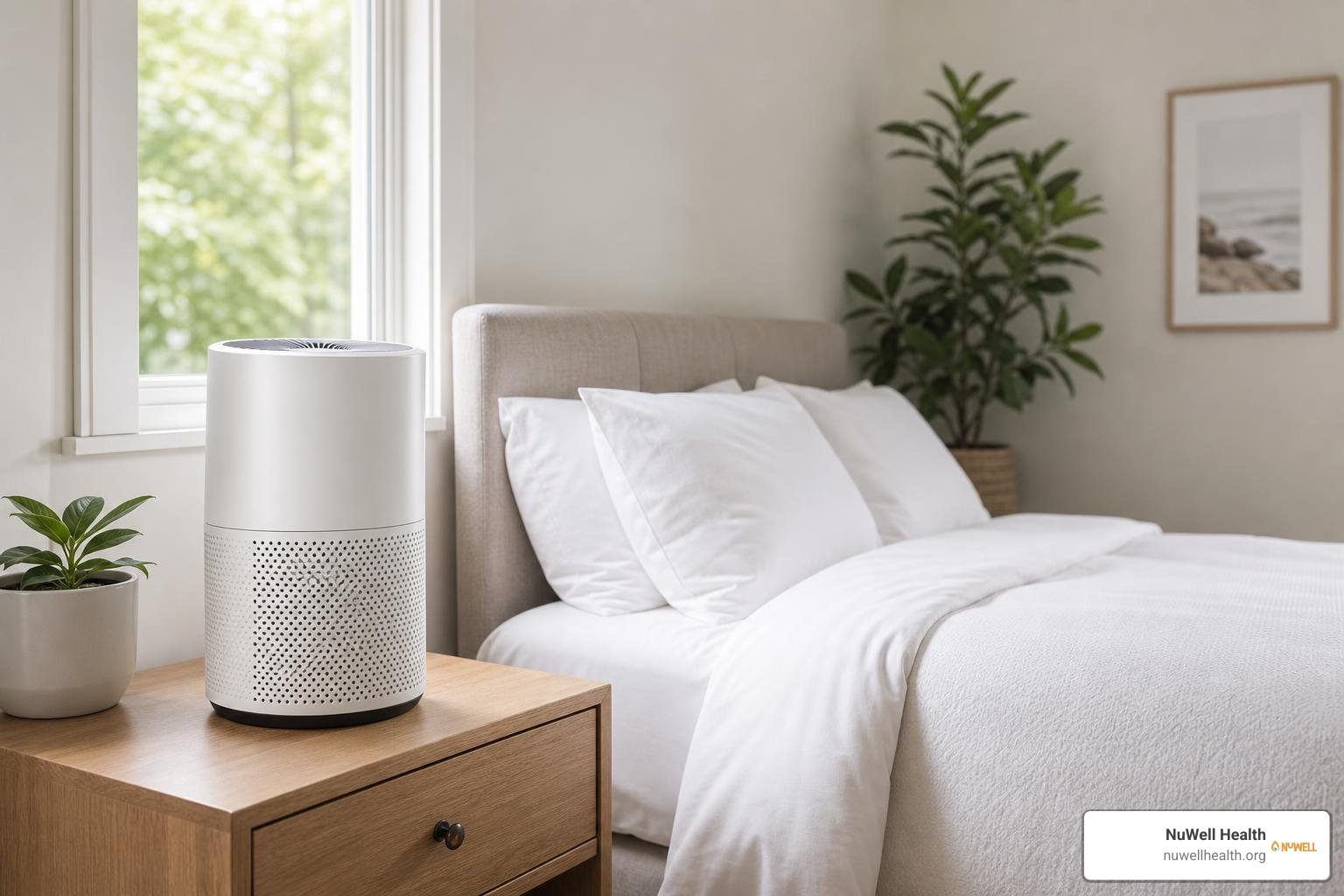
- Use HEPA air purifiers: Placing a portable HEPA filter in your bedroom can trap up to 99.97% of airborne pollen, dust mites, and pet dander, allowing your immune system to rest and recover overnight.
- Check your car filters: Change your car’s cabin air filter every two years. Keep your car windows rolled up and run the air conditioning on “recirculate” mode to prevent outdoor pollen from filling the cabin.
Creating a Pollen-Free Sanctuary
To keep your bedroom completely pollen-free, adopt these simple daily habits:
- The “no-shoes” rule: Leave your shoes at the front door so you don’t track grass and weed pollen across your floors.
- Shower before bed: This is a non-negotiable step. Pollen is sticky and clings to your hair and skin. If you don’t wash it off, you will transfer it directly to your pillowcase, inhaling allergens all night.
- Wash bedding weekly: Wash your sheets and pillowcases in hot water (at least 130°F or 54°C) to destroy dust mites and wash away accumulated pollen.
- Wipe down pets: If your dogs or cats spend time outside, wipe their fur down with a damp towel before they come inside so they don’t bring the outdoors onto your couch or bed.
Conventional Treatments: Understanding OTC Options and Their Limitations
When natural strategies need a boost, over-the-counter (OTC) medications can provide temporary relief. However, it is vital to understand how they work and their potential side effects.
- Oral Antihistamines: Modern, second-generation antihistamines (like cetirizine, fexofenadine, and loratadine) are generally non-drowsy and highly effective at stopping itching, sneezing, and runny noses. We highly recommend avoiding older, first-generation antihistamines like diphenhydramine (Benadryl). Not only do they cause severe drowsiness, but long-term use has also been linked to cognitive decline and an increased risk of dementia in older adults.
- Corticosteroid Nasal Sprays: Often considered the most effective first-line medication for severe congestion, these sprays reduce localized inflammation in the nasal passages. However, they are not instant fixes; they can take two to four weeks of daily use to reach maximum effectiveness.
- Decongestant Sprays: Sprays containing oxymetazoline can clear severe nasal blockages in minutes, but they carry a major risk. If used for more than three to five consecutive days, they can cause a phenomenon called “rebound congestion” (rhinitis medicamentosa), where your nasal passages swell shut permanently unless you use the spray, leading to a vicious cycle of dependency.
For a balanced look at integrating these home strategies, see the Ohio State Health & Discovery guide on home management of seasonal allergies.
How to Properly Use Nasal Sprays
Most people use nasal sprays incorrectly, which leads to throat irritation, nosebleeds, and reduced efficacy.
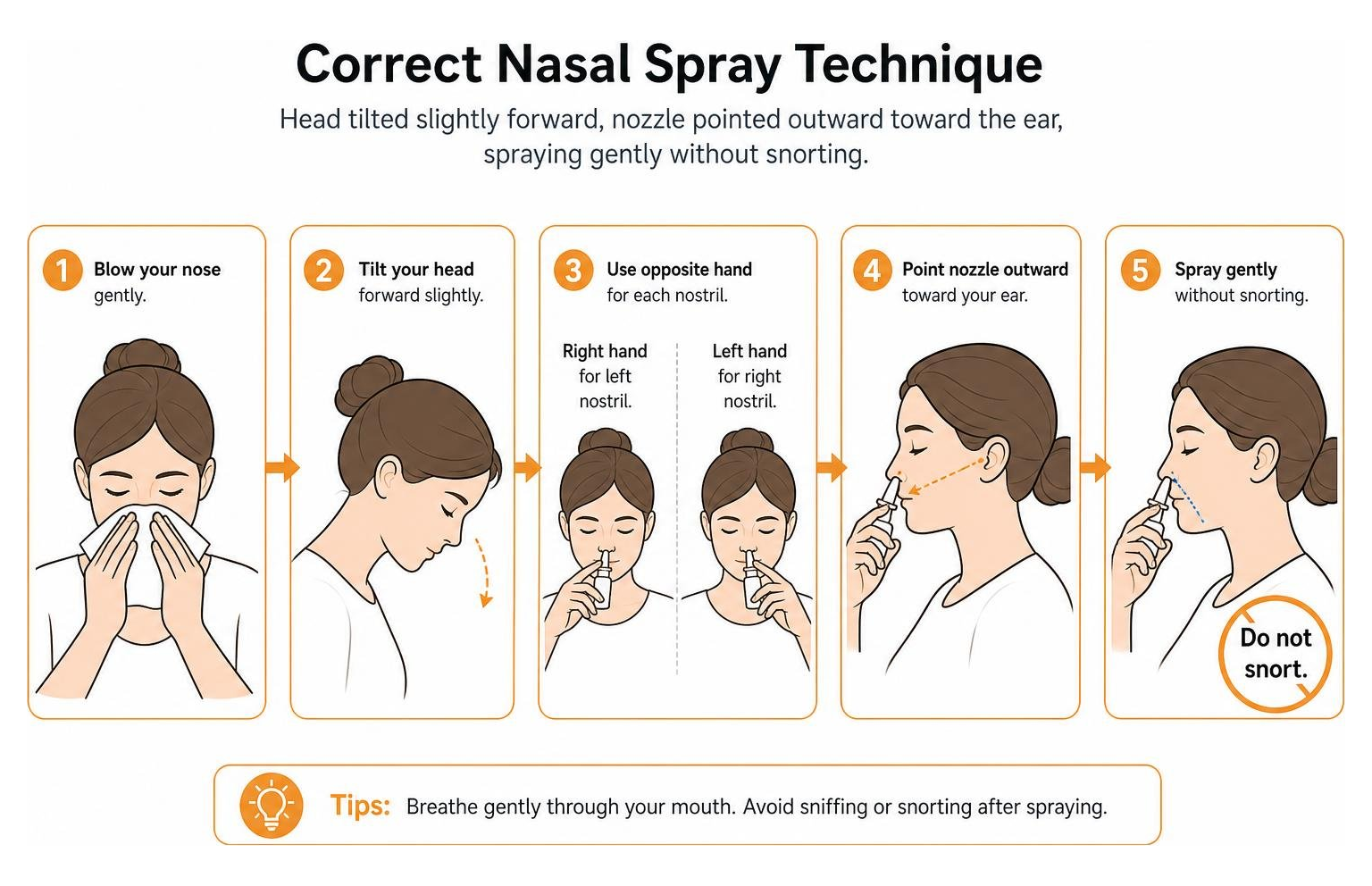
To use your nasal spray safely and effectively:
- Blow your nose gently to clear your nasal passages.
- Tilt your head forward slightly, looking down at your toes.
- Hold the spray bottle in your right hand to spray your left nostril, and your left hand to spray your right nostril.
- Insert the nozzle slightly into your nostril, pointing it outward toward your ear (away from the nasal septum, which is the middle wall of your nose). Pointing it at the septum can cause irritation, bleeding, and ulceration.
- Press the pump firmly while breathing in very gently through your nose. Do not “snort” the medication up into your sinuses, as it will simply run down your throat and taste terrible.
For complete safety instructions and warnings regarding specific active ingredients, refer to the nasal spray safety and usage guidelines on DailyMed.
When to Seek Professional Guidance for Chronic Symptoms
If your symptoms persist despite lifestyle modifications and OTC remedies, or if your allergies are severely interrupting your sleep, work, or daily life, it is time to seek professional care. Chronic, unmanaged allergic rhinitis can lead to secondary complications like chronic sinusitis, middle ear infections, and worsening asthma.
An allergist can perform diagnostic testing, such as skin prick tests or specific IgE blood tests, to pinpoint your exact environmental triggers. Once identified, they may recommend allergen immunotherapy (allergy shots or sublingual tablets), which works by exposing your immune system to tiny, gradually increasing doses of the allergen over three to five years, eventually teaching your body to tolerate the pollen without reacting.
At NuWell Health, we believe in a collaborative, holistic health assessment that looks at your entire lifestyle, diet, and environment to create a customized healing plan. You can read more about conventional diagnostic paths in the Mayo Clinic’s resource on clinical diagnosis and treatment options for hay fever.
Separating Fact from Fiction: Allergy Myths
When you are desperate for relief, it is easy to believe almost any remedy you hear about. Let’s separate the myths from the science.
Debunking Myths About Pollen Allergy Relief
- The Local Honey Myth: The theory goes that eating raw, local honey exposes you to local pollen, acting like a natural allergy shot. Unfortunately, this is a myth. Bees collect heavy, sticky pollen from bright, colorful flowers. Seasonal allergies, however, are triggered by lightweight, wind-borne pollen from trees, grasses, and weeds. Eating honey won’t desensitize you to the wind-borne pollen keeping you awake at night.
- The Desert Climate Myth: Many believe that moving to an arid, desert climate like Arizona will cure their allergies. While you might find temporary relief from tree pollen, desert regions have their own unique plant species, grasses, and weeds. Many people who relocate develop entirely new, severe allergies within a few years of moving.
- The “Take Medicine Only on Bad Days” Myth: Many people wait until they are sneezing uncontrollably to take their allergy medication. However, antihistamines and steroid sprays work best as preventives. Once the inflammatory cascade has started and histamine is bound to your tissue receptors, it is much harder to stop. Starting your daily medication two weeks before your local allergy season begins is far more effective.
Frequently Asked Questions about Pollen Allergies
Can you develop seasonal allergies for the first time as an adult?
Yes. It is incredibly common to develop seasonal allergies for the first time in adulthood. This often happens after relocating to a new geographic region, which exposes your immune system to entirely new plant species and pollen types that your body has never had to process before. Changes in stress levels, gut health, and overall immune function can also trigger adult-onset allergies.
Does eating local honey help cure seasonal allergies?
No, eating local honey does not cure seasonal allergies. The pollen found in honey is heavy, sticky flower pollen collected by bees, which is not the lightweight, wind-borne pollen (from trees, grasses, and weeds) that actually triggers allergic rhinitis. While honey is a wonderful natural sweetener with soothing properties for a sore throat, it does not act as an effective immunotherapy.
How long can you safely use over-the-counter decongestant nasal sprays?
You should never use over-the-counter decongestant nasal sprays (like those containing oxymetazoline) for more than three consecutive days. Using them longer can cause severe “rebound congestion,” where the blood vessels in your nasal passages swell up even worse than before once the medication wears off, creating a painful cycle of dependency.
Conclusion
Finding true, lasting pollen allergy relief requires looking beyond quick symptom suppression. While over-the-counter tools have their place for temporary comfort, real healing comes from supporting your body as a whole.
At NuWell Health, we have found that addressing root causes—especially gut health and systemic inflammation—leads to lasting wellness. From a Christian perspective, we view our bodies as temples and believe that taking a proactive, preventive approach to our health is a beautiful form of stewardship. By empowering yourself with smart self-care habits, clean environmental practices, and targeted natural support, you can restore balance to your immune system and live vibrantly in every season.
If you are ready to dig deeper and build a personalized, holistic strategy to calm your immune system and address your unique sensitivities, explore our comprehensive resources on Allergies and Food Sensitivity or schedule a consultation with us today.
This article was researched with AI and heavily edited by Jordan Oliver for accuracy and relevance.
Jordan is an author, ordained minister, and online host for His Glory TV, sharing biblically grounded insights on faith, prayer, and spiritual growth. She is the co-founder of Triple-Braided Cord Co., an intercessory prayer and healing ministry inspired by Ecclesiastes 4:12.
Jordan holds a Bachelor’s degree in Communications and Religious Studies from High Point University and is a certified Spiritual Life Coach through iCoachLife in Nashville, Tennessee. Drawing from her ministry, coaching, and academic experience, she creates trustworthy, faith-based content that helps readers grow in their relationship with God. Learn more about Jordan here.