
Your Body Is Talking — Are You Listening?
Natural hormone support is the practice of using diet, lifestyle, targeted nutrients, and evidence-based herbs to help your body maintain healthy hormone balance — without relying solely on synthetic drugs.
Here’s a quick overview of the most effective natural approaches:
| Category | Key Strategies |
|---|---|
| Diet | Adequate protein, healthy fats, high fiber, low sugar |
| Nutrients | Vitamin D, magnesium, B vitamins, zinc, selenium |
| Herbs | Vitex, Ashwagandha, Black Cohosh, Red Clover |
| Lifestyle | Quality sleep (7+ hours), stress reduction, regular movement |
| Gut Health | Probiotic foods, liver support, reducing processed foods |
One minute you feel fine. The next, you’re exhausted, irritable, or lying awake at 2 a.m. for no clear reason.
Sound familiar?
Your body produces over 50 different hormones — chemical messengers that regulate everything from your mood and energy to your metabolism, sleep, and reproductive health. When even one of these gets out of balance, you can feel it throughout your entire body.
The frustrating part? Many women spend years cycling through treatments that mask the symptoms without ever addressing the root cause.
At NuWell Health, we have found that the most lasting relief comes not from chasing symptoms, but from understanding why your hormones are off in the first place — and then giving your body what it genuinely needs to restore balance.
This guide walks you through exactly how to do that, from what you eat to how you sleep, move, and manage stress.
Recognizing the Signs of Hormone Imbalance
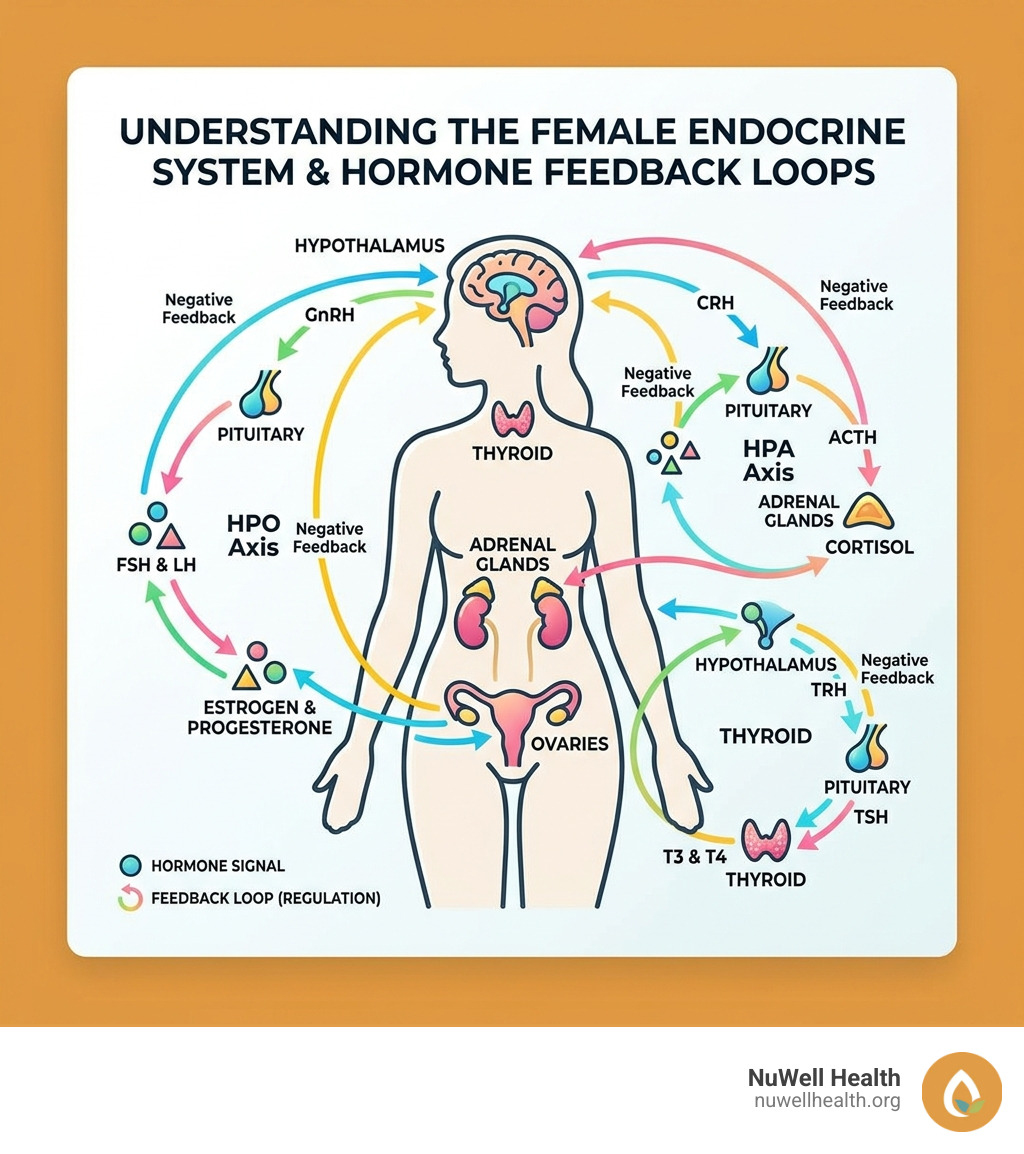
Hormones don’t just exist in a vacuum; they work like a finely tuned orchestra. When the “conductor” (your brain) or one of the “instruments” (your glands) is out of sync, the whole performance suffers. In our work at NuWell Health, we see many women who have been told their symptoms are just “part of being a woman” or “getting older.” We believe your body is actually sending you vital signals that something is misaligned.
Common signs that you may need Hormone Imbalance support include:
- Mood Swings and Irritability: Feeling like you’re on an emotional rollercoaster, often triggered by fluctuations in estrogen and progesterone.
- Persistent Fatigue: That “tired but wired” feeling or a deep exhaustion that sleep doesn’t seem to fix—often a sign of cortisol or thyroid issues.
- Unexplained Weight Gain: Specifically around the midsection, which can be linked to insulin resistance or high cortisol levels.
- Irregular Periods: Cycles that are too short, too long, or skipped entirely, which are classic signs of low progesterone or PCOS.
- Brain Fog: Difficulty concentrating or feeling “fuzzy,” often associated with dipping estrogen or thyroid imbalances.
- Hot Flashes and Night Sweats: The hallmark of the perimenopausal transition as the body adjusts to lower estrogen levels.
By focusing on Roots Over Remedies, we can look past the surface-level frustration and address the underlying physiological shifts. Whether it’s your thyroid, adrenals, or ovaries, these symptoms are a call to action to provide better natural hormone support.

Dietary Foundations for Natural Hormone Support
What you put on your plate is the literal “building blocks” for your hormones. Steroid hormones like estrogen and progesterone are actually made from cholesterol, meaning a low-fat diet can sometimes do more harm than good. To keep your hormones humming in April 2026 and beyond, we need to focus on blood sugar stability and nutrient density.
According to 10 Natural Ways to Balance Your Hormones – Healthline, certain lifestyle and dietary practices are non-negotiable for endocrine health. At NuWell Health, we encourage a transition toward a Beginners Guide To Lifestyle Medicine that prioritizes whole foods.
Key Dietary Strategies:
- Prioritize Protein: Aim for 25–30 grams of protein per meal. Protein provides essential amino acids that the body uses to create peptide hormones, which regulate growth, energy metabolism, and appetite.
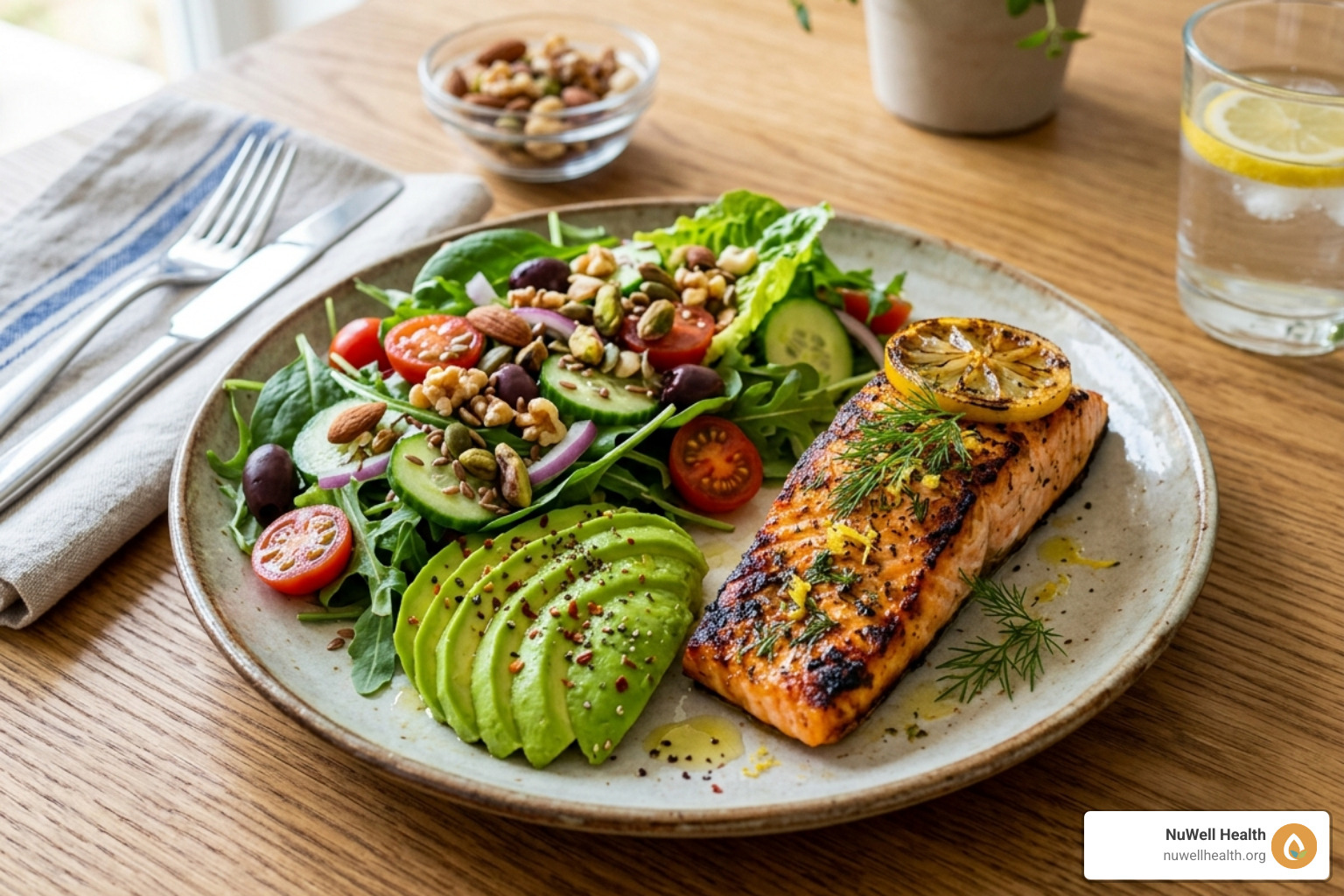
- Embrace Healthy Fats: Include avocados, nuts, seeds, and fatty fish. These provide the raw materials for sex hormone production and help keep you satiated.
- Boost Fiber Intake: High-fiber foods like beans, lentils, and cruciferous vegetables help the body move excess hormones (especially estrogen) out of the digestive tract.
- Balance Blood Sugar: Every time your blood sugar spikes and crashes, your insulin and cortisol follow. By eating protein, fiber, and fat at every meal, you prevent the “insulin spikes” that can lead to PCOS and weight gain.
Essential Nutrients and Natural Hormone Support
While a “food first” approach is ideal, at NuWell Health, we have found that high-stress lifestyles and the reduced nutrient density of modern food sources often mean women need extra support to reach optimal levels. Certain vitamins and minerals act as co-factors for hormone production and metabolism.
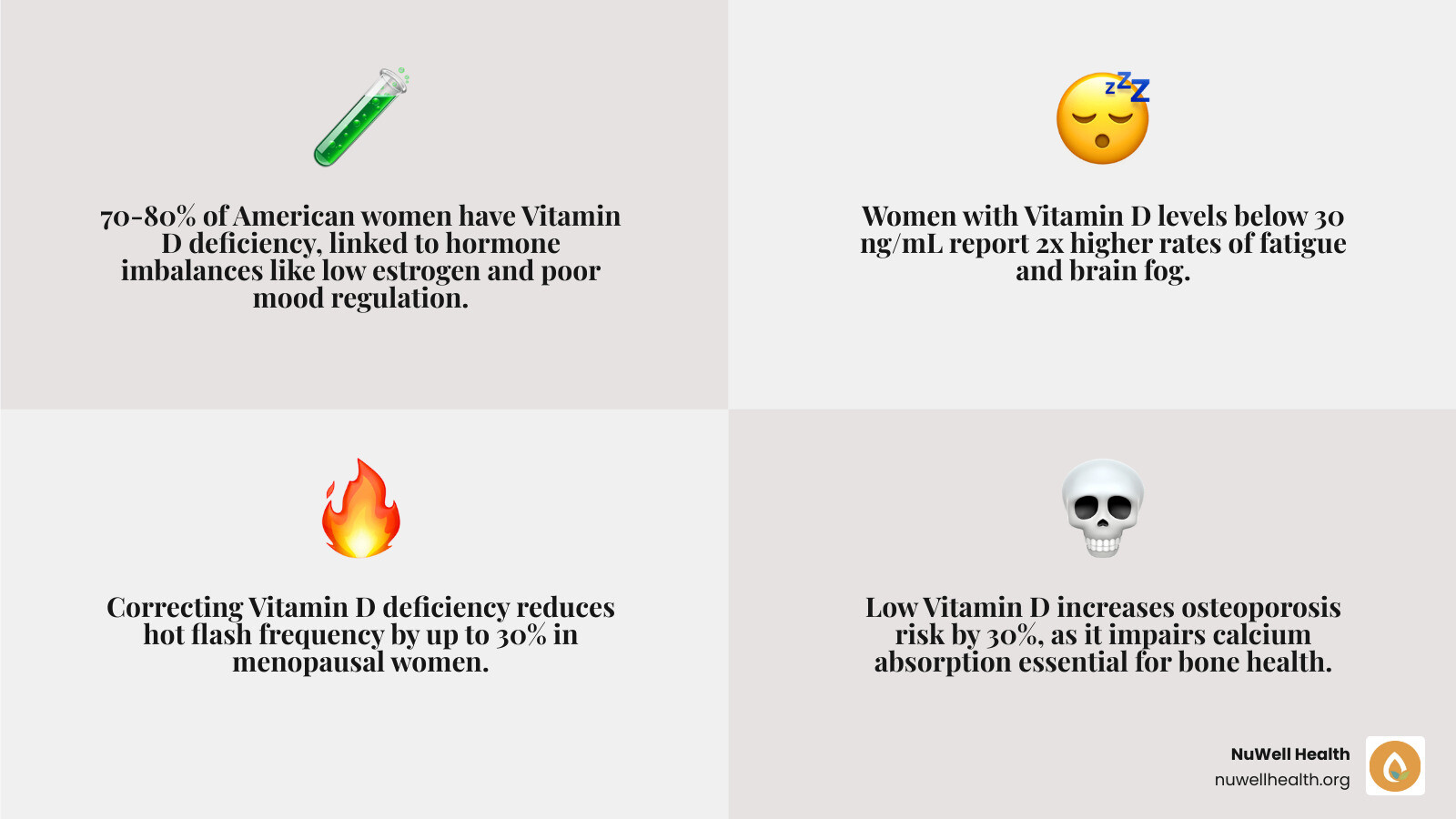
- Vitamin D: Technically a hormone itself, Vitamin D is crucial for sex hormone health. With 41% of Americans being deficient, it’s a major factor in reproductive health.
- Magnesium: Often called the “relaxation mineral,” magnesium supports the production of progesterone and helps regulate the body’s stress response. You can find it in dark chocolate (yay!), spinach, and pumpkin seeds.
- B Vitamins: Vitamin B6 is particularly important for progesterone production, while B12 and Folate (B9) are essential for liver detoxification of estrogen.
- Zinc and Selenium: These are the “power couple” for thyroid health. Selenium helps convert T4 (inactive thyroid hormone) into T3 (active), while zinc helps the brain signal the thyroid to get to work.
For a deeper dive into how these nutrients interact, How to Balance Your Hormones Naturally offers excellent medical insights into the nutritional-hormonal connection.
Phytoestrogens and Estrogen Regulation
There is often confusion around phytoestrogens—plant compounds that can weakly mimic or modulate estrogen in the body. For women with “estrogen dominance” or those in perimenopause, these can be incredibly helpful.
- Flaxseeds: These contain lignans, which can help balance estrogen levels by either blocking or enhancing estrogen receptors as needed.
- Cruciferous Vegetables: Broccoli, kale, and cauliflower contain a compound called DIM (diindolylmethane). DIM helps the liver process estrogen into “good” metabolites rather than “bad” ones that can increase cancer risk.
- Soy: Organic, non-GMO soy (like tempeh or miso) can actually provide a protective effect for many women.
If you are looking for specific ways to boost levels during the menopausal transition, How to increase estrogen naturally | UCLA Health provides a research-backed overview of how these foods impact your levels.
Lifestyle Strategies for Long-Term Balance
You cannot out-supplement a lifestyle that is chronically stressed and sleep-deprived. At NuWell Health, we believe that caring for your spirit and mind is just as important as caring for your body. From a Christian perspective, we view the body as a temple, and finding moments of stillness through prayer and meditation can significantly lower cortisol.
When you are constantly in “fight or flight” mode, your body prioritizes making cortisol over sex hormones—a phenomenon often called “progesterone steal.” To combat this, we recommend:
- Sleep Hygiene: Aim for at least 7–8 hours of quality sleep. This is when your body releases growth hormone and regulates insulin. Keep your room cool (around 65°F) and dark.
- Stress Management: Even 5 minutes of deep breathing or prayer can signal to your nervous system that you are safe, allowing hormone production to return to normal.
- Toxin Reduction: Many plastics and fragrances contain “endocrine disruptors” that mimic hormones and confuse your body. Switching to glass containers and natural beauty products can make a massive difference.
Building these habits is part of How To Build A Preventive Health Plan That Actually Works, shifting from reactive care to proactive vitality.
Exercise and Natural Hormone Support
Movement is medicine, but the type of movement matters. Over-exercising—like excessive long-distance cardio—can actually spike cortisol and shut down progesterone production.
At NuWell Health, we have found that a balanced approach works best:
- Strength Training: Lifting weights 2–3 times a week improves insulin sensitivity and supports bone health, which is vital as estrogen levels drop.
- HIIT (High-Intensity Interval Training): Short bursts of intense movement can boost growth hormone, but should be used sparingly if you are already dealing with adrenal fatigue.
- Cycle Syncing: Many women find success by adjusting their exercise to their menstrual cycle—doing more intense workouts during the follicular phase and transitioning to walking or yoga during the luteal phase when energy naturally dips.
This personalized approach is Why Holistic Health Coaching Is The Secret Sauce To Vitality.
Gut Health and the Estrobolome
Did you know your gut has a specific set of bacteria responsible for metabolizing estrogen? This is called the estrobolome. If your gut health is poor, estrogen that was supposed to be excreted can be reabsorbed into the bloodstream, leading to symptoms like heavy periods and mood swings.
To support your estrobolome:
- Eat Probiotic Foods: Sauerkraut, kefir, and kimchi introduce “good” bacteria.
- Support the Liver: Your liver is the primary filter for hormones. Bitter greens like dandelion and arugula help stimulate bile flow and detoxification.
- Hydrate: Drinking 8–10 glasses of water daily is essential for flushing out metabolic waste.
Understanding the connection between your digestive system and your endocrine system is a core part of What Is Naturopathic Medicine.
Herbal Remedies and Targeted Botanicals
Herbs have been used for centuries to provide natural hormone support. At NuWell Health, we have seen firsthand how these powerful botanicals can bridge the gap when lifestyle changes alone aren’t enough, though they must always be used with wisdom.
- Vitex (Chaste Berry): Excellent for supporting progesterone and regulating the menstrual cycle. It works by acting on the pituitary gland to balance the ratio of progesterone to estrogen.
- Ashwagandha: An adaptogen that helps the body manage stress. It has been shown to lower cortisol and support thyroid function.
- Black Cohosh: Widely used for menopause, research suggests it can help reduce the frequency and severity of hot flashes.
- Red Clover: Rich in isoflavones (a type of phytoestrogen), it is often used to alleviate night sweats and support bone density.
Safety Note: Always consult with a healthcare professional before starting herbs, especially if you are on birth control, hormone replacement therapy (HRT), or medication for blood pressure. Unlike pharmaceuticals, supplements are not always strictly regulated, so choosing high-quality, third-party-tested brands is essential.
Frequently Asked Questions about Hormone Health
When should I see a doctor for hormone testing?
If your symptoms are interfering with your daily life—such as debilitating periods, extreme mood shifts, or unexplained hair loss—it is time for professional testing. We recommend asking for a full thyroid panel (not just TSH), Vitamin D levels, and a “Day 21” progesterone test if you are still cycling.
How do hormone needs change during menopause?
During perimenopause and menopause, estrogen and progesterone levels drop significantly. This shift increases the risk for osteoporosis and heart disease. At this stage, natural hormone support focuses on bone-building nutrients like calcium and Vitamin D, as well as phytoestrogens to “cushion” the estrogen drop.
Can environmental toxins disrupt my hormones?
Yes. Compounds like BPA (in plastics) and phthalates (in fragrances) are known as xenoestrogens. They “lock” into your estrogen receptors and send the wrong signals to your cells. At NuWell Health, we have found that reducing “toxic load” is often the missing piece for women who are doing everything else right.
Conclusion
Navigating the complexities of your endocrine system can feel overwhelming, but you don’t have to do it alone. At NuWell Health, we have found that addressing the mind, body, and spirit through a Christian perspective provides the most sustainable path to vitality. By moving away from “quick fixes” and embracing a holistic, root-cause approach, you can stop the mood swings and reclaim your energy.
Whether it’s through adjusting your protein intake, prioritizing 7+ hours of sleep, or using targeted botanicals, your body has an incredible capacity to heal when given the right tools.
Start your journey toward natural hormone support today and discover what it feels like to live in balance.
This article was researched with AI and heavily edited by Jordan Oliver for accuracy and relevance.
Jordan is an author, ordained minister, and online host for His Glory TV, sharing biblically grounded insights on faith, prayer, and spiritual growth. She is the co-founder of Triple-Braided Cord Co., an intercessory prayer and healing ministry inspired by Ecclesiastes 4:12.
Jordan holds a Bachelor’s degree in Communications and Religious Studies from High Point University and is a certified Spiritual Life Coach through iCoachLife in Nashville, Tennessee. Drawing from her ministry, coaching, and academic experience, she creates trustworthy, faith-based content that helps readers grow in their relationship with God. Learn more about Jordan here.