
Nasal and Sinus Care: Top Anti Allergic Home Remedies
When environmental triggers like grass pollen or mold spores enter your upper respiratory tract, your body goes into defense mode. Inflammatory chemicals flood the mucous membranes, leading to sinus pressure, clear discharge, and troublesome headaches. At NuWell Health, our experience working with client natural health solutions shows that starting with direct, gentle sinus care is one of the fastest ways to soothe swollen nasal tissues naturally. If congestion is triggering pressure across your forehead, learning how to treat an allergy headache naturally without pills can offer significant immediate comfort.
Safe Saline Rinses and Nasal Irrigation
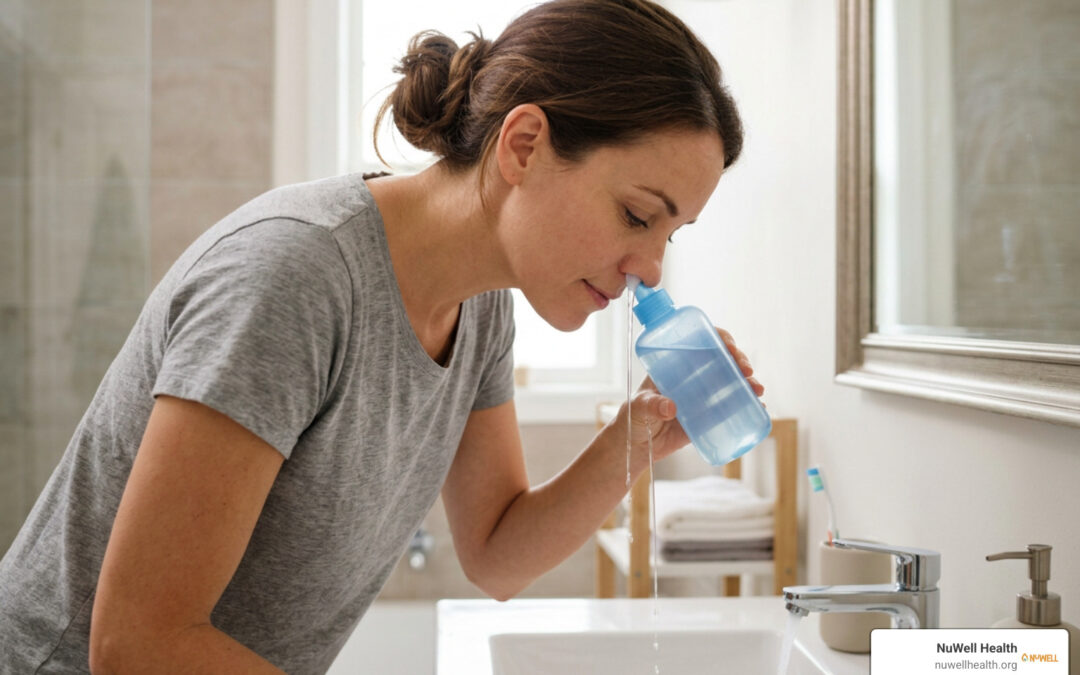
Think of saline nasal irrigation as giving your sinuses a thorough, refreshing bath. When you flush your nasal passages with a mild saltwater mixture, you physically remove trapped pollen grains, mold spores, and excess mucus before they can trigger an ongoing immune response.
To perform a safe saline rinse using a neti pot or squeeze bottle, follow these essential steps:
- Use safe water: Always use distilled, sterile, or previously boiled and cooled water. Never use untreated tap water directly from the sink.
- Mix the solution: Combine 1 cup of safe warm water with 1/4 teaspoon of non-iodized salt and a pinch of baking soda, or use pre-measured saline packets.
- Position yourself: Lean forward over a bathroom sink and tilt your head sideways at a 45-degree angle.
- Flush gently: Place the spout into your upper nostril. Breathe through your open mouth as the solution flows into one nostril and drains out the lower nostril.
- Clear your nose: Gently blow your nose to clear remaining fluid, then repeat on the opposite side.
- Sanitize equipment: Wash your neti pot or rinse bottle thoroughly after every single use and let it air dry completely.
Steam Inhalation and Essential Oils as Anti Allergic Home Remedies
Steam therapy provides rapid comfort by loosening thick mucus and moisturizing dry, irritated nasal passages. Adding therapeutic essential oils elevates simple steam into a potent natural treatment for sinus pressure.
Inhaling peppermint essential oil or eucalyptus oil introduces active plant compounds directly to your airways. Research in mice from 2022 indicates that inhaling essential oils from the Mentha piperita (peppermint) leaf may decrease nasal inflammation in allergic rhinitis. Eucalyptus essential oil contains eucalyptol, which acts as a natural decongestant. Furthermore, a 2020 mouse model study found that eucalyptus oil may effectively treat allergic dermatitis when applied topically (diluted in a carrier oil).
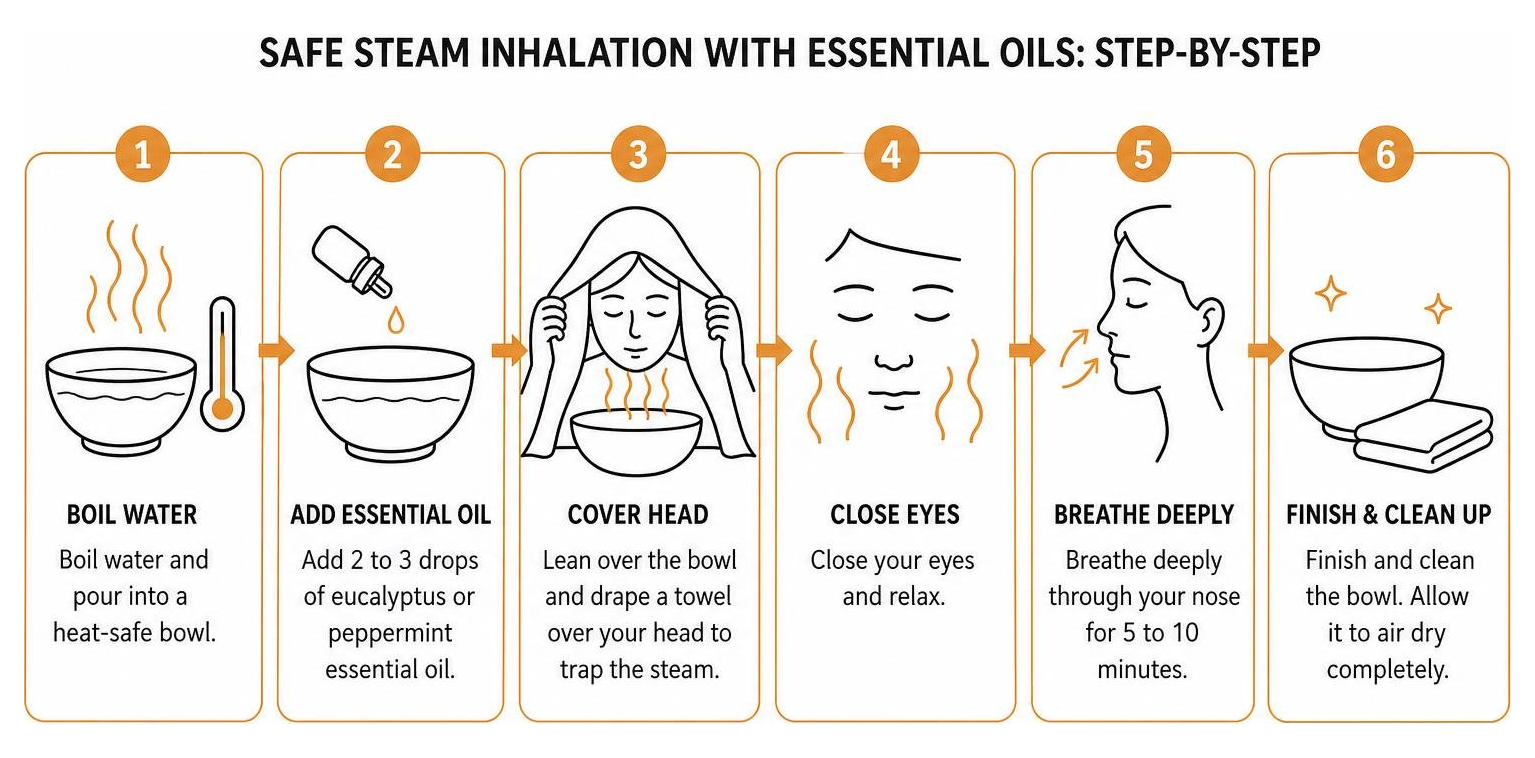
To try steam inhalation at home, pour steaming hot water into a heat-safe bowl and drop in 2 to 3 drops of eucalyptus or peppermint essential oil. Lean over the bowl with a towel draped over your head to trap the steam, keep your eyes closed, and breathe deeply through your nose for 5 to 10 minutes.
Nourishing the Body with Dietary and Herbal Solutions
What you feed your body plays a huge role in balancing immune reactivity. Rather than just silencing symptoms on the surface, choosing specific whole foods, bioflavonoids, and herbs helps stabilize immune cells right at the source. Turning your kitchen into a sanctuary of healing is a core strategy in our pollen vs your pantry best home remedies for natural allergy relief approach.
Quercetin, Vitamin C, and Natural Antihistamines
Histamine is the main compound responsible for sneezing, runny noses, and itchy, red eyes. Certain plant nutrients act as natural mast-cell stabilizers, preventing these cells from dumping excess histamine into your bloodstream.
- Quercetin: This plant pigment is a potent antioxidant found naturally in red apples, red onions, dark berries, capers, and leafy greens. A 2022 study suggests that a quercetin-containing supplement may improve allergic symptoms such as itchy eyes, sneezing, a runny nose, and difficulty sleeping.
- Vitamin C: Vitamin C acts as a natural antihistamine and immune system modulator. While daily recommended dietary allowances are 90 mg for adult men and 75 mg for adult women, higher therapeutic intake can offer stronger defense. According to a 2018 observational study, vitamin C may reduce allergy-related symptoms when delivered at high doses intravenously. Adding citrus fruits, bell peppers, and kiwi to your daily meals delivers steady, nourishing support.
At NuWell Health, we have found that combining quercetin-rich foods with daily vitamin C creates a natural synergy that calms hyperactive immune responses without causing daytime drowsiness.
Herbal Allies: Using Herbs and Plants as Anti Allergic Home Remedies
For centuries, natural healers have relied on specific botanical allies to support respiratory health and strengthen internal resilience.
- Butterbur (Petasites hybridus): Low-certainty evidence found that butterbur may improve nasal symptoms, congestion, and sneezing. It is traditionally used to reduce smooth muscle spasms and calm airway inflammation. Always look for PA-free (pyrrolizidine alkaloid-free) butterbur extract to ensure liver safety.
- Stinging Nettle (Urtica dioica): Stinging nettle was historically utilized by ancient Egyptians, Greeks, and Indigenous Americans to support respiratory health. Modern herbalists often recommend freeze-dried nettle leaf tea or capsules to manage seasonal sniffling.
- Probiotics: Gut health plays an essential role in regulating overall immunity. Research from 2023 suggests that probiotics may help regulate your immune system and alleviate food allergies. Incorporating fermented foods like kefir, sauerkraut, or high-quality probiotic supplements helps balance the gut microbiome.
- Raw Local Honey: Consuming raw, unpasteurized honey produced near your home exposes your system to tiny, trace amounts of local plant pollen. Over time, this gentle exposure may help build environmental tolerance. Plus, a warm cup of herbal tea stirred with local honey naturally coats and soothes a scratchy, irritated throat. (Note: Never give honey to infants under 1 year of age due to the risk of infant botulism).
Environmental Controls and Allergy-Proofing Your Home
No herbal supplement or home remedy can keep up if your living space is constantly filled with dust mites, pet dander, or outdoor pollen. Effective long-term relief requires prioritizing personal indoor health management to create an allergy-safe sanctuary inside your own home. At NuWell Health, our practical health coaching experience demonstrates that controlling bedroom air quality yields immediate improvements in sleep and daytime vitality. For a complete look at conquering seasonal flare-ups naturally, check out our guide on how to treat hay fever at home without turning into a zombie.
Air Purification and Humidity Management
Controlling indoor air quality is your best line of defense against invisible triggers.
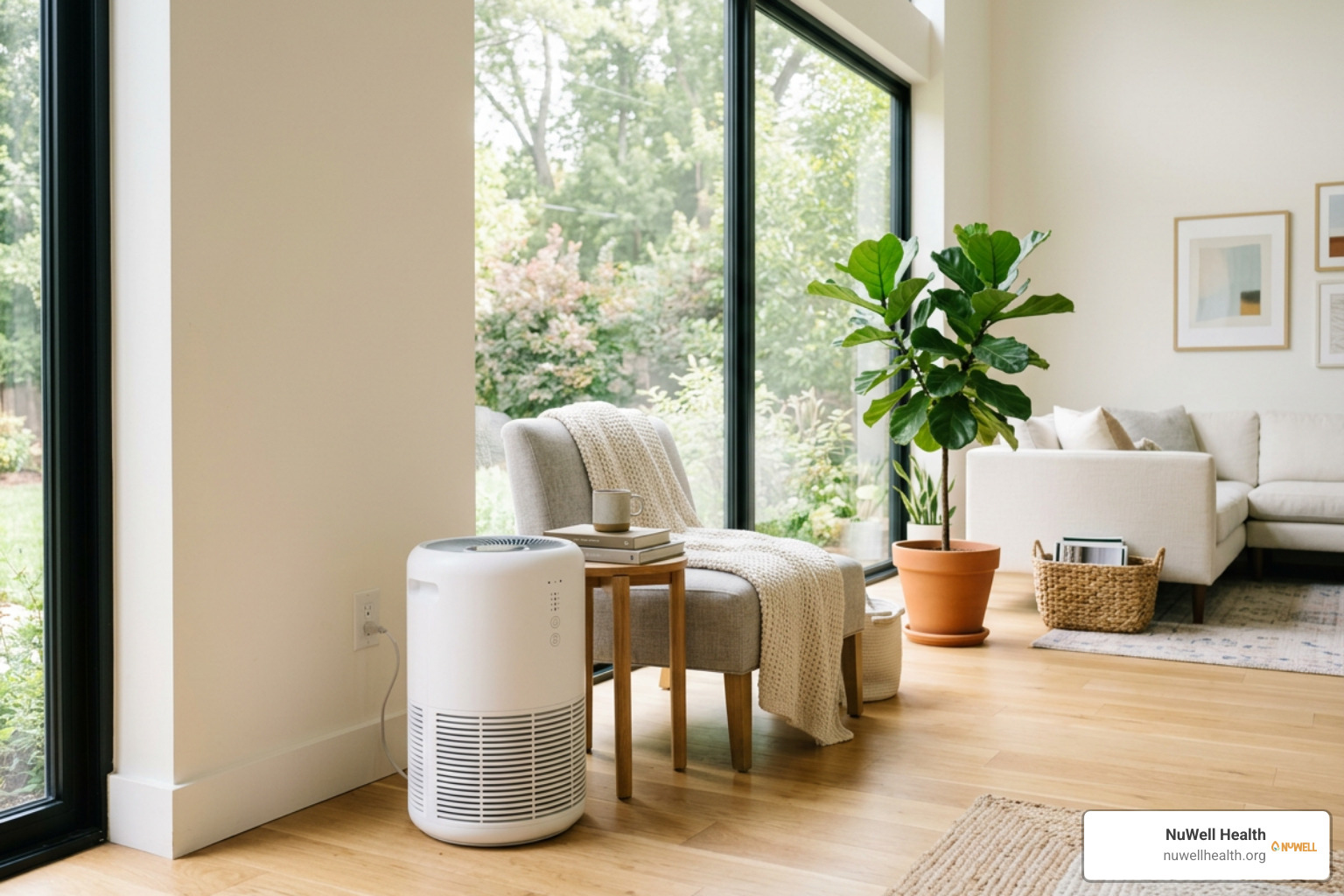
- HEPA Air Filters: High-Efficiency Particulate Air (HEPA) filters remove about 99.97% of troublesome airborne particles like dander, dust mites, and pollen down to 0.3 microns. Placing a standalone HEPA air purifier in your bedroom ensures you breathe clean air throughout the night.
- HVAC Care: Remember to replace central heating and cooling air filters every 30 to 60 days during peak allergy seasons.
- Dehumidifiers: Mold, mildew, and dust mites thrive in warm, humid conditions. Running a dehumidifier to keep indoor humidity levels between 30% and 50% inhibits mold growth and drastically reduces dust mite populations.
Post-Outdoor Hygiene and Bedding Care
Outdoor pollen counts typically peak in the early morning between 5:00 am and 10:00 am. On dry, windy days, pollen floats effortlessly through open windows and clings to your hair, skin, and clothing.
To keep outdoor triggers outside where they belong:
- Change clothing immediately: When returning home after being outdoors, remove your shoes at the door and change out of outdoor clothes.
- Shower before bed: Washing your hair and skin at night flushes away trapped pollen so you don’t transfer it to your pillow and bed linens.
- Wash bedding in hot water: Wash sheets, pillowcases, and blankets weekly in hot water (at least 130°F / 54°C) to eliminate dust mites. Pro tip: Adding a few drops of eucalyptus essential oil to your laundry load helps kill remaining dust mites beyond what standard washing alone achieves.
- Manage pet dander: Pets that go outside act like furry pollen sponges. Wiping down your pet’s coat with a damp cloth after outdoor play—and keeping pets off your bed—prevents grass and tree pollen from contaminating your sleeping space.
Safety Precautions and Knowing When to See a Doctor
While anti allergic home remedies offer incredible everyday support, prioritizing clinical safety is essential. Before introducing new botanical supplements or applying concentrated plant extracts, keep these safety practices in mind:
- Perform a Patch Test for Essential Oils: The FDA does not oversee the purity, quality, or packaging of essential oils. Always dilute essential oils in a carrier oil (such as jojoba or almond oil) and perform a 24-hour patch test on unbroken skin on your forearm before applying them topically or using them in baths.
- Check for Supplement Interactions: Herbal products like butterbur, spirulina, or stinging nettle can interact with prescription drugs, blood thinners, or underlying conditions like diabetes. Always consult a qualified healthcare provider before starting new dietary supplements.
- Explore Complementary Therapies: If you are seeking additional non-pharmaceutical options, consider acupuncture. A 2024 review suggests that treating allergic rhinitis with acupuncture has few side effects and good short- and long-term effects.
If you are just beginning your holistic wellness journey, our step-by-step guide to natural remedies provides a fantastic foundation for introducing gentle therapies safely.
When to Seek Emergency Medical Attention
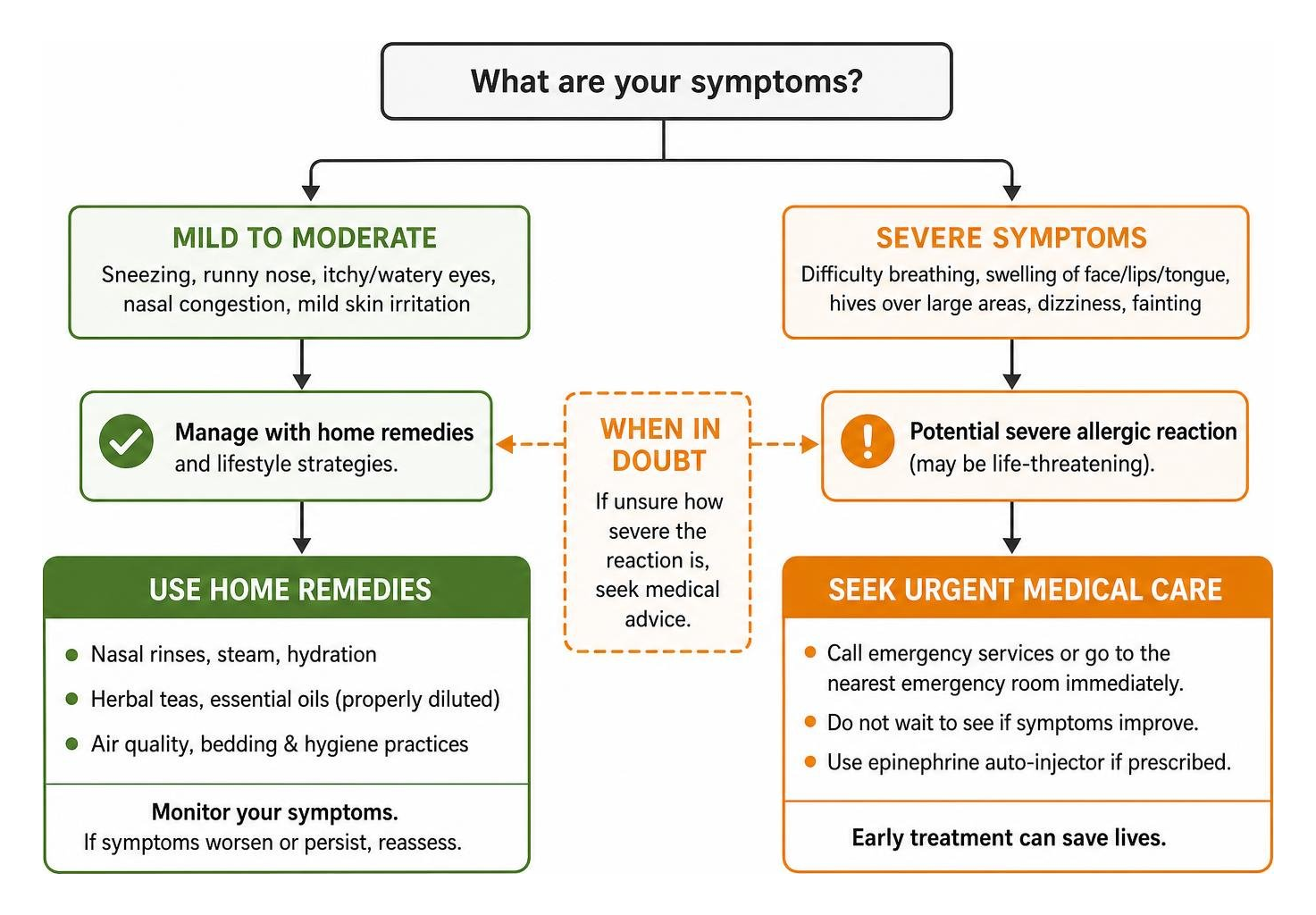
Home remedies are intended for mild to moderate seasonal, environmental, or minor skin reactions. They must never be used to manage life-threatening allergic reactions.
Seek immediate emergency medical care (call 911 or go to the nearest emergency room) if you or someone near you experiences signs of anaphylaxis, including:
- Sudden difficulty breathing, wheezing, or shortness of breath
- Swelling of the lips, tongue, throat, or face
- Severe dizziness, lightheadedness, or feeling faint
- Rapid, weak pulse
- Widespread hives accompanied by nausea or vomiting
Frequently Asked Questions
What is the single most effective natural remedy for allergies?
The most effective natural strategy of all is allergen avoidance. While remedies like saline rinses, quercetin, and HEPA purifiers provide excellent symptomatic relief, eliminating or minimizing your exposure to the triggering allergen is the absolute best way to prevent your immune system from initiating an inflammatory response.
Can local raw honey cure seasonal allergy symptoms?
While local raw honey is not a proven medical “cure,” many people find significant seasonal relief by eating a spoonful daily. Raw honey contains trace amounts of local plant pollen. Consuming it regularly may help train your immune system to tolerate environmental pollen over time, much like a mild, natural form of desensitization. It also acts as an excellent, natural demulcent to soothe sore throats.
When should I consult a doctor instead of using home treatments?
You should consult a healthcare provider if your allergy symptoms fail to improve after two weeks of home care, if sinus congestion leads to severe facial pain and fever (indicating a potential secondary infection), or if allergy symptoms interfere with your ability to sleep and work. Always seek emergency medical help immediately for severe symptoms like throat tightness, facial swelling, or breathing difficulty.
Conclusion
Managing allergies naturally isn’t about finding a single magic pill—it is about creating a supportive, low-toxin lifestyle that helps your body regulate its own immune responses. By combining sinus-clearing saline rinses, air filtration, post-outdoor hygiene, and nutrient-rich natural antihistamines, you can drastically reduce seasonal sneezing and congestion without feeling fatigued.
At NuWell Health, we have found that true, long-lasting vitality comes from looking beyond quick fixes. By supporting your body, mind, and spirit from the inside out, you can restore internal balance and enjoy every season with clarity and comfort.
Ready to dive deeper into root-cause wellness and immune balance? Explore our comprehensive guide to allergies and food sensitivity to take the next empowering step on your healing journey today!
This article was researched with AI and heavily edited by Jordan Oliver for accuracy and relevance.
Jordan is an author, ordained minister, and online host for His Glory TV, sharing biblically grounded insights on faith, prayer, and spiritual growth. She is the co-founder of Triple-Braided Cord Co., an intercessory prayer and healing ministry inspired by Ecclesiastes 4:12.
Jordan holds a Bachelor’s degree in Communications and Religious Studies from High Point University and is a certified Spiritual Life Coach through iCoachLife in Nashville, Tennessee. Drawing from her ministry, coaching, and academic experience, she creates trustworthy, faith-based content that helps readers grow in their relationship with God. Learn more about Jordan here.