

A Practical Start With Ayurveda for Hormonal Imbalance
Ayurveda for hormonal imbalance begins with daily habits that support digestion, steady energy, sleep, and stress recovery. Start by eating regular, warm whole-food meals, limiting foods that leave you feeling heavy or bloated, moving your body gently most days, and building a consistent sleep routine. Then work with a qualified clinician to personalize herbs or cleansing therapies, especially if you have PCOS, painful periods, very heavy bleeding, missed periods, or take medication.
In Ayurvedic terms, reproductive health depends on Agni – the body’s digestive and metabolic capacity. When Agni is impaired, Ayurveda describes a buildup of Ama and disruption in Rasa Dhatu, the nourishing fluid tissue from which Artava (menstrual tissue and flow) is formed. This framework looks beyond a single symptom and asks what may be disrupting the body’s ability to digest, nourish, and regulate.
At NuWell Health, we have found that busy people often need practical, sustainable changes more than another rigid protocol. Ayurvedic care can offer a root-cause lens for concerns such as irregular cycles, PMS, cramps, and PCOS, but it should complement appropriate medical evaluation. Seek prompt medical care for severe pelvic pain, unusually heavy bleeding, possible pregnancy, or sudden cycle changes.
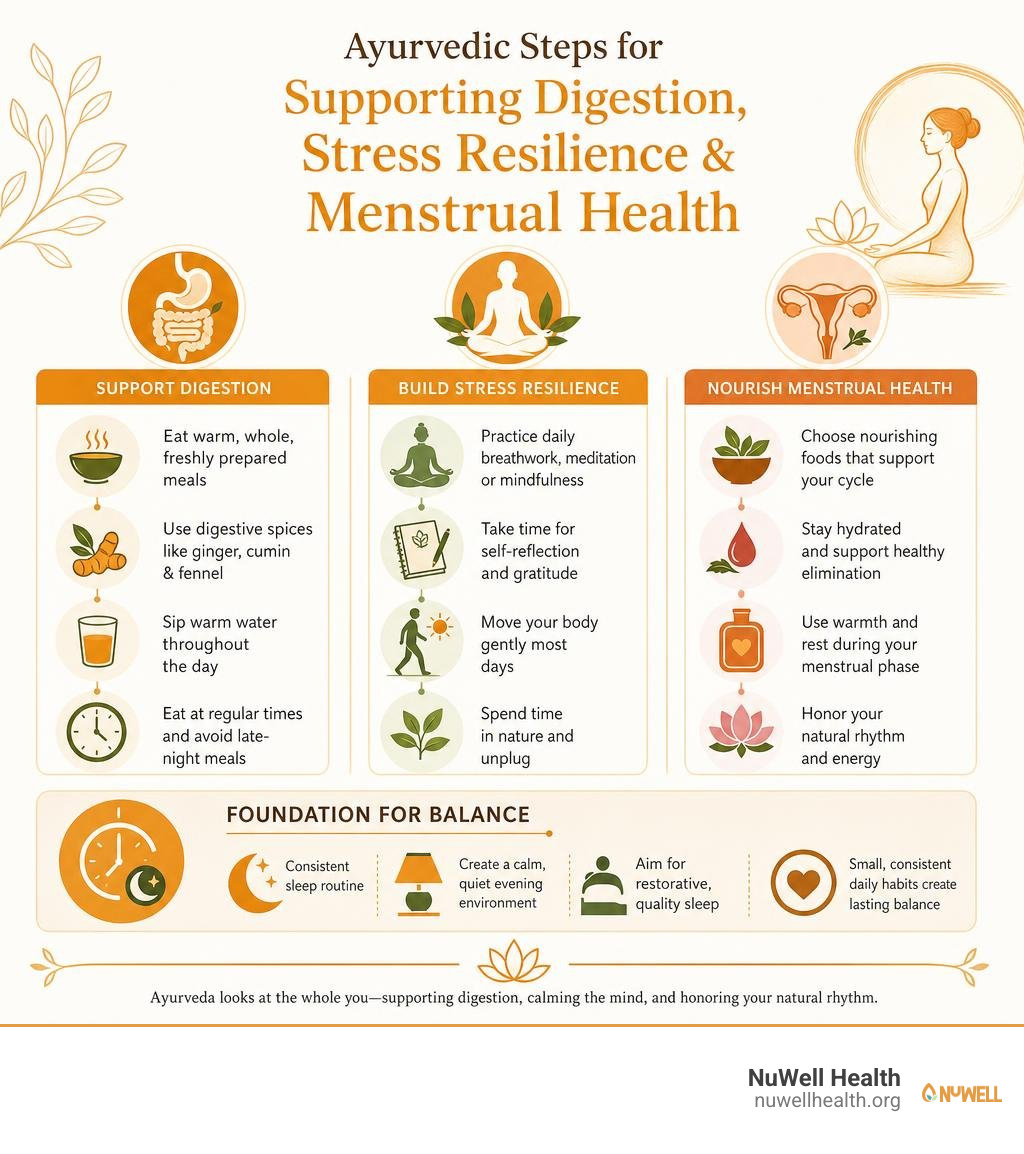
Ayurveda for hormonal imbalance glossary:
Core Principles of Ayurveda for Hormonal Imbalance and Metabolic Health
At NuWell Health, we have found that menstrual irregularities and endocrine challenges are among the most widespread concerns affecting long-term vitality. Whether presenting as unpredictable cycle lengths, severe pelvic cramping, or metabolic disruptions, these symptoms are often treated in modern medicine with synthetic hormones or temporary symptom suppression.
Ayurveda takes a fundamentally different perspective. It operates through empowered root cause healing, seeking to understand why the body’s endocrine signaling fell out of harmony in the first place. Central to this approach is the state of your doshas—Vata (movement and communication), Pitta (metabolism and transformation), and Kapha (structure and fluid balance)—along with the foundational power of Agni (metabolic fire).
Understanding Agni and Rasa Dhatu in Ayurveda for Hormonal Imbalance
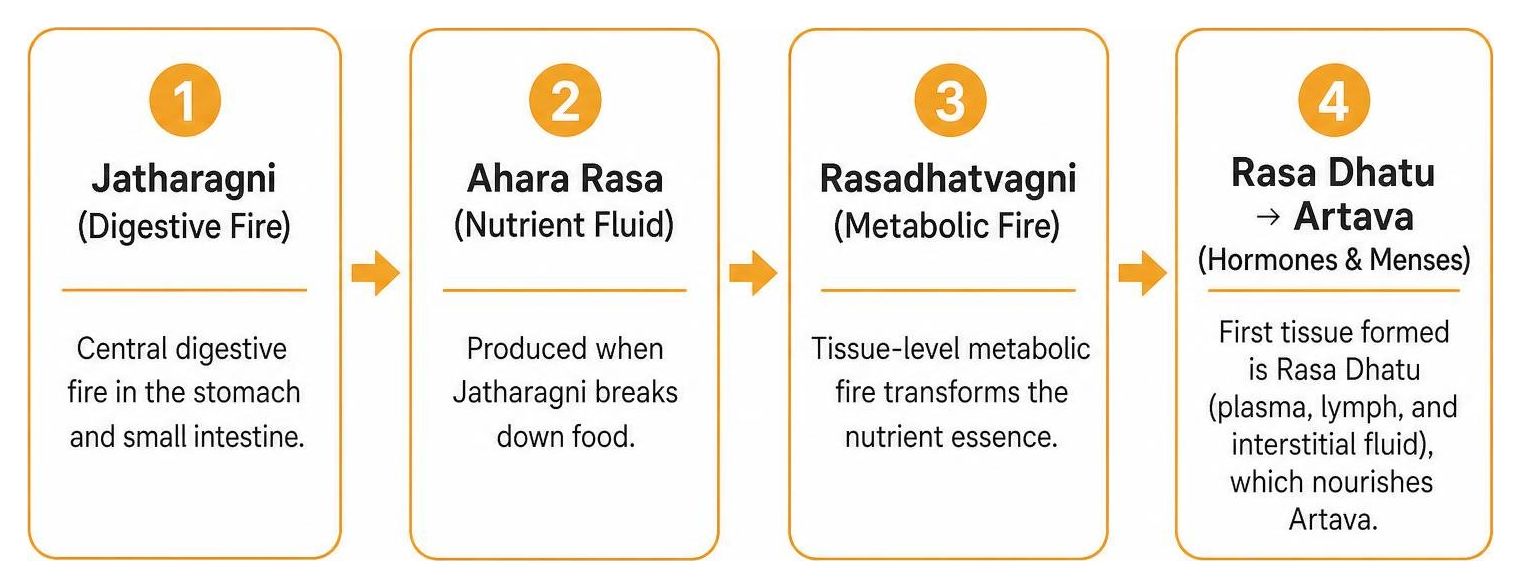
In classical Ayurvedic physiology, the digestive process operates in a sequential hierarchy of tissue transformation (Dhatus). It begins with Jatharagni, the central digestive fire situated in the stomach and small intestine. When Jatharagni breaks down food, it produces Ahara Rasa (nutrient-dense essence).
Next, tissue-level metabolic fires (Dhatvagnis) transform this essence into bodily tissues. The first tissue formed is Rasa Dhatu, representing plasma, lymph, and interstitial fluid.
A critical teaching of classical texts is that Artava—which encompasses the ovulatory fluid, menstrual blood, and the entire neuroendocrine cascade regulating the menstrual cycle—is an Upadhatu (secondary tissue or sub-tissue) of Rasa Dhatu. This means:
- Artava cannot be healthy if Rasa Dhatu is malnourished or stagnant.
- Rasa Dhatu cannot be healthy if your central Jatharagni or tissue-level Rasadhatvagni is sluggish, hyperactive, or irregular.
- Every hormone, ovulation trigger, and menstrual flow relies directly on the purity and metabolic transformation of digestive plasma.
Reviewing understanding hormone balance basics shows that endocrinology and Ayurveda share this foundational truth: gut health, nutrient assimilation, and hormonal synthesis are inextricably linked.
How Agni Dysfunction and Ama Drive Menstrual Disorders
When Agni weakens (Manda Agni), food is improperly digested. This incomplete breakdown creates Ama—a sticky, toxic, undigested metabolic byproduct.
Ama circulates into the bodily channels (Srotas), creating physical and energetic blockages. When Ama lodges in the lymphatic and circulatory channels carrying Rasa Dhatu, a state of Rasa Dushti (plasma vitiation) occurs. Because Artava derives directly from Rasa, this vitiation manifests as irregular periods, cystic ovarian changes, painful inflammation, and mood fluctuations.
Interestingly, classical Ayurvedic texts draw a direct parallel between menstrual disorders and systemic febrile conditions like Pittoulbana Sannipataj Jwara (severe metabolic fever or typhoid-like presentations). Both conditions originate from the same root pathology: deep-seated derangement of Jatharagni, accumulation of toxic Ama, and obstruction of micro-circulatory pathways. When Agni is compromised, systemic vitality plummets, triggering widespread inflammation across the body.
Ayurvedic Classifications of Artava Rogas and Modern Hormonal Conditions
Classical Ayurvedic medicine categorizes menstrual and hormonal abnormalities under the broad umbrella of Artava Rogas. Rather than viewing conditions like PCOS, endometriosis, or amenorrhea as isolated pelvic diseases, Ayurveda recognizes them as structural and functional imbalances of the doshas manifesting in the reproductive tissue.
| Modern Diagnosis | Ayurvedic Classification | Primary Dosha / Pathology | Core Clinical Features |
|---|---|---|---|
| PCOS / Anovulation | Artava Kshaya | Kapha-Vata / Srotorodha (blockage) | Scanty/absent menses, delayed ovulation, cystic follicles, metabolic sluggishness |
| Menorrhagia / Heavy Bleeding | Asrukdara / Raktapradara | Pitta-Vata vitiation | Excessive flow, prolonged bleeding, heat symptoms, systemic depletion |
| Amenorrhea (Missed Cycles) | Anartava / Nastartava | Vata-Kapha / Rasa Dhatu depletion | Complete absence of menstrual cycle, profound exhaustion, tissue dryness |
| Dysmenorrhea (Cramps) | Kashtartava / Udavartini | Vata (Apana Vayu dysfunction) | Severe cramping before/during menses, retrograde flow, pelvic tension |
| PMS / PMDD | Ashta Artava Dushti (Dosha-specific) | Tridoshic / Rasa Dushti | Mood swings, fluid retention, breast tenderness, irritability, digestive bloating |
Modern research documented in An Ayurvedic Approach to Artava Rogas: Exploring the Significance of Agni in Female Reproductive Health emphasizes that addressing digestive and tissue-level Agni is essential for clearing these long-standing gynecological imbalances.
Artava Kshaya, Asrukdara, and Anartava Explained
Each presentation of an Artava Roga provides distinct clinical clues regarding what is happening at the metabolic and tissue levels:
- Artava Kshaya (Deficiency or Scantiness): This condition involves a qualitative and quantitative reduction in menstrual flow, often accompanying anovulatory cycles and conditions like polycystic ovarian morphology. It is driven by Kapha obstructing the channels (Avarana) combined with Vata-induced tissue depletion.
- Asrukdara (Excessive Discharge): When aggravated Pitta overheats the blood tissue (Rakta Dhatu) and mixes with erratic Vata movement, blood flows excessively. This leads to heavy, prolonged periods, fatigue, and iron depletion.
- Anartava (Absence of Menses): When Rasa Dhatu is so depleted or channels are so severely obstructed that no secondary tissue can form, the cycle stops entirely.
- Ashta Artava Dushti (Eightfold Menstrual Vitiation): Classical texts identify eight distinct menstrual pathologies caused by individual doshas, combinations of doshas, or blood vitiation, causing menses to appear discolored, frothy, clotted, foul-smelling, or burning.
Understanding these patterns allows individuals dealing with a chronic hormone imbalance to target the underlying constitutional disturbance rather than relying solely on symptomatic suppressants.
Applying Ayurveda for Hormonal Imbalance: Steps to Heal PCOS, PMS, and Dysmenorrhea
Restoring order to the endocrine system requires systematic steps matched to the presenting doshic state:
- For PCOS (Kapha-Vata Artava Kshaya): The primary focus is breaking channel obstruction (Srotoshodhana) and stimulating ovarian metabolism (Deepana). Warming, drying herbs clear lymphatic congestion, while insulin sensitivity is restored by stoking Jatharagni.
- For Dysmenorrhea (Vata-Type Kashtartava): Menstrual cramps occur when Apana Vayu—the downward-moving energetic force responsible for elimination and menstruation—moves upward or erratically (Udavarta). Therapeutic approaches focus on soothing Vata through warm oil therapies, antispasmodic herbs, and gentle downward-regulating lifestyle rhythms.
- For PMS (Pitta-Vata Rasa Dushti): Mood instability, premenstrual breast tenderness, and headaches stem from liver heat and toxic plasma. Cooling, blood-purifying therapies clear stagnant Pitta from the system.
Ayurvedic Therapies for Restoring Endocrine Health: Agneya Dravya and Shodhana

Ayurvedic therapeutics for hormone balance fall into two major categories: Shamana (palliative care using targeted herbal formulas and lifestyle changes) and Shodhana (purificatory and cleansing procedures designed to extract deep-seated Ama). Both modalities align closely with the principles of what is naturopathic medicine, honoring the body’s innate capacity for self-repair.
Reigniting Metabolic Fire with Agneya Dravya Herbs
Because Artava possesses a naturally hot, transformative (Agneya) quality, restoring healthy ovulatory and menstrual function often requires the administration of Agneya Dravya—substances that carry stimulating, heating, and metabolically active properties:
- Ashoka (Saraca asoca): A classical uterine tonic with an astringent and cooling action that tones the endometrium, stops excessive uterine bleeding (Asrukdara), and reduces pelvic inflammation.
- Shatavari (Asparagus racemosus): A nourishing adaptogen that builds high-quality Rasa Dhatu, supports healthy estrogenic and progestogenic balance, and deeply lubricates dehydrated reproductive tissues.
- Dashamoola (Ten Roots Formulation): A potent herbal compound that grounds aggravated Vata, normalizes the flow of Apana Vayu, relieves spasmodic dysmenorrhea, and reduces pelvic inflammatory states.
- Trikatu (Black Pepper, Long Pepper, Ginger): The quintessential Deepana-Pachana formula used to burn Ama, rekindle Jatharagni, and clear metabolic sluggishness linked to insulin resistance and PCOS.
Detoxifying Reproductive Pathways with Shodhana and Basti
When Ama is deeply embedded within the reproductive tissues, herbal remedies alone may not fully clear the channels. In these cases, classical purification therapies (Panchakarma) are employed:
- Virechana (Therapeutic Purgation): Systematically cleanses excess Pitta and Ama from the liver, gall bladder, and small intestine. Because the liver processes and breaks down estrogen, optimizing hepatic function via Virechana is foundational for resolving estrogen dominance, heavy cycles, and cystic acne.
- Basti (Medicated Enema Therapy): Since the colon is the primary seat of Vata, Basti is considered the most powerful therapy for all reproductive disorders. Administration of Dashamoola Niruha Basti (decoction enemas) paired with medicated oils removes deep pelvic stagnation, restores healthy microcirculation to the ovaries, and corrects the erratic downward flow of Apana Vayu.
Daily Routine and Dietary Guidelines to Balance Agni and Hormones
Herbal protocols and cleansing therapies provide lasting results only when supported by daily lifestyle rhythms (Dinacharya) and seasonal harmony (Ritucharya). Living in alignment with natural biological cycles creates the stability required for hormonal balance, reflecting the profound holistic mind-body-spirit connection.
Ahara: Nourishing Foods to Kindle Digestive Fire
What and how you eat directly determines the quality of your Rasa Dhatu. Follow these guidelines to nurture robust Agni:
- Favor Warm, Cooked Whole Foods: Cold, raw salads and iced beverages severely dampen Jatharagni, causing Ama accumulation. Choose warm soups, stews, roasted vegetables, and easily digestible whole grains like basmati rice and quinoa.
- Incorporate Metabolic Spices: Cook with cumin, coriander, fennel, turmeric, ginger, and small amounts of black pepper to maintain steady digestive fire without overheating your tissues.
- Include Healthy Fats: Hormones are synthesized from healthy lipids. Add moderate amounts of grass-fed organic ghee, sesame oil, or olive oil to your meals to ground Vata and lubricate cellular membranes.
- Avoid Viruddha Ahara (Incompatible Foods): Avoid combining incompatible foods—such as dairy milk with sour fruits, or hot and iced items in the same meal—which disrupts digestion and generates toxic Ama.
- Observe Mindful Hydration: Sip warm water or digestive teas (such as CCF tea: equal parts cumin, coriander, and fennel seeds) throughout the day to support continuous lymphatic drainage.
Vihara: Lifestyle Rhythms and Stress Regulation
Endocrine production operates on circadian rhythms. Irregular schedules, chronic stress, and poor sleep disrupt the delicate hypothalamic-pituitary-ovarian axis:
- Consistent Sleep Cycles: Aim to be in bed by 10:00 PM, when the Pitta phase of night begins to govern cellular regeneration and liver detoxification. Waking near sunrise keeps Vata calm and clear.
- Nervous System Regulation: Chronic psychological stress spikes cortisol, which suppresses progesterone production and halts healthy ovulation. Set aside time each day for prayer, quiet reflection, and gentle diaphragmatic breathing to maintain autonomic equilibrium.
- Gentle, Restorative Movement: Avoid chronic high-intensity workouts during the late luteal or bleeding phases of your cycle, as excessive physical strain aggravates Vata. Favor walking, gentle stretching, and restorative movement to preserve vital energy (Ojas).
Frequently Asked Questions about Ayurvedic Hormone Regulation
How long does it take to balance hormones with Ayurveda?
Restoring hormonal balance through Ayurveda typically requires a minimum of three to six consecutive menstrual cycles. Because Rasa Dhatu transforms sequentially through the other six bodily tissues before fully nourishing Artava, structural changes in tissue health and cellular signaling require patience, therapeutic consistency, and steady dietary compliance.
What is the primary cause of hormonal imbalance according to Ayurveda?
The primary root cause of hormonal imbalance in Ayurveda is impaired digestive and metabolic fire (Manda Agni). When Agni functions poorly, it creates toxic undigested residue (Ama), which circulates through the bloodstream and obstructs bodily channels (Srotas). This vitiates Rasa Dhatu (plasma fluid) and prevents the healthy formation and flow of Artava (hormones and menstrual tissue).
Can Ayurvedic herbs be safely combined with conventional hormone treatments?
Ayurvedic herbs can often be integrated alongside conventional medical therapies, but this must always be done under the supervision of qualified clinical providers. Certain potent herbs may interact with birth control pills, thyroid replacement medications, or fertility protocols. A collaborative care strategy ensures physiological safety, avoids herb-drug interactions, and supports long-term recovery.
Conclusion
Hormonal health is not merely a collection of isolated lab values—it is a direct reflection of your metabolic vitality, digestive strength, and daily lifestyle alignment. By addressing the root-cause health of Jatharagni and Rasadhatvagni, clearing toxic Ama, and nourishing your foundational Rasa Dhatu, Ayurveda provides a time-tested, sustainable path toward vibrant endocrine balance.
At NuWell Health, we have found that true healing occurs when you treat the whole person—mind, body, and spirit—with gentle, natural interventions that empower your body to thrive. Explore the ultimate guide to balancing hormones naturally to continue your journey toward lasting vitality, hormonal harmony, and lifelong wellness.
This article was researched with AI and heavily edited by Jordan Oliver for accuracy and relevance.
Jordan is an author, ordained minister, and online host for His Glory TV, sharing biblically grounded insights on faith, prayer, and spiritual growth. She is the co-founder of Triple-Braided Cord Co., an intercessory prayer and healing ministry inspired by Ecclesiastes 4:12.
Jordan holds a Bachelor’s degree in Communications and Religious Studies from High Point University and is a certified Spiritual Life Coach through iCoachLife in Nashville, Tennessee. Drawing from her ministry, coaching, and academic experience, she creates trustworthy, faith-based content that helps readers grow in their relationship with God. Learn more about Jordan here.