

Why So Many People Struggle With Digestive Problems — and What’s Really Behind Them
What causes digestive problems is one of the most common health questions people ask — and for good reason. Over 60 million people in the United States alone are affected by some form of digestive disease.
Here is a quick answer:
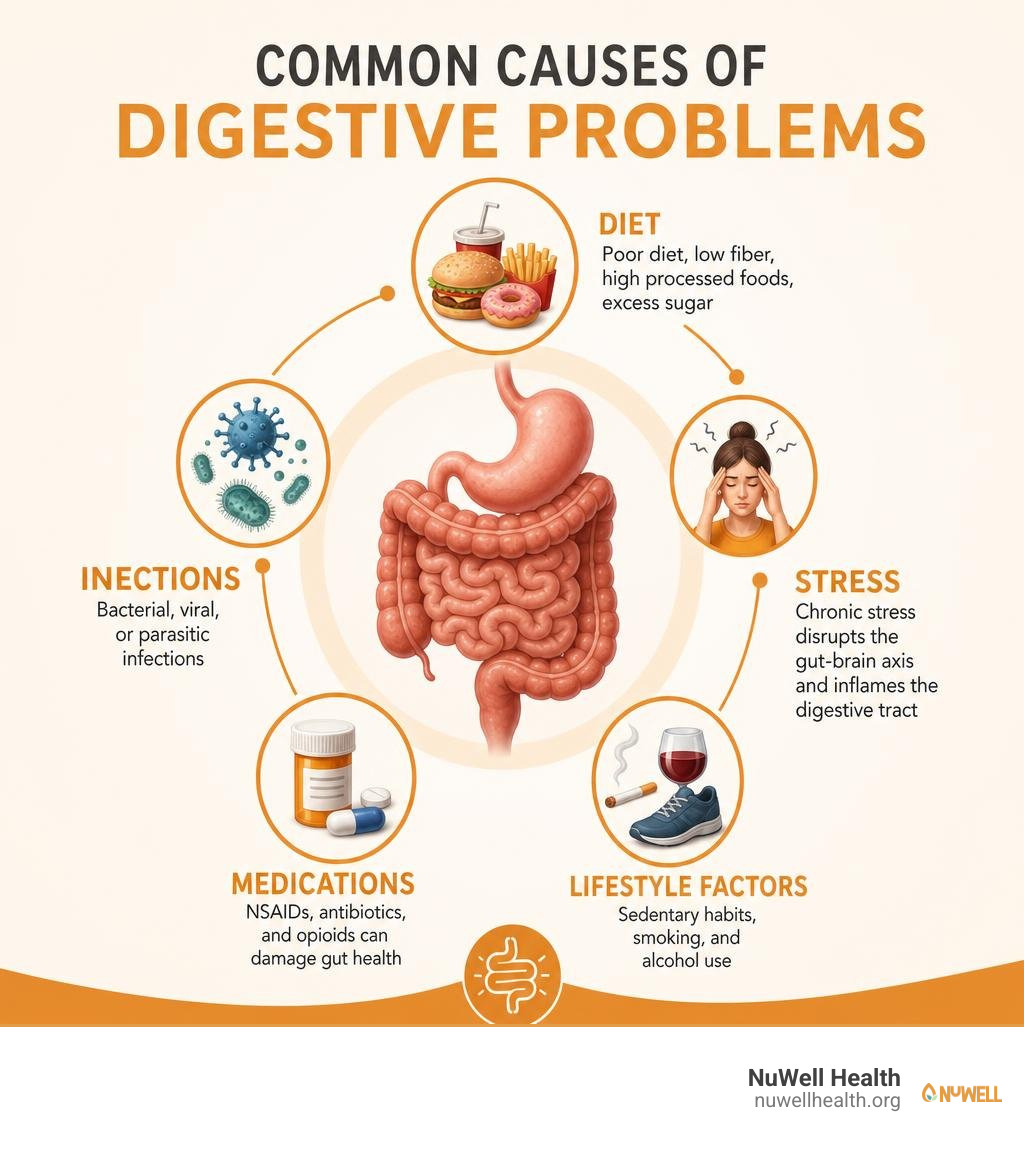
The most common causes of digestive problems include:
- Poor diet — low fiber, high processed foods, excess sugar
- Food intolerances — lactose, gluten, and other trigger foods
- Infections — bacterial (like H. pylori), viral, or parasitic
- Chronic stress — which disrupts the gut-brain axis and inflames the digestive tract
- Medications — NSAIDs, antibiotics, and opioids can all damage gut health
- Lifestyle factors — sedentary habits, smoking, and alcohol use
- Underlying conditions — such as IBS, GERD, IBD, or celiac disease
The tricky part? Many of these causes overlap. Stress worsens a poor diet’s impact. Medications disturb the gut microbiome. A single case of food poisoning can trigger a lifetime condition — research shows that just over 10% of people who experience food poisoning go on to develop IBS.
At NuWell Health, we have found that most people dealing with chronic digestive issues are not struggling because of one bad habit. They are dealing with layered root causes that conventional medicine often addresses only at the symptom level.
This guide breaks down each cause clearly — so you can understand what is actually happening in your gut and take meaningful steps toward real, lasting relief.
Functional vs. Structural Digestive Disorders
When you visit a doctor to find out what causes digestive problem symptoms, one of the first steps in clinical medicine is to determine whether your issue is functional or structural. This distinction is incredibly important because it explains why some people can experience severe, life-disrupting pain while their standard medical test results come back completely “normal.”
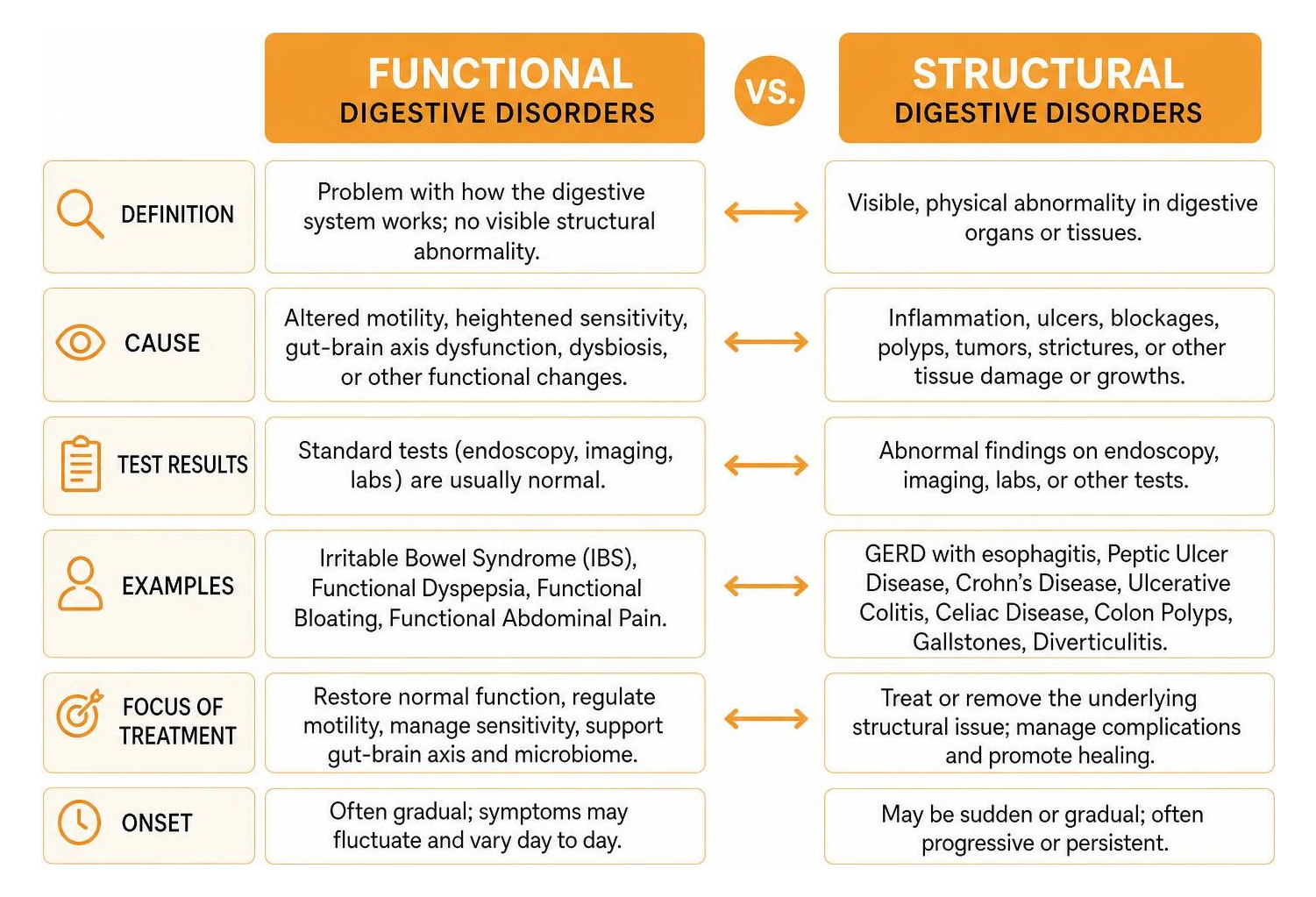
To understand this better, let us look at how these two categories differ. A structural disorder means there is a visible, physical abnormality in your organs. There might be inflammation, tissue damage, or physical growths.
On the other hand, functional disorders are issues with how your digestive system works, even though the physical structure looks perfect under a microscope. You can read more about these distinct pathways in An Essential Guide to Digestive Issues Causes.
Functional GI Disorders and Motility
Functional gastrointestinal diseases are incredibly common. Irritable Bowel Syndrome (IBS) is the prime example of a functional disorder. Globally, IBS affects an estimated 10% to 15% of the population, yet only a small fraction (around 5% to 7% of adults in the U.S.) have received a formal diagnosis.
In a functional disorder, the communication between your brain and your gut is out of sync. This miscommunication can lead to:
- Visceral Hypersensitivity: The nerves in your gut are highly sensitive, meaning normal gas or digestion feels painful.
- Altered Gut Motility: Food normally takes 24 to 72 hours to travel through your 9-meter-long digestive tract. In functional disorders, this transit time is either too fast (causing diarrhea) or too slow (causing constipation).
- Routine Disruptions: Simple changes like traveling, changing your sleep patterns, or skipping meals can easily throw off functional gut motility, leading to sudden bloating or discomfort.
Because functional disorders do not show up on standard imaging, patients are often left feeling frustrated and dismissed. But at NuWell Health, we recognize that functional symptoms are very real and usually point to underlying imbalances in the nervous system and gut microbiome.
Structural GI Disorders and Physical Damage
Unlike functional issues, structural digestive disorders involve physical, visible changes or damage to the gastrointestinal tract. These can be diagnosed through imaging, blood tests, or endoscopic procedures, as detailed in Digestive diseases: MedlinePlus Medical Encyclopedia.
Common structural disorders include:
- Inflammatory Bowel Disease (IBD): This includes Crohn’s disease and ulcerative colitis. IBD is a chronic inflammatory condition that causes visible ulcers and structural damage. Over 6.8 million people worldwide live with IBD, with Crohn’s disease alone affecting an estimated 3 million people in the United States.
- Celiac Disease: An autoimmune condition where consuming gluten causes the immune system to attack and flatten the tiny, finger-like villi in the small intestine, leading to severe nutrient malabsorption.
- Gastroesophageal Reflux Disease (GERD): GERD affects roughly 20% of Western adults. It occurs when the lower esophageal sphincter (the muscular valve between your esophagus and stomach) weakens, allowing stomach acid to escape upward and damage the esophageal lining.
- Colon Polyps: Physical growths on the inner lining of the colon. While most are benign, nearly all colorectal cancers begin as these benign polyps, which is why regular screening is so vital.
What Causes Digestive Problem Symptoms and Flare-Ups?

Dietary Triggers: What Causes Digestive Problem Issues in Daily Life
The foods we put into our bodies have a rapid and profound impact on our gut health. Modern processed foods, which are high in refined sugars, artificial additives, and unhealthy fats, starve our beneficial gut bacteria and feed inflammatory microbes.
In our clinical experience at NuWell Health, we have successfully helped hundreds of patients identify and eliminate hidden food sensitivities, which are often the true culprits behind chronic indigestion and bloating. It is important to distinguish between a food allergy and a food intolerance:
- Food Allergy: An immune-mediated reaction (like a peanut or shellfish allergy) that can be life-threatening.
- Food Intolerance: A digestive system limitation, often caused by a lack of specific enzymes. For example, lactose intolerance occurs when the body does not produce enough lactase to break down the sugars in dairy.
Gluten sensitivity, processed vegetable oils, and high-FODMAP foods (fermentable carbohydrates) are also common culprits that trigger digestive issues. For a deep dive into managing these dietary triggers naturally, check out The Ultimate Guide to Lifestyle Changes for IBS and Happy Digestion. To learn more about how food intolerances differ from allergies, you can review Digestive problems: What to know.
Pathogens and Infections in the Gut
Acute and chronic infections play a massive role in disrupting gut function. A sudden bout of food poisoning, or viral gastroenteritis (often called the stomach flu), can damage the delicate mucosal lining of your intestines.
As mentioned earlier, just over 10% of people who experience food poisoning go on to develop post-infectious IBS. This happens because the infection alters gut motility and damages the nerves in the intestinal wall, leaving the gut inflamed long after the pathogen is gone.
Other common infectious causes include:
- Helicobacter pylori (H. pylori): A bacterial infection in the stomach that weakens the protective mucus coating, allowing acid to create painful open sores (peptic ulcers).
- Small Intestinal Bacterial Overgrowth (SIBO): When bacteria that should live in the large intestine migrate and overpopulate the small intestine, leading to extreme bloating, gas, and nutrient malabsorption.
- Parasitic Infections: Acquired from contaminated water or food, parasites can linger in the gut for months, causing chronic diarrhea and fatigue.
Environmental Toxins and Heavy Metals
An often-overlooked factor in chronic digestive issues is the accumulation of environmental toxins and heavy metals (such as lead, mercury, and cadmium) in our bodies. These toxins enter our systems through contaminated water, certain foods, industrial exposure, and even dental materials.
In our practice at NuWell Health, we have found that heavy metals can cause severe cellular stress and directly damage the protective epithelial barrier of the gut (often referred to as “leaky gut”). By utilizing targeted natural detoxification protocols, we have helped many individuals restore their gut barrier and resolve long-standing digestive issues. This toxic burden impairs your digestive enzymes, triggers chronic low-grade inflammation, and alters your gut microbiome.
Resolving these issues requires a careful, human-centric approach to detoxification and cellular support. You can explore our natural strategies for removing these deep-seated toxins in our guide on Heavy Metals Root Removal.
The Gut-Brain Axis, Stress, and Medications
Your gut and your brain are constantly talking to each other. If you have ever felt “butterflies” in your stomach when nervous, or lost your appetite during a stressful event, you have experienced the gut-brain axis in action.
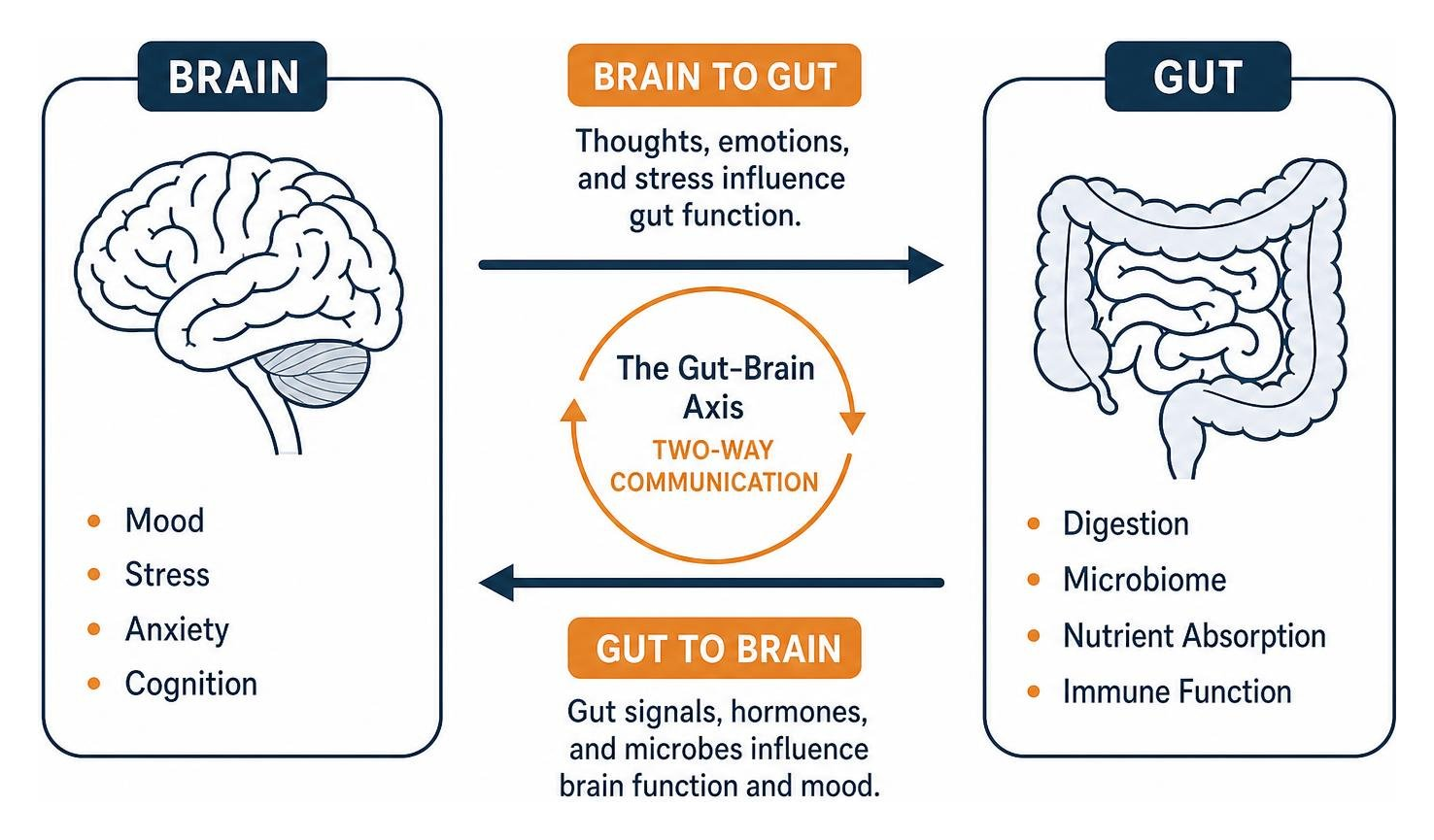
Chronic Stress and the Gut-Brain Axis: What Causes Digestive Problem Flare-Ups
The gut-brain axis is a bidirectional communication system. This means your mental state directly dictates your physical gut function, and vice versa.
When you experience chronic psychological stress, your brain activates the sympathetic nervous system (the “fight-or-flight” response). This shifts energy away from digestion, causing several physical changes:
- Reduced Mucus Production: Stress signals intestinal cells to slow down the production of the protective mucus layer, leaving your gut lining vulnerable to acid and inflammation.
- Altered Motility: Stress can cause the stomach to empty slower (leading to nausea or indigestion) while causing the colon to contract faster (leading to diarrhea).
- Increased Sensitivity: Stress amplifies pain signals, making you highly sensitive to normal digestive processes.
Through our years of clinical practice at NuWell Health, we have observed that patients who integrate stress-management practices rooted in spiritual peace and Christian mindfulness — such as quiet prayer, meditating on Scripture, and deep breathing — experience significantly faster and more sustainable gut recovery. This holistic approach helps calm the nervous system, allowing the gut to return to a state of rest and repair.
To understand the clinical connection between gut-brain interactions and symptoms like dyspepsia, you can consult the Symptoms & Causes of Indigestion – NIDDK.
Medications That Disrupt Digestion
While medications are often necessary, many commonly used drugs have side effects that severely damage the digestive system.
- NSAIDs (Non-Steroidal Anti-Inflammatory Drugs): Overuse of pain relievers like ibuprofen can wear down the stomach’s protective lining, leading to gastritis and peptic ulcers.
- Antibiotics: While they kill harmful bacteria, antibiotics also wipe out beneficial gut microbes, leading to gut dysbiosis, diarrhea, and a weakened immune system.
- Proton Pump Inhibitors (PPIs): Long-term use of acid-blockers can lower stomach acid too much. We need stomach acid to digest protein and kill incoming pathogens; without it, we are at a much higher risk for SIBO and nutrient deficiencies.
- Opioids: These powerful pain medications bind to receptors in the gut, drastically slowing down motility and causing severe, chronic constipation.
When the gut is compromised by medications, it can even impact other major organs. For example, you can learn about how kidney health and digestion are linked in The Gut-Kidney Connection: Why Kidney Disease Causes Digestive Issues.
Frequently Asked Questions about Digestive Problems
What are the warning signs that mean I should see a doctor immediately?
While occasional gas or mild indigestion is normal, certain “red-flag” symptoms require immediate medical evaluation to rule out serious conditions like internal bleeding, severe infections, or colorectal cancer. You should seek medical care right away if you experience:
- Bloody stools (either bright red blood or black, tarry stools)
- Unexplained, rapid weight loss
- Severe, persistent abdominal pain
- Difficulty swallowing (dysphagia) or a feeling of food getting stuck
- Persistent vomiting or vomiting blood
- Jaundice (yellowing of the skin or eyes)
For a comprehensive list of symptoms that warrant professional medical attention, please refer to the Overview of Digestive Symptoms – Digestive Disorders – Merck Manual Consumer Version.
How do doctors diagnose the root cause of digestive issues?
To find out exactly what is causing your symptoms, healthcare providers use a variety of diagnostic tools depending on your age and clinical history:
- Upper Endoscopy: A thin, flexible tube with a camera is inserted down your esophagus to examine your stomach and duodenum. This is the gold standard for ruling out ulcers, GERD, or esophageal issues, especially for individuals over 60 or those with warning signs.
- Colonoscopy: Used to examine the entire length of the large intestine to check for inflammation, ulcers, or colon polyps.
- H. pylori Testing: Done via a simple breath test, stool test, or tissue biopsy during an endoscopy.
- Celiac Disease Testing: Involves blood tests to look for specific antibodies, followed by an endoscopy to confirm damage to the small intestine.
You can read more about how clinical evaluations and tests are performed in the Indigestion – Digestive Disorders – MSD Manual Consumer Version.
Can digestive problems be prevented naturally?
Yes! Many digestive issues can be prevented or significantly improved by adopting healthy, mindful daily habits.
- Increase Fiber Gradually: Aim for 25 to 30 grams of fiber daily from whole foods like vegetables, fruits, and legumes. Introduce fiber slowly to prevent sudden gas or bloating.
- Stay Hydrated: Drink at least 8 glasses (about 2 liters) of water daily to help fiber do its job and keep stools soft.
- Move Your Body: Engage in at least 150 minutes of moderate physical activity weekly to naturally stimulate intestinal contractions and support healthy bowel motility.
- Practice Mindful Eating: Slow down, chew your food thoroughly, and avoid eating late at night or while stressed.
At NuWell Health, we have observed that patients who consistently implement these natural lifestyle adjustments see a dramatic reduction in flare-ups and a significant improvement in overall gut motility. By focusing on these foundational habits, you can support your body’s natural healing mechanisms. Learn how to build a personalized, health-promoting routine in Upgrade Your Health Hardware with Preventive Lifestyle Medicine. For additional evidence-based insights on managing digestive health, you can check the Digestive System Disorders: Symptoms, Causes & Treatment | iMedic.
Conclusion
At NuWell Health, we believe that understanding what causes digestive problem symptoms is the first step toward reclaiming your life. Your digestive tract is not just a tube that processes food; it is a complex, sensitive system that reflects your overall physical, mental, and spiritual well-being.
By looking beyond surface-level symptoms and addressing the true root causes — whether they stem from dietary triggers, chronic stress, toxic burdens, or nervous system imbalances — you can experience true, lasting healing.
If you are ready to stop managing symptoms and start healing from the inside out, we are here to support you. We invite you to explore our holistic resources and take the next step on your wellness journey by visiting our dedicated page on Digestive Issues.