

Hormone Imbalance Support Starts With a Clear, Whole-Person Plan
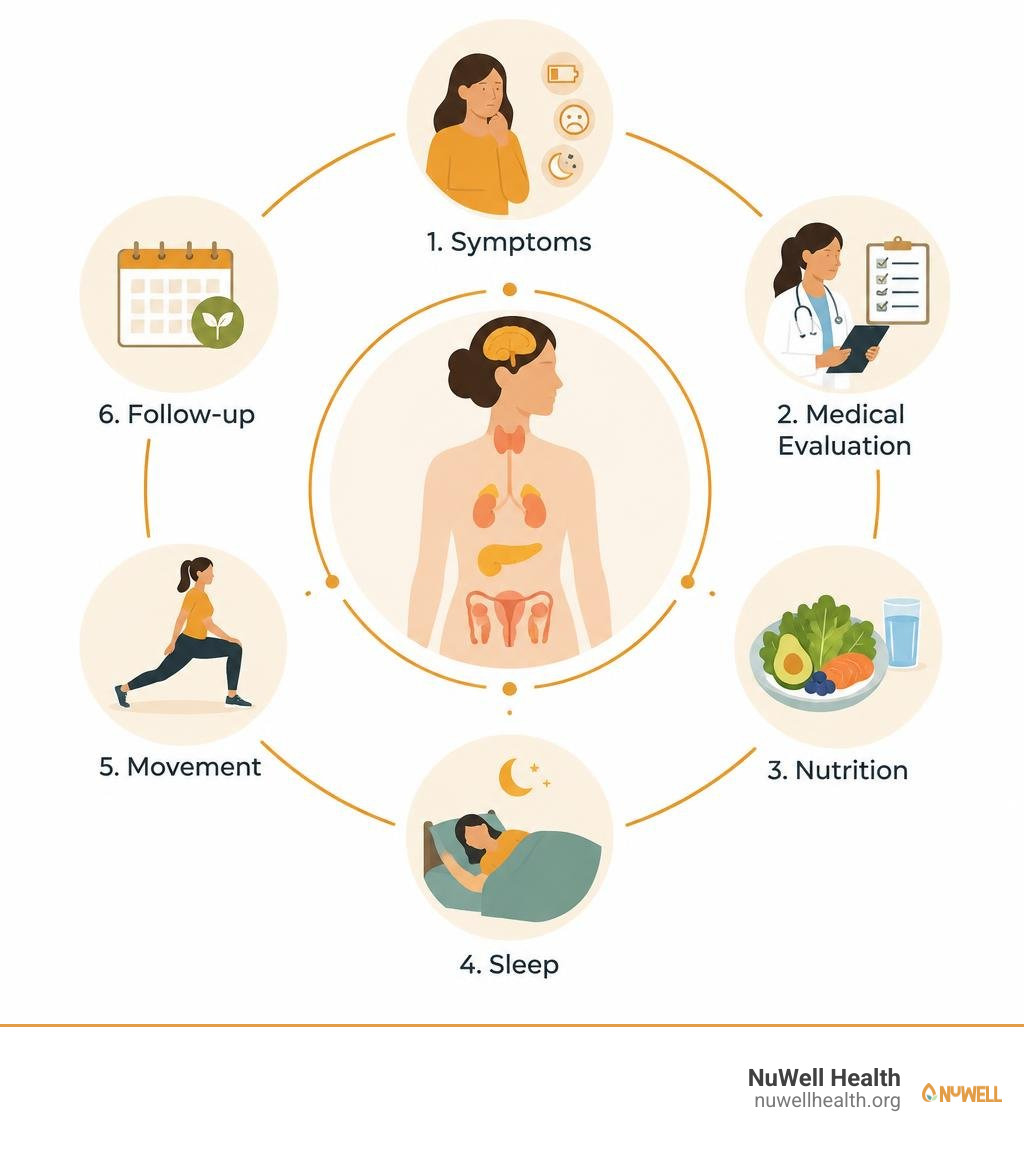
Hormone imbalance support begins with identifying persistent symptoms, getting appropriate medical evaluation, and building daily habits that support sleep, nutrition, movement, stress management, and mental well-being. Supplements or natural approaches may help in some situations, but they cannot diagnose or treat conditions such as thyroid disease, PCOS, diabetes, or adrenal disorders.
Hormones are chemical messengers that help regulate energy, metabolism, mood, digestion, sleep, sexual health, and reproduction. Scientists have identified more than 50 hormones in the human body. A level that is too high or too low can affect many systems at once, but similar symptoms can also have other causes. That is why root-cause care should be thoughtful, not guesswork.
This guide explains common signs, medical causes, testing, treatment options, and practical ways to support hormone health. NuWell Health offers virtual, whole-person natural health support through a multidisciplinary team that considers physical health, mental well-being, lifestyle, and spiritual well-being together.
NuWell’s services are designed to complement, not replace, appropriate medical care, counseling, psychiatric care, medication management, or emergency care.
Published: September 15, 2026. Last reviewed: September 15, 2026 by Dr. Sarah Mitchell, ND, a licensed naturopathic doctor specializing in integrative hormone health and whole-person wellness.
Understanding Hormonal Disruption: Signs, Systems, and Root Causes
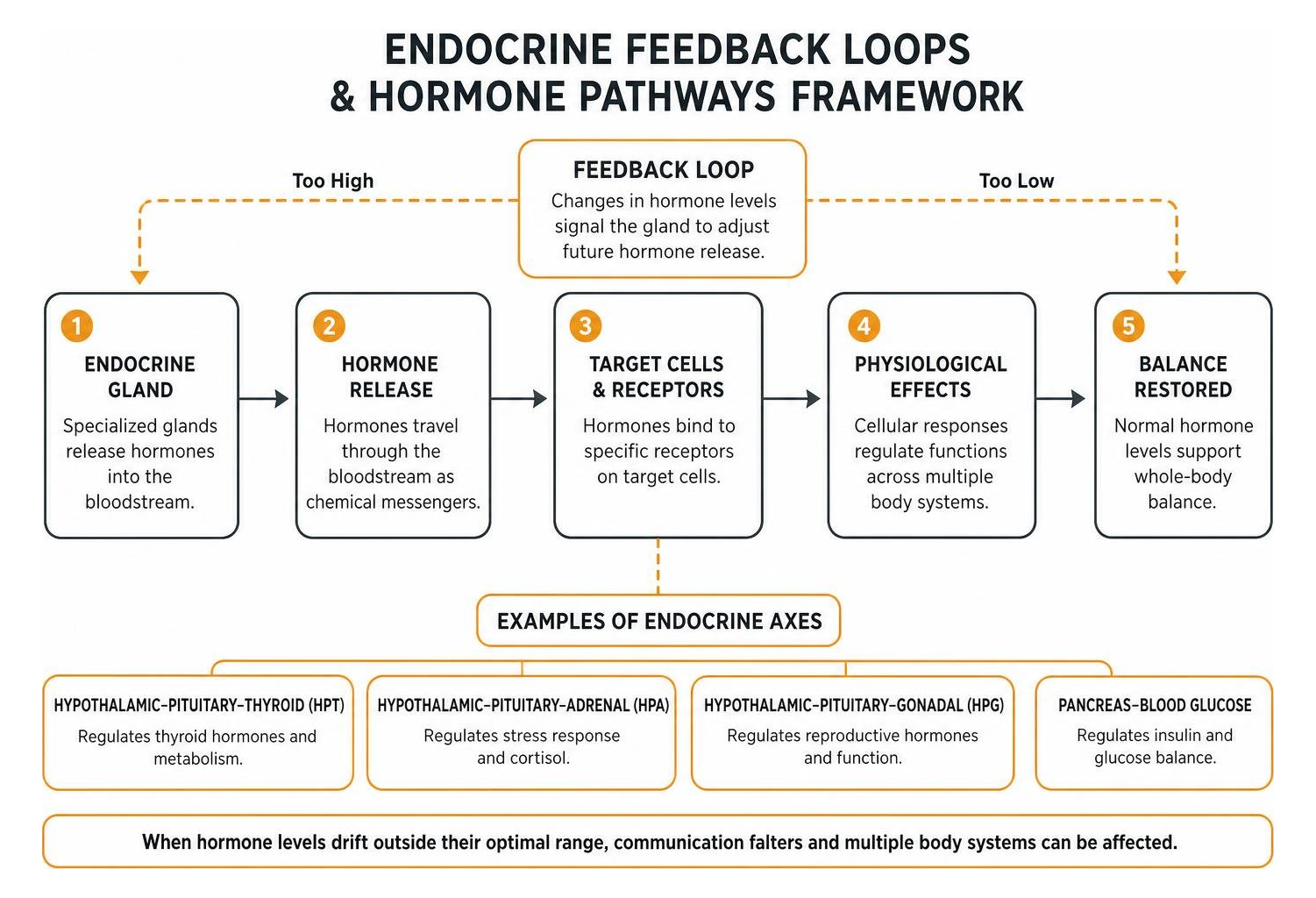
Your endocrine system consists of specialized glands—including the thyroid, adrenals, pituitary, pancreas, ovaries, and testes—that release hormones directly into your bloodstream. These chemical messengers travel to target cells, binding to specific cellular receptors to coordinate vital processes such as energy production, tissue repair, and temperature control.
When hormone levels drift outside optimal physiological ranges, cellular communication falters. Gaining a foundational grasp of understanding hormone balance basics helps demystify how subtle shifts in chemical signaling create widespread physical and emotional changes.
Recognizing Common Symptoms in Women and Men
Because hormones influence virtually every tissue, an imbalance rarely produces a single isolated symptom. Instead, disruption tends to manifest across multiple bodily systems:
- Menstrual and reproductive changes: Irregular cycles, heavy bleeding, missed periods, or intense premenstrual distress in women; changes in erectile function and sperm parameters in men.
- Energy and metabolic vitality: Unexplained persistent fatigue, daytime sluggishness, temperature sensitivities (feeling constantly cold or overheated), or unexpected weight shifts.
- Mood and cognitive function: Brain fog, memory lapses, irritability, mood swings, or heightened anxiety.
- Physical appearance and sleep: Thinning hair on the scalp, unexpected facial hair growth, persistent adult acne, skin hyperpigmentation, or frequent nighttime waking.
When you notice these bodily clues, identifying root cause symptoms allows you to address the underlying physiological drivers rather than simply masking individual discomforts.
Medical Conditions and Root Causes Behind Imbalances
Hormonal disruptions can stem from natural life transitions (such as puberty, pregnancy, perimenopause, and andropause), environmental exposures, medication side effects, or distinct clinical conditions. According to the Cleveland Clinic’s clinical overview of hormonal imbalance, specific conditions frequently account for persistent endocrine disruptions:
| Endocrine Condition | Primary Hormones Involved | Common Clinical Causes & Mechanisms |
|---|---|---|
| Polycystic Ovary Syndrome (PCOS) | Androgens, Insulin, Luteinizing Hormone | Ovarian follicular dysregulation, hyperinsulinemia, chronic low-grade inflammation |
| Hypothyroidism & Hashimoto’s | Thyroid Hormones (T3, T4), TSH | Autoimmune thyroid destruction, iodine deficiency, radiation exposure |
| Post-Radiation Hypothyroidism | Free T3, Free T4, TSH | Up to 50% of people treated for head and neck cancer with radiation therapy develop hypothyroidism |
| Surgical Hypoparathyroidism | Parathyroid Hormone (PTH), Calcium | Approximately 75% of hypoparathyroidism cases result from accidental damage during neck or thyroid surgery |
| Cushing’s Syndrome | Cortisol | Pituitary adenomas, adrenal tumors, prolonged corticosteroid use |
| Addison’s Disease | Cortisol, Aldosterone | Autoimmune destruction of adrenal cortex, chronic adrenal insufficiency |
How Imbalances Impact Weight, Mood, and Digestion
Hormonal balance serves as a physiological bridge between your metabolism, nervous system, and gastrointestinal tract. When one feedback loop experiences stress, the others frequently adapt in ways that create noticeable daily challenges.
- Weight and Metabolism: Elevated cortisol combined with insulin resistance can prompt the body to store visceral fat while impairing cellular glucose uptake. Hypothyroidism slows resting metabolic rate, making weight maintenance challenging despite consistent physical activity.
- Mood and Emotional Resilience: Neurotransmitters such as serotonin and GABA rely on balanced estrogen and progesterone signaling. Sudden drops in progesterone can heighten emotional reactivity. Implementing evidence-based strategies for managing mood fluctuations naturally provides stabilizing neurological support alongside medical care.
- Digestion and the Estrobolome: The gut microbiome houses a specialized collection of bacterial genes known as the estrobolome, which produces enzymes (such as beta-glucuronidase) that help metabolize and eliminate circulating estrogens. Supporting the microbiome hormone connection ensures proper elimination of spent hormones, preventing systemic reabsorption and uncomfortable digestive bloating.
Clinical Diagnosis and Medical Treatment Options
Accurate assessment requires professional diagnostic tools. At NuWell Health, we emphasize that virtual holistic wellness consultations complement rather than replace appropriate primary medical care, comprehensive psychiatric evaluations, specialized medication management, or emergency interventions.

Diagnostic Testing and When to See a Doctor
If you experience persistent endocrine-related symptoms, your primary care physician or endocrinologist may recommend several targeted diagnostic tests:
- Comprehensive Blood Panels: Assessing fasting glucose, fasting insulin, full lipid profiles, comprehensive metabolic panels, and targeted thyroid panels (TSH, Free T3, Free T4, Thyroid Peroxidase Antibodies).
- Sex Hormone Biomarkers: Measuring estradiol, progesterone, total and free testosterone, DHEA-S, and luteinizing hormone at specific cycle windows.
- Specialized Metabolic and Salivary Assessments: Utilizing oral glucose tolerance testing or multi-point diurnal salivary cortisol panels to map adrenal curve patterns.
- Pelvic and Glandular Imaging: Utilizing diagnostic ultrasounds to evaluate ovarian morphology (ruling in or out PCOS) or thyroid nodule characteristics.
Red-Flag Symptoms Requiring Prompt Medical Attention
Seek immediate medical evaluation if you experience:
- Sudden, severe pelvic or abdominal pain
- Rapid, unexplained weight loss or sudden extreme weight gain
- Significant visual field changes or persistent unexplained headaches
- Sudden heart palpitations, severe heat intolerance, or chest pressure
- Overwhelming feelings of hopelessness or acute mental health crises (Readers in the US can call or text 988 for immediate crisis support, or dial 911 for emergencies)
Conventional Treatments and Hormone Therapy
Conventional medical care plays an essential role in managing diagnosed endocrine disorders:
- Prescription Hormone Replacement: Bioidentical or synthetic hormone replacement therapy (HRT), oral or transdermal estrogens, micronized progesterone, or testosterone therapy prescribed to restore physiological levels.
- Thyroid Hormone Therapy: Synthetic levothyroxine (T4) or liothyronine (T3) to normalize metabolic function, which can be explored alongside supportive natural thyroid recovery pathways.
- Targeted Endocrine Medications: Metformin to enhance insulin sensitivity, anti-androgens (such as spironolactone) to manage hirsutism, or targeted medications to normalize parathyroid and adrenal hormone synthesis.
- Surgical Interventions: Excision of hormone-secreting adenomas, removal of ovarian cysts, or partial glandular resections when clinically indicated.
Evidence-Based Hormone Imbalance Support: Nutrition, Supplements, and Lifestyle
Holistic wellness choices support cellular resilience and optimize the body’s natural homeostatic functions alongside necessary conventional treatments. Combining targeted nutrition with evidence-backed natural hormone balancing strategies creates an internal environment where chemical messengers can function efficiently.

Targeted Nutrient and Botanical Hormone Imbalance Support
Micronutrients act as enzymatic cofactors for hormone synthesis, transport, and hepatic clearance. However, no supplement is universally appropriate, and targeted natural remedies should always be evaluated with a qualified healthcare professional to prevent adverse interactions.
- Vitamin D3: Operating more like a secosteroid hormone than a standard vitamin, adequate Vitamin D levels support ovarian follicular development, thyroid antibody regulation, and insulin sensitivity.
- Magnesium (Glycinate or Threonate): Serves as a critical cofactor in glucose metabolism, calms the central nervous system, and assists in hepatic estrogen detoxification.
- Selenium and Zinc: Selenium is concentrated within the thyroid gland, protecting tissue from oxidative stress during thyroid hormone conversion. Zinc aids testosterone synthesis, ovarian health, and healthy inflammatory balance.
- Vitamin B-Complex (B6 and B12): Vitamin B6 supports luteal-phase progesterone production, while B12 promotes neurological health and cellular energy. Notably, about 30 percent of people with thyroid issues need more Vitamin B12 in their diets due to reduced gastrointestinal absorption.
- Cruciferous Vegetables: Broccoli, Brussels sprouts, and cabbage contain indole-3-carbinol and diindolylmethane (DIM), which support liver pathways in metabolizing estrogens into protective metabolites. Note: Individuals with unmanaged hypothyroidism can lightly steam cruciferous vegetables to deactivate trace goitrogens.
- Evidence-Informed Botanicals: Botanical extracts such as chasteberry (Vitex agnus-castus), maca root, and black cohosh have traditional use for cycle regularity and perimenopausal mood support. At NuWell Health, we have found that while targeted botanicals can offer meaningful support, they work best when tailored to individual physiology under professional guidance rather than used as one-size-fits-all remedies.
Daily Habits and Lifestyle Hormone Imbalance Support
Daily lifestyle patterns directly shape autonomic tone and endocrine rhythms. Sustainable, non-restrictive daily habits provide steady physiological support:
- Circadian Light Alignment: Viewing natural outdoor sunlight within 30 to 60 minutes of waking sets your suprachiasmatic nucleus, stabilizing daytime cortisol output and improving evening melatonin production.
- Blood-Sugar-Focused Nutrition: Consuming adequate dietary protein (25–35 grams per meal), healthy dietary fats, and complex dietary fiber slows carbohydrate absorption, preventing sharp insulin spikes that trigger androgen surges.
- Progressive Strength Training: Engaging in moderate resistance training 2–4 times per week improves peripheral insulin sensitivity in skeletal muscle tissue without chronically elevating baseline cortisol.
- Restorative Sleep Hygiene: Obtaining 7–9 hours of uninterrupted sleep supports human growth hormone release, cellular repair, and proper leptin-ghrelin appetite regulation.
- Mindful Stress Reduction: Sustained psychological stress signals the adrenals to prioritize cortisol production. Incorporating mindful holistic lifestyle habits—such as breathwork, gentle walking, and intentional quiet time—supports restorative parasympathetic nervous system tone.
Frequently Asked Questions About Hormone Imbalance Support
How quickly can lifestyle and nutritional changes improve hormone balance?
Cellular turnover, nutrient repletion, and metabolic adaptations occur gradually. While improvements in energy and sleep quality may be noticed within 1 to 3 weeks of dietary and lifestyle adjustments, structural cycle changes and systemic hormonal stabilization generally require 8 to 12 weeks of consistent support.
Can poor gut health directly cause hormone imbalances?
Yes. The gut microbiome influences systemic inflammation, nutrient assimilation, and hormone excretion. An imbalanced estrobolome can allow deconjugated estrogens to be reabsorbed into circulation, contributing to estrogen dominance symptoms, while intestinal permeability can trigger systemic immune responses that affect thyroid function.
What is the difference between natural hormone balance support and medical hormone therapy?
Natural hormone balance support focuses on addressing lifestyle contributors—such as nutrient deficiencies, sleep disruption, gut dysbiosis, and chronic stress—to help your body optimize its own hormone production and clearance. Medical hormone therapy involves prescribing exogenous hormones (such as levothyroxine, progesterone, or estrogen) to replace or supplement what the body cannot produce on its own. These approaches work best when coordinated collaboratively.
What a NuWell Consultation Includes
At NuWell Health, our virtual, whole-person natural health support is delivered by a multidisciplinary team dedicated to helping you discover underlying root causes. We address physical health, mental well-being, lifestyle habits, and spiritual well-being together, providing compassionate care tailored to your unique journey.
Our practitioners include licensed naturopathic doctors, registered nurses, and certified health coaches who specialize in integrative hormone health, nutrition, and lifestyle medicine. You can learn more about Dr. Sarah Mitchell, ND, whose clinical focus includes thyroid health, adrenal function, and women’s hormonal wellness.
- Comprehensive Health History Review: An unhurried assessment of your symptoms, daily routines, dietary patterns, sleep architecture, and stress triggers.
- Collaborative Lab Review: Educational review of your existing conventional lab results to identify nutritional cofactors and physiological trends.
- Personalized Lifestyle Protocols: Customized roadmaps incorporating evidence-informed nutrition, stress management tools, and targeted wellness habits.
- Spiritual Well-Being Support: For clients interested in integrating their faith, we offer Christian-informed spiritual encouragement, prayer, and emotional support. Faith integration is always optional and tailored to your individual preferences.
- Care Coordination: Clear recommendations designed to work harmoniously with your primary care physician, gynecologist, endocrinologist, or mental health providers.
References
- Cleveland Clinic. Hormonal Imbalance: Causes, Symptoms & Treatment. Cleveland Clinic Health Library. Published 2022. Updated 2025. Accessed September 2026. Hormonal Imbalance Overview
- UCLA Health. 7 Signs of a Hormonal Imbalance — and What to Do About It. UCLA Health Clinical Education. Published 2023. Accessed September 2026.
- National Institute of Diabetes and Digestive and Kidney Diseases (NIDDK). Adrenal Insufficiency & Addison’s Disease. National Institutes of Health. Updated 2024.
- American Thyroid Association (ATA). Clinical Thyroidology: Dietary Factors, Micronutrients, and Thyroid Function. Endocrine Practice Guidelines. Published 2024.
- The Endocrine Society. Endocrine Disrupting Chemicals and Reproductive Health. Clinical Scientific Statement. Published 2023.
- World Health Organization (WHO). Polycystic Ovary Syndrome: Key Clinical Considerations. Global Health Observatory. Published 2024.
Conclusion
Understanding your hormone health does not require guessing or extreme protocols. By combining proper medical evaluation with intentional daily nourishment, restorative sleep, and nervous system balance, you can establish lasting physical and emotional resilience.
NuWell Health’s multidisciplinary team provides virtual, whole-person guidance designed to complement your medical care and empower your wellness journey. If you are ready to identify root contributors and build a personalized plan, explore our comprehensive hormone imbalance resources.
Ready to take the next step in your health journey? Schedule a free discovery call with our NuWell care team today to discuss your goals, learn what to expect during a holistic consultation, and discover how our collaborative virtual support can serve you.
Educational Scope Disclaimer: This article is for informational purposes only and does not provide medical diagnosis, individual treatment plans, or emergency services. Consult your licensed physician or primary healthcare provider regarding any specific medical condition, prescription adjustments, or diagnostic testing.
This article was researched with AI and heavily edited by Jordan Oliver for accuracy and relevance.
Jordan is an author, ordained minister, and online host for His Glory TV, sharing biblically grounded insights on faith, prayer, and spiritual growth. She is the co-founder of Triple-Braided Cord Co., an intercessory prayer and healing ministry inspired by Ecclesiastes 4:12.
Jordan holds a Bachelor’s degree in Communications and Religious Studies from High Point University and is a certified Spiritual Life Coach through iCoachLife in Nashville, Tennessee. Drawing from her ministry, coaching, and academic experience, she creates trustworthy, faith-based content that helps readers grow in their relationship with God. Learn more about Jordan here.