

Practical Steps to Heal Your Hormones Naturally
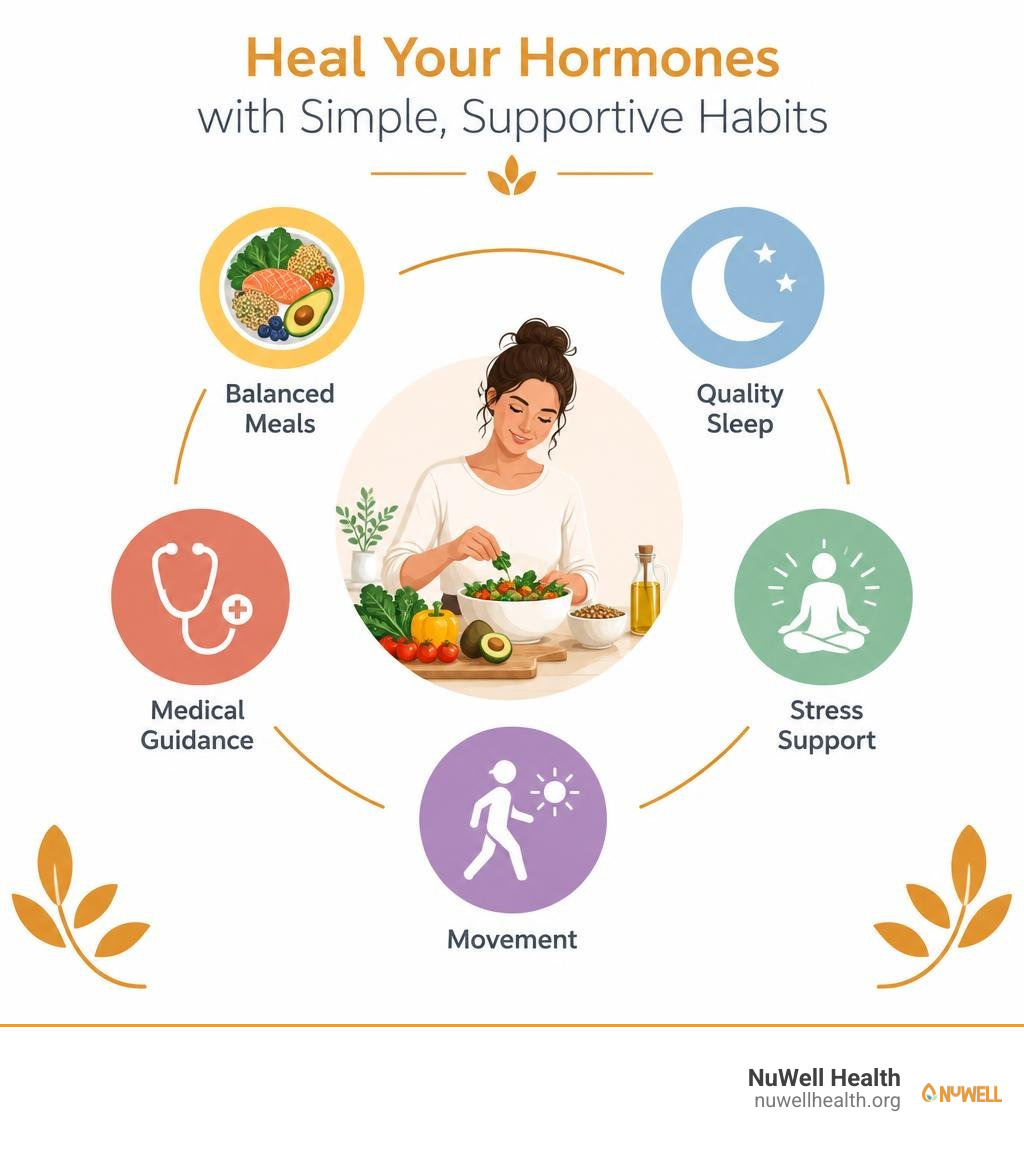
To help heal your hormones, focus on steady daily habits that support your body’s endocrine system: eat regular, balanced meals; prioritize sleep; manage ongoing stress; move your body gently and consistently; and seek medical evaluation for persistent or severe symptoms.
- Build meals around protein, fiber-rich plants, healthy fats, and minimally processed carbohydrates.
- Keep a consistent sleep and wake schedule when possible.
- Use calming practices such as prayer, quiet reflection, breathing exercises, or time outdoors.
- Choose movement you can sustain, such as walking, strength training, or stretching.
- Track symptoms and work with a qualified clinician when symptoms affect daily life.
Hormones are chemical messengers that influence energy, mood, metabolism, sleep, menstrual cycles, and more. Symptoms such as fatigue, irregular periods, mood changes, hair loss, or unexplained weight changes can have many causes. Food and lifestyle habits may help, but they do not independently treat every endocrine condition, including thyroid disease, diabetes, or reproductive-health concerns.
NuWell Health offers virtual, whole-person natural health support that considers physical health, mental well-being, lifestyle, and spiritual well-being together. These services complement, rather than replace, appropriate medical care, counseling, psychiatric care, medication management, or emergency care.
Related content about heal your hormones:
Published: September 2026
Last Reviewed: September 2026
Clinical Review Team: Dr. Sarah Jenkins, ND (Integrative & Functional Medicine), Rebecca Miller, MS, RDN, LDN (Integrative Nutrition Specialist)
Disclaimer: The educational information provided in this guide is for informational purposes only and does not constitute individual medical, psychiatric, or nutritional advice. NuWell Health’s natural wellness services complement rather than replace standard medical evaluations, prescribed medications, clinical psychiatric therapies, or emergency care. Always consult a licensed medical professional before beginning any new diet, lifestyle protocol, botanical supplement, or exercise routine.
Understanding the Root Causes of Endocrine Disruption
Your endocrine system relies on a delicate network of feedback loops. Glands such as the pituitary, thyroid, adrenals, and ovaries or testes communicate through biochemical messengers traveling through your bloodstream. When one signaling pathway experiences friction, others frequently shift in response.
Rather than viewing symptoms as isolated annoyances, holistic wellness approaches recognize them as communication from the body. Identifying the underlying signs of hormone imbalance allows us to look beyond quick fixes and address the foundational factors driving discomfort.

Chronic Stress and Cortisol Dysregulation
The hypothalamic-pituitary-adrenal (HPA) axis governs your stress response. Under persistent psychological, environmental, or physical stress, your adrenal glands produce steady surges of cortisol and catecholamines. Over time, prolonged elevation or subsequent blunting of cortisol production may affect downstream hormones, disrupting regular ovulatory cycles, decreasing progesterone production, and interfering with restful sleep.
Blood Sugar Instability
Glucose management and endocrine function are inextricably linked. When meals trigger sharp blood sugar spikes and crashes, the pancreas produces compensatory insulin surges. Elevated circulating insulin can stimulate the ovaries to produce excess androgens (often observed in polycystic ovary syndrome, or PCOS) and decrease sex hormone-binding globulin (SHBG), leaving more free testosterone circulating in tissues.
Thyroid System Variations
The thyroid gland regulates basal metabolic rate, cellular energy, and body temperature. Conditions such as hypothyroidism can slow digestion, lower energy reserves, and disrupt healthy menstrual regularity. Exploring natural approaches to hypothyroidism alongside prescribed medical treatments helps optimize peripheral conversion of thyroid hormones while maintaining essential micronutrient balance.
At NuWell Health, we have found that clients achieve more sustainable, long-term vitality when evaluating systemic patterns alongside qualified medical oversight rather than relying on short-term remedies. Practicing empowered root cause healing means looking past temporary fixes and partnering with practitioners to support your whole-person health.
Nutrition Strategies to Heal Your Hormones Naturally
Food delivers the essential chemical substrates your body requires to manufacture, transport, and eliminate hormones. A dietary strategy centered on steady blood sugar, cellular fuel, and efficient metabolic waste clearance supports biological equilibrium.
Macronutrient Foundations for Hormonal Health
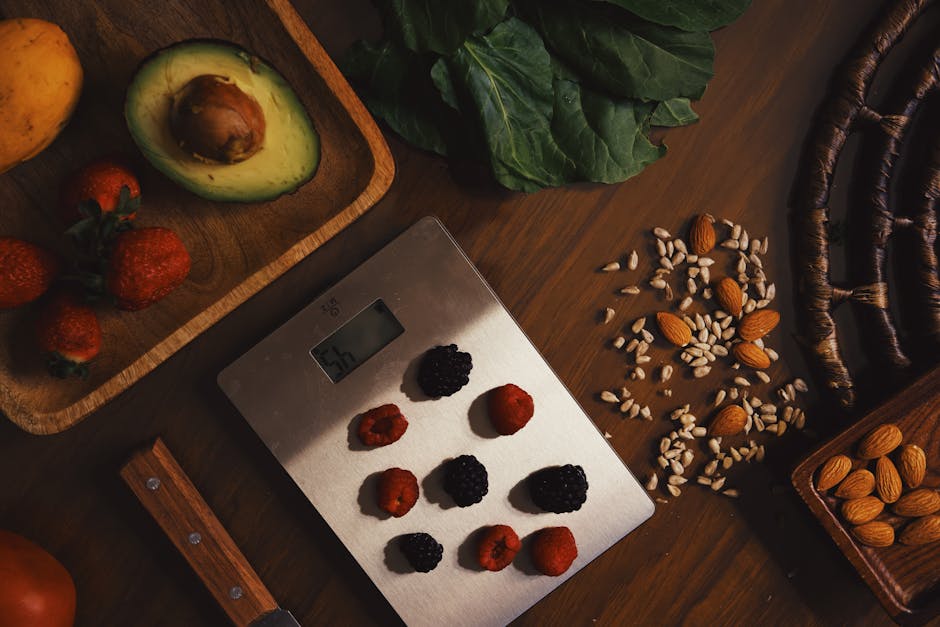
To maintain consistent endocrine signaling, each meal should provide balanced macronutrients:
- Adequate Protein: Provides amino acids needed to build peptide hormones (like insulin and growth hormone) and support liver detoxification pathways. Aim for clean sources such as wild-caught fish, organic poultry, pasture-raised eggs, legumes, and seeds.
- Essential Healthy Fats: Steroid hormones—including estrogen, progesterone, testosterone, and cortisol—are synthesized from cholesterol and dietary lipids. Healthy fats such as extra virgin olive oil, avocados, wild seafood, walnuts, and flaxseeds support cell membrane fluidity and hormone reception.
- Complex Carbohydrates: Fiber-dense carbohydrates (such as sweet potatoes, squash, quinoa, and berries) supply the adrenal glands with steady glucose, minimizing the stress hormone spikes caused by severe carbohydrate restriction.
- Dietary Fiber: Soluble and insoluble fibers bind excess metabolized estrogens in the digestive tract, facilitating their safe excretion via bowel movements and preventing recirculation.
Understanding these foundational hormone balance basics helps demystify how daily food choices influence internal biochemical pathways.
Key Dietary Principles to Heal Your Hormones
The connection between digestive health and systemic hormones has gained significant scientific support. The gut microbiome contains a specialized collection of bacteria, known as the estrobolome, which produces enzymes (such as beta-glucuronidase) that help regulate circulating estrogen levels.
Nutritional literature, including works such as Lauren Chambers’ Hormone Healthy Eats (published in early 2026), highlights how anti-inflammatory, whole-food dietary principles can support systemic equilibrium. While specialized approaches like seed cycling—consuming flax and pumpkin seeds during the follicular phase, followed by sesame and sunflower seeds during the luteal phase—provide beneficial micronutrients such as zinc, selenium, and lignans, current scientific research views them as supportive dietary additions rather than standalone therapeutic solutions.
When your system feels unresponsive despite your best lifestyle efforts, exploring why your body feels unresponsive can help uncover underlying issues such as hidden gastrointestinal inflammation, sluggish liver clearance, or environmental sensitivities.
Adapting Hormone-Healthy Meals for Plant-Based and Gluten-Free Diets
Balanced nutrition should be adaptable to your personal ethical preferences, digestive tolerances, and cultural backgrounds.
| Dietary Approach | Potential Nutritional Considerations | Strategic Whole-Food Solutions |
|---|---|---|
| Plant-Based / Vegan | Ensuring complete amino acid profiles; maintaining optimal Vitamin B12, Iron, Zinc, and Omega-3 (DHA/EPA) levels. | Combine lentils, organic tempeh, hemp seeds, and quinoa; supplement with algae-derived omega-3s and methylated B-complex as advised. |
| Gluten-Free | Avoiding highly processed refined starch substitutes that trigger rapid glucose surges. | Focus on naturally gluten-free complex starches: sweet potatoes, wild rice, buckwheat, spaghetti squash, and root vegetables. |
| Vegetarian | Meeting bioavailable protein goals without relying excessively on dairy or unfermented soy. | Integrate pasture-raised eggs, organic sprouted legumes, pumpkin seeds, and fermented organic tempeh into daily meals. |
Restorative Lifestyle Practices for Endocrine Balance
Nutrition provides the raw materials for hormonal health, but your nervous system dictates how those materials are used. Living in chronic fight-or-flight signaling diverts physiological resources away from digestion, repair, and reproductive vitality toward immediate survival pathways.

Cultivating Mindful Habits and Nervous System Regulation
Your nervous system needs intentional cues of safety to maintain balanced endocrine output:
- Circadian Rhythm Alignment: Exposing your eyes to natural sunlight within 30 to 60 minutes of waking sets your suprachiasmatic nucleus (the master internal clock), suppressing melatonin and anchoring cortisol rhythms for healthy daytime focus.
- Spiritual Anchoring & Meditation: For clients seeking faith-integrated care, Christian prayer, contemplative Scripture meditation, and quiet reflection cultivate internal stillness, dampening sympathetic nervous system overdrive.
- Somatic Calming & Gentle Movement: Chronic high-intensity exercise can elevate cortisol if recovery is inadequate. Balanced movement—such as daily walking, light resistance training, and gentle stretching—enhances insulin sensitivity without overstressing the adrenals. If emotional fluctuations disrupt your everyday life, exploring natural support for mood swings provides practical ways to steady your emotional rhythms.
- Environmental Mindfulness: Endocrine-disrupting chemicals (EDCs) found in synthetic fragrances, plastics, and conventional personal care items can mimic endogenous hormones. Opting for simple, natural alternatives helps reduce total toxic load.
Taking time to evaluate everyday lifestyle patterns is part of prioritizing roots over remedies, ensuring that your self-care practices support long-term physical, mental, and spiritual resilience.
Sleep Optimization and Stress Resilience
Quality sleep is the primary window for endocrine tissue restoration. Growth hormone surges during deep, slow-wave sleep, while the liver neutralizes metabolic byproducts.
To improve sleep architecture:
- Establish a digital sunset by turning off blue-light-emitting screens 60 to 90 minutes before bed.
- Maintain a cool, dark sleeping environment (around 65°F to 68°F or 18°C to 20°C).
- Avoid heavy meals and stimulating beverages within three hours of bedtime.
- Set healthy boundaries around work communications to protect your evening rest.
When to Seek Professional Guidance and Virtual Holistic Support
While lifestyle adjustments provide a solid foundation for endocrine well-being, they have clear boundaries. Natural wellness habits are designed to support your body’s innate systems, not replace medical interventions for acute or complex medical diagnoses.
Red Flag Symptoms Requiring Prompt Medical Attention
Please consult a primary care physician, gynecologist, or endocrinologist if you experience:
- Sudden, unexplained, and severe weight loss or weight gain.
- Persistent pelvic pain, severe dysmenorrhea, or debilitating abdominal cramping.
- Heavy menstrual bleeding (soaking through a pad or tampon every hour for several consecutive hours).
- Sudden vision changes, persistent severe headaches, or heat/cold intolerance.
- Marked hair thinning accompanied by significant heart palpitations or tremors.
Note: If you are experiencing a mental health crisis or thoughts of self-harm, please reach out immediately for support. In the US, you can call or text 988 to access the Suicide & Crisis Lifeline, or call 911 for emergency assistance. NuWell Health does not provide emergency medical or crisis services.
What a NuWell Virtual Health Consultation Includes
NuWell Health provides virtual natural health support delivered by a multidisciplinary team. We look at physical symptoms, nutritional balance, daily lifestyle, and spiritual well-being together.
During an initial virtual consultation, our practitioners:
- Listen to your comprehensive health history, lifestyle patterns, and personal wellness goals.
- Review existing routine lab results and collaborate alongside your established medical doctors.
- Design an individualized, sustainable health plan incorporating targeted whole-food nutrition, sleep optimization, and restorative nervous system practices.
- Offer Christian-based spiritual encouragement and prayer when desired by the client.
NuWell’s services complement rather than replace appropriate medical care, clinical counseling, psychiatric care, medication management, or emergency services.
Frequently Asked Questions About Hormone Restoration
How long does it take to see results when changing my diet?
Biological adaptation takes time. Erythrocytes (red blood cells) turn over roughly every 120 days, and ovarian follicles develop over a 90-day cycle before ovulation. While improvements in digestive comfort, steady energy, and sleep quality may appear within 2 to 4 weeks of stabilizing blood sugar, observable changes in cycle regularity or systemic hormonal patterns typically require 3 to 6 months of consistent lifestyle habits.
Can holistic lifestyle changes help manage conditions like PMS, PCOS, and menopause?
Yes, evidence-informed lifestyle interventions can offer meaningful support. For PCOS, improving insulin sensitivity through balanced meals and movement often supports regular ovulation. For PMS and perimenopause, reducing inflammation, supporting liver clearance of estrogen, and managing cortisol can ease breast tenderness, night sweats, and mood changes. However, these natural strategies work best alongside medical oversight and routine diagnostic monitoring.
Do herbal remedies and supplements effectively balance hormones?
Targeted botanicals and nutraceuticals—such as adaptogens (ashwagandha, rhodiola), chasteberry (vitex), magnesium glycinate, or active B-vitamins—can support physiological pathways when used appropriately. However, natural remedies carry risks of drug interactions, contraindications, and varying quality. They should never be applied as universal cures. We recommend consulting a licensed practitioner before introducing new herbal supplements to ensure safety and proper fit for your individual physiology.
References
- Stute, P., et al. (2020). Lifestyle interventions in the management of polycystic ovary syndrome: A systematic review and meta-analysis. Endocrine Connections, 9(11), R231–R244.
- Baker, F. C., & Driver, H. S. (2007). Circadian rhythms, sleep, and the menstrual cycle. Sleep Medicine, 8(6), 613–622.
- Ervin, R. B. (2021). Prevalence of Metabolic Syndrome Among Adults: United States, 2017–2020. National Health Statistics Reports, CDC.
- Clarke, G., et al. (2014). Minireview: Gut microbiota: the neglected endocrine organ. Molecular Endocrinology, 28(8), 1221–1238.
- American College of Obstetricians and Gynecologists (ACOG). (2022). Clinical Guidance: Management of Abnormal Uterine Bleeding. ACOG Practice Bulletin No. 128.
- Lauren Chambers. (2026). Hormone Healthy Eats: 100+ Nutrient-Dense Recipes and Practical Wisdom to Balance Your Hormones. Little, Brown and Company. Hachette Book Group Reference
Conclusion: Empowering Your Journey to Long-Term Vitality
Restoring hormonal balance is not about rapid detoxes or rigid dietary rules. It is a mindful, steady journey of nourishing your body with balanced meals, honoring natural circadian rhythms, and cultivating emotional and spiritual peace. By combining modern health insights with compassionate self-care, you build sustainable resilience across mind, body, and spirit.
For a deeper look into restorative lifestyle practices, explore our ultimate guide to balancing hormones naturally.
If you are ready for personalized, compassionate natural wellness guidance, we invite you to connect with us. Schedule a free virtual discovery call with our NuWell care team today. During this initial conversation, we will discuss your health goals, explain our multidisciplinary approach, and help you determine whether our virtual natural health support fits your wellness journey.
This article was researched with AI and heavily edited by Jordan Oliver for accuracy and relevance.
Jordan is an author, ordained minister, and online host for His Glory TV, sharing biblically grounded insights on faith, prayer, and spiritual growth. She is the co-founder of Triple-Braided Cord Co., an intercessory prayer and healing ministry inspired by Ecclesiastes 4:12.
Jordan holds a Bachelor’s degree in Communications and Religious Studies from High Point University and is a certified Spiritual Life Coach through iCoachLife in Nashville, Tennessee. Drawing from her ministry, coaching, and academic experience, she creates trustworthy, faith-based content that helps readers grow in their relationship with God. Learn more about Jordan here.