
Introduction
A gentle heavy metal detox supports the body’s natural elimination of everyday heavy metal exposure through dietary fiber, adequate hydration, and nutrient-dense foods that assist the liver, kidneys, and digestive tract. Rather than using harsh, fast-acting regimens that can cause significant physical stress, this food-first and lifestyle-oriented approach works steadily with the body’s innate detoxification systems—primarily the liver, kidneys, gastrointestinal tract, skin, and lymphatic system—to reduce the added demands placed by prolonged low-level environmental contact.
At NuWell Health, our virtual multidisciplinary team—which includes integrative health practitioners, clinical nutrition specialists, and lifestyle educators—approaches detoxification through a whole-person lens. Rooted in Christian stewardship of the body, we emphasize caring for physical health, mental resilience, and spiritual well-being without relying on extreme protocols.
Published: September 15, 2026 | Last Reviewed: September 18, 2026 Practitioner Review: Sarah Mitchell, MS, CNS, Integrative Clinical Nutritionist; David Okafor, ND, Naturopathic Practitioner Practitioner Review Scope: Integrative Health & Clinical Nutrition
Educational Disclaimer: This article is designed solely for informational and educational purposes. It does not provide medical diagnosis, treatment, or clinical management. NuWell Health’s virtual, whole-person natural health support is designed to complement, never replace, conventional medical care, psychiatric treatment, prescribed medication management, or emergency services.
Understanding Heavy Metal Burden: Sources, Symptoms, and Testing
Common Environmental Exposures and Health Impacts
Heavy metals are naturally occurring elements that humans can encounter through everyday environmental and dietary pathways. The four metals of greatest public health concern due to their potential toxicity are lead, mercury, cadmium, and arsenic.
- Lead: Historical use in residential paints, older plumbing systems, contaminated household dust, and certain imported ceramics or cosmetics remain primary routes of contact. Lead accumulates primarily in bone tissue and can affect neurological and cardiovascular function.
- Mercury: Common exposures stem from the consumption of large predatory fish (such as swordfish, king mackerel, and certain types of tuna) and older dental materials. When considering oral health factors, evaluating dental amalgams and your overall toxic load with a biological dentist can help identify potential oral sources of elemental mercury vapor.
- Cadmium: Found in tobacco smoke, industrial emissions, and certain consumer products, cadmium concentrates primarily in human renal and vascular tissues.
- Arsenic: Ingestion occurs largely through drinking water from unverified private wells and certain dietary staples. Human-centered nutritional strategies focus on practical culinary steps, such as thoroughly rinsing grains, cooking with abundant filtered water, and diversifying food choices to minimize dietary accumulation.
At elevated levels, these metals interfere with cellular function by promoting oxidative stress, depleting intracellular antioxidants (particularly glutathione), and binding to functional protein groups, which inhibits critical enzymes.
At NuWell Health, we have found that clients exploring heavy metal concerns frequently report vague, non-specific symptoms such as brain fog, chronic fatigue, mild joint discomfort, digestive irregularities, and low mood. Because these manifestations overlap with thyroid imbalances, chronic infections, autoimmune conditions, and primary mood disorders, exploring heavy metals from a root-cause perspective requires comprehensive, individualized evaluation rather than self-directed assumptions.
Evaluating Your Toxic Load: Clinical and Functional Testing
Determining whether heavy metals contribute to personal health challenges requires validated testing. Symptoms alone cannot confirm metal toxicity, and unverified testing protocols can lead to unnecessary distress or improper interventions.
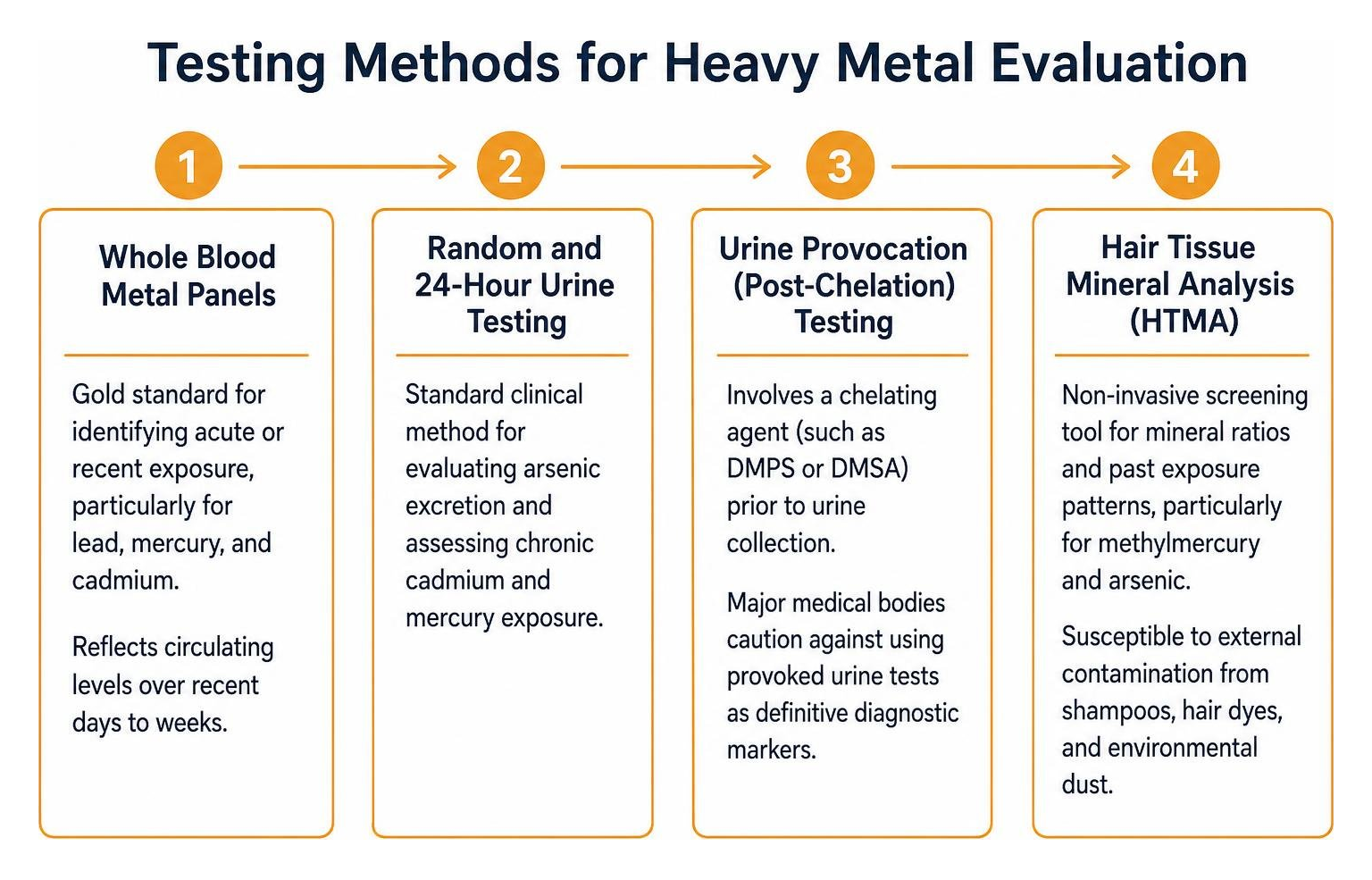
- Whole Blood Metal Panels: The gold standard for identifying acute or recent exposure, particularly for lead, mercury, and cadmium. Blood tests reflect circulating levels over recent days to weeks.
- Random and 24-Hour Urine Testing: The standard clinical method for evaluating arsenic excretion and assessing chronic cadmium and mercury exposure.
- Urine Provocation (Post-Chelation) Testing: Involves administering a chemical chelating agent (such as DMPS or DMSA) prior to collecting urine. Major medical bodies, including the American College of Medical Toxicology, caution against using provoked urine tests as definitive diagnostic markers because chelation artificially forces metal excretion in all individuals, often resulting in non-standardized reference spikes.
- Hair Tissue Mineral Analysis (HTMA): While helpful as a non-invasive screening tool for mineral ratios and past exposure patterns (particularly for methylmercury and arsenic), hair testing is susceptible to external contamination from shampoos, hair dyes, and environmental dust.
If you suspect elevated toxic exposure, collaborating with a licensed healthcare provider ensures the proper diagnostic panels are selected and interpreted within your overall clinical context.
What Is a Gentle Heavy Metal Detox and How Does It Work?
Detoxification protocols generally fall into two broad categories: aggressive pharmaceutical chelation and gentle, supportive lifestyle interventions. Understanding the distinction is vital for personal safety and long-term vitality.
| Feature | Gentle Heavy Metal Detox | Aggressive Pharmaceutical Chelation |
|---|---|---|
| Primary Goal | Support innate organ pathways (liver, kidneys, gut, skin) | Force rapid binding and excretion of metals from tissues |
| Primary Agents | Whole foods, dietary fiber, hydration, targeted nutrients | Prescription chelators (e.g., EDTA, DMSA, DMPS) |
| Speed of Mobilization | Slow, physiological, and continuous | Rapid, acute cellular mobilization |
| Nutrient Depletion Risk | Low; often replenishes essential minerals | High; strips vital minerals like zinc, copper, and calcium |
| Redistribution Risk | Minimal; relies on steady physiological elimination | Moderate to high if mobilization exceeds excretory capacity |
| Clinical Application | General wellness, baseline exposure support | Clinically diagnosed, acute, or severe heavy metal poisoning |
Aggressive chelation is a necessary, life-saving medical procedure for acute, high-level poisoning. However, when applied inappropriately for mild or unconfirmed burdens, chemical chelators can strip essential trace minerals and overwhelm renal clearance pathways. In some cases, liberated metals can redistribute into sensitive areas, such as neurological tissue. Clinical insights into heavy metal chelation mechanisms emphasize that chelating agents carry distinct pharmacodynamics requiring strict medical oversight.
Conversely, a gentle heavy metal detox focuses on physiological support. By nourishing Phase II liver conjugation pathways, maintaining gastrointestinal transit times to prevent enterohepatic recirculation, and providing mild dietary binding agents, the body processes endogenous and exogenous waste without triggering acute mobilization distress. Adopting these empowered root-cause healing principles helps you build sustainable health habits rather than relying on short-term detox products.
Core Nutritional Protocols and Home Implementation
Key Foods and Herbs in a Gentle Heavy Metal Detox Protocol
Nutritional therapy provides the biochemical building blocks necessary for human cellular defense, antioxidant generation, and natural clearance.

- Broken-Cell Wall Chlorella: A freshwater green alga rich in chlorophyll, vitamins, and minerals. Evidence suggests chlorella cell walls can bind small amounts of heavy metals within the digestive lumen, reducing their intestinal absorption.
- Spirulina: A blue-green microalga rich in phycocyanin and antioxidants. Studies indicate spirulina supports cellular defense mechanisms against oxidative stress induced by environmental toxins.
- Fresh Cilantro (Coriandrum sativum): Traditional herbal frameworks use cilantro leaves to support natural excretion pathways. Cilantro contains polyphenols that aid cellular antioxidant status.
- Allium Vegetables (Garlic, Onions, Leeks): Rich in sulfur-containing compounds (such as allicin), these vegetables supply the raw substrates required for the synthesis of glutathione—the body’s master endogenous antioxidant and phase II conjugating molecule.
- Wild Blueberries and Polyphenol-Rich Berries: Anthocyanins in deeply pigmented berries scavenge reactive oxygen species (ROS) and support endothelial health.
- Pectin-Rich Fruits and Soluble Fiber: Apples, citrus peels, pears, and flaxseeds provide soluble fibers and modified citrus pectins that gently bind waste products in the digestive tract, encouraging their regular transit.
At NuWell Health, we have found that nourishing the human gastrointestinal barrier and liver with whole foods rather than aggressive synthetic supplements produces the most sustainable, comfortable wellness outcomes. When optimizing dietary patterns, reviewing evidence-informed dietary guidelines for heavy metal detoxification helps ensure your meals remain balanced, anti-inflammatory, and rich in essential micronutrients. Additionally, because the digestive barrier is the first line of defense against recirculating environmental compounds, focusing on gut lining repair during natural detoxification ensures gut mucosal integrity remains intact.
Step-by-Step Guide to Safe Gentle Heavy Metal Detox at Home
A home-based, food-focused protocol should be introduced in steady, progressive phases to support comfort and natural elimination.
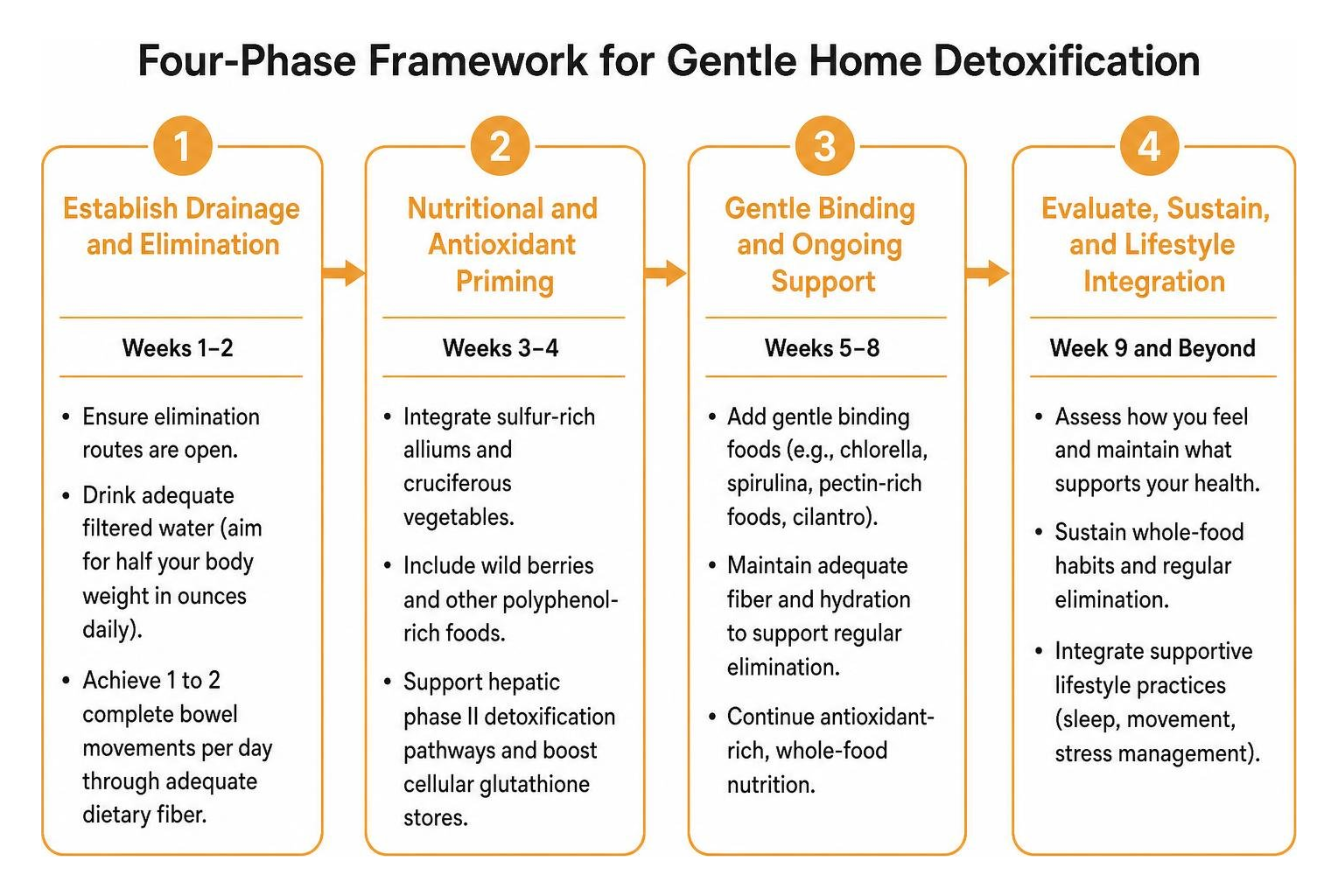
Phase 1: Establish Drainage and Elimination (Weeks 1–2)
Before introducing binding foods or targeted herbs, ensure elimination routes are open. Focus on drinking adequate filtered water (aiming for half your body weight in ounces daily) and achieving 1 to 2 complete bowel movements per day through adequate dietary fiber intake.
Phase 2: Nutritional and Antioxidant Priming (Weeks 3–4)
Integrate sulfur-rich alliums, cruciferous vegetables (broccoli sprouts, Brussels sprouts), and wild berries into your regular meals. This primes your hepatic phase II detoxification pathways and boosts cellular glutathione stores.
Phase 3: Introduce Gentle Food-Based Binders (Weeks 5–8)
Gradually add moderate servings of broken-cell chlorella or spirulina powder into smoothies or meals, starting with low amounts (e.g., 1 gram daily) and increasing slowly. Incorporate fresh cilantro into salads and warm dishes.
Phase 4: Maintenance and Cellular Support (Weeks 9–12)
Evaluate your physical response. Continue focusing on nutrient density, organic produce where feasible, pure filtered drinking water, and balanced mineral replenishment (including adequate dietary zinc, magnesium, and selenium).
Safety Note: If you experience worsening headaches, skin flare-ups, severe fatigue, or digestive distress, pause the protocol, increase pure water intake, and consult your primary care provider.
Supporting Drainage Pathways and Whole-Person Health
Optimizing Kidney, Liver, and Lymphatic Elimination
Detoxification is not simply about mobilizing cellular waste; it relies fundamentally on efficient excretion through our primary elimination organs.

- Kidney Filtration: The kidneys continuously filter metabolic waste from the bloodstream. Adequate daily hydration, balanced electrolyte intake, and targeted herbal teas (such as dandelion leaf or nettle) support renal perfusion. For an in-depth review of renal safety, explore safe kidney detox strategies alongside clinical insights on herbal kidney support considerations.
- Liver Conjugation and Bile Flow: The liver processes fat-soluble compounds into water-soluble metabolites via Phase I and Phase II pathways. Adequate intake of choline (found in pasture-raised eggs), taurine, and glycine supports bile formation, ensuring conjugated toxins are delivered safely to the bowel for elimination.
- Lymphatic and Cutaneous Clearance: The lymphatic system relies on skeletal muscle contraction to transport fluid. Gentle daily movement (such as walking or rebounding), dry brushing toward the heart, and mild infrared sauna sessions or warm Epsom salt baths promote microcirculation and cutaneous clearance via sweat.
Nervous System Regulation and Spiritual Well-Being
The physiological mechanisms of digestion, cellular repair, and toxin elimination are governed by the parasympathetic branch of the autonomic nervous system—often called the “rest, digest, and heal” state. Chronic emotional distress and autonomic hyperarousal restrict peripheral blood flow and downregulate digestive secretions, impairing natural drainage.
At NuWell Health, we integrate spiritual grounding and stress management as essential elements of whole-person care. Rooted in a Christian understanding of wellness, we view the physical body as a temple to be stewarded with grace, humility, and patience. Incorporating daily prayer, Scripture meditation, intentional breathwork, and time in nature helps calm the sympathetic nervous system, facilitating healthy vagal tone and tissue recovery. Embracing the vital link between spiritual health and daily well-being fosters internal peace and emotional stability.
When Professional Support or Medical Care Is Needed
While gentle, food-first lifestyle measures are safe for most healthy adults, certain clinical circumstances require immediate conventional medical attention rather than natural supportive measures.
Seek prompt medical care or consult a medical toxicologist if you experience:
- Known or suspected sudden, high-level exposure to industrial chemicals, molten metals, or concentrated pesticides.
- Rapidly progressive neurological symptoms, including muscle tremors, loss of coordination, severe memory deficits, sudden peripheral numbness, or slurred speech.
- Severe, unremitting abdominal cramping, persistent vomiting, or visible blood in the stool or urine.
- Unexplained shortness of breath or sudden chest tightness.
Special Populations Requiring Medical Supervision:
- Pregnancy and Breastfeeding: Mobilizing toxins during pregnancy or lactation carries a significant risk of transmitting compounds across the placenta or through breast milk to the developing child. Detoxification protocols should be postponed during these stages; focus exclusively on clean nutrition and baseline hydration.
- Pediatric Populations: Children are uniquely vulnerable to environmental toxins due to their developing nervous systems and higher intake-to-body-weight ratios. Any suspected heavy metal exposure in a child requires evaluation by a board-certified pediatrician.
- Individuals with Pre-Existing Kidney or Liver Disease: Compromised clearance organs can lead to secondary complications if elimination pathways are taxed.
NuWell Health’s virtual, whole-person natural health support is intentionally designed to complement, rather than replace, appropriate medical evaluation, prescription therapies, or acute clinical intervention.
What a NuWell Consultation Includes
Navigating environmental health, dietary modifications, and lifestyle changes can feel overwhelming when done in isolation. At NuWell Health, our virtual whole-person natural health support connects you with a compassionate, multidisciplinary team dedicated to understanding your health narrative. You can also learn more about the practitioners on our team through our practitioner profiles.
During a virtual consultation, our practitioners:
- Review Your Complete Health History: We explore past and present environmental exposures, dietary habits, gastrointestinal function, sleep quality, and daily stress levels.
- Assess Lifestyle and Drainage Capacity: We evaluate whether your natural elimination routes—digestive regularity, hydration, and movement—are adequately supported.
- Address Whole-Person Dimensions: We consider physical, emotional, and spiritual well-being together, providing grounded, faith-informed encouragement when desired.
- Deliver an Individualized Education Plan: We design clear, step-by-step self-care strategies focusing on nutrient-dense foods, gentle lifestyle practices, and home environment cleanups.
- Coordinate Care: We actively collaborate with your primary care physician, specialists, or mental health professionals to ensure all recommendations align with your medical care.
Our goal is not to offer extreme cleanses or unverified promises, but to empower you with the clarity and resources needed to support your vitality naturally.
Frequently Asked Questions About Heavy Metal Cleansing
How long does a natural heavy metal cleanse take to show results?
Because a gentle heavy metal detox relies on physiological processes rather than rapid chemical mobilization, shifts occur gradually. Most supportive protocols span 8 to 12 weeks. During this period, individuals often notice improvements in sustained daily energy, clearer digestion, and enhanced mental clarity. However, physical sensations vary from person to person, and symptom changes alone do not provide direct confirmation of metal elimination.
Can I safely perform a heavy metal cleanse at home?
Yes, provided the home protocol remains focused on wholesome, unprocessed foods, mild dietary binders (like chlorella and cilantro), adequate hydration, and lifestyle support. Home regimens should never incorporate prescription chelating agents, unverified industrial chemicals, or extreme fasting without direct supervision from a qualified medical professional.
Who should avoid or modify a heavy metal detox protocol?
Pregnant women, nursing mothers, young children, and individuals diagnosed with chronic kidney disease, active hepatitis, or advanced cardiovascular conditions should avoid active detoxification protocols. For these groups, management should focus strictly on foundational nutrition, safe hydration, and direct medical oversight from licensed specialists.
References
- Healthline Editorial Team. (2023). Heavy metal detox diet: Symptoms and recommended foods. Healthline Media. https://www.healthline.com/health/heavy-metal-detox
- American College of Medical Toxicology. (2013). Post-chelator challenge or provocation urine testing. Journal of Medical Toxicology, 9(4), 418–420.
- Merchant, R. E., & Andre, C. A. (2001). A review of recent clinical trials of the nutritional supplement Chlorella pyrenoidosa in the treatment of certain chronic diseases. Alternative Therapies in Health and Medicine, 7(3), 79–91.
- World Health Organization. (2021). Exposure to heavy metals: An overview of public health concerns. WHO Guidelines Approved by the Guidelines Review Committee.
Conclusion: Lighten Your Burden Naturally
Caring for your body in our modern world does not require extreme measures or aggressive chemical regimens. By understanding your environmental exposures, prioritizing whole-food nutrition, supporting natural drainage channels, and nurturing your spiritual peace, you can lighten your physiological burden sustainably and safely.
To learn more about how collaborative natural health models work, take time to explore the meaning of natural medicine and who practices it.
If you are seeking personalized, compassionate guidance to support your health journey, we invite you to take the next step. Schedule a free discovery call with our NuWell care team today to learn how our virtual, whole-person natural health support can complement your wellness goals.
This article was researched with AI and heavily edited by Jordan Oliver for accuracy and relevance.
Jordan is an author, ordained minister, and online host for His Glory TV, sharing biblically grounded insights on faith, prayer, and spiritual growth. She is the co-founder of Triple-Braided Cord Co., an intercessory prayer and healing ministry inspired by Ecclesiastes 4:12.
Jordan holds a Bachelor’s degree in Communications and Religious Studies from High Point University and is a certified Spiritual Life Coach through iCoachLife in Nashville, Tennessee. Drawing from her ministry, coaching, and academic experience, she creates trustworthy, faith-based content that helps readers grow in their relationship with God. Learn more about Jordan here.