
When “Natural” Doesn’t Mean Safe: The Truth About Kidney Natural Supplements
Kidney natural supplements are widely marketed as gentle, plant-based ways to support kidney function — but for people with chronic kidney disease (CKD), the reality is far more complicated.
Here is a quick overview of what the evidence actually shows:
| Question | Short Answer |
|---|---|
| Can supplements cure kidney disease? | No. No supplement can reverse kidney damage. |
| Are herbal supplements FDA-regulated? | No. They are treated as food products, not medicines. |
| Can they harm your kidneys? | Yes — especially if kidney function is already reduced. |
| Are any supplements safe for CKD? | Some vitamins are safe under medical supervision only. |
| What is the safest approach? | Diet, hydration, and working with your healthcare team. |
Many people assume that if something comes from a plant, it must be safe. That assumption can be genuinely dangerous when your kidneys are not working at full capacity.
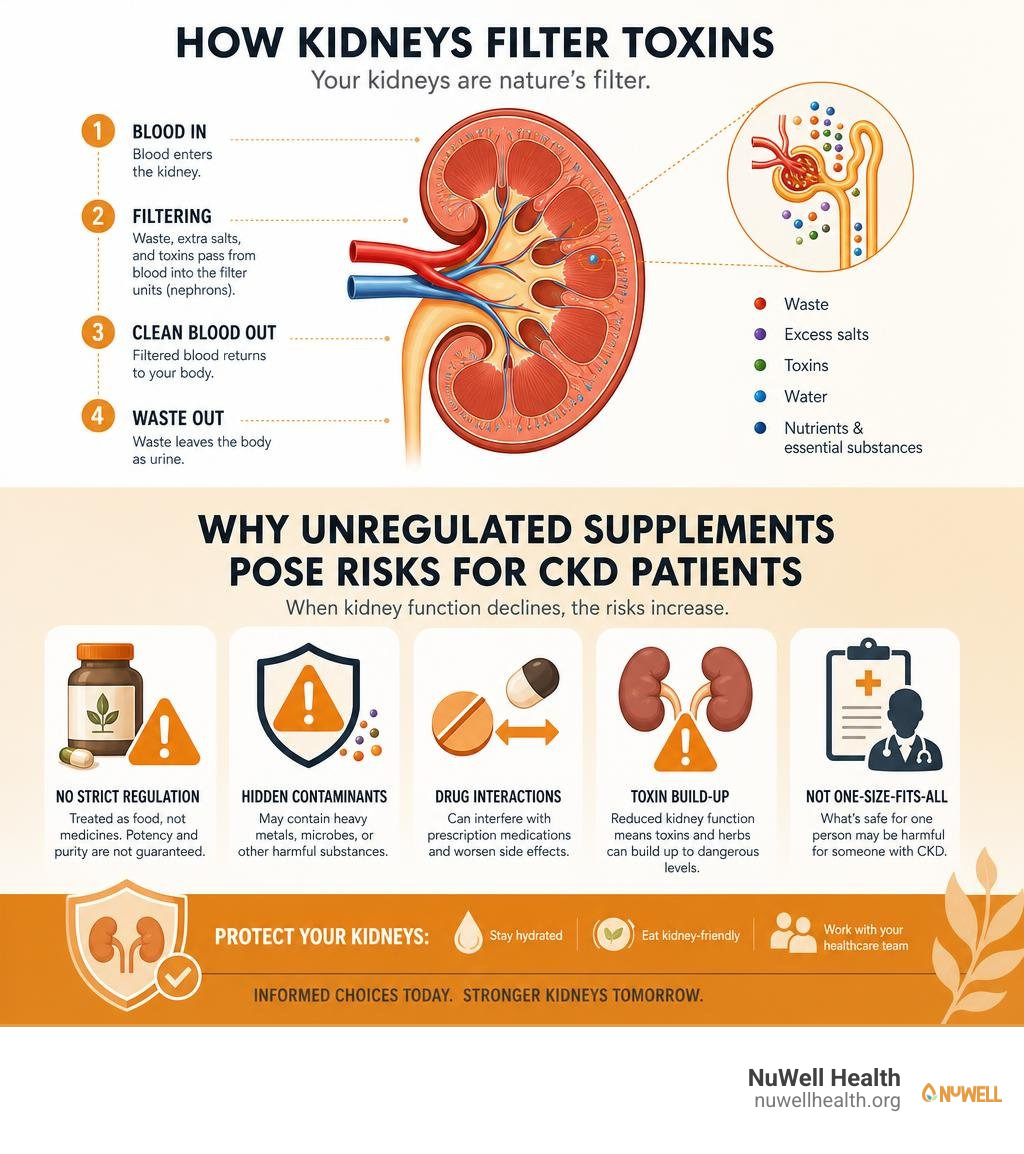
Here is why: healthy kidneys filter out excess substances — including herbal compounds — from your blood. When kidney function declines, those substances can build up to harmful levels. Add in hidden ingredients, unlisted contaminants like heavy metals, and dangerous interactions with prescription medications, and the risk picture becomes very serious.
At NuWell Health, we have found that many of our clients are surprised to learn that a supplement that works perfectly well for a healthy friend can be toxic for someone with compromised kidney function.
This guide breaks down what the research actually says — which supplements to avoid, which nutrients may genuinely help, and how to make informed choices without putting your kidneys at greater risk.
Key kidney natural supplements vocabulary:
The Hidden Risks of Kidney Natural Supplements in CKD
When you are diagnosed with chronic kidney disease, your approach to wellness must shift. Because the kidneys act as your body’s primary filtration system, anything you swallow eventually makes its way to these bean-shaped powerhouses. While a healthy body can easily process and discard excess botanical compounds, compromised kidneys struggle to do the same.

Unregulated Supplements vs. Registered Medicines
To understand why kidney natural supplements carry hidden dangers, we have to look at how they are governed. In the United States, dietary supplements are not regulated by the Food and Drug Administration (FDA) in the same rigorous manner as prescription medications.
While prescription drugs must undergo years of clinical trials to prove they are safe and effective before they ever reach a pharmacy shelf, herbal supplements are treated essentially as food products. This means:
- No Pre-Market Approval: Manufacturers do not have to prove to the FDA that a supplement is safe or that it actually works before selling it.
- Inconsistent Dosing: The actual amount of the active ingredient can vary wildly from bottle to bottle, or even pill to pill.
- Purity Concerns: Some herbal supplements have been found to contain undisclosed ingredients, prescription drugs, or toxic contaminants.
Among the most alarming purity issues is contamination with heavy metals like lead, mercury, or arsenic. When these metals accumulate in the body, they cause direct, irreversible damage to the delicate nephrons (filtering units) of your kidneys. If you are interested in how environmental toxins impact your overall health, you can read more about toxin accumulation in our guide on Heavy Metals Root Removal: Is Your Smile Toxic?.
Furthermore, some traditional remedies have been found to contain aristolochic acid, a botanical ingredient known to cause severe kidney damage and cancer. Although banned in many countries, it still occasionally slips into unregulated products. Understanding these regulatory gaps is essential for anyone looking to evaluate Herbal Food Supplement Benefits and Safety objectively. For official details on how these products are monitored, you can review the FDA dietary supplement regulations.
Why Kidney Natural Supplements Can Cause Substance Buildup
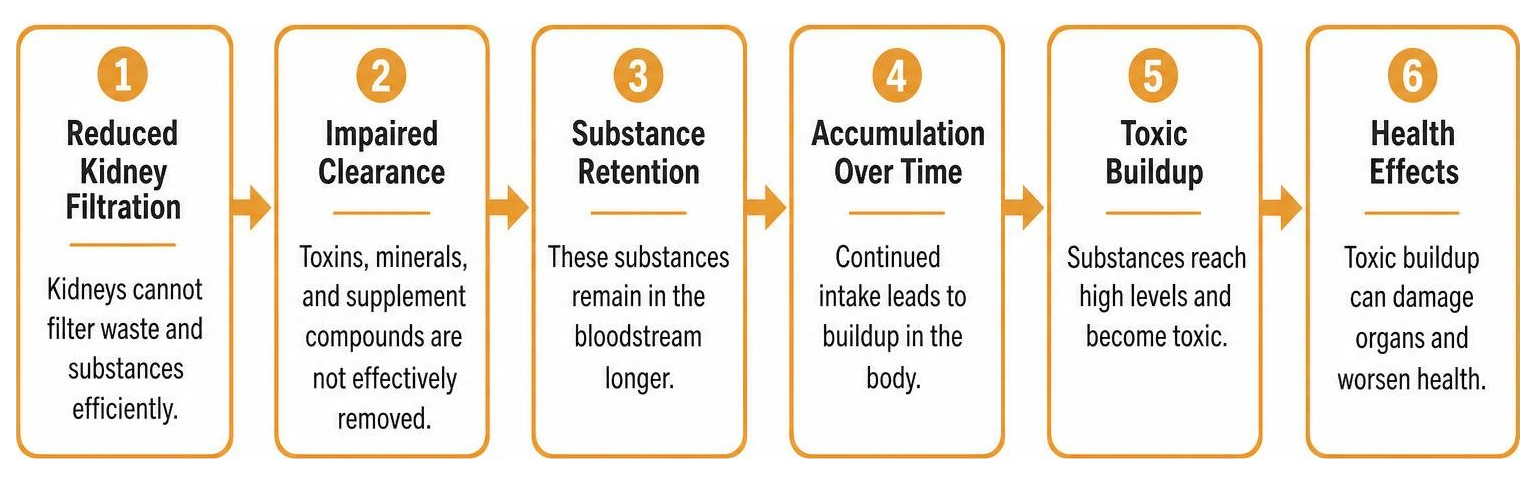
Your kidneys are responsible for balancing fluids, managing electrolytes, and clearing out metabolic waste. As kidney function declines, this active filtration system slows down. When you consume high doses of vitamins, minerals, or herbal extracts, your body cannot clear them efficiently.
Instead of being flushed out in your urine, these substances begin to build up in your bloodstream, eventually reaching toxic concentrations. This buildup doesn’t just impact your blood chemistry; it can also disrupt your digestive system.
At NuWell Health, we frequently observe how systemic toxic accumulation from poor kidney clearance triggers digestive issues like nausea, loss of appetite, and acid reflux. This is a classic example of the gut-kidney axis in action, which we explore thoroughly in our article on The Gut-Kidney Connection: Why Kidney Disease Causes Digestive Issues.
Herbal Supplements to Avoid and Dangerous Drug Interactions
If you are living with kidney disease or have received a kidney transplant, certain herbs should be strictly off-limits. The stakes are incredibly high: the wrong herbal ingredient can interact with your medications, cause acute kidney injury, or even trigger transplant organ rejection.
High-Risk Herbs and the Myth of the “Kidney Detox”
You have likely seen flashy advertisements for “kidney detoxes” or “kidney cleanses” that promise to flush out toxins and restore your renal vitality.
Let us be completely clear: there is no scientific evidence that kidney detox products work, and they can be actively harmful. Your kidneys are your body’s natural detox system. Introducing a complex blend of concentrated herbs places an unnecessary, dangerous filtration workload on already stressed organs.
At NuWell Health, we have worked with many clients who fell for the marketing of ‘kidney cleanses,’ only to experience sudden spikes in their creatinine levels. Our experience shows that avoiding these complex herbal mixtures is one of the most critical steps in preserving remaining kidney function.
According to the National Kidney Foundation on herbal supplements, several specific herbs carry a high overall safety risk and should be avoided by anyone with CKD:
- Aristolochic Acid: Found in certain wild herbs; directly toxic to kidneys.
- Licorice Root: Can cause dangerous fluid retention, raise blood pressure, and severely disrupt potassium levels.
- Nettle and Astragalus: Can interfere with kidney clearance and alter how your body processes fluids.
- Yohimbe: Known to cause dangerous spikes in blood pressure and heart rate.
- Combination Products and “Proprietary Blends”: Avoid these at all costs. Manufacturers use the term “proprietary blend” to hide the exact amounts of individual ingredients, making it impossible to know exactly what you are putting into your body.
For transplant recipients, the dangers are even more acute. Herbal supplements can interact critically with immunosuppressant medications like tacrolimus or cyclosporine. For instance, herbs like St. John’s Wort can lower the levels of these vital drugs in your blood, directly risking organ rejection. Conversely, other supplements can raise drug levels to toxic heights, damaging your new kidney.
Hidden Potassium and Phosphorus in Kidney Natural Supplements
Two of the most critical electrolytes that kidneys regulate are potassium and phosphorus. When kidneys are compromised, these minerals can build up in the blood, leading to severe cardiovascular complications (from high potassium) or bone mineral disorders (from high phosphorus).
Many popular kidney natural supplements, “electrolyte support” powders, and “superfood green powders” are hidden sources of these exact minerals.
- High-Potassium Herbs: Alfalfa, dandelion root, noni juice, and nettle are naturally packed with potassium. If you are on a potassium-restricted diet, taking these can trigger dangerous heart arrhythmias.
- High-Phosphorus Herbs: Many herbal blends use phosphorus-containing additives as binders or naturally contain high levels of this mineral, which can trigger your body to pull calcium out of your bones, leaving them weak and fragile.
Always read supplement labels meticulously. If a product boasts “electrolyte support” or contains a long list of concentrated green vegetables and grasses, it is highly likely to be unsafe for someone with advanced CKD.
Safe Vitamins, Minerals, and Teas for Kidney Support
While many herbal products are dangerous, targeted nutritional support is often a necessary part of managing chronic kidney disease. Because CKD fundamentally changes how your body processes nutrients, specific deficiencies are common.
Essential Nutrients for Chronic Kidney Disease
Under the careful guidance of your healthcare team, certain vitamins and minerals can help manage the complications of CKD:
- B Vitamins (B6, B12, and Folic Acid): These water-soluble vitamins are crucial for red blood cell production. Because CKD often leads to a drop in erythropoietin (the hormone that tells your body to make red blood cells), B vitamins are vital to help prevent renal anemia.
- Iron: Many people with CKD develop iron-deficiency anemia because the disease raises levels of a hormone called hepcidin, which blocks the absorption and utilization of stored iron. Your doctor may recommend oral iron or IV iron infusions.
- Vitamin D: Healthy kidneys convert vitamin D from food or sunlight into its active, usable form. Because CKD impairs this conversion, patients often require active, prescription-strength vitamin D supplements to protect their bones.
- Omega-3 Fatty Acids: Research shows that omega-3s can support cardiovascular health and reduce inflammation. A study of over 6,000 individuals with kidney disease revealed that those with higher levels of omega-3 fatty acids were significantly less likely to experience worsening kidney function over time.
At NuWell Health, we have observed that when clients switch from high-dose synthetic vitamins to a carefully monitored regimen of active Vitamin D and high-quality Omega-3s, they report feeling more energetic and balanced without placing extra stress on their kidneys.
However, even beneficial vitamins have strict limits. Take Vitamin C, for example. While it is a powerful antioxidant, taking doses over 500 mg per day can cause a dangerous buildup of oxalate. This oxalate can crystallize in your kidneys, forming painful kidney stones and causing further renal decline. For pre-dialysis or transplant patients, the recommended daily maximum for Vitamin C is often as low as 60 mg.
Additionally, you should avoid over-the-counter supplements containing Vitamins A, E, and K. These fat-soluble vitamins build up easily in the tissues of kidney patients and can quickly reach toxic levels. For a structured look at integrating natural wellness safely, refer to our Step-by-Step Guide to Natural Remedies.
Safe Herbal Teas and Natural Alternatives
If you enjoy warm, comforting beverages, you might wonder if herbal teas are safe. For individuals with CKD (pre-transplant), mild packaged herbal teas like chamomile, ginger, or green tea are generally safe when limited to a maximum of two cups per day.
However, there are important exceptions:
- Avoid Liquorice Tea: It can raise blood pressure and disrupt potassium levels.
- Post-Transplant Warning: If you have had a kidney transplant, you must avoid herbal teas like green tea, chamomile, dandelion, and peppermint entirely. They can alter the metabolism of your immunosuppressant medications, creating a toxic environment for your transplant.
If you are looking for natural ways to soothe your body without consuming risky herbs, external therapies can be an excellent alternative. For instance, using external herbal compresses can provide comfort without placing a metabolic filtration burden on your kidneys. You can learn more about these external methods in our guide to The Best Herbal Compresses and Teas to Soothe Irritated Skin.
Frequently Asked Questions About Kidney Supplements
Can herbal supplements cure or reverse chronic kidney disease?
No. There is currently no herbal supplement, vitamin, or natural remedy that has been clinically proven to cure or reverse chronic kidney disease. Once nephrons are damaged and scarred, they cannot be restored.
The most effective, evidence-based way to manage CKD and prevent it from worsening is to focus on root-cause lifestyle modifications, such as keeping your blood pressure under tight control, managing blood sugar levels, eating a kidney-friendly diet, and staying active.
What should I ask my healthcare team before starting a new supplement?
Before you take any new pill, powder, or tea, schedule a conversation with your nephrologist or a registered renal dietitian. Here are four essential questions to ask:
- Is this supplement safe for me based on my specific stage of kidney disease?
- Will this interact with any of my current prescription or over-the-counter medications?
- Does this product contain hidden potassium, phosphorus, or sodium?
- Will I need extra blood tests or monitoring if I start taking this?
Tip: Always bring the actual supplement bottle (or a clear photo of the ingredient label) to your appointment so your care team can review the exact formulation.
Are there safe natural ways to support kidney health without pills?
Absolutely. The safest and most powerful “natural remedies” do not come in a bottle. You can support your kidney function naturally by:
- Adopting a Mediterranean Diet: This plant-forward dietary pattern is naturally low in sodium, moderate in high-quality protein, and rich in anti-inflammatory antioxidants that protect your blood vessels and kidney nephrons.
- Staying Properly Hydrated: Drinking clean, pure water helps your kidneys flush out waste products efficiently. (Note: If you have advanced CKD or are on dialysis, consult your doctor regarding your specific fluid limits).
- Managing Blood Sugar: High blood sugar is a leading cause of kidney damage. Supporting healthy glucose levels naturally is one of the best ways to shield your kidneys. For practical lifestyle and dietary tips on managing these levels, read our guide on Herbal Blood Sugar Support: Can You Actually Ditch the Sugar Cravings?.
Conclusion
When it comes to your kidneys, the old adage “less is more” could not be truer. While the wellness industry often promotes a pill for every ailment, true healing comes from addressing root causes through a balanced, mindful lifestyle.
At NuWell Health, we have found that the most sustainable path to vitality involves honoring the body as a beautifully designed temple. When we support our physical health through God-given whole foods, clean hydration, and intentional lifestyle choices, we reduce the need for synthetic or highly concentrated supplements that can strain our organs.
If you do require targeted nutritional support, always prioritize quality. Look for products that have been independently tested by third-party organizations like the U.S. Pharmacopeia (USP), National Sanitation Foundation (NSF), or ConsumerLabs to ensure they are free from heavy metals and harmful contaminants.
We encourage you to take an active, empowered role in your wellness journey. By working closely with your healthcare team and focusing on foundational root-cause healing, you can protect your kidneys and thrive naturally.
To learn more about taking control of your wellness journey, explore our guide to Empowered Root Cause Healing or visit our NuWell Health Pillar Page for comprehensive holistic health resources.
This article was researched with AI and heavily edited by Jordan Oliver for accuracy and relevance.
Jordan is an author, ordained minister, and online host for His Glory TV, sharing biblically grounded insights on faith, prayer, and spiritual growth. She is the co-founder of Triple-Braided Cord Co., an intercessory prayer and healing ministry inspired by Ecclesiastes 4:12.
Jordan holds a Bachelor’s degree in Communications and Religious Studies from High Point University and is a certified Spiritual Life Coach through iCoachLife in Nashville, Tennessee. Drawing from her ministry, coaching, and academic experience, she creates trustworthy, faith-based content that helps readers grow in their relationship with God. Learn more about Jordan here.