
Why the Herbal Food Supplement Is Reclaiming Its Place in Modern Wellness
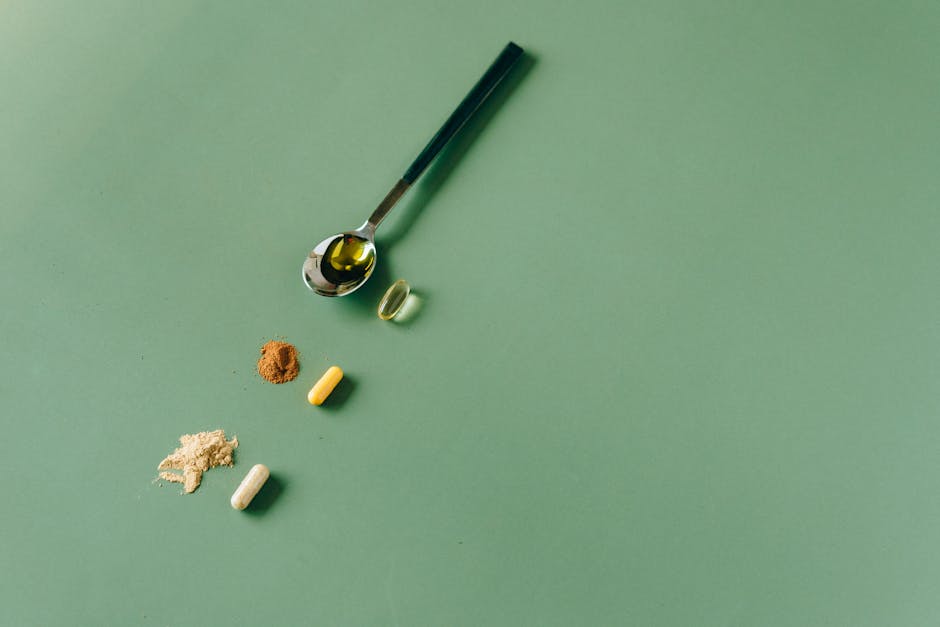
An herbal food supplement is a product you take by mouth — as a capsule, liquid, powder, or gummy — that contains one or more plants or botanical extracts intended to support your health. Unlike synthetic vitamins or isolated minerals, herbal supplements deliver complex compounds from whole plants, often with a long history of traditional use.
Quick answer: What are the most common herbal food supplements and what are they used for?
| Herb | Primary Use | Key Compound |
|---|---|---|
| Turmeric | Joint and immune support | Curcumin |
| Ashwagandha | Stress relief and energy | Withanolides |
| Elderberry | Immune defense | Anthocyanins |
| Echinacea | Cold and flu support | Alkylamides |
| Berberine | Blood sugar and heart health | Berberine alkaloid |
| Reishi Mushroom | Immune and cellular health | Beta-glucans |
| Rhodiola | Fatigue and resilience | Rosavins |
These are among the top-selling herbal products on the market today, with some options carrying tens of thousands of customer reviews and strong consumer satisfaction ratings.
Millions of people are turning to plant-based remedies — not as a trend, but out of genuine frustration with synthetic drugs and their side effects. If you’ve dealt with recurring symptoms that conventional medicine only masks, you’re not alone.
At NuWell Health, we have found that many of our clients come to us after years of chasing symptom relief, looking for something that actually addresses the root cause. In our clinical experience, we have seen that integrating an herbal food supplement into a holistic plan often provides the breakthrough our clients have been searching for.
But here’s the thing: not all herbal products are created equal. Regulation is limited, label accuracy varies, and the science behind specific herbs ranges from well-established to barely studied. Knowing what to look for — and what to watch out for — makes all the difference.
This guide walks you through everything you need to know: what herbal supplements are, which ones have real evidence behind them, how to stay safe, and how to choose products you can actually trust.
In our clinical work at NuWell Health, we frequently see patients struggling with chronic inflammation, fatigue, brain fog, and poor sleep who have tried multiple prescription medications with limited or temporary results. Many come to us seeking safer, more sustainable solutions. When we guide them through personalized herbal and food supplement protocols — combined with dietary changes and lifestyle adjustments — we consistently observe meaningful improvements in energy, mental clarity, reduced pain, and overall vitality, often within 6 to 12 weeks.
Understanding the Herbal Food Supplement: Definition and Differences
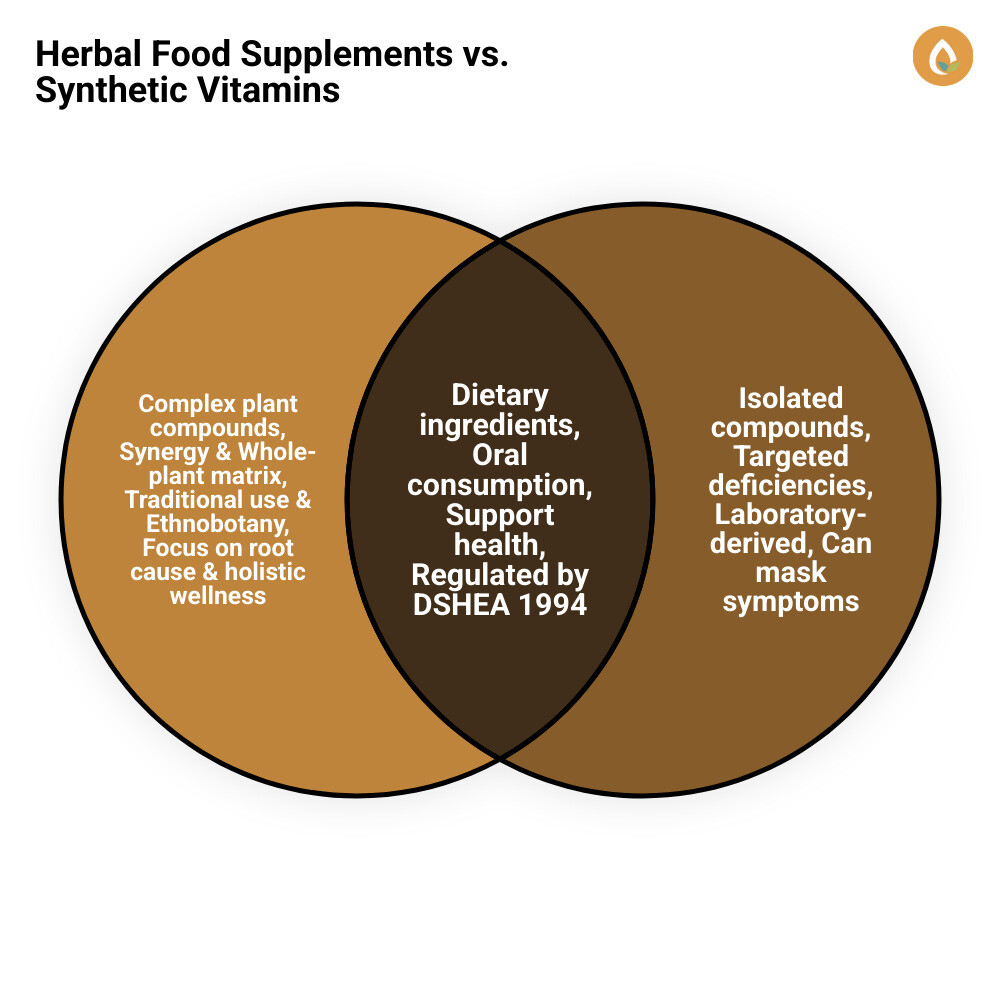
When we talk about an herbal food supplement, we are referring to a specific category under the broader umbrella of dietary supplements. According to federal law and the Dietary Supplement Health and Education Act (DSHEA) of 1994, these products are taken by mouth and contain “dietary ingredients.” While vitamins and minerals are the most famous members of this family, herbal supplements focus specifically on botanicals—plants or parts of plants used for their flavor, scent, or therapeutic properties.
In the United States, the Dietary and Herbal Supplements | NCCIH – NIH resources clarify that these products are not reviewed by the FDA for safety or effectiveness before they hit the shelves. This is a crucial distinction from prescription drugs. Instead, the responsibility falls on the manufacturer to ensure their product is safe and that their claims are backed by some level of evidence.
At NuWell Health, we believe that understanding ‘plant secondary metabolites’—the complex compounds that our experience shows are essential for supporting human physiological resilience—is key. When we consume these phytochemicals, they interact with our own biology in ways that simple synthetic chemicals often cannot replicate.
How Herbs Differ from Vitamins and Minerals
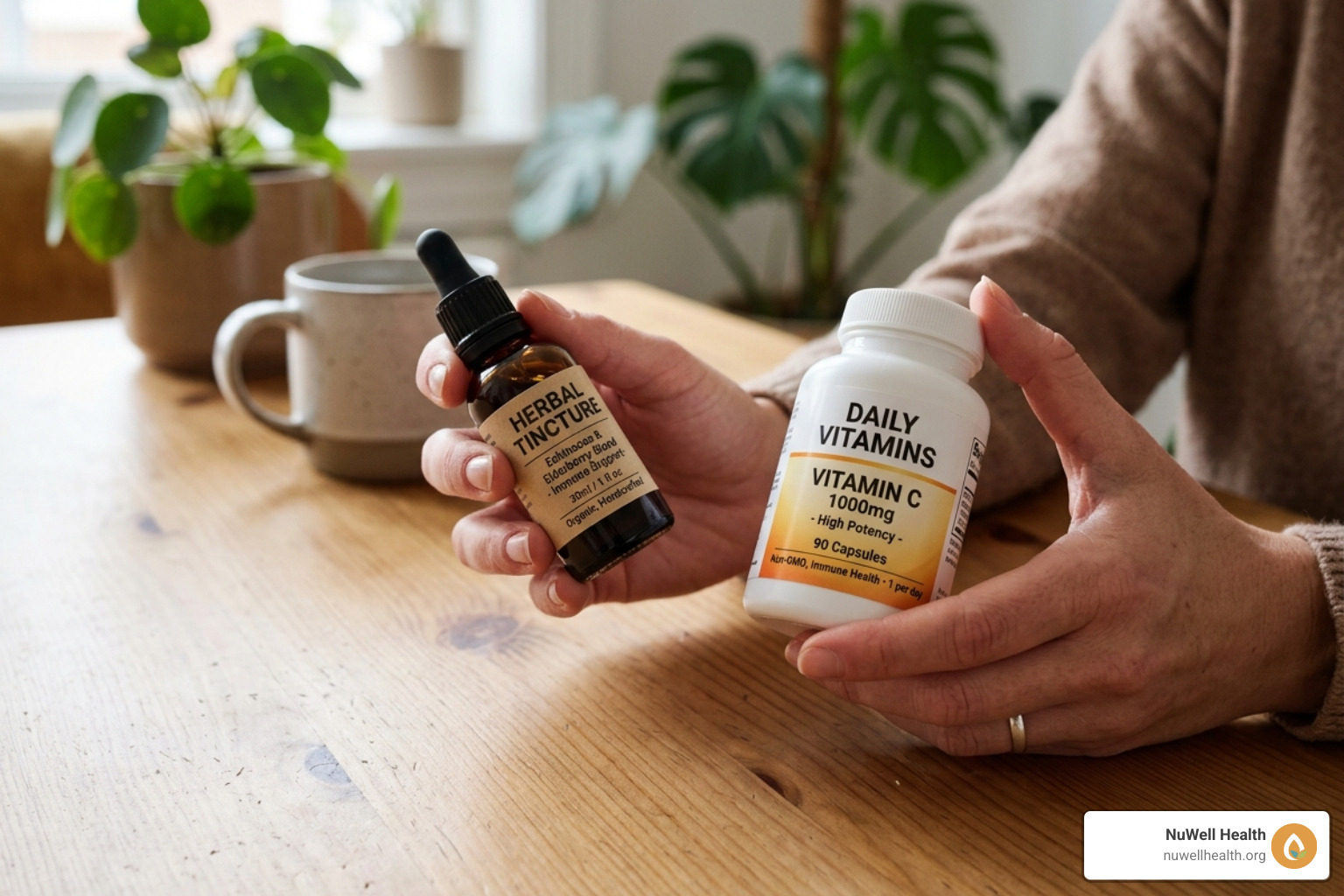
A common question we hear is: “If I’m taking a multivitamin, why do I need an herbal food supplement?” The difference lies in the “whole-plant matrix.” A vitamin C tablet is usually just ascorbic acid, often synthesized in a lab. An herbal extract, like Acerola cherry or Rosehips, contains vitamin C plus hundreds of other co-factors, bioflavonoids, and enzymes that help your body recognize and use the nutrient more effectively.
This is what we call synergy. In nature, compounds rarely exist in isolation. At NuWell Health, we view the body as an interconnected system rather than a collection of parts. Our Beginner’s Guide to Lifestyle Medicine emphasizes that nutrition should be as close to its natural state as possible to maximize bioavailability—the ease with which your body absorbs and uses a substance.
Traditional Use vs. Modern Clinical Evidence
For thousands of years, ethnobotany—the study of how people of particular cultures and regions make use of indigenous plants—was the primary “clinical trial” for medicine. Today, we are bridging the gap between that ancient wisdom and modern science.
While traditional use gives us a starting point, modern consumers often look for standardized extracts. This means the manufacturer ensures a specific amount of a therapeutic compound (like 95% curcuminoids in turmeric) is present in every dose. At NuWell Health, we have found that a balance is best: respecting the traditional “supertonic” approach while using evidence-based practices to ensure safety and potency.
Popular Herbal Supplements and Their Science-Backed Benefits
The market for herbal remedies is vast, but a few “superstar” herbs consistently dominate the rankings. For instance, products like Nature’s Way Sambucus Elderberry Gummies have garnered over 111,000 ratings with a 4.7-star average, showing just how much people rely on these for daily wellness.
| Herb | Scientific Support | NuWell Perspective |
|---|---|---|
| Turmeric | Over 15,000 studies on curcumin | Essential for systemic inflammation |
| Ashwagandha | Proven to lower cortisol levels | Foundational for modern stress management |
| Elderberry | High in anthocyanins for viral defense | Best used proactively during seasonal shifts |
| Berberine | Comparable to some metabolic drugs | A powerful tool for blood sugar balance |
In our experience supporting whole-person healing, we’ve observed at NuWell Health that clients who use high-quality, targeted supplements alongside proper nutrition and stress management experience the most sustainable results. What often starts as frustration with ongoing symptoms gradually shifts into better daily function, improved mood, and greater confidence in their body’s ability to heal. Many patients report not only feeling better physically, but also gaining a renewed sense of stewardship over their health as temples of the Holy Spirit.
Adaptogens for Stress and Cellular Vitality
In April 2026, the word “adaptogen” is everywhere. These are a unique class of herbs that help your body “adapt” to stress. They don’t push you in one direction; rather, they help balance your systems.
- Reishi Mushroom: Often called the “mushroom of immortality,” it supports the immune system and promotes a sense of calm.
- Rhodiola: Known for enhancing mental performance and reducing fatigue under stress.
These herbs work at the cellular level, supporting mitochondrial health and cellular resilience. This is vital because modern life exposes us to “aging accelerators” like chronic stress and environmental toxins.
Immune Support and Metabolic Health
Immune health is more than just fighting off a cold; it’s about a balanced microbiome and efficient cellular communication. Herbs like Echinacea have been the subject of over 300 scientific studies, proving their ability to modulate the immune response.
On the metabolic side, Berberine has emerged as a powerhouse. Derived from plants like barberry and goldenseal, it helps support healthy cholesterol and insulin sensitivity. At NuWell Health, we often incorporate these botanicals into broader Weight Management strategies, as they help resolve the root metabolic imbalances that make losing weight so difficult for many.
Safety, Regulations, and Potential Risks
While the phrase “all-natural” sounds comforting, it doesn’t automatically mean “safe.” Because the FDA does not pre-approve herbal supplements, the burden of safety is on the consumer and the provider. Some products have been found to contain unlisted ingredients, including prescription drugs or heavy metals.
This is why we insist on products from cGMP (current Good Manufacturing Practices) facilities. These facilities are regularly inspected to ensure that what is on the label is actually in the bottle. The Herbal Supplements: Why To Check With a Healthcare Provider First advice is something we echo daily.
Navigating Herbal Food Supplement Interactions and Side Effects
The most significant risk with any herbal food supplement is how it interacts with other things you are taking. Herbs can inhibit or speed up the enzymes in your liver that process medications.
- Blood Thinners: Herbs like Ginkgo biloba or high doses of Garlic can increase the risk of bleeding if taken with medications like warfarin.
- St. John’s Wort: This herb is notorious for interacting with a wide range of drugs, including birth control and antidepressants.
At NuWell Health, we also look closely at Allergies and Food Sensitivity. Some people may have a sensitivity to specific plant families (like the ragweed family, which includes chamomile and echinacea), leading to digestive upset or skin rashes.
Considerations for Special Populations
Safety is even more critical for certain groups:
- Pregnancy and Nursing: Many herbs, such as Goldenseal or high doses of Vitamin A-rich botanicals, can be dangerous for a developing baby. Always avoid use unless specifically cleared by a provider.
- Pediatric Safety: Children’s bodies process compounds differently. Stick to formulas specifically designed for kids.
- The Elderly: Seniors are more likely to be on multiple medications, making the risk of a “drug-herb interaction” much higher.
How to Choose High-Quality Herbal Products
With so many options on sites like iHerb or Amazon, how do you choose? At NuWell Health, we have found that the “cheapest” option is often the most expensive in the long run because it lacks potency or contains fillers.
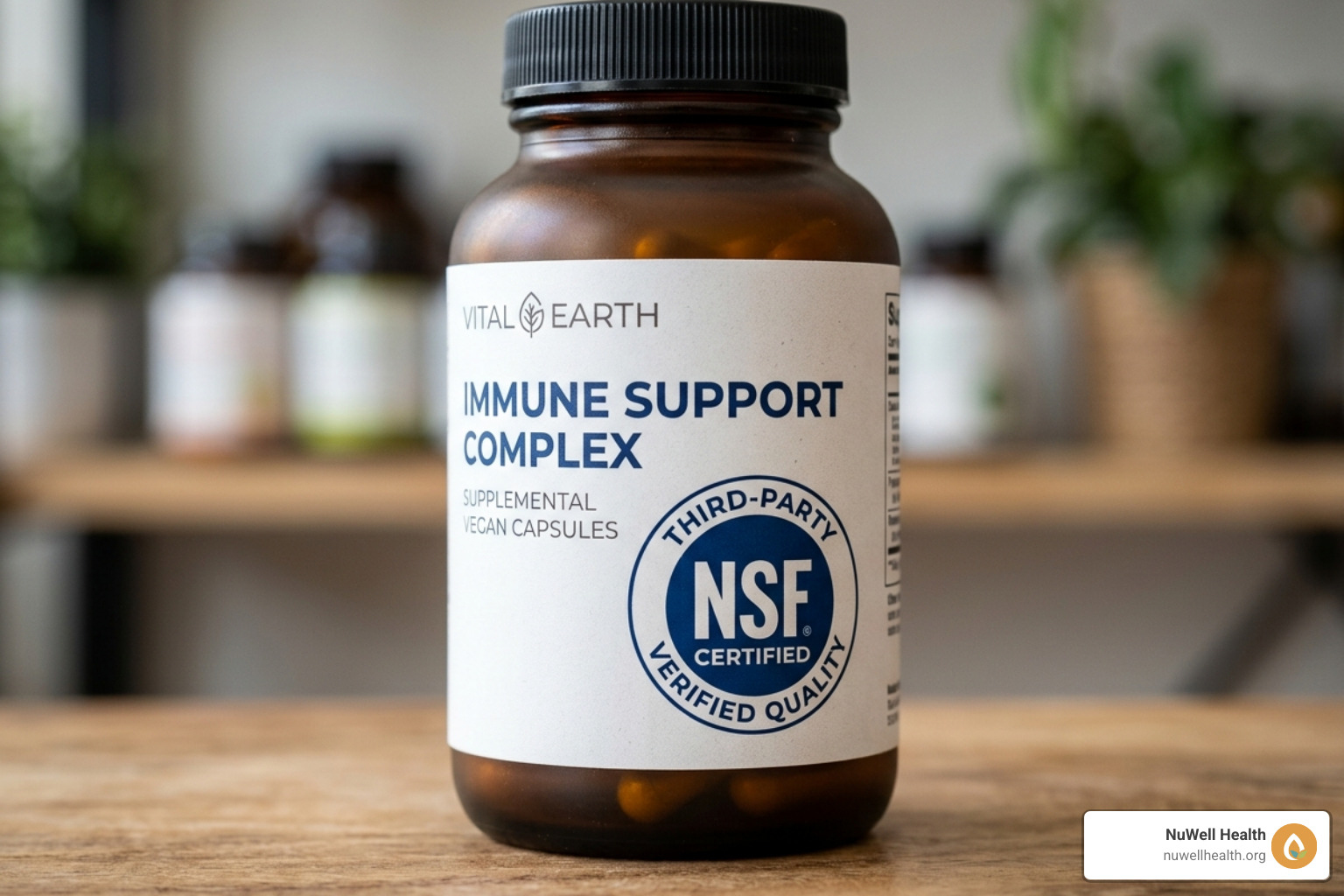
Look for these “trust marks” on the label:
- NSF Certified or USP Verified: These third-party organizations test the product to verify purity and potency.
- Sourcing Transparency: At NuWell Health, we have found that the therapeutic value of an herb is only as good as the environment it grew in. We prioritize sourcing from regions that produce high phytochemical density, as our experience shows these potent extracts are far more effective at supporting human metabolic and immune functions than mass-produced alternatives.
- No Proprietary Blends: If a label says “Immune Blend” without listing the exact milligrams of each herb, walk away. At NuWell Health, we have found that precise dosing is critical for achieving predictable health outcomes; you deserve to know exactly what you are putting in your body.
Verifying Purity in Your Herbal Food Supplement
Heavy metals (like lead, mercury, and arsenic) can accumulate in plants grown in contaminated soil. At NuWell Health, we have observed that even trace contaminants can interfere with the body’s detoxification pathways, making purity testing a non-negotiable standard for our clients. Reputable companies perform microbial testing and check for solvent residues (chemicals used to extract the “good stuff” from the plant).
If you are dealing with Digestive Issues, purity is even more vital. Contaminants or harsh fillers can irritate a sensitive gut lining, undoing the very benefits the herb was supposed to provide.
Identifying Emerging Trends in Herbalism
The world of herbalism is always evolving. In 2026, we are seeing a massive surge in:
- Mushroom Blends: Combining Reishi, Lion’s Mane, and Cordyceps for “nootropic” (brain-boosting) effects.
- Phytochemical Density: A move away from synthetic vitamins toward “greens boosters” that provide 100% of nutrients from plant sources.
- Sustainable Harvesting: At NuWell Health, we support ethical harvesting because it ensures the long-term availability of these medicinal plants for future generations’ health needs.
Frequently Asked Questions about Herbal Remedies
Do herbal food supplements expire or lose potency?
Yes. While they don’t usually become “toxic” the day they expire, the delicate phytochemicals—especially oils and volatile compounds—degrade over time. Most herbal supplements have a shelf life of 2 to 3 years. At NuWell Health, we recommend storing your supplements in a cool, dry, dark place. In our practice, we have seen that proper storage is often the difference between a protocol that works and one that fails; heat and light are the enemies of potency.
How long does it take to see results from herbal extracts?
Unlike a headache pill that works in 20 minutes, herbal extracts often have a cumulative effect. We usually recommend a “four-week window” of consistent use. This allows the compounds to reach “cellular saturation” and begin the process of root-cause healing. At NuWell Health, we have found that consistency is the most important factor in seeing real change.
Can I take multiple herbal supplements at once?
In many cases, yes—this is called formulation synergy. For example, taking black pepper (BioPerine) with turmeric significantly increases the absorption of curcumin. However, “stacking” too many stimulants or herbs with similar effects can be counterproductive. Always seek professional guidance before starting a complex “stack.”
Conclusion: A Holistic Path to Vitality
At NuWell Health, we believe that your health is a gift to be stewarded. Our approach is deeply rooted in a holistic Christian perspective, recognizing that the mind, body, and spirit are inextricably linked. We don’t just want to suppress your symptoms; we want to help you achieve a state of vibrant wellness by addressing the root causes of imbalance.
Whether you are exploring an herbal food supplement for stress, immunity, or metabolic health, these are tools to support a preventive lifestyle—not a replacement for a healthy diet, movement, and spiritual rest.
At NuWell Health, we have found that empowering individuals with high-quality botanical knowledge is essential for long-term vitality. By choosing pure, science-backed, and ethically sourced herbs, you are taking a powerful step toward reclaiming your health naturally.
Discover our approach to natural health
This article was researched with AI and heavily edited by Jordan Oliver for accuracy and relevance.
Jordan is an author, ordained minister, and online host for His Glory TV, sharing biblically grounded insights on faith, prayer, and spiritual growth. She is the co-founder of Triple-Braided Cord Co., an intercessory prayer and healing ministry inspired by Ecclesiastes 4:12.
Jordan holds a Bachelor’s degree in Communications and Religious Studies from High Point University and is a certified Spiritual Life Coach through iCoachLife in Nashville, Tennessee. Drawing from her ministry, coaching, and academic experience, she creates trustworthy, faith-based content that helps readers grow in their relationship with God. Learn more about Jordan here.