

The Gut-Kidney Connection: An Overlooked Pathway in Your Health
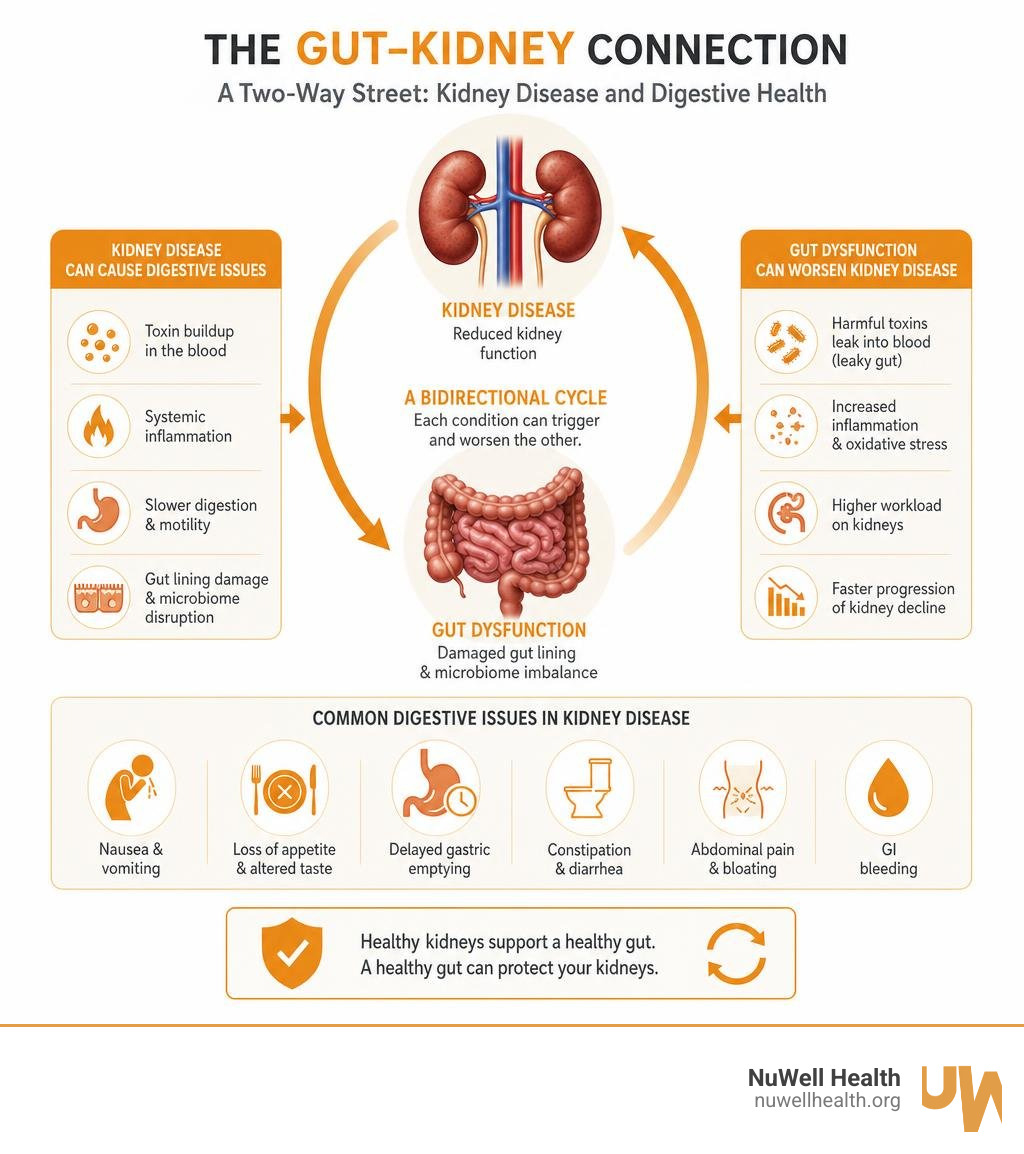
Can kidney disease cause digestive issues? Yes — and the connection is far stronger than most people realize. Kidney disease can trigger a wide range of digestive problems, including:
- Nausea and vomiting
- Loss of appetite and altered taste
- Delayed gastric emptying
- Constipation and diarrhea
- Abdominal pain and bloating
- GI bleeding
These symptoms can appear even in early stages of kidney decline — long before a diagnosis of end-stage renal disease (ESRD).
Your kidneys and your gut are in constant communication. When kidney function drops, toxic waste products build up in the bloodstream. Those toxins damage the gut lining, disrupt the gut microbiome, and slow down digestion. At the same time, a damaged gut can make kidney disease worse — creating a cycle that’s hard to break without addressing both systems together.
Research confirms this is not a minor issue. Studies show that up to 77–79% of patients with advanced kidney disease experience significant GI symptoms. Yet digestive complaints are often treated in isolation, without looking at the kidney-gut relationship driving them.
At NuWell Health, we have found that understanding why your body is struggling — not just managing symptoms — is the key to lasting relief. Your body was designed with remarkable healing capacity, and supporting that capacity starts with seeing the full picture.
How Can Kidney Disease Cause Digestive Issues?
To understand how kidney decline damages your digestive tract, we must look at the systemic nature of Chronic Kidney Disease (CKD). Your kidneys are the body’s primary filtration system, responsible for removing metabolic waste and balancing fluids, electrolytes, and hormones. When kidney function declines, these metabolic wastes accumulate in the bloodstream, triggering systemic inflammation and altering the function of almost every organ system in the body.
One of the most profound manifestations of this systemic decline is uremic enteropathy. This term describes the severe alterations in the structure and function of the intestinal tract caused by the accumulation of uremic toxins. In a healthy body, waste products like urea are cleanly filtered out. In CKD, however, the gut becomes an alternative dumping ground for these toxins.
High levels of urea spill into the gastrointestinal tract, where local bacteria break them down into toxic ammonia and ammonium hydroxide. This chemical shift damages the delicate mucosal lining of your gut, causing micro-tears, erosion, and chronic inflammation.
To explore the deeper clinical details of this process, you can read the scientific research on uremic enteropathy. Understanding these root causes is crucial, as many individuals suffer from chronic stomach pain without realizing their kidneys are the true source of the problem. For a broader look at what triggers chronic stomach distress, check out our guide on More info about digestive issues causes.
Clinical Signs: When Can Kidney Disease Cause Digestive Issues in Early Stages?
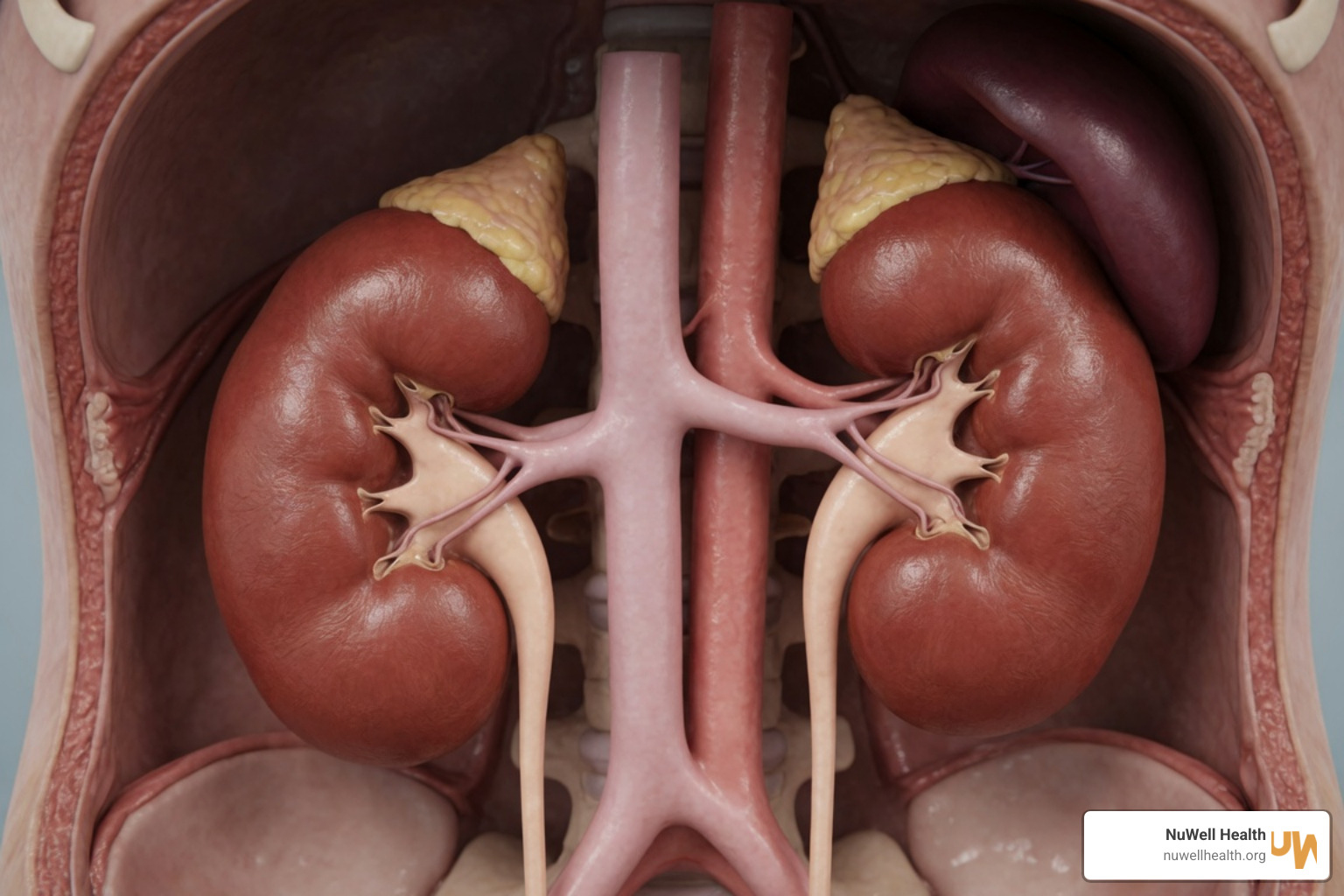
Many people assume that digestive issues only emerge during late-stage kidney failure. However, clinical data shows that gastrointestinal symptoms can become apparent at relatively high estimated glomerular filtration rates (eGFR), long before a patient reaches end-stage renal disease.
In the early stages of CKD, subtle declines in kidney function cause subclinical, “silent” mucosal lesions. Patients are often completely unaware that their digestive tract is being damaged. Consider these striking statistics from clinical reviews:
- 40% of hemodialysis patients experience persistent gastrointestinal symptoms without any detectable anatomical or histological lesions.
- Conversely, 60% of patients with clinically evidenced gastric or duodenal lesions do not exhibit any outward gastrointestinal symptoms at all.
This means that silent mucosal damage can be quietly developing inside your stomach and duodenum during early-stage renal decline, even if you do not feel obvious pain. Over time, these silent lesions can lead to sudden, severe complications like upper gastrointestinal bleeding.
Understanding How Can Kidney Disease Cause Digestive Issues Through Uremic Toxins
As kidney filtration slows, uremic toxins accumulate rapidly in the bloodstream. Three of the most dangerous and widely studied toxins are:
- Indoxyl sulphate (IS)
- p-Cresyl sulphate (PCS)
- Trimethylamine N-oxide (TMAO)
These toxins are not just passive markers of kidney decline; they actively damage your body. When they accumulate, they trigger localized mucosal inflammation and impair the contractility of the gut’s smooth muscles. This impairment directly contributes to intestinal dysmotility.
When the smooth muscles of the intestines cannot contract normally, colon transit time slows down significantly. This slow movement leads to chronic, painful constipation. This creates a dangerous feedback loop: slow transit times allow gut bacteria more time to ferment proteins, which generates even more uremic toxins like indoxyl sulphate and p-cresyl sulphate.
To dive deeper into how these metabolic processes interact, you can read the Research on gut dysbiosis and uremic toxins.
The Gut-Kidney Axis: Dysbiosis, Endotoxemia, and Gut Barrier Integrity
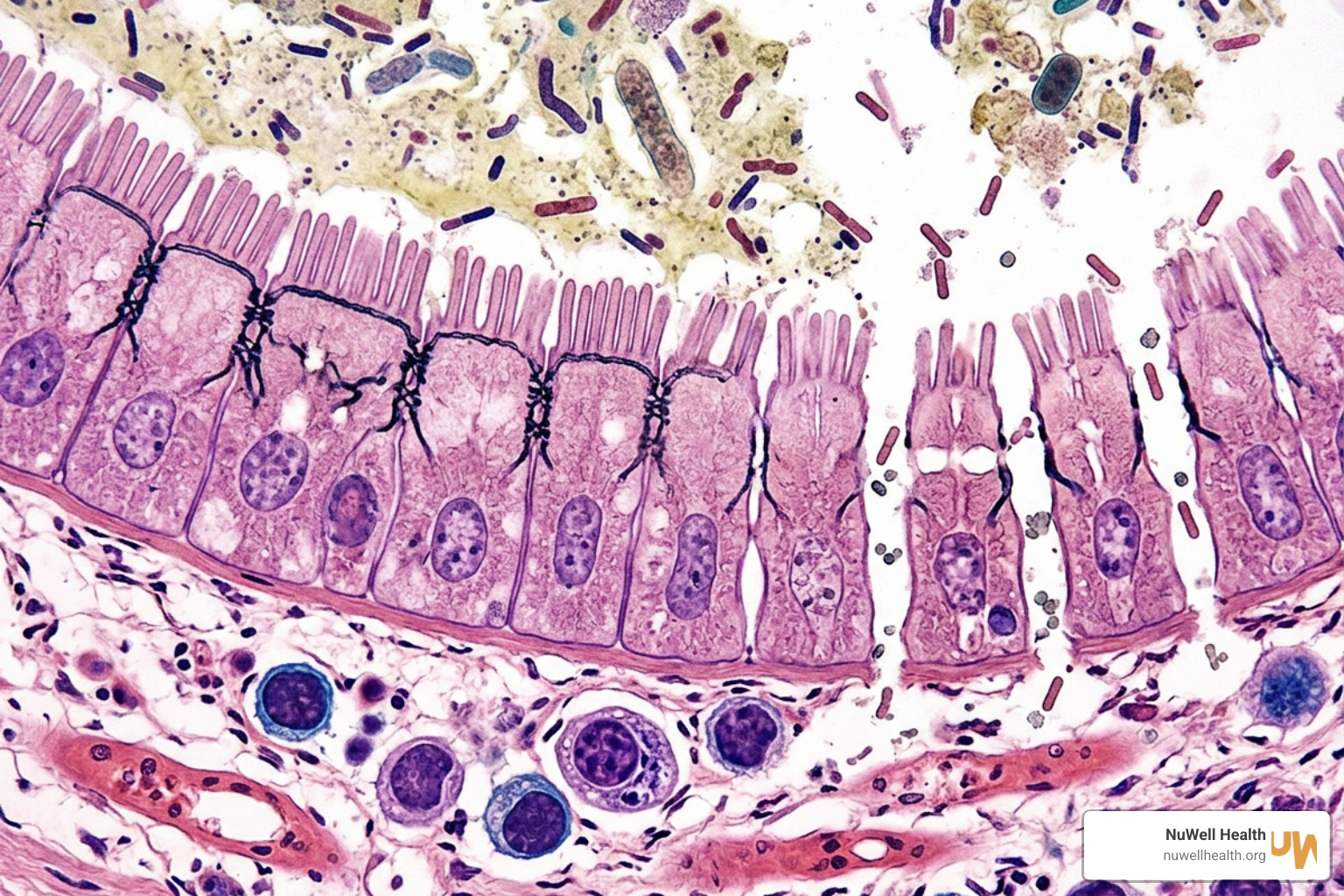
The communication pathway between your kidneys and your gut is known as the gut-kidney axis. A major component of this axis is the physical gut barrier. In a healthy body, tight junctions seal the cells of your intestinal lining, allowing nutrients to pass through while keeping harmful bacteria and toxins locked inside the gut.
In kidney disease, uremic toxins and localized inflammation break down these tight junctions, resulting in a compromised, “leaky” gut. When the gut barrier loses its integrity, bacteria and their toxic cell-wall components (endotoxins) leak directly into your bloodstream. This leakage is known as endotoxemia. Once in the blood, these endotoxins trigger systemic inflammation, which accelerates the progression of kidney disease and damages the cardiovascular system.
This physical breakdown is accompanied by severe microbiome disruption (dysbiosis). In CKD, the gut environment becomes highly alkaline due to excess ammonia. This environment favors the expansion of harmful, proteolytic (protein-fermenting) bacteria, while depleting beneficial, saccharolytic (fiber-fermenting) bacteria.
As a result, the body suffers a massive loss of short-chain fatty acids (SCFAs) like butyrate, acetate, and propionate. SCFAs are crucial because they nourish the cells lining the colon, maintain gut barrier tightness, and exert powerful anti-inflammatory effects throughout the body.
Upper GI Dysfunction: Gastric Emptying and Small Bowel Water Content
The damage caused by kidney disease is not limited to the colon. Advanced renal impairment also severely disrupts upper gastrointestinal function. Magnetic resonance imaging (MRI) studies have revealed that CKD patients experience significant physiological abnormalities in the upper digestive tract:
- Delayed Gastric Emptying: Patients with stage 4 or 5 CKD have a significantly prolonged gastric half-emptying time (averaging 96 minutes compared to just 74 minutes in healthy individuals). This delay means food sits in the stomach far too long, causing symptoms like early satiety, bloating, acid reflux, and chronic nausea.
- Reduced Small Bowel Water Content: In fasting and post-prandial states, CKD patients exhibit dramatically reduced small bowel water content (averaging 36 mL compared to 78 mL in healthy controls).
This reduction in small bowel water content reflects impaired secretion and absorption. Interestingly, researchers found a direct correlation (r = -0.60) between low small bowel water content and high levels of systemic endotoxemia. This proves that abnormal upper GI function is intimately linked to the breakdown of the gut barrier and the leakage of toxins into the bloodstream.
Esophageal and Gastric Motility Disorders
Kidney disease also disrupts the coordinated muscular contractions of the esophagus and stomach, leading to esophageal dysmotility and gastroesophageal reflux disease (GERD).
This dysmotility is largely driven by autonomic nervous system dysfunction and profound hormonal imbalances. Because the kidneys are responsible for clearing many gastrointestinal hormones, renal decline leads to the abnormal accumulation of these hormones in the blood:
- Motilin: High levels of motilin disrupt normal digestive rhythms, causing uncoordinated gastric contractions.
- GLP-1 (Glucagon-Like Peptide-1): Significantly elevated GLP-1 levels in CKD patients correlate directly with gastric dysrhythmia.
When these hormones accumulate, they cause the stomach’s electrical rhythms to become chaotic (gastric dysrhythmia), leading to persistent, debilitating nausea and a complete loss of appetite.
Common Gastrointestinal Complications in CKD and ESRD
As kidney function deteriorates toward End-Stage Renal Disease (ESRD), gastrointestinal complications become more frequent and severe. Systemic GI symptoms affect up to 77% to 79% of patients on chronic dialysis, making digestive distress one of the most common and debilitating aspects of advanced renal disease.
These complications can be especially challenging for older adults, who may already be dealing with age-related digestive changes. For more insights on managing digestive issues in later life, read our guide on More info about aging and aching digestive problems.
Upper and Lower GI Bleeding: Peptic Ulcer Disease and Angiodysplasia
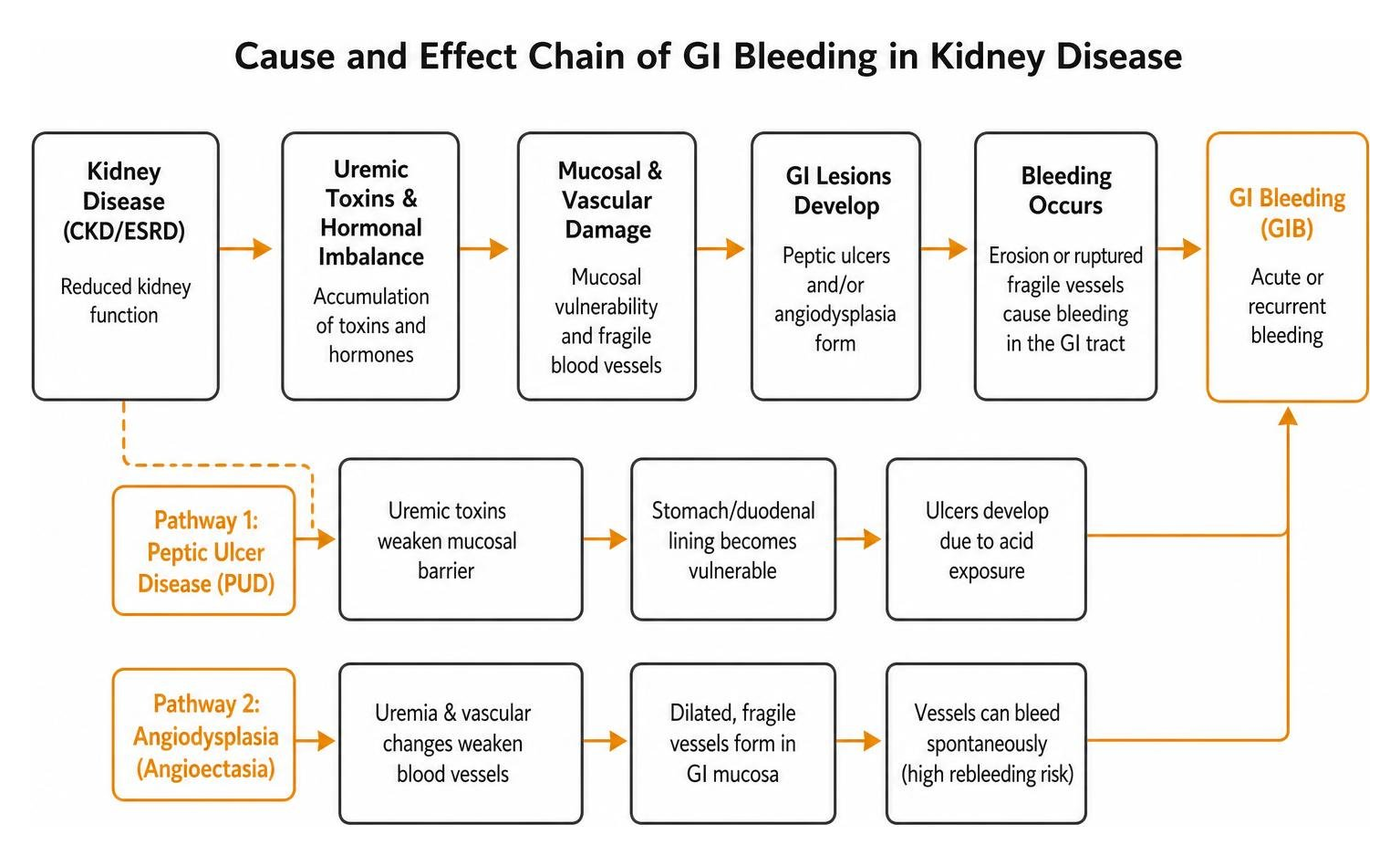
One of the most dangerous complications of ESRD is gastrointestinal bleeding (GIB). Patients with ESRD face a five-fold higher risk of GI bleeding compared to the general population. This high risk is driven by two main conditions:
- Peptic Ulcer Disease (PUD): Uremic toxins erode the mucosal lining of the stomach and duodenum, leaving them highly vulnerable to gastric acid. Interestingly, while the incidence of H. pylori infections is actually lower in ESRD patients, the rate of peptic ulcers remains exceptionally high due to this mucosal vulnerability.
- Angiodysplasia (Angioectasia): This condition involves swollen, fragile blood vessels in the mucosal lining of the GI tract. While angiodysplasia occurs in only 5% of the general population, its prevalence jumps to 19% to 32% in patients with renal failure. These fragile vessels can bleed spontaneously, and the risk of rebleeding is incredibly high (ranging from 25% to 47%).
Managing these bleeding risks in conventional medicine often relies on proton pump inhibitors (PPIs). However, long-term PPI use in renal patients carries significant risks. Clinical research shows that PPIs can cause acute tubulointerstitial nephritis, which can accelerate the progression of kidney disease. They are also linked to bone fragility and increased cardiovascular risks in ESRD patients.
Other Systemic GI Conditions: IBS, Diverticulitis, and Pancreatitis
The systemic effects of kidney disease can also trigger or worsen several other gastrointestinal conditions:
- Irritable Bowel Syndrome (IBS): ESRD patients have a significantly higher prevalence of IBS, regardless of whether they are on hemodialysis or peritoneal dialysis. The accumulation of uremic toxins and chronic low-grade inflammation directly irritates the gut’s nervous system, causing cramping, bloating, and unpredictable bowel habits. If you are looking for natural ways to calm these symptoms, read our guide on More info about lifestyle changes for IBS.
- Diverticulitis: Patients with ESRD have an 11.2% higher risk of developing diverticulitis compared to the general population, likely due to chronic mucosal inflammation and altered connective tissue strength.
- Acute Pancreatitis (AP): The incidence of acute pancreatitis is elevated in renal patients, occurring at a rate of 5.11 cases per 1,000 person-years in hemodialysis patients and 5.86 cases per 1,000 person-years in peritoneal dialysis patients.
- Mesenteric Ischemia: The risk of this life-threatening restriction of blood flow to the intestines is up to 44.1% higher in ESRD patients, driven by systemic vascular calcification and rapid fluid shifts during dialysis.
- Constipation from Phosphate Binders: Kidney patients are routinely prescribed calcium-based or aluminum-based phosphate binders to manage mineral levels. While necessary under conventional protocols, these binders are notorious for causing severe, chronic constipation, which further slows gut transit time and worsens uremic toxin accumulation.
Dialysis Modalities and Their Unique Digestive Impacts
The type of dialysis a patient receives has a major impact on the specific digestive issues they experience. Both hemodialysis (HD) and peritoneal dialysis (PD) alter the body’s fluid balance, blood pressure, and electrolyte levels, but they affect the digestive tract in very different ways.
| GI Complication / Symptom | Hemodialysis (HD) | Peritoneal Dialysis (PD) |
|---|---|---|
| Primary Cause of GI Distress | Rapid fluid shifts, transient intestinal ischemia, and systemic blood pressure drops. | Constant presence of dialysate in the abdomen, high glucose exposure, and local peritoneal irritation. |
| Common Symptoms | Nausea, vomiting, and abdominal cramping during or immediately after dialysis sessions. | Early satiety, severe acid reflux, abdominal fullness, bloating, and hernias. |
| Constipation Risk | High (due to strict fluid restrictions and phosphate binders). | High (due to physical pressure on the colon and low physical activity). |
| Acute Pancreatitis Risk | Elevated (5.11 per 1,000 person-years). | Extremely High (5.86 per 1,000 person-years; 3-fold higher risk than HD). |
| Infectious Risk | Lower local risk, but high risk of systemic bacteremia. | High risk of bacterial peritonitis and catheter-related infections. |
Peritoneal Dialysis Complications: Peritonitis and Encapsulating Peritoneal Sclerosis
While peritoneal dialysis allows patients to manage their treatment at home, it introduces unique physical challenges to the abdominal cavity. The constant presence of dialysate fluid increases intra-abdominal pressure, which physically compresses the stomach and intestines. This compression leads to early satiety, severe acid reflux, and abdominal bloating.
More seriously, PD patients face a constant risk of peritonitis — an infection of the peritoneal membrane. Repeated episodes of peritonitis can lead to encapsulating peritoneal sclerosis (EPS), a rare but life-threatening condition where the peritoneum becomes thick, fibrotic, and scarred. This scar tissue can physically bind the intestines, causing severe bowel obstructions and malnutrition.
Additionally, the high sugar content of PD fluids can irritate surrounding tissues, contributing to a 3-fold higher risk of acute pancreatitis compared to patients on hemodialysis.
Holistic Management: The 5R Approach to Restoring Gut Health
At NuWell Health, we have found that addressing root causes is essential for long-term recovery. Simply suppressing symptoms with medications like PPIs or laxatives often ignores the underlying uremic environment and can even cause further kidney damage.
Our philosophy of holistic natural health focuses on supporting your body’s innate, God-given healing capacity. By combining gentle, preventive lifestyle modifications with empowering self-care, we can help break the cycle of the gut-kidney connection and restore balance to your digestive system. In our experience at NuWell Health, prioritizing human natural health solutions over synthetic interventions allows the body to realign and heal more effectively.
To learn more about nurturing your digestive health naturally, check out our guide on More info about IBS self-care strategies.
The 5R Framework for Kidney-Friendly Gut Healing
To support kidney patients experiencing gastrointestinal distress, we utilize a specialized, kidney-safe adaptation of the functional medicine 5R Framework:
1. Remove
The first step is to gently eliminate dietary triggers, inflammatory foods, and environmental toxins that irritate the gut lining. For kidney patients, this must be done with careful guidance to avoid mineral imbalances.
- Identify and temporarily remove inflammatory triggers like gluten, dairy, or high-FODMAP foods using a detailed food journal.
- Minimize exposure to environmental toxins and heavy metals by choosing organic whole foods and clean, filtered water.
2. Replace
Next, we support the body’s digestive process. Because uremic toxins and medications can suppress natural stomach acid and digestive enzymes, we focus on gentle, kidney-safe ways to stimulate digestion.
- Encourage thorough chewing (which naturally stimulates salivary enzymes).
- Under professional guidance, introduce kidney-safe digestive bitters or organic ginger before meals to support natural enzyme production without overloading the kidneys with heavy supplements.
3. Repair
We then focus on rebuilding and soothing the damaged gut barrier.
- Incorporate clean, organic bone broth (rich in collagen and amino acids like glutamine) to help repair uremic mucosal damage.
- Ensure adequate intake of gut-supporting nutrients like zinc and vitamin C from kidney-friendly food sources.
4. Re-inoculate
Restoring a healthy balance to the gut microbiome is essential to reduce the production of harmful uremic toxins like indoxyl sulphate.
- Introduce specific, kidney-safe probiotic strains that help metabolize nitrogenous waste directly in the gut, reducing the filtration burden on the kidneys.
- Feed these beneficial microbes with gentle, low-potassium prebiotic fibers (such as small amounts of chicory root or psyllium) to stimulate the production of protective short-chain fatty acids (SCFAs).
5. Replenish
True healing requires addressing the whole person — mind, body, and spirit. Chronic illness and digestive pain can cause significant stress, which directly impairs gut motility through the gut-brain axis.
- Prioritize consistent, restorative sleep hygiene to allow the gut lining to regenerate overnight.
- Practice stress-reduction techniques, deep breathing exercises, and gentle movement.
- From our Christian perspective, we encourage replenishing the spirit through prayer, quiet meditation on Scripture, and resting in the peace of God’s grace, which provides a strong foundation for physical healing.
For more practical tips on applying these principles to your daily life, you can read the helpful guide on Getting to the Root of Gastrointestinal Distress.
Frequently Asked Questions about Kidney Disease and Digestion
Can kidney disease cause nausea and loss of appetite?
Yes, nausea and loss of appetite are classic signs of advancing kidney decline. As kidney function drops, uremic toxins accumulate in the bloodstream, directly irritating the brain’s chemoreceptor trigger zone and causing nausea.
Additionally, the accumulation of hormones like motilin and GLP-1 (which the kidneys can no longer clear efficiently) disrupts the normal electrical rhythm of the stomach. This leads to delayed gastric emptying and gastric dysrhythmia, making you feel uncomfortably full and nauseous even after eating very little.
Why does dialysis cause constipation?
Dialysis patients face a combination of factors that contribute to severe constipation:
- Strict Fluid Restrictions: Patients on dialysis must limit their fluid intake to prevent fluid overload, which leaves less water in the colon to soften stool.
- Phosphate Binders: Conventional calcium- or aluminum-based binders used to manage mineral levels are highly constipating.
- Altered Motility: Uremic toxins damage the gut’s smooth muscles and autonomic nerves, significantly slowing down intestinal contractions.
How does gut health affect kidney function?
The gut-kidney axis is a bidirectional pathway. When the gut barrier is damaged (“leaky gut”), bacteria and endotoxins leak into the bloodstream, triggering systemic inflammation that directly accelerates kidney scarring and decline.
Furthermore, a disrupted microbiome produces high levels of uremic toxins like indoxyl sulphate and p-cresyl sulphate, which the kidneys must work harder to filter.
In conditions like IgA nephropathy, research shows that chronic gut inflammation can actually trigger the production of abnormal antibodies that travel through the blood and deposit in the kidneys, causing direct renal damage.
Conclusion
The connection between your kidneys and your digestive system is a powerful reminder of how wonderfully and intricately our bodies are designed. When one organ struggles, the effects ripple through the entire system. Can kidney disease cause digestive issues? Absolutely — but by understanding the gut-kidney axis, we can look beyond simple symptom suppression and address the true root causes of your discomfort.
Embracing holistic healing means caring for your mind, body, and spirit. Through preventive lifestyle changes, mindful nutrition, stress reduction, and natural support, you can help restore your gut barrier, lower your uremic toxin load, and support your kidneys.
If you are ready to take control of your digestive health and support your body’s natural healing capacity, explore our comprehensive resources and learn More info about digestive issues.
This article was researched with AI and heavily edited by Jordan Oliver for accuracy and relevance.
Jordan is an author, ordained minister, and online host for His Glory TV, sharing biblically grounded insights on faith, prayer, and spiritual growth. She is the co-founder of Triple-Braided Cord Co., an intercessory prayer and healing ministry inspired by Ecclesiastes 4:12.
Jordan holds a Bachelor’s degree in Communications and Religious Studies from High Point University and is a certified Spiritual Life Coach through iCoachLife in Nashville, Tennessee. Drawing from her ministry, coaching, and academic experience, she creates trustworthy, faith-based content that helps readers grow in their relationship with God. Learn more about Jordan here.