

When Every Breath Feels Like a Battle: Why Hay Fever Deserves a Better Answer
The best home remedies for hay fever are simpler than you might think — and they work without leaving you drowsy, foggy, or dependent on a pill every morning.
Here’s a quick overview of what actually helps:
Top Home Remedies for Hay Fever
- Saline nasal rinse — flushes pollen and mucus from nasal passages fast
- HEPA air purifier — removes up to 99.97% of airborne particles indoors
- Quercetin-rich foods — apples, onions, and leafy greens act as natural antihistamines
- Steam inhalation — loosens congestion and soothes irritated nasal tissue
- Cold compress on eyes — reduces puffiness and itching quickly
- Petroleum jelly around nostrils — physically traps pollen before it enters
- Shower before bed — removes pollen from skin and hair so you don’t breathe it all night
- Butterbur or stinging nettle supplements — herbal options with some clinical backing
- Honey and lemon drink — soothes the throat and may support immune response
- Keep windows closed on high-pollen days — one of the simplest and most effective steps
If you’ve ever stumbled through a spring morning in a fog of sneezing, itchy eyes, and a nose that won’t quit — you’re not alone. Around 1 in 5 adults deal with hay fever, and for many, the standard fix (pop an antihistamine and carry on) leaves them trading one problem for another.
Drowsiness. Dry mouth. That wired-but-exhausted feeling that makes a busy day feel impossible.
At NuWell Health, we have found that most people don’t need to choose between suffering through symptoms and feeling like a zombie. There are practical, natural approaches that address why your immune system is overreacting — not just mute the alarm while the fire keeps burning.
This guide covers the remedies that are backed by evidence, easy to do at home, and actually fit into a real life.
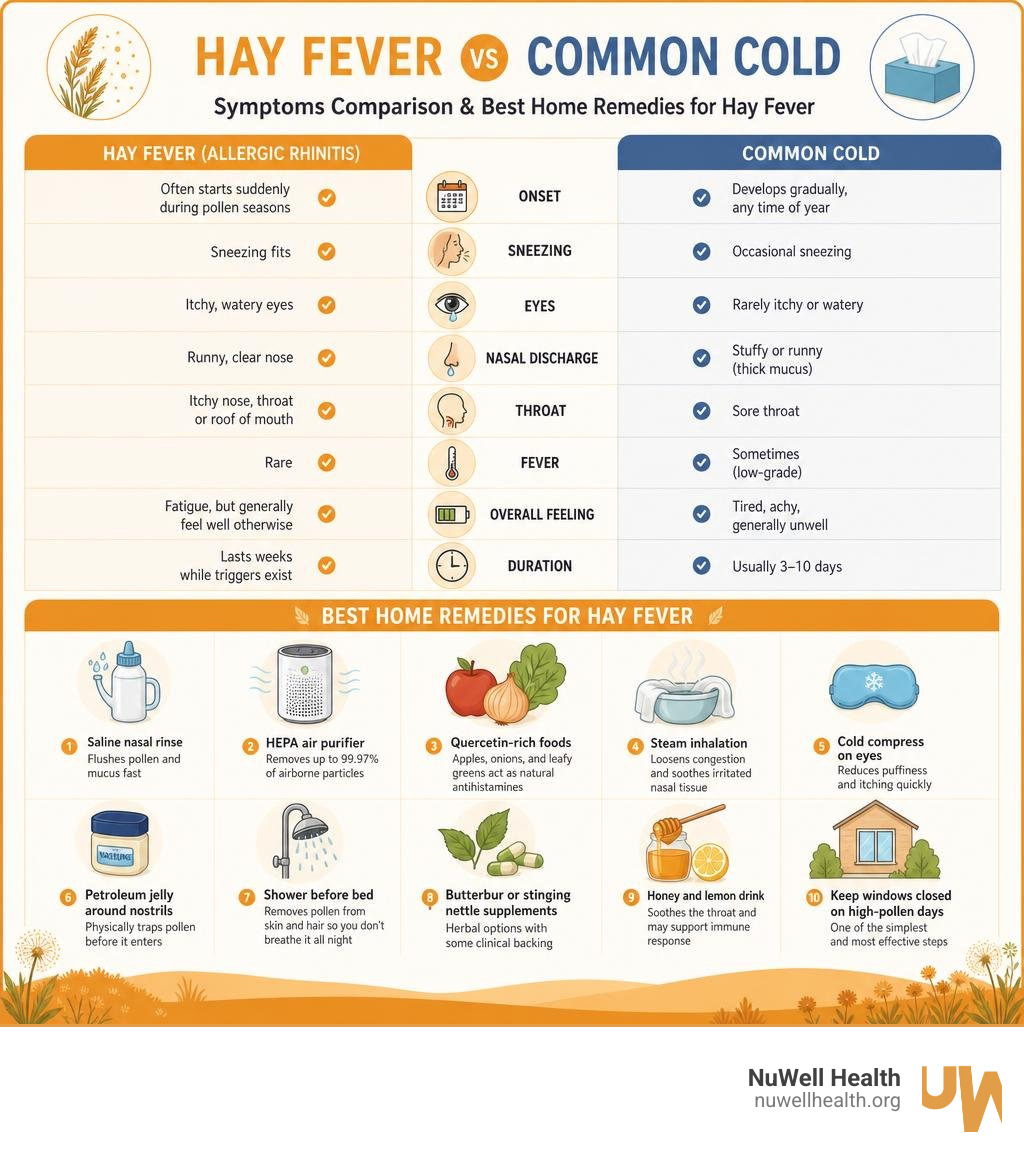
Best home remedies for hay fever terms simplified:
Understanding Allergic Rhinitis: What is Hay Fever?
To defeat an enemy, you have to understand how it operates. What we casually call “hay fever” is medically known as allergic rhinitis. Despite the name, it has very little to do with actual hay, and it rarely causes a literal fever. Instead, it is a chronic inflammatory response of the nasal passages, sinuses, eyes, and throat.
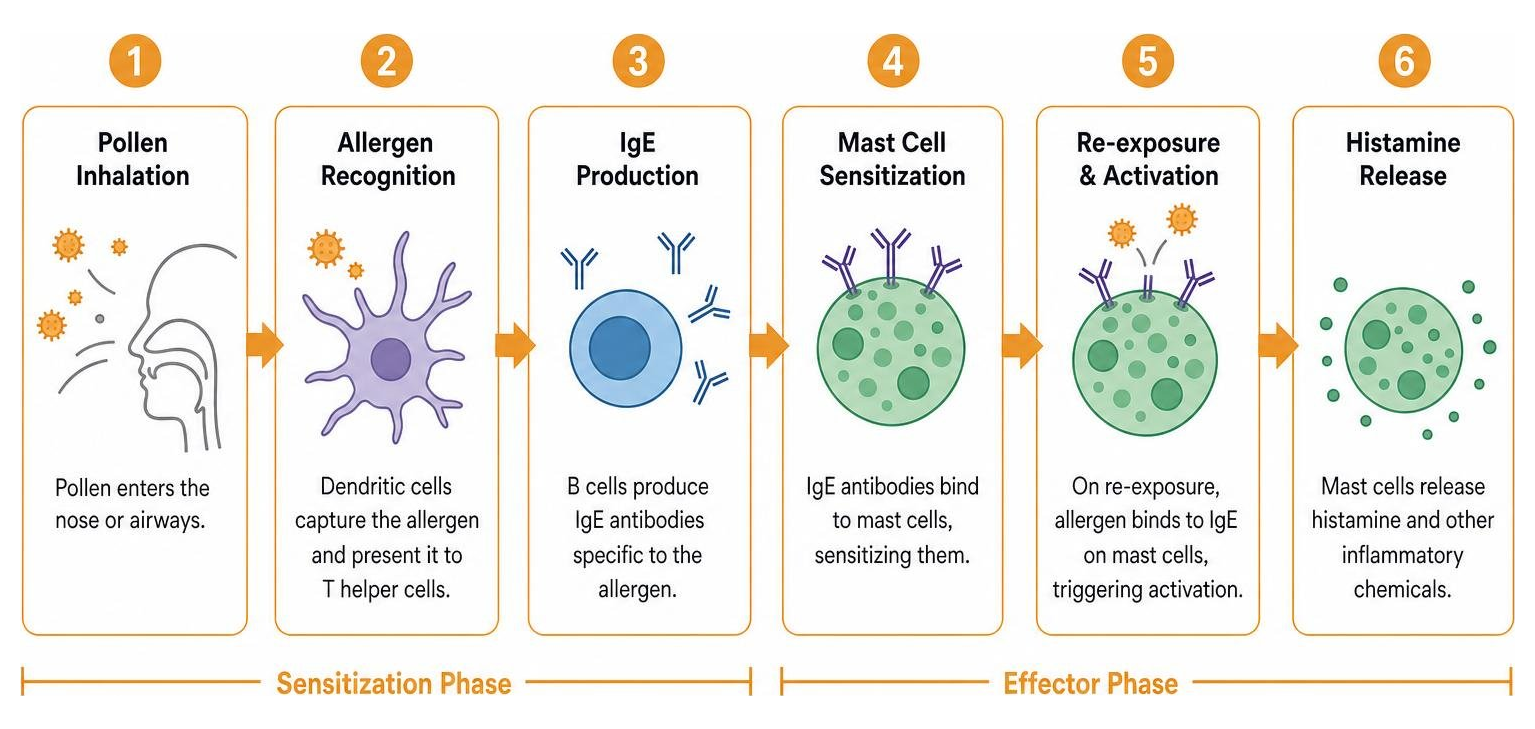
When you have hay fever, your immune system mistakenly identifies harmless airborne particles as dangerous invaders. In its eagerness to protect you, it deploys immunoglobulin E (IgE) antibodies, which trigger mast cells to release a flood of histamines and other inflammatory chemicals. This sudden biological storm results in the classic symptoms that make seasonal transitions so miserable.
The most common environmental triggers include:
- Pollen: Tiny grains released by trees, grasses, and weeds. Because of climate change, tree and grass pollen seasons are starting up to 40 days earlier and lasting longer as of 2026.
- Dust Mites: Microscopic bugs that thrive in warm, humid indoor environments, living primarily in bedding, carpets, and upholstery.
- Pet Dander: Dead skin flakes, saliva, and urine from furred or feathered pets.
- Mold Spores: Airborne fungi that grow in damp areas both indoors and outdoors.
When these allergens make contact with your eyes, nose, or throat, they trigger a cascade of symptoms.
Common Hay Fever Symptoms
- Frequent, uncontrollable sneezing fits
- A constantly runny or severely blocked nose (congestion)
- Itchy, red, swollen, or watery eyes
- An itchy throat, mouth, nose, or ears
- Post-nasal drip (mucus dripping down the back of your throat), leading to a chronic cough or throat clearing
- A dull, throbbing headache or sinus pressure
- Profound fatigue and brain fog, caused both by the body’s energy-intensive immune response and sleep disruption
The fatigue associated with hay fever is particularly draining. When your immune system is working overtime to fight off imaginary microscopic invaders, it consumes a massive amount of metabolic energy. This biological exhaustion, paired with nasal congestion that prevents deep, restful sleep, can leave you feeling completely depleted.
If you are trying to understand why your body reacts so strongly to certain triggers, exploring A Practical Guide to Allergies and Food Sensitivity can provide valuable context on how systemic inflammation and immune reactivity are interconnected.
Over-the-Counter Options vs. Natural Root-Cause Healing
When hay fever strikes, the most common response is to run to the nearest pharmacy and grab whatever is on the shelf. While over-the-counter (OTC) medications certainly have their place for quick, short-term symptom relief, they often come with a trade-off.
First-generation oral antihistamines (like diphenhydramine) are notorious for crossing the blood-brain barrier and causing severe drowsiness, coordination issues, and brain fog. Even newer, second-generation antihistamines (like cetirizine, fexofenadine, or loratadine), which are marketed as non-drowsy, can still leave many individuals feeling slightly disconnected, dry, or fatigued.
Corticosteroid nasal sprays are highly effective at reducing localized nasal inflammation, but they can take several days of continuous use to reach their full therapeutic effect. Furthermore, classical decongestant nasal sprays (containing active ingredients like oxymetazoline) should never be used for more than two to three consecutive days. Doing so can cause “rebound congestion” (rhinitis medicamentosa), making your nasal passages swell permanently and leaving you dependent on the spray just to breathe.
At NuWell Health, we advocate for a root-cause approach. Rather than simply throwing chemicals at your body to silence its warning signals, we look at how to support your immune system, improve gut barrier function, and lower overall systemic inflammation. In our clinical experience helping clients navigate seasonal transitions, we have found that addressing these underlying factors allows you to achieve lasting relief without the heavy, zombie-like side effects of conventional pharmaceuticals.
If you want to build a customized, chemical-free wellness plan, our Step-by-Step Guide to Natural Remedies is an excellent resource to help you transition from temporary fixes to long-term vitality.
The table below highlights the differences between conventional OTC options and natural, root-cause alternatives:
| Treatment Type | Common Examples | How It Works | Potential Side Effects & Drawbacks |
|---|---|---|---|
| Oral Antihistamines | Cetirizine, Loratadine, Diphenhydramine | Blocks histamine receptors to stop itching and sneezing | Drowsiness, dry mouth, brain fog, fatigue, urinary retention |
| Decongestant Sprays | Oxymetazoline, Xylometazoline | Constricts blood vessels in the nasal passages for quick relief | Rebound congestion (addiction) if used longer than 3 days |
| Steroid Nasal Sprays | Fluticasone, Budesonide | Reduces localized swelling and mucus production | Nasal dryness, nosebleeds, takes several days to start working |
| Natural Nasal Rinses | Saline nasal irrigation, Neti pots | Physically flushes out allergens and thins thick mucus | None, provided sterile or boiled-and-cooled water is used |
| Systemic Natural Supports | Quercetin, Bromelain, Gut health optimization | Stabilizes mast cells naturally and reduces overall systemic inflammation | None; actively supports overall immune and digestive health |
The Best Home Remedies for Hay Fever: Natural Relief That Works
If you want to manage your seasonal allergies without relying on heavy medications, there are several highly effective physical and mechanical home remedies that can provide immediate comfort.

1. Saline Nasal Irrigation (The Neti Pot)
Nasal irrigation is a quick, inexpensive, and highly effective way to relieve nasal congestion. By physically flushing your nasal passages with a mild saltwater solution, you wash away trapped pollen, dust, mold spores, and excess mucus. This instantly reduces localized swelling and allows the tiny hair-like structures in your nose (cilia) to clear out irritants more efficiently.
To perform a nasal rinse safely at home:
- Use the Right Water: Never use plain tap water, as it can contain low levels of amoebas or bacteria that are safe to drink but dangerous when introduced to delicate nasal tissues. Only use distilled, sterile, or water that has been boiled for several minutes and cooled to room temperature.
- Mix the Solution: You can purchase pre-mixed saline packets or make your own. A classic recipe involves mixing 1 quart of sterile water with 1.5 teaspoons of pure canning salt (non-iodized) and 1 teaspoon of baking soda.
- The Technique: Lean over a sink, tilt your head sideways at a 45-degree angle, and gently pour the saline solution into your upper nostril using a neti pot or squeeze bottle. Keep your mouth open and breathe through it; the water will flow through your nasal cavity and drain out of your lower nostril. Gently blow your nose afterward, and repeat on the opposite side.
- Clean Your Device: Wash your neti pot or rinse bottle thoroughly with sterile water after every single use, and let it air dry completely.
For more detailed medical instructions on how to incorporate nasal rinsing into your daily hygiene routine, consult the Mayo Clinic’s guide on nasal saline rinses.
2. Steam Inhalation
Inhaling warm, moist steam is a classic home remedy that helps soothe irritated, dry nasal passages and breaks up thick, stubborn mucus.
- How to do it: Boil a pot of water, remove it from the heat source, and place it on a stable table. Lean over the pot with a clean towel draped over your head to trap the steam. Keep your face at a safe distance to avoid steam burns, close your eyes, and breathe deeply through your nose for 5 to 10 minutes.
- Enhance it: Adding a drop of pure essential oil, such as eucalyptus or peppermint, can help open up your airways even faster.
3. Cold Compresses for Itchy Eyes
When pollen counts are high, your eyes can become red, puffy, and itchy.
- How to do it: Soak a clean washcloth in ice-cold water, wring out the excess moisture, and drape it over your closed eyes for 10 minutes.
- Alternative: You can also use cooled, damp chamomile or green tea bags. The natural antioxidants and anti-inflammatory compounds in the tea help constrict blood vessels, rapidly reducing puffiness and soothing raw, irritated skin.
For a broader look at how simple pantry staples and lifestyle adjustments can help you conquer allergy season, take a look at our practical guide on Pollen vs Your Pantry: Best Home Remedies for Natural Allergy Relief.
Dietary Adjustments as the Best Home Remedies for Hay Fever
At NuWell Health, we have found that addressing gut health is key to reducing seasonal allergy severity. Your gut microbiome houses roughly 70% of your body’s immune system. When your gut flora is out of balance (a state known as dysbiosis), your immune system becomes hypersensitive and far more prone to overreacting to environmental proteins like pollen or pet dander.
By eating an anti-inflammatory, nutrient-dense diet, you can naturally stabilize your immune system and reduce your body’s overall histamine burden.

Quercetin-Rich Foods
Quercetin is a powerful plant pigment (flavonoid) that acts as a natural antihistamine and mast cell stabilizer. It works by inhibiting the release of histamines from your immune cells, helping to prevent the allergic cascade before it even starts. Excellent dietary sources of quercetin include:
- Red onions (which contain the highest concentrations)
- Apples (especially the skins)
- Capers
- Berries (blueberries, blackberries)
- Dark leafy green vegetables (kale, spinach)
Tip: Because quercetin takes time to build up in your body’s tissues, we recommend increasing your intake of these foods several weeks before your local allergy season begins.
Vitamin C
Vitamin C is a potent natural antioxidant and a natural antihistamine. It works by directly destroying the molecular structure of circulating histamines in your bloodstream. High-dose vitamin C has been shown to help ease nasal swelling and reduce overall allergy symptoms. Focus on eating organic citrus fruits, bell peppers, strawberries, kiwi, and broccoli.
Bromelain
Bromelain is an enzyme found naturally in papayas and pineapples (particularly in the tough core). It has powerful anti-inflammatory properties and acts as a natural mucolytic, meaning it helps thin out thick, sticky mucus in your sinuses and respiratory tract. Combining bromelain with quercetin enhances the absorption of both compounds.
Local Honey
While scientific studies on the topic are mixed, many people find that consuming a spoonful of raw, locally produced honey daily helps desensitize their immune system to local pollens over time. Think of it as a delicious, low-dose form of natural immunotherapy.
Hydration
When your body is dehydrated, it produces higher levels of histamines as a survival mechanism to preserve water in your tissues. Drinking plenty of clean, filtered water throughout the day keeps your mucous membranes moist, dilutes mucus, and helps flush out circulating allergens. Aim to drink at least half your body weight in ounces of water daily.
If you are dealing with painful sinus pressure or a throbbing head during allergy flare-ups, you can find targeted relief strategies in our guide on How to Treat an Allergy Headache Naturally Without Pills.
Herbal Solutions and the Best Home Remedies for Hay Fever
If dietary changes aren’t quite enough to keep your symptoms at bay, nature offers a robust pharmacy of herbs that can help calm an overactive immune system.
1. Butterbur (Petasites hybridus)
Butterbur is one of the most thoroughly researched herbal remedies for allergic rhinitis. In fact, some clinical trials have shown that high-quality butterbur extract can be just as effective at relieving nasal symptoms as popular over-the-counter antihistamines, without causing any of the associated drowsiness.
- Crucial Safety Note: Raw, untreated butterbur contains pyrrolizidine alkaloids (PAs), which are toxic to the liver. You must only use commercial butterbur supplements that are explicitly certified as “PA-free.”
2. Stinging Nettle (Urtica dioica)
Stinging nettle is a traditional herbal remedy that has natural anti-inflammatory and antihistamine properties. It works by blocking histamine receptors and inhibiting the production of pro-inflammatory chemicals in the body. You can consume stinging nettle as a warm, earthy tea or take it in freeze-dried capsule form for more concentrated relief.
3. Spirulina
Spirulina is a blue-green alga that is packed with proteins, vitamins, and antioxidants. Modern research suggests that spirulina can help regulate the immune system and inhibit the release of histamine. Some clinical studies have shown that daily consumption of spirulina significantly improves symptoms like nasal discharge, sneezing, congestion, and itching.
4. Therapeutic Essential Oils
Essential oils contain concentrated plant compounds that can help clear your airways and calm inflammation when used safely:
- Eucalyptus Oil: Contains cineole, a compound that acts as a natural decongestant and anti-inflammatory. You can add a few drops to a bowl of hot water for steam inhalation or diffuse it in your bedroom. Additionally, adding eucalyptus oil to your laundry wash can help kill dust mites in your bedding.
- Frankincense Oil: Known for its deep anti-inflammatory effects. You can dilute a drop of frankincense in a gentle carrier oil (like jojoba or coconut oil) and apply it behind your ears or on your temples.
- Peppermint Oil: Contains menthol, which provides an immediate cooling sensation and helps open up clogged nasal passages.
Safety Warning: Always perform a patch test on a small area of skin (like your inner forearm) 24 hours before applying any essential oil topically, and never ingest essential oils.
For a deeper dive into the science and safety profiles of various natural allergy therapies, you can read Healthline’s review of natural allergy remedies.
Environmental Control: How to Reduce Allergen Exposure at Home
While supporting your body from the inside out is vital, you can drastically reduce your symptoms by making simple, strategic adjustments to your living space. Creating an allergen-free sanctuary gives your immune system a chance to rest and recover, especially overnight.
- Install HEPA Air Purifiers: High-Efficiency Particulate Air (HEPA) filters are designed to trap an astonishing 99.97% of microscopic airborne particles, including pollen, dust mites, mold spores, and pet dander. Place a portable HEPA air purifier in your bedroom, and keep it running continuously on a quiet setting while you sleep.
- Keep Windows Closed: When pollen counts are high, it is incredibly tempting to open the windows to let in a fresh breeze. However, doing so turns your home into a giant pollen trap. Keep your windows shut during high-pollen seasons, and rely on air conditioning to keep your indoor air cool and dry.
- Wash Bedding Weekly in Hot Water: Dust mites thrive in pillows, mattresses, and blankets. Wash your sheets, pillowcases, and duvet covers at least once a week in hot water (at least 130°F or 54°C) to kill dust mites and wash away accumulated pollen. Consider wrapping your mattress and pillows in allergen-proof zip covers.
- Vacuum with a HEPA Filter: Standard vacuum cleaners often kick fine dust and pollen back into the air through their exhaust. Use a vacuum equipped with a certified HEPA filter at least once or twice a week, particularly in carpeted areas.
- The “Outdoor-to-Indoor” Transition: When you walk outside, pollen clings to your clothes, skin, and hair. To avoid tracking these irritants into your home:
- Remove your shoes immediately upon entering.
- Change out of your outdoor clothes and toss them into the laundry.
- Shower and wash your hair before bed so you aren’t rubbing pollen all over your clean pillowcase.
- Avoid hanging your laundry outside to dry during peak pollen seasons, as wet fabrics act like a sponge for airborne allergens.
For more practical, low-cost tips on how to keep your indoor air clean and manage seasonal triggers, check out the Mayo Clinic’s tips on seasonal allergy prevention.
Frequently Asked Questions About Hay Fever Relief
How can I tell the difference between hay fever and a cold?
Because both conditions cause sneezing, congestion, and a runny nose, they are frequently confused. However, there are a few key differences:
- Itching: Hay fever almost always causes intense itching in the eyes, nose, throat, or ears. A common cold rarely causes itching.
- Fever: A cold can occasionally cause a mild fever, whereas hay fever never causes a fever.
- Mucus: Hay fever mucus is typically thin, clear, and watery. Cold mucus often becomes thick, yellow, or green after a few days.
- Duration: A cold usually runs its course and resolves within 7 to 10 days. Hay fever symptoms will persist for as long as you are exposed to the allergen, which can be weeks or even months.
When should I see a doctor or allergist for hay fever?
While home remedies are incredibly effective for mild to moderate seasonal allergies, you should consult a qualified healthcare professional if:
- Your symptoms are severe enough to interfere with your ability to sleep, work, or perform daily tasks.
- You experience wheezing, chest tightness, or difficulty breathing (hay fever can trigger or worsen asthma).
- Your symptoms do not improve after several weeks of consistent lifestyle adjustments and home remedies.
- You experience signs of a sinus infection, such as severe facial pain, dental pain, or a fever.
An allergist can perform skin prick tests or blood tests to identify your exact triggers and discuss long-term options like allergen immunotherapy (allergy shots or sublingual tablets).
Can lifestyle habits and stress management help prevent seasonal allergies?
Absolutely. Your immune system is deeply connected to your nervous system.
- Stress and Cortisol: Chronic stress keeps your body in a constant state of fight-or-flight, releasing stress hormones like cortisol. High cortisol levels can disrupt immune function and worsen allergic inflammation. Incorporating daily stress-reduction practices like prayer, meditation, deep breathing exercises, or quiet walks in nature can significantly lower your body’s allergic reactivity.
- Sleep: Getting at least 7 to 8 hours of high-quality sleep each night is essential for immune system repair and regulation.
- Vitamin D: Low levels of vitamin D are strongly linked to increased allergy symptoms and immune dysfunction. Spend some time in gentle, direct sunlight when pollen counts are low, or talk to your doctor about testing your vitamin D levels and supplementing if necessary.
Conclusion: Restoring Harmony to Your Body, Mind, and Spirit
At NuWell Health, we believe that true healing is a holistic journey. Your physical symptoms do not exist in a vacuum; they are deeply connected to your mental well-being, your lifestyle habits, and your spiritual health. When we approach hay fever from this perspective, we aren’t just trying to suppress a runny nose — we are working to restore balance to your entire system.
As a company rooted in a Christian perspective of wellness, we believe that your body is fearfully and wonderfully made. It possesses an incredible, God-given capacity to heal, adapt, and thrive when it is nurtured with the right nutrients, clean air, rest, and a peaceful spirit. Empowering yourself with natural self-care is not about avoiding modern medicine; it is about honoring your body and addressing the root causes of imbalance with fewer side effects.
If you are ready to take a comprehensive, natural approach to your health and discover how your diet, gut, and environment interact to shape your daily vitality, we invite you to explore our resources on Allergies and Food Sensitivity. Let us help you step out of the allergy fog and back into a life of energy, clarity, and peace.
This article was researched with AI and heavily edited by Jordan Oliver for accuracy and relevance.
Jordan is an author, ordained minister, and online host for His Glory TV, sharing biblically grounded insights on faith, prayer, and spiritual growth. She is the co-founder of Triple-Braided Cord Co., an intercessory prayer and healing ministry inspired by Ecclesiastes 4:12.
Jordan holds a Bachelor’s degree in Communications and Religious Studies from High Point University and is a certified Spiritual Life Coach through iCoachLife in Nashville, Tennessee. Drawing from her ministry, coaching, and academic experience, she creates trustworthy, faith-based content that helps readers grow in their relationship with God. Learn more about Jordan here.