

How Gut Health Supports Hormone Balance
Gut health hormone balance depends partly on the ongoing conversation between your intestinal microbes and the cells that make digestive hormones. At NuWell Health, we have found that supporting this axis begins with a varied, fiber-rich whole-food diet, regular sleep and meal routines, gentle daily movement, and individualized evaluation for persistent symptoms.
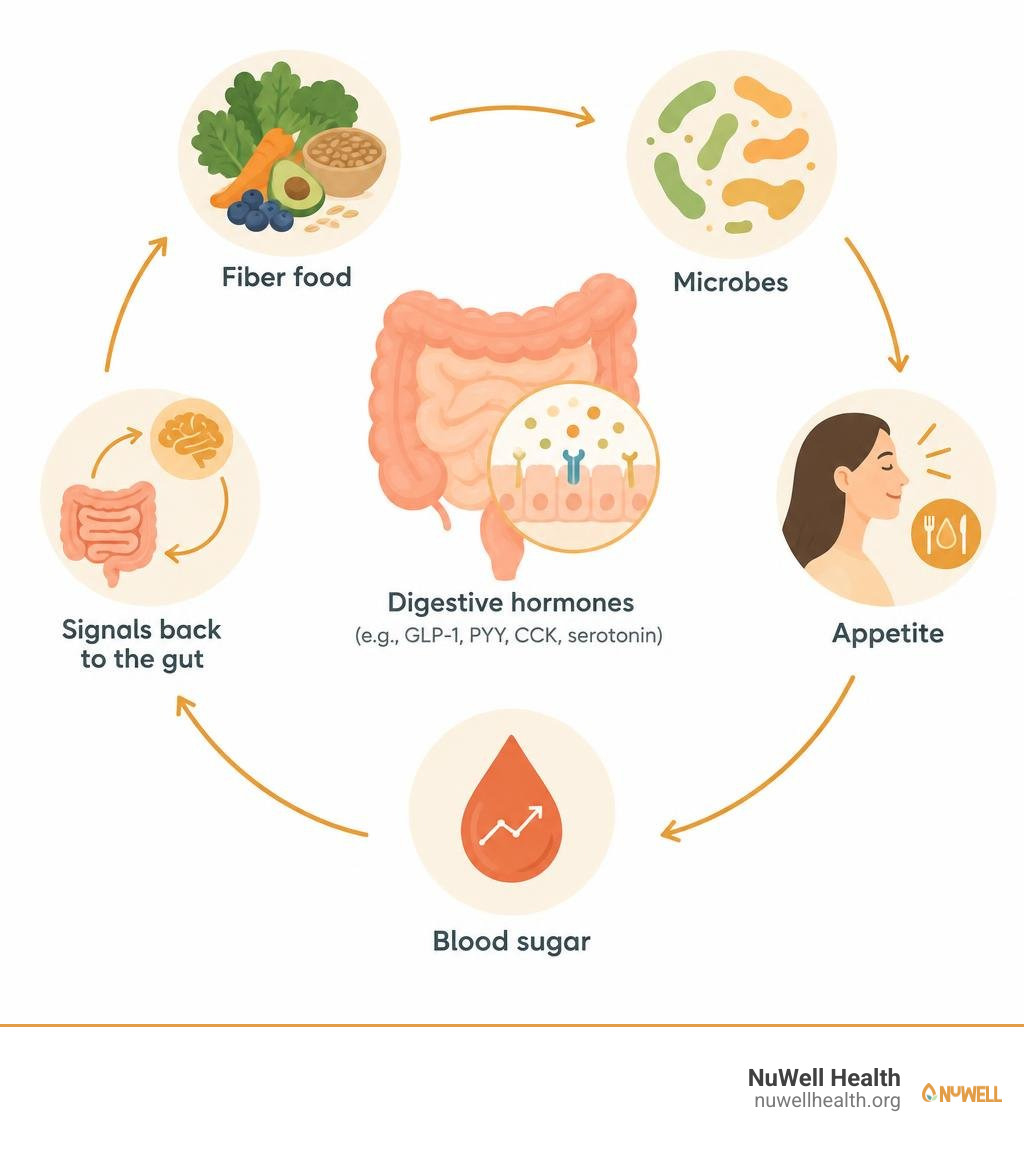
Your gut is not only a place where food is digested. It is also an endocrine organ. Specialized intestinal cells release hormones such as GLP-1, PYY, CCK, and serotonin. These signals can affect fullness, blood-sugar control, digestion, mood, and metabolism.
Meanwhile, gut microbes break down certain fibers into short-chain fatty acids. These compounds can help signal the release of hormones that support appetite and glucose regulation. The relationship works both ways: gut hormones can also change intestinal movement, pH, and food availability, which may shape the microbial community over time.
Symptoms such as fatigue, digestive changes, weight concerns, or mood changes can have many causes. They deserve a thoughtful, individualized evaluation rather than a one-size-fits-all explanation.
NuWell Health offers virtual, whole-person natural health support that considers physical health, mental well-being, lifestyle, and spiritual well-being together. Its services complement, rather than replace, appropriate medical care, counseling, psychiatric care, medication management, or emergency care.
Understanding Enteroendocrine Cells and Key Digestive Hormones
The human gastrointestinal (GI) tract contains the largest endocrine network in the body. Scattered throughout the intestinal lining are specialized sensory cells known as enteroendocrine cells (EECs). Although they make up roughly 1% of the total intestinal epithelial cell population, EECs produce more than 20 distinct bioactive peptide hormones and signaling molecules The intestine as an endocrine organ and the role of gut hormones in metabolic regulation | Nature Reviews Gastroenterology & Hepatology.
These specialized cells act as chemosensors, directly sampling the contents of the intestinal lumen—including incoming nutrients, digestive fluids, and bacterial byproducts. Once activated, they release regulatory peptides into local tissue and circulation, communicating directly with the enteric nervous system, the vagus nerve, the pancreas, the liver, and the brain.
Key digestive hormones and their primary cellular sources include:
- Glucagon-Like Peptide-1 (GLP-1): Secreted primarily by L cells located in the distal ileum and colon. GLP-1 stimulates glucose-dependent insulin secretion from pancreatic beta cells, inhibits glucagon release, slows gastric emptying, and promotes central satiety.
- Peptide YY (PYY): Co-secreted with GLP-1 from L cells in response to dietary fat and fermentable fiber. PYY acts on the hypothalamus to reduce appetite and slows intestinal transit (the “ileal brake”), allowing thorough nutrient absorption.
- Cholecystokinin (CCK): Produced by I cells in the duodenum and jejunum. CCK stimulates gallbladder contraction, triggers pancreatic enzyme secretion, delays gastric emptying, and signals meal termination.
- Serotonin (5-Hydroxytryptamine or 5-HT): Synthesized largely by enterochromaffin cells (ECs), which reside throughout the mucosal lining. Over 90% of the body’s total serotonin is produced in the gut, where it coordinates intestinal motility, secretion, visceral perception, and gut-brain signaling.
- Ghrelin: Released mainly by P/D1 cells in the stomach lining. Often termed the “hunger hormone,” ghrelin rises before meals to stimulate appetite and promotes gastric acid secretion and motility.
| Hormone | Primary Cell Source | Anatomic Location | Key Physiological Roles |
|---|---|---|---|
| GLP-1 | L cells | Distal ileum, colon | Stimulates insulin, suppresses glucagon, delays gastric emptying, increases satiety |
| PYY | L cells | Ileum, colon | Slows upper GI motility (ileal brake), signals fullness to the central nervous system |
| CCK | I cells | Duodenum, jejunum | Triggers bile and enzyme release, aids fat digestion, promotes short-term satiety |
| Serotonin (5-HT) | Enterochromaffin cells | Throughout GI tract | Coordinates peristalsis, fluid secretion, visceral sensation, platelet function |
| Ghrelin | P/D1 cells | Stomach fundus | Signals hunger, initiates meal intake, promotes gastric motility |
The Role of the Estrobolome in Estrogen Regulation
The gut microbiome also plays an important role in systemic steroid hormone regulation, particularly estrogens. The collection of bacterial genes capable of metabolizing estrogens is known as the estrobolome.
When the liver processes circulating estrogens, it conjugates them to glucuronic acid, rendering them water-soluble so they can be excreted via bile into the digestive tract. Specific intestinal bacteria produce an enzyme called beta-glucuronidase. This enzyme deconjugates estrogen complexes in the intestinal lumen, allowing free, active estrogen to be reabsorbed across the intestinal wall back into the bloodstream via enterohepatic circulation.
When the microbial community is balanced, beta-glucuronidase activity remains tightly regulated. However, microbial dysbiosis can lead to altered enzyme activity. Excessively high beta-glucuronidase activity can result in increased estrogen reabsorption, contributing to relative estrogen dominance. Conversely, reduced activity can limit estrogen recycling, which may influence estrogen-sensitive tissues throughout the body. Establishing a solid foundation starts with understanding hormone balance basics across organ systems.
The Science Behind Gut Health Hormone Balance and Interkingdom Signaling
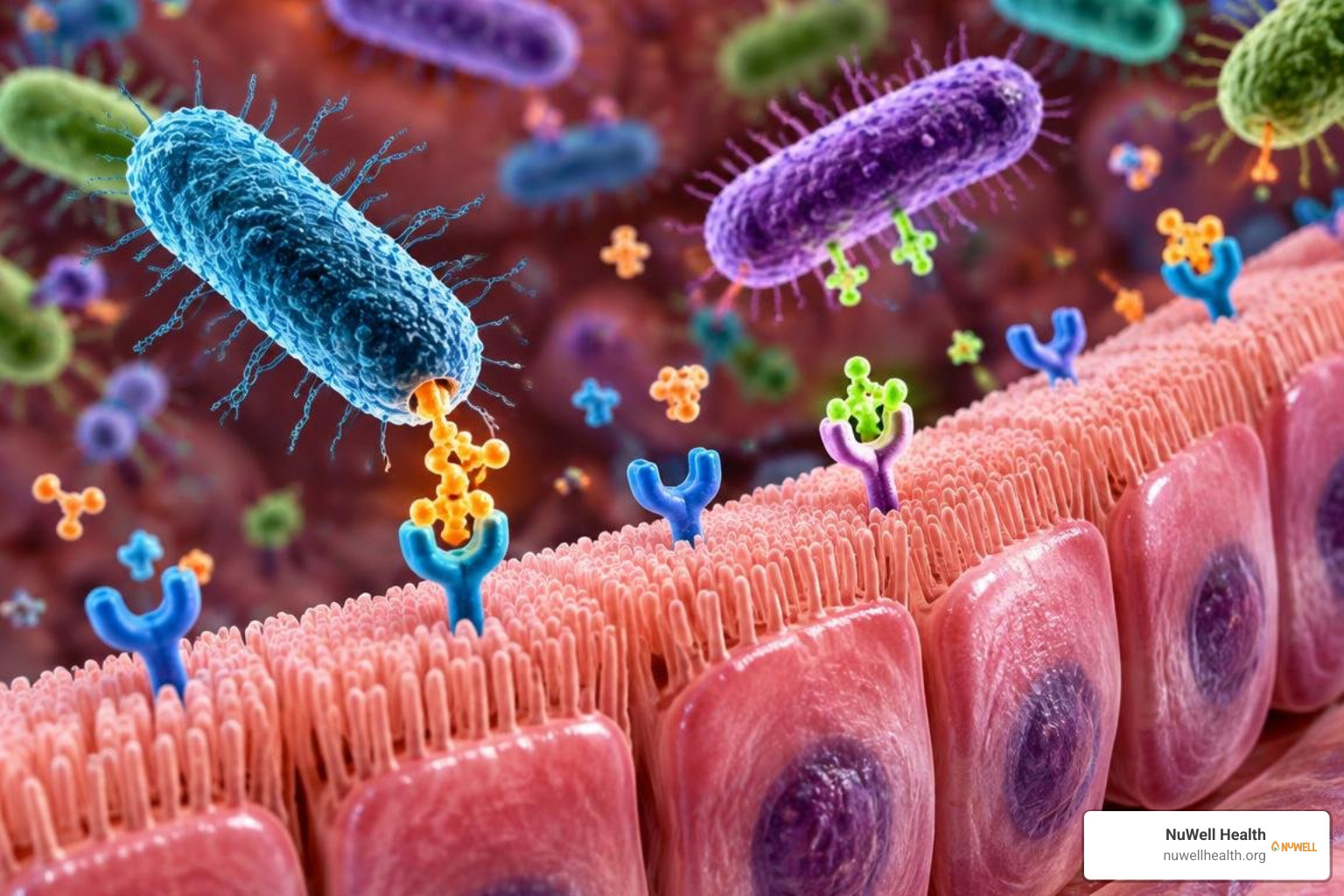
The human gastrointestinal tract is home to more than 1,000 microbial species, with over 90% of bacteria belonging to the Firmicutes and Bacteroidetes phyla (Zhao et al., 2025). Communication between these microscopic organisms and human host cells is referred to as interkingdom signaling Interkingdom signaling between gastrointestinal hormones and the gut microbiome.
Rather than acting as passive passengers, intestinal microbes synthesize chemical messengers that bind to host receptors, influencing metabolic rate, immune function, and endocrine output. In return, host hormones alter the physical and chemical environment of the gut, influencing microbial growth, gene expression, and colonization dynamics (Khan et al., 2025). This interkingdom network links local digestion to systemic neuroendocrine regulation across the gut-brain axis.
How Microbial Metabolites Influence Gut Health Hormone Balance
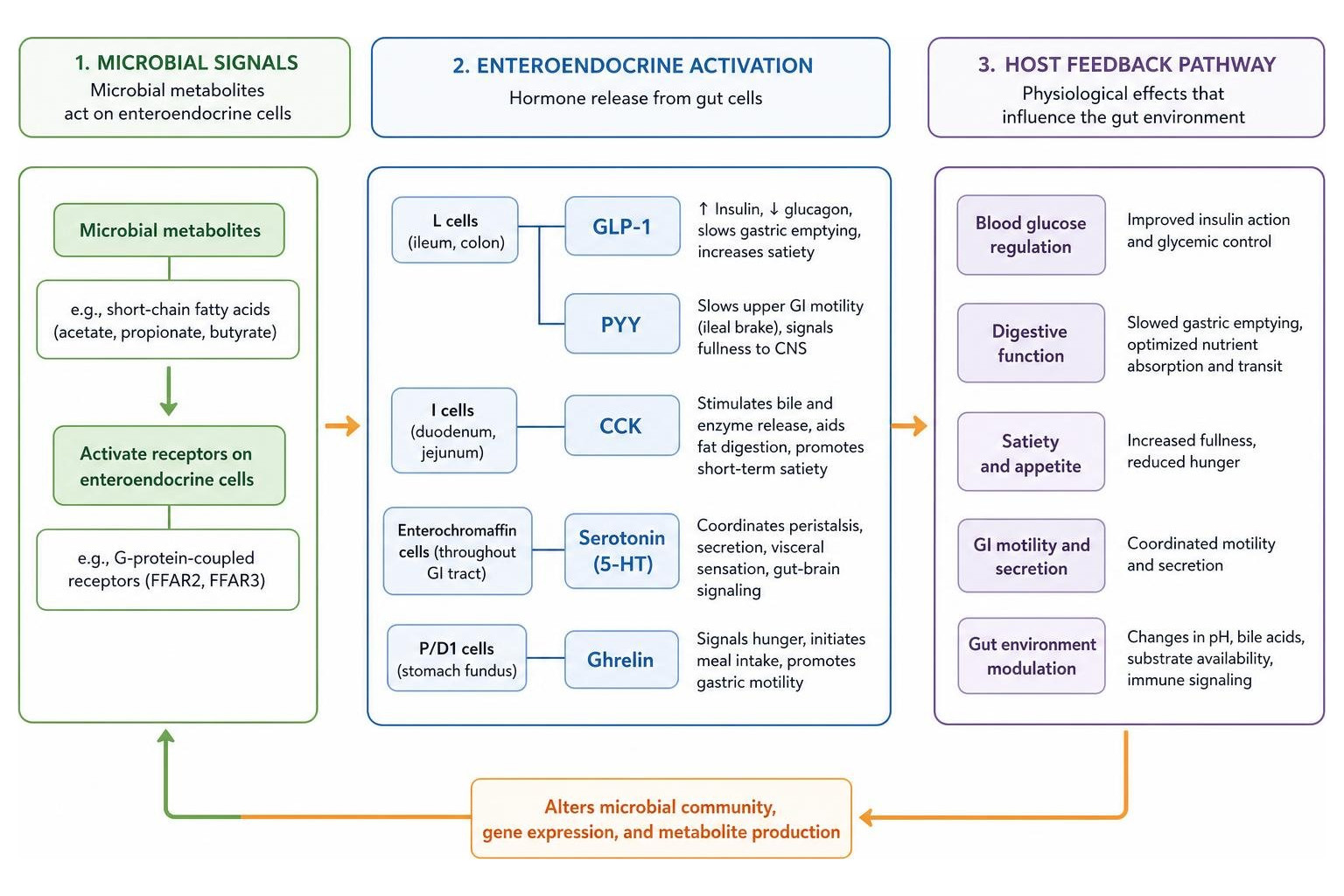
Gut microbes influence host physiology primarily through the production of bioactive metabolites generated during the breakdown of dietary substrates. Over 90% of short-chain fatty acids (SCFAs)—mainly acetate, propionate, and butyrate—are produced by gut microbes fermenting non-digestible dietary fibers (Zhao et al., 2025).
These metabolites act as signaling molecules through specific G-protein-coupled receptors:
- GPR41 and GPR43 (Free Fatty Acid Receptors 3 and 2): SCFAs bind to GPR41 and GPR43 on intestinal L cells, stimulating the transcription and secretion of GLP-1 and PYY. This process links high-fiber dietary intake directly to improved glycemic control and enhanced feelings of fullness (Zhao et al., 2025).
- Tryptophan Hydroxylase 1 (TPH1) Upregulation: SCFAs promote the expression of colonic TPH1, the rate-limiting enzyme in serotonin synthesis within enterochromaffin cells, helping maintain healthy intestinal transit and enteric signaling (Zhao et al., 2025).
- Secondary Bile Acid Transformation: Approximately 95% of bile acids synthesized by the liver are reabsorbed in the terminal ileum. The remaining 5% pass into the colon, where resident bacteria transform them into more than 50 distinct secondary bile acids (such as deoxycholic acid and lithocholic acid) via deconjugation, dehydroxylation, and dehydrogenation. These secondary bile acids activate the Takeda G-protein-coupled receptor 5 (TGR5) and the Farnesoid X Receptor (FXR), triggering further GLP-1 release and modulating lipid and glucose homeostasis (Zhao et al., 2025).
- Endotoxin and Inflammatory Signaling: When the mucosal barrier is compromised, lipopolysaccharide (LPS)—a component of the outer membrane of Gram-negative bacteria—can translocate into systemic circulation. This triggers low-grade metabolic endotoxemia via Toll-Like Receptor 4 (TLR4), which may disrupt normal insulin receptor signaling and alter enteroendocrine sensitivity. Addressing these systemic factors begins with resolving underlying digestive issues through targeted nutritional care.
How Gastrointestinal Hormones Reshape the Microbiome
Interkingdom signaling is strictly bidirectional. Gastrointestinal hormones directly and indirectly alter the composition, spatial organization, and metabolic behavior of the gut microbiota:
- GLP-1 and Incretin Feedback: GLP-1 receptor activation slows gastrointestinal transit, altering local transit time and nutrient availability. Preclinical research demonstrates that administration of long-acting GLP-1 fusion peptides favorably reduces the Firmicutes-to-Bacteroidetes ratio, boosting beneficial genera such as Bifidobacterium, Lachnospiraceae, and Turicibacter while reducing potentially inflammatory groups such as Clostridium and Romboutsia (Zhao et al., 2025).
- Cholecystokinin (CCK) and Bile Secretion: CCK release prompts the secretion of bile acids, which exhibit natural antimicrobial properties. This helps regulate the density of bacteria in the upper small intestine, preventing microbial overgrowth in the duodenum and jejunum.
- Serotonin and Bacterial Virulence: Intestinal serotonin influences bacterial motility, colonization rates, and quorum sensing—the communication mechanism bacteria use to coordinate gene expression and biofilm formation (Khan et al., 2025).
Clinical Implications of Gut-Hormone Dysregulation

When communication between the microbiome and enteroendocrine cells is altered, the resulting dysregulation can contribute to a broad range of metabolic and gastrointestinal conditions:
- Metabolic Syndrome and Type 2 Diabetes: Reduced abundance of SCFA-producing bacteria can lead to diminished L-cell stimulation, resulting in blunted postprandial GLP-1 and PYY responses. Combined with LPS-induced inflammation, this contributes to progressive peripheral insulin resistance, altered hepatic glucose production, and impaired satiety regulation.
- Irritable Bowel Syndrome (IBS): Altered enterochromaffin cell signaling and abnormal mucosal serotonin concentrations are frequently observed in functional bowel disorders. Excess local serotonin signaling can accelerate transit and promote diarrhea-predominant symptoms, while insufficient serotonin availability is often associated with delayed transit and constipation.
- Inflammatory Bowel Disease (IBD): In conditions such as Crohn’s disease and ulcerative colitis, extensive mucosal inflammation compromises the architecture and density of enteroendocrine cells. Reduced SCFA synthesis by depleted anaerobic populations exacerbates mucosal barrier breakdown, further impairing normal hormone secretion and epithelial repair (Zhao et al., 2025).
- Short Bowel Syndrome (SBS): Surgical resection of the distal small intestine removes high concentrations of L cells, resulting in rapid transit and severe malabsorption. In clinical practice, synthetic GLP-2 analogues are utilized to promote mucosal adaptation, enhance villus height, and improve fluid and nutrient absorption.
- Neuroendocrine and Stress Axis Interactions: Chronic psychological or physiological stress elevates systemic cortisol and sympathetic tone. Norepinephrine release alters intestinal barrier integrity and modulates bacterial gene expression, which can suppress regular digestive hormone secretion and perpetuate gut-brain distress. Addressing these interconnected concerns requires a commitment to empowered root-cause healing.
Step-by-Step Strategies to Optimize Gut and Endocrine Function
Supporting the gut-hormone axis involves consistent, daily nutrition and lifestyle practices that provide the necessary substrates for beneficial bacteria while encouraging normal enteroendocrine signaling.
- Diversify Dietary Fiber: Aim for 30 to 45 grams of dietary fiber daily from diverse whole foods, introduced gradually. Include sources of fermentable carbohydrates and resistant starches (such as cooked and cooled potatoes, oats, legumes, green bananas, and asparagus) to fuel SCFA production and support science-backed nutrition and weight management.
- Incorporate Polyphenol-Rich Foods: Blueberries, pomegranates, green tea, dark leafy greens, and pure cocoa contain polyphenols that escape upper GI absorption. Colonic microbes metabolize these compounds, promoting the growth of beneficial species like Akkermansia muciniphila, which supports mucosal barrier integrity.
- Add Naturally Fermented Foods: Unpasteurized sauerkraut, kimchi, traditional kefir, and unsweetened plain yogurt introduce beneficial fermentation byproducts and lactic acid bacteria that support intestinal pH balance.
- Prioritize Consistent Meal Timing: Enteroendocrine secretion follows circadian rhythms. Consuming meals at predictable intervals without late-night grazing helps align peripheral clock genes in intestinal enterocytes with central metabolic signals.
- Support Healthy Estrogen Metabolism: Include cruciferous vegetables (broccoli, Brussels sprouts, cabbage, arugula) rich in indole-3-carbinol and sulforaphane, which aid phase II liver conjugation pathways and microbial beta-glucuronidase balance when balancing hormones naturally.
Practical Daily Habits to Restore Gut Health Hormone Balance
At NuWell Health, we have found that lasting metabolic and hormonal resilience relies on daily, sustainable lifestyle rhythms that nurture the mind, body, and spirit:
- Establish Regular Sleep Patterns: Aim for 7 to 9 hours of quality sleep nightly. Sleep disruption alters microbial diversity within 48 hours and can elevate ghrelin while suppressing leptin and GLP-1 sensitivity.
- Incorporate Christian Prayer and Meditation: Setting aside quiet time each morning for scripture reflection and prayer can downregulate sympathetic nervous system activity, lowering stress hormones and supporting healthy vagal nerve tone for improved digestion.
- Maintain Intentional Hydration: Drink adequate filtered water between meals to support mucosal layer production and facilitate regular stool elimination, preventing the stagnation of bile acids and reabsorption of waste products.
- Engage in Gentle, Consistent Movement: Moderate daily activity—such as brisk walking, swimming, or resistance training—increases microbial SCFA synthesis and improves peripheral insulin sensitivity without overtaxing the adrenal glands.
- Minimize Environmental Chemical Exposure: Reduce exposure to endocrine-disrupting chemicals (EDCs) by choosing glass food containers, filtering drinking water, and selecting natural personal care products to minimize liver and estrobolome burdens.
When to Seek Multidisciplinary Functional Health Support
While foundational dietary and lifestyle changes are essential, complex symptoms often require personalized evaluation. You may benefit from comprehensive virtual support if you experience:
- Persistent digestive discomfort (chronic bloating, abdominal pain, irregular bowel frequency)
- Unexplained weight changes or significant metabolic resistance despite healthy habits
- Severe premenstrual symptoms, heavy cycles, or perimenopausal difficulties
- Ongoing fatigue, brain fog, or low resilience to everyday stressors
When to Seek Immediate Medical Attention: Certain symptoms require prompt evaluation by a medical doctor, gastroenterologist, or emergency service. Do not rely on natural wellness support if you experience:
- Unintended, rapid weight loss
- Persistent blood in your stool or black, tarry stools
- Severe, sudden abdominal pain
- Difficulty swallowing or persistent vomiting
- High fever accompanied by acute gastrointestinal symptoms
- Severe depressive episodes or thoughts of self-harm (In the US, call or text 988 for immediate crisis support, or call 911 for medical emergencies)
NuWell Health does not provide emergency medical services or acute crisis management.
What a NuWell Consultation Includes
NuWell Health provides virtual, whole-person natural health support through a collaborative, multidisciplinary team of practitioners, including clinical nutrition specialists, integrative health educators, lifestyle practitioners, and spiritual wellness coaches.
Our team approaches your health by evaluating the interactions among physical health, mental well-being, daily lifestyle rhythms, and spiritual well-being together. During an initial consultation, our practitioners take time to:
- Review your comprehensive health history, dietary patterns, and lifestyle environment.
- Help identify potential root-cause contributors to digestive or endocrine disruptions.
- Develop an individualized, actionable lifestyle, nutritional, and restorative plan tailored to your personal goals and faith preferences.
- Collaborate with and complement your established primary care physicians, specialists, and mental health providers.
Frequently Asked Questions about Gut Health and Hormones
How does poor gut health affect female hormone balance?
An altered intestinal microbiome can disrupt the activity of beta-glucuronidase, an enzyme produced by estrobolome bacteria. When beta-glucuronidase activity is elevated, conjugated estrogens that were destined for excretion are deconjugated and reabsorbed back into the bloodstream. This increased reabsorption can contribute to relative estrogen dominance, heavy or painful cycles, breast tenderness, and mood fluctuations. Supporting regular bowel elimination and gut barrier integrity helps maintain appropriate estrogen clearance.
Can improving gut health help increase natural GLP-1 production?
Yes. Enteroendocrine L cells in the lower small intestine and colon release GLP-1 when triggered by short-chain fatty acids (SCFAs), particularly propionate and butyrate. Increasing dietary intake of prebiotic fibers, resistant starches, and polyphenol-rich plant foods fuels SCFA production, which can naturally stimulate L-cell receptors (GPR41/43) to support satiety and glucose regulation.
How long does it take to balance hormones by healing the gut?
Biological adaptations occur in stages. While intestinal epithelial cells regenerate rapidly (turning over every 3 to 5 days) and microbial populations can shift within days of a dietary transition, measurable improvements in endocrine balance, cycle regularities, and metabolic markers typically require 8 to 12 weeks of sustained lifestyle and nutritional consistency. Because multiple factors influence endocrine function, timelines vary by person.
Conclusion: Embracing Whole-Person Harmony for Lasting Vitality
Achieving balanced metabolic and digestive health requires looking beyond isolated symptoms to care for the whole person—mind, body, and spirit. By nourishing your microbiome with nutrient-dense foods, supporting healthy daily rhythms, and addressing root contributors, you create an internal environment where your gut and endocrine system work in harmony.
If you are navigating persistent digestive or hormonal symptoms and want thoughtful, personalized guidance, our virtual care team is here to walk alongside you.
We invite you to schedule a free discovery call with NuWell Health to discuss your health goals, learn how our whole-person approach works, and explore individualized steps to support your vitality.
Find comprehensive, personalized support for hormone imbalance and take your next step toward sustainable wellness.
Published: September 2026 Last Reviewed: September 2026 Practitioner Review Team: Multidisciplinary Clinical Care Team at NuWell Health (MS, CNS, LDN; Specialties in Integrative Nutrition, Functional Digestive Health, and Whole-Person Wellness)
Educational & Scope Disclaimer: This article is for informational and educational purposes only and does not constitute medical advice, diagnosis, or treatment. NuWell Health provides virtual, whole-person natural health and lifestyle support designed to complement, rather than replace, appropriate care from licensed physicians, specialists, mental health counselors, psychiatrists, medication prescribers, or emergency personnel. Always consult your personal healthcare team before making significant changes to your medical plan, prescription medications, or wellness routine.
References
Zhao X, Qiu Y, Liang L, Fu X. “Interkingdom signaling between gastrointestinal hormones and the gut microbiome..” Gut microbes, 2025. PMCID PMC11776477. Muhammad Talha Khan, Muhammad Zohair, Areeba Khan, Ahmed Kashif, Sadia Mumtaz, Fiza Muskan. “From Gut to Brain: The roles of intestinal microbiota, immune system, and hormones in intestinal physiology and gut–brain–axis.” Molecular and Cellular Endocrinology, 2025. DOI 10.1016/j.mce.2025.112599.
Clinical Review and Publication Approval
This educational content has been reviewed for clinical accuracy, evidence quality, and practitioner scope by a qualified digestive and metabolic wellness specialist prior to publication.
If you are ready to explore how gut health and hormone balance may be connected in your own life, we invite you to schedule a free discovery call with the NuWell care team. During this initial conversation, we will listen to your health history, answer questions about our whole-person approach, and help you decide whether virtual natural health support is a good fit for your goals.
This article was researched with AI and heavily edited by Jordan Oliver for accuracy and relevance.
Jordan is an author, ordained minister, and online host for His Glory TV, sharing biblically grounded insights on faith, prayer, and spiritual growth. She is the co-founder of Triple-Braided Cord Co., an intercessory prayer and healing ministry inspired by Ecclesiastes 4:12.
Jordan holds a Bachelor’s degree in Communications and Religious Studies from High Point University and is a certified Spiritual Life Coach through iCoachLife in Nashville, Tennessee. Drawing from her ministry, coaching, and academic experience, she creates trustworthy, faith-based content that helps readers grow in their relationship with God. Learn more about Jordan here.