
What Causes Excess Gas in the Lower Abdomen?
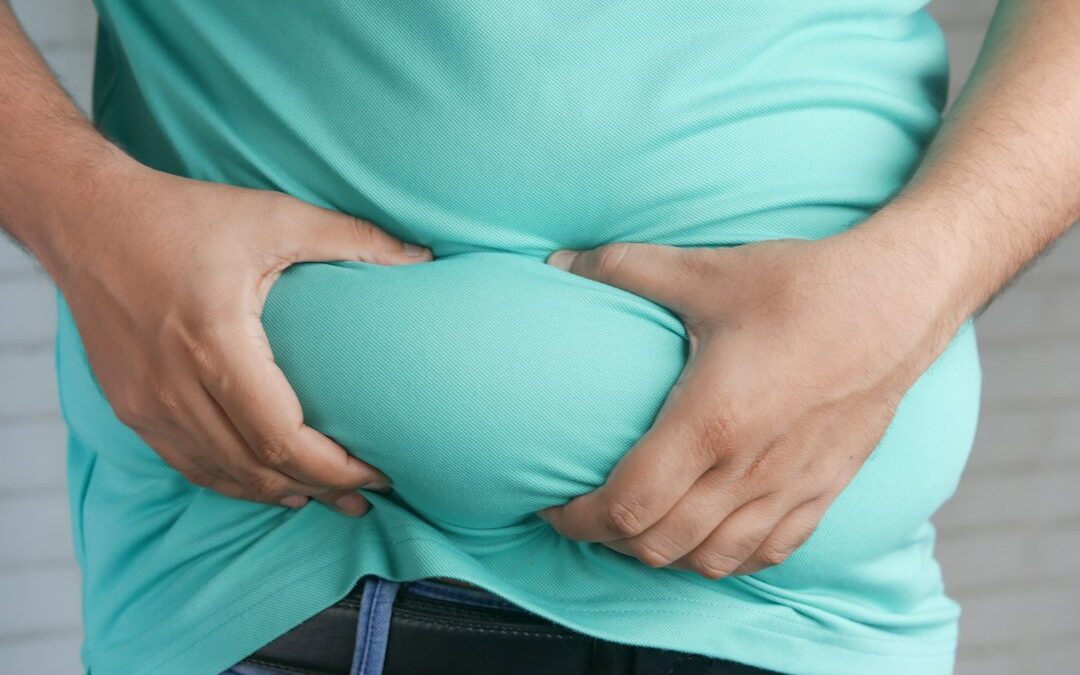
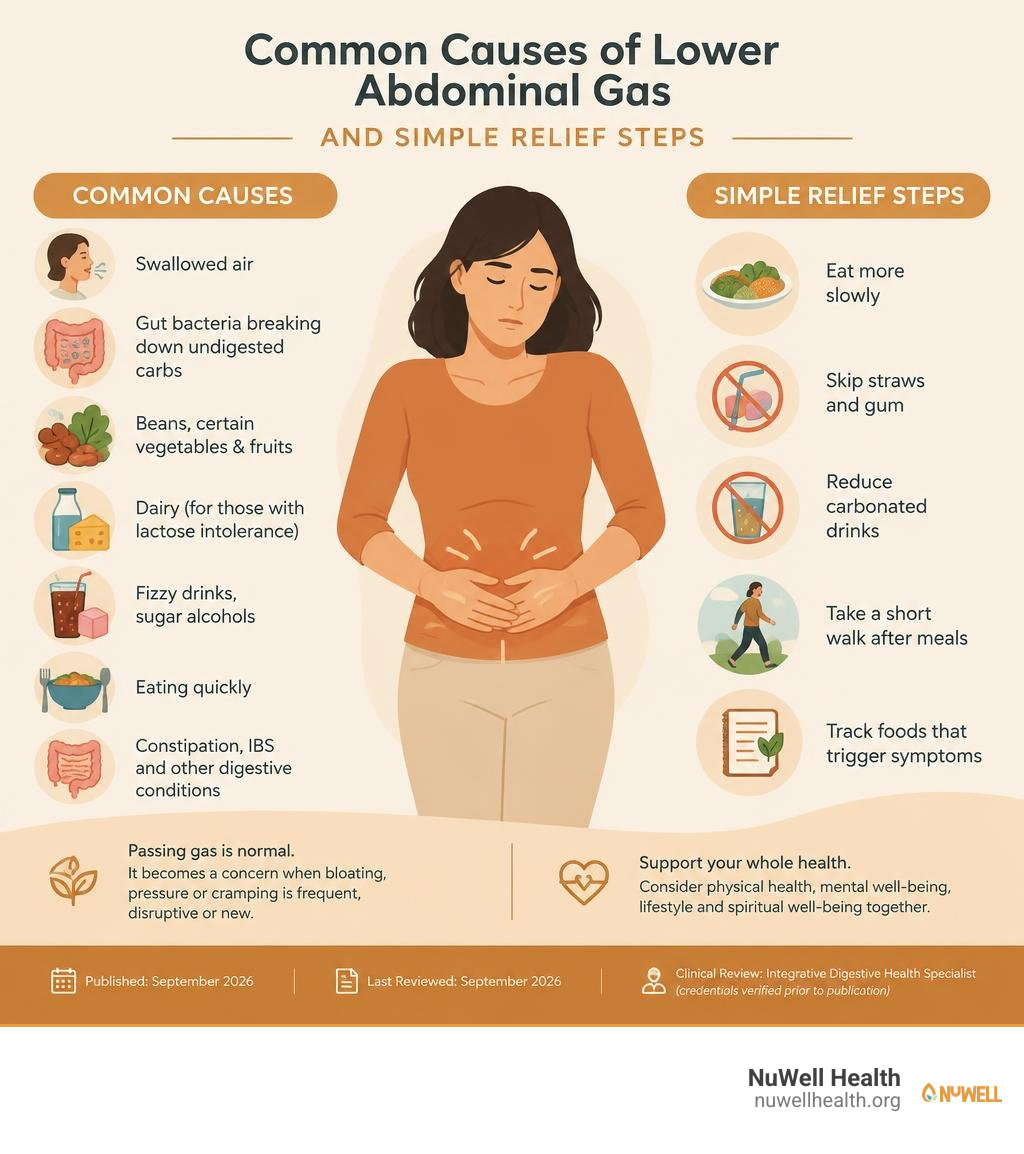
Excess gas in the lower abdomen usually comes from two sources: swallowed air and gas made when gut bacteria break down carbohydrates that were not fully digested. Beans, certain vegetables and fruits, dairy for people with lactose intolerance, fizzy drinks, sugar alcohols, and eating quickly can all contribute. Constipation, irritable bowel syndrome (IBS), and other digestive conditions may also make gas harder to pass or more painful.
Passing gas is normal. Many people pass gas about 8 to 14 times a day, and up to 25 times may still be within a typical range. It becomes a concern when bloating, pressure, or cramping is frequent, disruptive, or new.
A few simple steps may help: eat more slowly, skip straws and gum, reduce carbonated drinks, take a short walk after meals, and track foods that seem to trigger symptoms. Do not cut out major food groups without a clear reason or professional guidance.
NuWell Health offers virtual, whole-person natural health support that considers physical health, mental well-being, lifestyle, and spiritual well-being together. These services complement, not replace, appropriate medical care, counseling, psychiatric care, medication management, or emergency care. Severe or persistent pain needs medical evaluation.
Medical content should be reviewed and approved by a qualified clinician before publication.
Published: September 2026
Last Reviewed: September 2026
Clinical Review: Integrative Digestive Health Specialist (credentials verified prior to publication)
Disclaimer: This article is for educational purposes only and does not provide individualized medical diagnosis or treatment. NuWell Health’s natural health services complement rather than replace appropriate medical care, counseling, psychiatric care, medication management, or emergency services.
Understanding What Causes Excess Gas in Lower Abdomen
Gas production is an unavoidable outcome of digestion. When food moves through the digestive tract, complex macronutrients—particularly carbohydrates, plant fibers, and resistant starches—resist complete breakdown by stomach acid and digestive enzymes in the upper gastrointestinal (GI) tract. When these unabsorbed food particles reach the large intestine (colon), the resident bacterial microbiome ferments them.
During this normal biological fermentation, gut microbes consume the carbohydrates and produce short-chain fatty acids alongside various gases, primarily hydrogen, carbon dioxide, and methane. As outlined in the symptoms and causes of digestive tract gas from the National Institute of Diabetes and Digestive and Kidney Diseases (NIDDK), the quantity and composition of these gases vary significantly depending on microbiome balance, intestinal transit time, and individual diet.
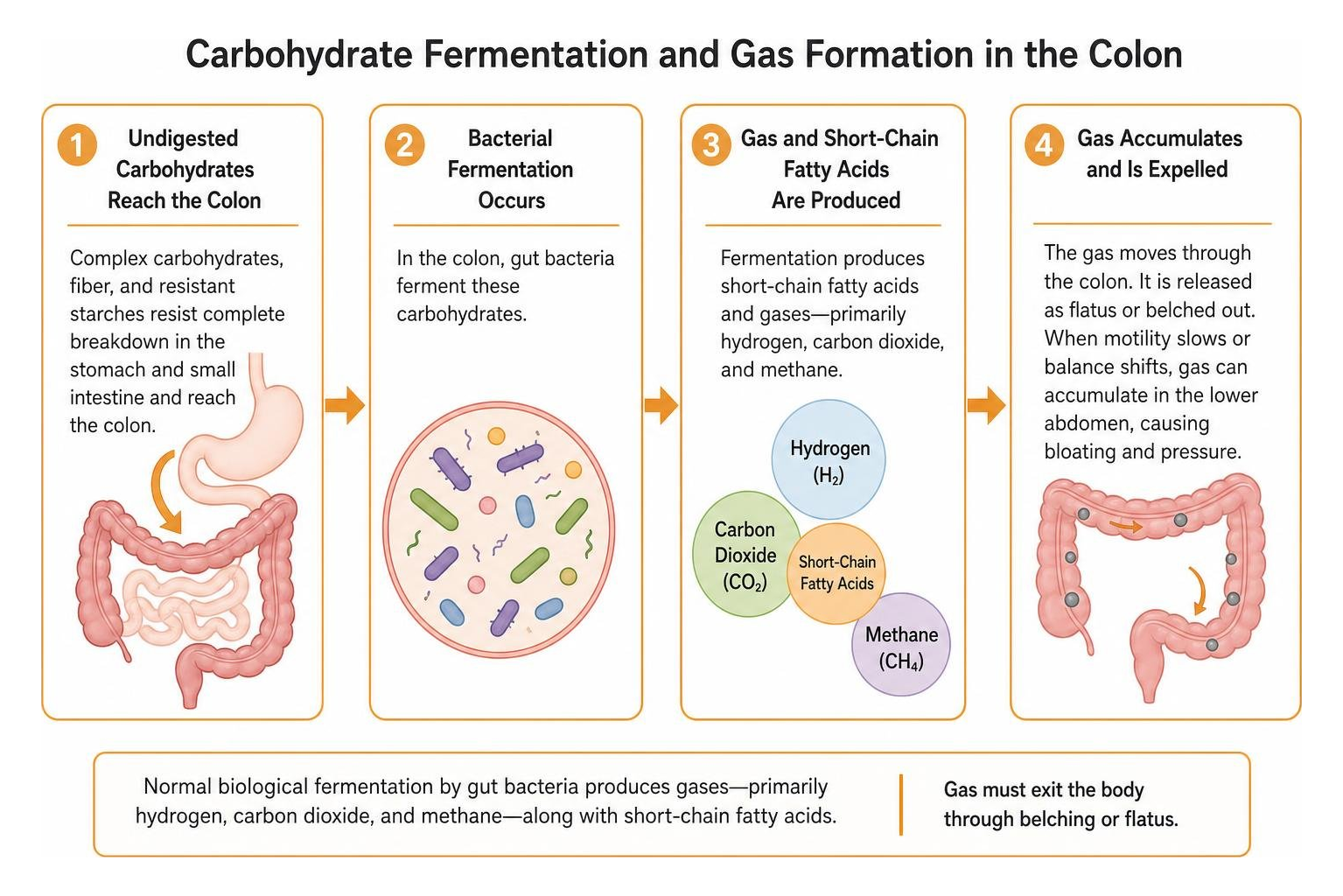
When gut motility slows or the intestinal balance shifts, this gas can pool low in the belly, creating uncomfortable pressure. At NuWell Health, we have found that understanding the root causes of persistent stomach issues requires examining the full person—from daily eating patterns and nervous system tone to underlying gut dynamics.
How Intestinal Gas Forms and Normal Flatus Statistics
Clinical studies suggest that most people produce between 1 to 4 pints (roughly 0.5 to 2 liters) of intestinal gas each day. This gas must exit the body through belching or flatus.
Consider these typical physiological benchmarks:
- Flatus Frequency: Healthy individuals pass gas an average of 8 to 14 times per day.
- Normal Upper Range: Medical consensus considers passing gas up to 25 times per day to be entirely normal.
- Belching: The typical adult belches up to 20 to 30 times a day, largely due to small amounts of swallowed air.
- Gas Composition: Intestinal gas is largely odorless (nitrogen, oxygen, hydrogen, methane, and carbon dioxide). Trace sulfur compounds produced by specific bacterial strains create distinct odors.
When digestion operates smoothly, gas moves through the bowel loops without causing distress. Discomfort arises when gas becomes trapped, transit slows, or the intestinal walls become overly sensitive to ordinary stretches of volume.
Distinguishing Between Gas Pain and Serious Abdominal Conditions
Gas pain can feel surprisingly intense. Because intestinal loops fold through the lower quadrants of the pelvis and abdomen, trapped pockets of flatus can trigger sharp, stabbing, or crampy sensations. Trapped gas at the splenic flexure (the turn of the colon under the left ribs) can even radiate pain upward, mimicking cardiac or chest conditions.
Crucially, subjective bloating (the internal feeling of pressure or tightness) is not always accompanied by objective distention (a measurable increase in abdominal girth). Research indicates that only about half of individuals who report bloating exhibit measurable distention. This divergence often points to visceral hypersensitivity—a state where the nerves supplying the gut perceive normal amounts of gas as painful.
The table below outlines common differences between benign gas and conditions requiring clinical attention:
| Feature | Typical Gas Discomfort | Potential Red-Flag Condition |
|---|---|---|
| Pain Pattern | Crampy, sharp, shifting location across the belly | Constant, progressively worsening, or fixed in one focal spot (e.g., lower right quadrant) |
| Relief Factors | Improves after passing gas or having a bowel movement | Does not improve with flatus or bowel movements |
| Abdomen Exam | Soft to the touch, non-tender to light pressure | Rigid, hard (“board-like”), or severely tender when touched |
| Systemic Signs | No fever, no unexplained weight loss | High fever, chills, unintended weight loss, persistent vomiting |
| Bowel Habits | Transient changes | Persistent diarrhea, black/tarry stools, or visible rectal bleeding |
Common Dietary Culprits and Eating Habits That Trigger Gas
Dietary choices and the mechanical way we consume food represent two of the most common influences on lower abdominal bloating.
Fermentable Foods and Gas Production
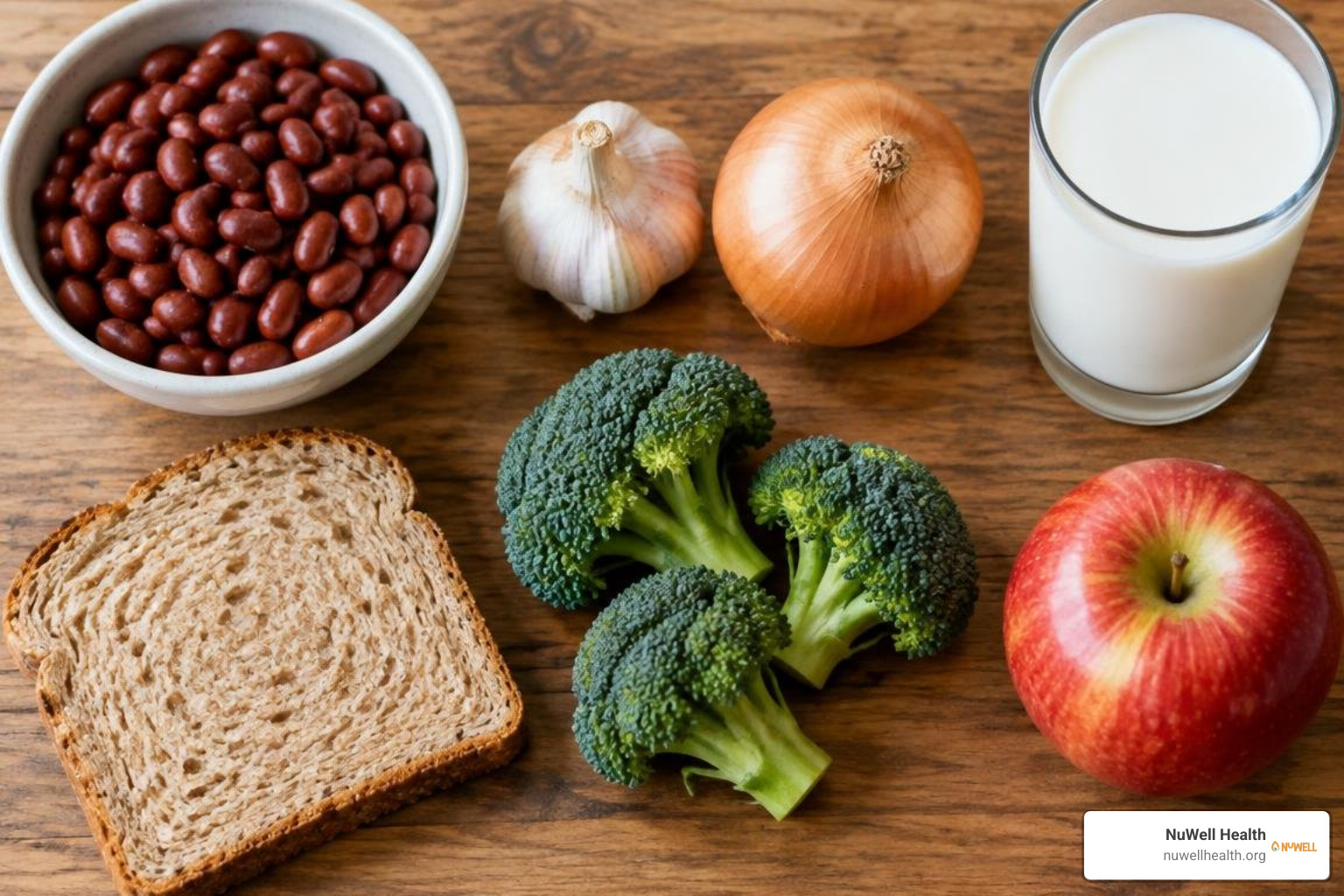
Certain foods naturally resist breakdown in the small intestine, providing a feast for colon bacteria. Chief among these are FODMAPs (Fermentable Oligosaccharides, Disaccharides, Monosaccharides, and Polyols):
- Oligosaccharides (Fructans and Galactans): Found in beans, lentils, chickpeas, onions, garlic, wheat, rye, and cruciferous vegetables (broccoli, Brussels sprouts, cabbage). These contain prebiotic fibers and raffinose, which humans lack the enzymes to break down fully in the upper gut.
- Disaccharides (Lactose): The sugar in milk, cheese, and yogurt. When the small intestine does not produce sufficient lactase enzymes, lactose reaches the colon intact, causing rapid fermentation, gas, and watery stools. Exploring underlying food intolerances and sensitivities can help clarify personal thresholds without unnecessary dietary restrictions.
- Monosaccharides (Excess Fructose): High-fructose corn syrup, honey, apples, pears, and mangoes can overwhelm intestinal absorption capacity in sensitive individuals.
- Polyols (Sugar Alcohols): Sorbitol, mannitol, xylitol, and maltitol—common in sugar-free gums, mints, protein bars, and certain stone fruits—are slowly absorbed and notorious for drawing water into the colon while feeding gas-producing microbes.
Note on Fiber: While dietary fiber supports cardiovascular and metabolic wellness, increasing fiber intake too rapidly can cause temporary gas and bloating as the gut microbiome adapts. Gradually increasing fiber by 2 to 3 grams every few days while drinking adequate water allows your digestive system to adjust comfortably.
Aerophagia and Habits That Introduce Trapped Air
Not all lower abdominal gas originates from bacterial fermentation; a substantial portion begins as swallowed air (aerophagia). While much swallowed air is vented via belching, some passes through the stomach into the small intestine and colon:
- Eating Too Rapidly: Inhaling air alongside large bites of food without thorough chewing.
- Drinking Habits: Sipping through straws, drinking directly from narrow bottles, or consuming carbonated beverages (sodas, sparkling waters, and beers) introduces pressurized carbon dioxide gas directly into the GI tract.
- Oral Habits: Chewing gum and sucking on hard candies encourage frequent swallowing of saliva and air.
- Dentures and Nasal Congestion: Loose-fitting dental appliances or chronic mouth-breathing due to sinus congestion notably increase air intake.
Underlying Health Conditions Behind Chronic Bloating
When lower abdominal gas is constant, painful, or unresponsive to basic dietary adjustments, an underlying functional or structural digestive condition may be present.
Medical Conditions Linked to Lower Intestinal Gas
Several medical conditions alter how gas is produced, processed, or perceived:
- Small Intestinal Bacterial Overgrowth (SIBO): In a healthy gut, the majority of bacteria reside in the large intestine. When structural, motility, or enzymatic issues allow bacteria to proliferate in the small intestine, fermentation occurs prematurely. This leads to intense bloating within 30 to 90 minutes after eating.
- Irritable Bowel Syndrome (IBS): IBS involves dysregulation in the gut-brain axis, often accompanied by altered motility and visceral hypersensitivity. Implementing lifestyle modifications for IBS—such as structured meal spacing and nervous system relaxation—often helps soothe hypersensitive bowel nerves.
- Celiac Disease: An autoimmune reaction to gluten that damages the small intestinal villi, impairing nutrient absorption and driving fermentation in the lower bowel.
- Chronic Constipation: Retained stool mechanically blocks the forward exit of gas. Furthermore, the prolonged dwell time gives colon bacteria more opportunity to ferment fecal matter, compounding gas production.
- Carbohydrate Malabsorption: Aside from lactose, isolated deficiencies in sucrase-isomaltase or impaired fructose transporters can trigger chronic lower quadrant gas.
Structural and Motility Factors in Gas Retention
Sometimes the volume of gas produced is completely normal, but the body’s mechanical clearance mechanisms are impaired:
- Pelvic Floor Dyssynergia: Incoordination of the pelvic floor muscles can prevent the smooth evacuation of stool and flatus, trapping gas low in the rectal vault.
- Abdomino-Phrenic Dyssynergia: An uncoordinated reflex where the diaphragm pushes downward and the abdominal wall relaxes outward in response to normal gas volumes, creating visible belly distention without true gas excess.
- Surgical Adhesions or Strictures: Prior abdominal surgeries can leave internal scar tissue that creates subtle kinks in the bowel, slowing gas transit.
Holistic Strategies and Home Remedies for Gas Relief
Relieving excess gas involves a balanced combination of movement, mindful daily habits, and targeted natural aids.

Daily Habits and Mind-Body Practices for Digestion
The autonomic nervous system directly governs gastrointestinal motility. When stress triggers a “fight-or-flight” response, digestive blood flow decreases and bowel motility stutters, allowing gas to pool. At NuWell Health, we have found that pairing unhurried meal pacing with gentle daily movement and nervous system relaxation provides practical, lasting relief for lower abdominal discomfort.
- Post-Meal Gentle Walking: A 10- to 15-minute walk after eating stimulates peristalsis, helping gas migrate smoothly through the intestines.
- Mindful Eating (Pacing): Sit down in a calm environment, chew each bite thoroughly, and avoid working or screens during meals to minimize aerophagia.
- Diaphragmatic Breathing: Slow belly breathing before and after meals activates the parasympathetic (“rest-and-digest”) vagal pathways.
- Faith-Based Reflection and Prayer: For clients whose personal beliefs center on Christian faith, intentional quiet time, prayer, and scripture meditation provide grounding, helping release daily stress and supporting whole-person physiological balance. NuWell Health also explores mind-body root cause healing to address how emotional tension influences visceral health.
Over-the-Counter and Natural Digestive Support
When dietary changes need gentle reinforcement, several over-the-counter (OTC) and herbal options may offer support:
- Enzyme Formulations:
- Alpha-galactosidase: Breaks down the complex oligosaccharides in beans and cruciferous vegetables when taken with the first bite of food.
- Lactase enzymes: Aids the breakdown of dairy sugars for individuals with mild lactose intolerance.
- Simethicone: An OTC surfactant that coalesces small gas bubbles into larger ones, making them easier to pass. It does not reduce gas production, but can assist in clearance.
- Peppermint Oil (Enteric-Coated): Menthol exerts a smooth-muscle antispasmodic effect on the bowel, easing crampy gas pain. (Note: Avoid if you experience severe acid reflux, as it can relax the lower esophageal sphincter).
- Carminative Herbal Teas: Warm infusions of fennel seed, ginger root, chamomile, or peppermint have traditional use in soothing intestinal spasms and promoting comfortable digestion.
When to Consult a Doctor About Lower Abdominal Gas Pain
While most lower abdominal gas is harmless, severe or progressive symptoms require comprehensive medical evaluation to rule out conditions such as inflammatory bowel disease (IBD), diverticulitis, appendicitis, bowel obstruction, or gynecological issues.
Seek prompt medical care if your gas or abdominal pain is accompanied by:
- Severe, sharp, or sudden-onset pain that worsens rapidly
- Visible blood in your stool, maroon stools, or black/tarry bowel movements
- Unintended, unexplained weight loss
- Persistent daily diarrhea or severe constipation unresponsive to basic remedies
- Unexplained high fever, chills, or persistent nausea and vomiting
- Abdominal pain that consistently wakes you from sleep
- A hard, rigid, or significantly swollen belly that is tender to light touch
What a NuWell Consultation for Digestive Concerns Includes
At NuWell Health, our virtual, whole-person natural health support is designed to look beyond surface-level symptoms and explore how your daily life, nutrition, and nervous system interact.
A multidisciplinary consultation includes:
- Comprehensive History: A deep, collaborative look into your unique digestive timeline, daily food intake, meal pacing, lifestyle routines, and past health history.
- Whole-Person Assessment: Evaluating physical well-being, mental and emotional stressors, lifestyle factors, and spiritual health together, respecting your personal values and preferences.
- Collaborative Action Plan: Tailoring sustainable, non-restrictive nutrition guidance, mindful eating practices, and evidence-informed natural therapies to support digestive comfort.
- Coordinated Care: Ensuring that all natural health recommendations seamlessly complement and respect the care, medications, and diagnoses provided by your primary medical and mental health professionals.
Frequently Asked Questions About Lower Abdominal Gas
How do I know if lower abdominal pain is just gas?
Gas pain is typically temporary, moves around different parts of the abdomen, and noticeably improves or resolves after passing flatus or having a bowel movement. The abdomen generally remains soft to the touch without high fever, vomiting, or focal tenderness.
What drinks help relieve gas in the lower belly quickly?
Warm water, freshly brewed ginger tea, peppermint tea, or steeped fennel seed tea can help relax intestinal muscles and encourage trapped gas to move. It is best to avoid carbonated water, sugary sodas, and drinks consumed through straws.
Why does my lower stomach swell like a balloon at night?
Evening bloating often results from the cumulative effect of daytime carbohydrate fermentation, delayed gastric clearance, end-of-day gut muscular fatigue, and “FODMAP stacking” (consuming multiple small amounts of fermentable foods throughout the day that add up in the colon by nightfall).
Conclusion: Whole-Person Support for Lasting Digestive Wellness
Excess gas in the lower abdomen can be disruptive and uncomfortable, but it is rarely a sign of an untreatable problem. By identifying fermentable food triggers, adjusting eating mechanics, supporting gut motility with gentle daily movement, and tending to nervous system health, you can encourage comfortable, natural digestion.
If you are navigating persistent bloating, discomfort, or unexplained digestive changes, you do not have to figure it out alone. Explore our virtual integrative support for digestive issues at NuWell Health to connect with a caring multidisciplinary team focused on your physical, mental, and whole-person wellness.
Ready to find balance? We invite you to schedule a free discovery call with the NuWell care team today. During this initial conversation, we will discuss your health goals, answer your questions, and determine whether our virtual natural health services are the right fit to complement your healthcare journey.
References
- National Institute of Diabetes and Digestive and Kidney Diseases (NIDDK). Symptoms & Causes of Gas in the Digestive Tract. Available from: https://www.niddk.nih.gov/health-information/digestive-diseases/gas-digestive-tract/symptoms-causes
- NuWell Health. A Comprehensive Guide to Constant Stomach Issues and Their Causes. Available from: https://nuwellhealth.org/a-comprehensive-guide-to-constant-stomach-issues-and-their-causes/
- NuWell Health. Food Allergies and Intolerances: The Ultimate Guide to Gut Reactions. Available from: https://nuwellhealth.org/food-allergies-and-intolerances-the-ultimate-guide-to-gut-reactions/
- NuWell Health. The Ultimate Guide to Lifestyle Changes for IBS and Happy Digestion. Available from: https://nuwellhealth.org/the-ultimate-guide-to-lifestyle-changes-for-ibs-and-happy-digestion/
- NuWell Health. Healing from Within: A Deep Dive into Mind Root Cause Treatments. Available from: https://nuwellhealth.org/healing-from-within-a-deep-dive-into-mind-root-cause-treatments/
- Cleveland Clinic. Gas and Gas Pain: Causes, What It Feels Like, Location, Treatment. Available from: https://my.clevelandclinic.org/health/diseases/7314-gas-and-gas-pain
- Mayo Clinic. Gas and gas pains: Symptoms and causes. Available from: https://www.mayoclinic.org/diseases-conditions/gas-and-gas-pains/symptoms-causes/syc-20372709
This article was researched with AI and heavily edited by Jordan Oliver for accuracy and relevance.
Jordan is an author, ordained minister, and online host for His Glory TV, sharing biblically grounded insights on faith, prayer, and spiritual growth. She is the co-founder of Triple-Braided Cord Co., an intercessory prayer and healing ministry inspired by Ecclesiastes 4:12.
Jordan holds a Bachelor’s degree in Communications and Religious Studies from High Point University and is a certified Spiritual Life Coach through iCoachLife in Nashville, Tennessee. Drawing from her ministry, coaching, and academic experience, she creates trustworthy, faith-based content that helps readers grow in their relationship with God. Learn more about Jordan here.