
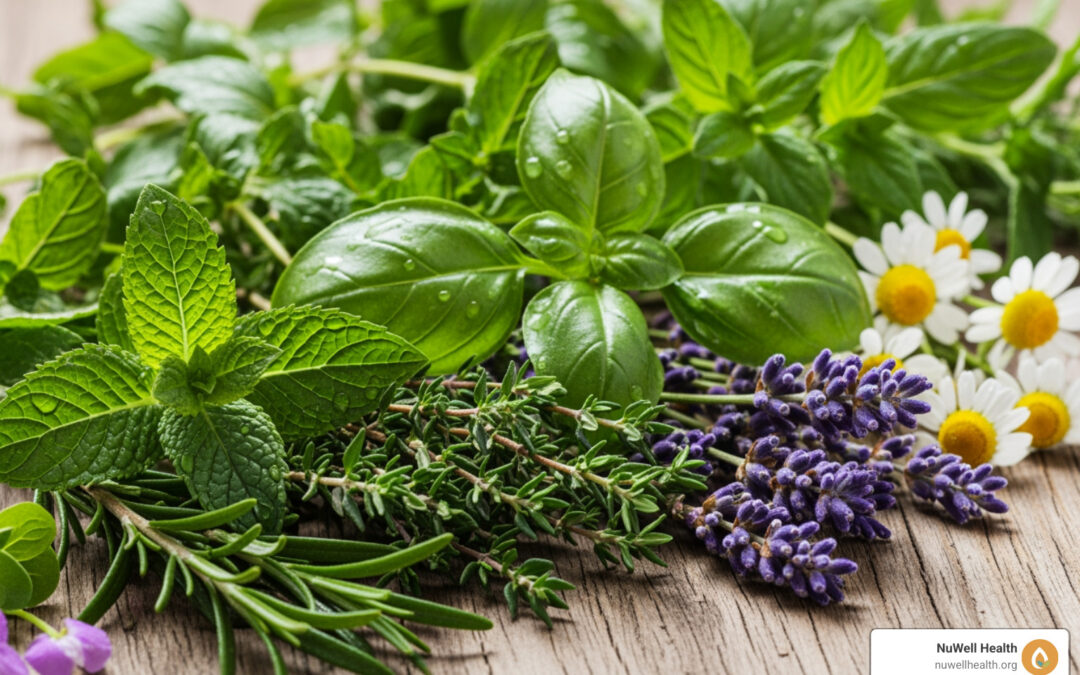
The History and Science of Herbal Medicine
The story of herbalism is as old as humanity itself. When archaeologists uncovered a Neanderthal burial site in northern Iraq, they found pollen from eight different medicinal plant species, including yarrow and mallow. This suggests that even 60,000 years ago, our ancestors understood that certain leaves and flowers held the power to heal. This ancient wisdom forms the foundation of what we call Roots Over Remedies, a philosophy that looks toward nature’s original design to support the body’s innate healing capacity.
In the modern era, the line between “herbal” and “pharmaceutical” is thinner than you might think. Many of the most powerful drugs used in hospitals today were first discovered in the forest. For example, morphine is derived from the opium poppy and remains a gold standard for pain control in terminal care. Digoxin, a critical medication for heart rhythm regulation, was developed from the foxglove plant (Digitalis).
As detailed in resources like 100 Plants That Heal | Angus & Robertson, the science of phytotherapy (plant therapy) focuses on active compounds. These are specific chemicals within the plant—like alkaloids, flavonoids, and tannins—that interact with human biology. While a pharmaceutical drug usually isolates a single compound, a whole plant contains a complex “synergy” of many compounds that often work together to reduce side effects and improve absorption.
In our clinical experience at NuWell Health, we have found that the most sustainable health outcomes occur when we bridge the gap between ancient botanical wisdom and modern diagnostic science. Today, scientific validation is catching up with tradition. While some plants are still used based on anecdotal evidence, others have undergone rigorous clinical trials. At NuWell Health, we believe that integrating this scientific rigor with a preventive lifestyle is the best way to achieve long-term wellness.
100 Medicinal Plants and Their Uses with Pictures: A Comprehensive Guide
To navigate herbalism, it helps to understand the different systems of medicine. Traditional Chinese Medicine (TCM) often focuses on the flow of energy (Qi), while Ayurveda (from India) seeks to balance three “doshas” or body types. Indigenous practices across the Americas and Africa often emphasize a deep spiritual connection to the land.
At NuWell Health, we have observed that these 100 medicinal plants serve as powerful tools for restoring balance when used as part of a comprehensive, root-cause health strategy. Regardless of the system, the plants themselves remain the stars. For a visual reference, many enthusiasts use tools like the 100 Medicinal Plants With Uses – Free PDF With Pictures – Green Packs to identify species in the garden. Below, we break down these healing giants by their primary health benefits.
Immune Support and Respiratory Health: 100 Medicinal Plants and Their Uses with Pictures
Maintaining a strong defense system is the cornerstone of preventive health. Many of these plants possess powerful antimicrobial and antiviral properties.
- Echinacea (Echinacea purpurea): Used by Native Americans for 400 years, it helps shorten the duration of the common cold.
- Elderberry (Sambucus nigra): Rich in flavonoids, it inhibits viral replication in respiratory infections.
- Garlic (Allium sativum): Contains allicin, a potent antimicrobial that supports heart health and immune function.
- Astragalus (Astragalus membranaceus): A TCM staple used to strengthen the “Wei Qi” or protective energy.
- Holy Basil (Ocimum tenuiflorum): Known as “Tulsi,” it is an adaptogen that helps the body handle immune stress.
- Mullein (Verbascum thapsus): Its leaves are excellent for soothing the lungs and clearing mucus.
- Eucalyptus (Eucalyptus globulus): The oil is a common ingredient in decongestants to open airways.
- Goldenseal (Hydrastis canadensis): Often used for its berberine content to fight mucous membrane infections.
- Andrographis (Andrographis paniculata): Frequently called the “King of Bitters,” it is used for acute upper respiratory infections.
- Olive Leaf (Olea europaea): Contains oleuropein, which has strong antiviral and antibacterial effects.
- Oregano (Origanum vulgare): The oil is a powerful antifungal, often used when learning How to Kick Candida to the Curb Holistically.
- Thyme (Thymus vulgaris): Contains thymol, which helps relax the bronchial tubes during a cough.
- Licorice Root (Glycyrrhiza glabra): Soothes sore throats and helps the body produce healthy mucus.
- Cat’s Claw (Uncaria tomentosa): An Amazonian vine used to boost white blood cell counts.
- Black Seed (Nigella sativa): Historically used for “everything but death,” it is highly anti-inflammatory for the lungs.
- Horehound (Marrubium vulgare): A traditional remedy for cough drops and expectorants.
- Sage (Salvia officinalis): Excellent as a tea or gargle for sore throats and laryngitis.
- Pleurisy Root (Asclepias tuberosa): Specifically targets inflammation in the lining of the lungs.
- Boneset (Eupatorium perfoliatum): Historically used to treat the “break-bone fever” or severe flu.
- Schisandra (Schisandra chinensis): An adaptogenic berry that supports liver and respiratory endurance.
Digestive Wellness: 100 Medicinal Plants and Their Uses with Pictures
A healthy gut is essential for overall vitality. At NuWell Health, we often see that Why Your Body Is Ghosting You and How to Address the Root Causes frequently traces back to poor digestion and gut inflammation.
- Ginger (Zingiber officinale): The gold standard for nausea and stimulating digestive enzymes.
- Peppermint (Mentha piperita): Relaxes the smooth muscles of the GI tract to relieve gas and bloating.
- Fennel (Foeniculum vulgare): Chewing the seeds after a meal helps reduce flatulence and indigestion.
- Slippery Elm (Ulmus rubra): Contains mucilage that coats and soothes the stomach lining.
- Marshmallow Root (Althaea officinalis): Similar to slippery elm, it provides a protective “bandage” for the gut.
- Dandelion (Taraxacum officinale): The root is a bitter tonic that stimulates bile production for better fat digestion.
- Yellow Dock (Rumex crispus): Helps with bowel regularity and liver detoxification.
- Milk Thistle (Silybum marianum): Protects the liver from toxins and supports its regenerative capacity.
- Chamomile (Matricaria chamomilla): Calms “nervous stomach” and reduces intestinal inflammation.
- Artichoke Leaf (Cynara scolymus): Boosts bile flow and helps lower cholesterol levels.
- Gentian (Gentiana lutea): Perhaps the most bitter of all herbs, used to jumpstart a sluggish appetite.
- Cardamom (Elettaria cardamomum): Warms the digestive system and reduces cramping.
- Wormwood (Artemisia absinthium): Traditionally used to clear parasites and balance the gut microbiome.
- Plantain (Plantago major): Not the banana-like fruit, but the common weed that heals the gut lining.
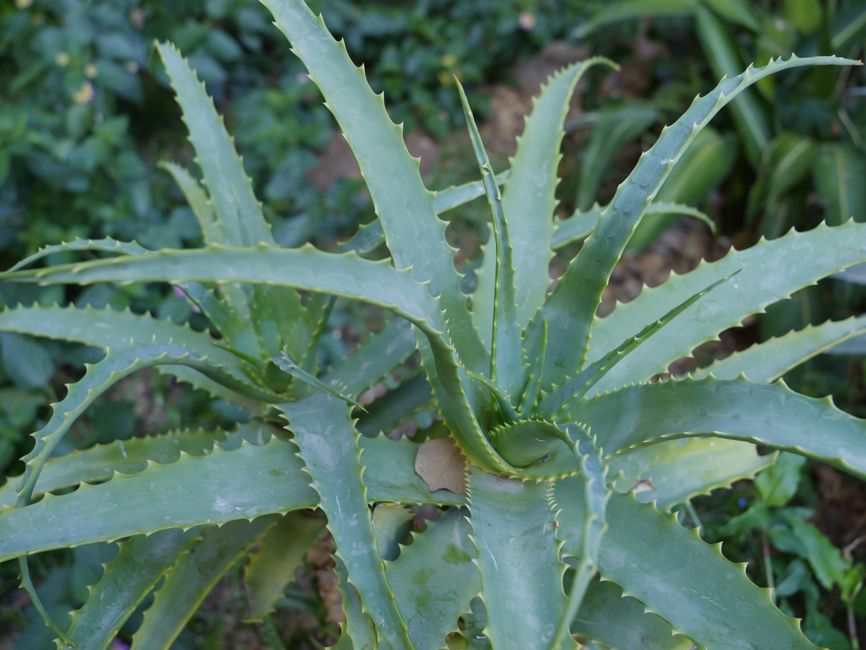
- Aloe Vera Juice (Aloe barbadensis): Used internally (with caution) to soothe inflammatory bowel conditions.
- Cinnamon (Cinnamomum verum): Helps regulate blood sugar and reduces digestive fermentation.
- Triphala: An Ayurvedic blend of three fruits used for gentle, non-habit-forming bowel regularity.
- Caraway (Carum carvi): Often used in cooking to prevent the gas associated with heavy cruciferous vegetables.
- Burdock Root (Arctium lappa): A prebiotic fiber that feeds the “good” bacteria in your gut.
- Turmeric (Curcuma longa): Its curcumin content reduces systemic inflammation throughout the digestive tract.
Stress Relief and Cognitive Function
Modern life is taxing on the brain and the nervous system. These plants, known as adaptogens and nervines, help the body maintain equilibrium. We explore these further in our guide on Healing From Within: A Deep Dive Into Mind Root Cause Treatments.
- Ashwagandha (Withania somnifera): Reduces cortisol levels and helps the body resist physical and mental stress.
- Rhodiola (Rhodiola rosea): Improves focus and reduces fatigue, especially in cases of burnout.
- Ginkgo Biloba: One of the oldest living tree species, used to improve blood flow to the brain and enhance memory.
- Lemon Balm (Melissa officinalis): A gentle herb that lifts the mood and reduces anxiety.
- Valerian Root (Valeriana officinalis): A powerful sedative for those struggling with insomnia or deep-seated tension.
- Passionflower (Passiflora incarnata): Specifically helpful for “circular thinking” or the inability to turn the brain off at night.
- Bacopa (Bacopa monnieri): An Ayurvedic herb shown to improve memory retention and learning.
- Gotu Kola (Centella asiatica): Known as the “herb of longevity,” it supports connective tissue and brain health.
- Holy Basil: Helps the mind stay calm and centered during chaotic periods.
- Skullcap (Scutellaria lateriflora): Relieves nervous tension and eases “the jitters.”
- St. John’s Wort (Hypericum perforatum): Widely studied for its ability to support a positive mood in mild depression.
- Lavender (Lavandula angustifolia): Inhaling the scent alone can lower heart rate and blood pressure.
- Hops (Humulus lupulus): Beyond beer, it’s a potent sleep aid when used as a tea or pillow stuffer.
- Motherwort (Leonurus cardiaca): Calms heart palpitations associated with anxiety.
- Rosemary (Salvia rosmarinus): Traditionally associated with “remembrance,” it boosts alertness and mental clarity.
- Lion’s Mane (Hericium erinaceus): A medicinal mushroom that stimulates Nerve Growth Factor (NGF).
- Kava Kava (Piper methysticum): A ceremonial drink from the Pacific Islands used for profound relaxation.
- Saffron (Crocus sativus): Recent studies suggest it may be as effective as some standard mood stabilizers.
- Reishi (Ganoderma lucidum): Known as the “Mushroom of Immortality,” it calms the spirit.
- Wood Betony (Stachys officinalis): An old European remedy for headaches and “grounding” the nervous system.
Skin Care and Wound Healing
The skin is our largest organ and often reflects what is happening internally. These plants offer antiseptic, anti-inflammatory, and regenerative properties.
- Aloe Vera: The fresh gel is unparalleled for minor burns, sunburns, and hydration.
- Calendula (Calendula officinalis): “The Mother of the Skin,” it speeds up cell repair and reduces scarring.
- Arnica (Arnica montana): Used topically to reduce bruising and muscle soreness after injury.
- Witch Hazel (Hamamelis virginiana): A natural astringent that reduces swelling and tones the skin.
- Comfrey (Symphytum officinale): Often called “knitbone,” it contains allantoin to rapidly heal skin and connective tissue.
- Tea Tree (Melaleuca alternifolia): A potent antifungal and antiseptic for acne and skin infections.
- Neem (Azadirachta indica): Used in India for centuries to treat eczema, psoriasis, and fungal issues.
- Chickweed (Stellaria media): Cools the “heat” of itchy skin rashes and bug bites.
- Yarrow (Achillea millefolium): A “styptic” herb that stops bleeding in minor cuts and scrapes.
- Jewelweed (Impatiens capensis): Nature’s antidote to poison ivy; it neutralizes the urushiol oil.
- Chamomile: Infused in oils, it calms sensitive or allergic skin reactions.
- Self-Heal (Prunella vulgaris): A humble weed used for centuries on wounds and sores.
- St. John’s Wort Oil: When infused in oil, it is excellent for nerve pain (sciatica) and minor burns.
- Rosehip (Rosa canina): The oil is extremely high in Vitamin C and Vitamin A for anti-aging skin support.
- Plantain Leaf: A “spit poultice” of this leaf can draw out splinters and bee sting venom.
- Goldenrod (Solidago): Antiseptic and anti-inflammatory for skin washes.
- Lavender Oil: One of the few essential oils that can be applied (sparingly) directly to a minor burn.
- Comfrey Root: Used in salves for deep tissue healing, though not on broken skin.
- Evening Primrose (Oenothera biennis): The oil is rich in GLA, which helps with hormonal acne and dry skin.
- Sea Buckthorn (Hippophae rhamnoides): A powerhouse of fatty acids that regenerates damaged skin cells.
Women’s and Men’s Specific Health
- Black Cohosh (Actaea racemosa): A go-to for managing hot flashes and hormonal shifts in menopause.
- Vitex/Chasteberry (Vitex agnus-castus): Balances the pituitary gland to regulate menstrual cycles.
- Red Clover (Trifolium pratense): Contains isoflavones that mimic estrogen in a gentle, balancing way.
- Saw Palmetto (Serenoa repens): The primary herb for supporting prostate health in men.
- Raspberry Leaf (Rubus idaeus): A uterine tonic used to strengthen the pelvic floor.
- Dong Quai (Angelica sinensis): Often called the “Female Ginseng,” used for blood tonification.
- Nettle (Urtica dioica): High in minerals, it is a “nutritive” that supports overall vitality and kidney health.
- Maca (Lepidium meyenii): A Peruvian root that supports libido and stamina for both genders.
- Tribulus (Tribulus terrestris): Used in traditional systems to support male hormone balance.
- Sarsaparilla (Smilax): Historically used to balance hormones and clear the skin.
General Vitality and Detoxification
- Turmeric: The ultimate anti-inflammatory for joints and longevity.
- Green Tea (Camellia sinensis): High in EGCG, a powerful antioxidant that protects cells from damage.
- Hawthorn (Crataegus): The “Heart Herb,” it strengthens the cardiac muscle and improves circulation.
- Cleavers (Galium aparine): A lymphatic tonic that helps the body move waste and reduce swollen glands.
- Feverfew (Tanacetum parthenium): Used as a preventative for migraines and joint pain.
- Horsetail (Equisetum arvense): High in silica, it strengthens hair, skin, and nails.
- Uva Ursi (Arctostaphylos uva-ursi): A specific antiseptic for the urinary tract.
- Corn Silk (Zea mays): A gentle diuretic that soothes the bladder.
- Hibiscus (Hibiscus sabdariffa): High in antioxidants and shown to help maintain healthy blood pressure.
- Moringa (Moringa oleifera): The “Miracle Tree,” packed with more vitamins and minerals than almost any other plant.
Safety First: Understanding Toxicity and Side Effects
While plants are natural, they are not always harmless. In our practice at NuWell Health, we emphasize that ‘natural’ does not mean ‘unregulated,’ and we have seen how critical professional guidance is for avoiding adverse interactions. We advocate for Herbal Food Supplement Benefits and Safety by educating our community on proper use.
Key Safety Considerations:
- Toxic Look-alikes: Some plants, like Foxglove or Belladonna, can be fatal if ingested in the wrong way. Always verify identification with an expert.
- Preparation Matters: For example, fresh Alder Buckthorn bark is violently purgative. It must be dried for at least a year before it is safe for medicinal use.
- Dosage: More is not always better. Follow standardized guidelines and consult a professional.
- Heavy Metals: Plants are excellent at absorbing what is in the soil. This is why we focus on Heavy Metals Root Removal in our detox protocols—to ensure you aren’t ingesting toxins alongside your medicine.
- Interactions: St. John’s Wort, for instance, can interfere with the metabolism of many prescription medications.
Therapeutic Preparation: Turning Plants into Health Solutions
At NuWell Health, we believe that the path to wellness involves understanding how to transform raw plants into potent health solutions. Our experience shows that The Power Is Yours: A Guide to Empowered Root Cause Healing is amplified when you take an active role in your apothecary. While sourcing high-quality herbs is essential, the true power lies in the therapeutic application and preparation of these plants.
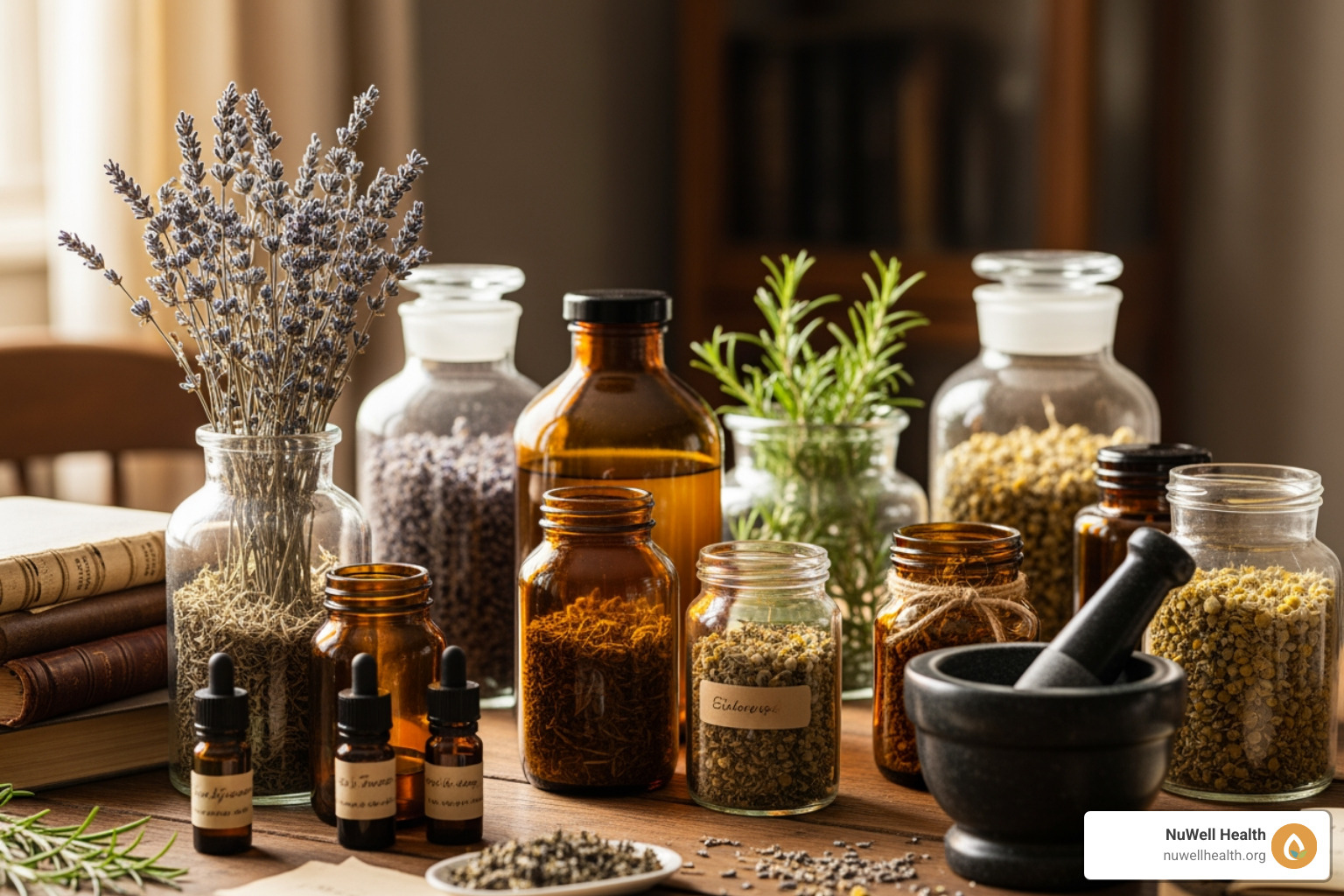
Preparation Methods for Maximum Potency:
- Infusions: Best for delicate leaves and flowers (like Chamomile or Peppermint). Steep in hot water for 10-15 minutes to release volatile oils.
- Decoctions: Necessary for tough roots and barks (like Ginger or Dandelion). Simmer in water for 20-30 minutes to extract dense minerals and alkaloids.
- Tinctures: Extracting plant compounds using alcohol or glycerin for a shelf-stable, concentrated dose that enters the bloodstream quickly.
- Salves: Infusing herbs into oil and thickening with beeswax for targeted topical application to the skin.
- Oxymels: An ancient preparation of honey and apple cider vinegar, perfect for making pungent herbs like Garlic or Thyme palatable for respiratory support.
At NuWell Health, we have found that the process of creating your own tinctures and infusions is a vital step in reclaiming agency over your personal health. Always practice ethical wildcrafting and ensure your sources are free from environmental contaminants.
Frequently Asked Questions about 100 Medicinal Plants
Which medicinal plants have the strongest scientific backing?
Plants like Ginkgo Biloba, St. John’s Wort, Turmeric, and Echinacea have been the subject of thousands of clinical trials. These plants have well-documented active compounds that show measurable effects on human physiology, moving them from “folk medicine” into the realm of evidence-based herbalism.
How can I safely identify medicinal plants in the wild?
Never rely on a single photo. Use multiple field guides that show the plant in different stages of growth. Look for “botanical keys” like leaf arrangement, stem shape (square vs. round), and flower structure. At NuWell Health, we recommend joining a local foraging group for expert verification before ever ingesting a wild plant.
Are there any plants that should never be ingested?
Yes. Arnica should only be used topically on unbroken skin; it can cause heart distress if swallowed. Foxglove and Belladonna contain powerful alkaloids that are used in medicine but are highly toxic in their raw, unmeasured plant form. Always treat these “low-dose” botanicals with extreme caution.
Conclusion
At NuWell Health, our mission is to help you move beyond just suppressing symptoms. By understanding the 100 medicinal plants and their uses with pictures, you are reclaiming a piece of human history that has supported us for 60,000 years. In our years of supporting clients at NuWell Health, we have witnessed the transformative power of these natural solutions when used as part of a dedicated, root-cause wellness strategy.
Whether you are looking to boost your immune system, soothe a troubled gut, or find peace in a stressful world, there is likely a plant that can help. We invite you to explore a preventive lifestyle that treats the root cause rather than just the surface.
For more information on how to integrate these natural approaches into your life, or to learn more about our holistic services, visit NuWell Health.
This article was researched with AI and heavily edited by Jordan Oliver for accuracy and relevance.
Jordan is an author, ordained minister, and online host for His Glory TV, sharing biblically grounded insights on faith, prayer, and spiritual growth. She is the co-founder of Triple-Braided Cord Co., an intercessory prayer and healing ministry inspired by Ecclesiastes 4:12.
Jordan holds a Bachelor’s degree in Communications and Religious Studies from High Point University and is a certified Spiritual Life Coach through iCoachLife in Nashville, Tennessee. Drawing from her ministry, coaching, and academic experience, she creates trustworthy, faith-based content that helps readers grow in their relationship with God. Learn more about Jordan here.