

Why Nutrition and Weight Management Matter More Than You Think
Nutrition and weight management are at the heart of long-term health — and if you’re here, you’re probably tired of quick fixes that don’t last.
Here’s a fast answer to what you need to know:
Key Facts About Nutrition and Weight Management
| Topic | What the Evidence Shows |
|---|---|
| Primary driver of weight loss | Creating a calorie deficit through food intake |
| Best dietary approach | No single “best” diet — the one you can sustain works best |
| Most important behavior | Consistent dietary self-monitoring (pooled OR 2.34 for ≥5% weight loss) |
| Role of physical activity | Smaller effect during active loss, but dominant for long-term maintenance |
| Obesity threshold | BMI ≥ 30; linked to diabetes, heart disease, sleep apnea, and more |
| Weight regain risk | Over 50% regain lost weight within two years without behavioral support |
More than 650 million adults worldwide live with obesity — a number that has risen sharply over the past 50 years. Yet the solution is rarely as simple as “eat less, move more.”
At NuWell Health, we have found that most people struggling with their weight are doing many things right — but missing a few key pieces. Things like chronic stress, poor sleep, hormonal imbalances, and emotional eating patterns quietly work against even the best dietary intentions.
Weight is rarely just about food. It’s a signal — one that points to how well your whole body is functioning.
This guide breaks down what the science actually says about nutrition and weight management: which dietary strategies work, why most diets fail long-term, and how to build habits that last — without obsessing over every calorie or following a punishing plan.
Understanding Obesity: Definitions, BMI, and Health Risks
To understand the mechanics of nutrition and weight management, we must first look at how clinical medicine defines excess weight. Obesity is not a personal failure or a lack of willpower; it is a complex, chronic relapsing disease characterized by abnormal or excessive fat accumulation that presents a risk to health.
Historically, the medical community has relied on the Body Mass Index (BMI) as a primary screening tool. BMI is calculated by dividing a person’s weight in kilograms by the square of their height in meters ($kg/m^2$). According to the CDC guidelines on healthy weight and growth:
- Underweight: BMI below 18.5
- Healthy Weight: BMI between 18.5 and 24.9
- Overweight: BMI between 25.0 and 29.9
- Obesity: BMI of 30.0 or higher
While BMI is a helpful population-level screening tool, it does have limitations. It does not directly measure body composition or distinguish between muscle mass and inflammatory adipose tissue (fat). For instance, a highly muscular athlete might register in the “overweight” or “obese” category despite having a very low body fat percentage.

Regardless of the limitations of BMI, carrying true excess adiposity carries documented health risks. When fat tissue expands beyond its healthy capacity, it becomes dysfunctional, releasing pro-inflammatory cytokines into the bloodstream. This state of chronic inflammation is a primary driver behind many serious metabolic and physical conditions, including:
- Cardiovascular Disease: Excess weight forces the heart to work harder, leading to high blood pressure (hypertension), arterial plaque buildup, high LDL cholesterol, and an elevated risk of stroke and heart attacks.
- Type 2 Diabetes: Dysfunctional fat tissue interferes with how insulin works, leading to insulin resistance, elevated blood glucose levels, and eventually pancreatic fatigue.
- Respiratory Issues: Conditions like sleep apnea occur when excess tissue around the neck compresses the airway during sleep, disrupting oxygen levels and ruining sleep quality.
- Joint Degradation: Carrying extra physical weight puts mechanical stress on joints, particularly the knees and hips, accelerating osteoarthritis.
In our clinical experience at NuWell Health, we have observed that clients who look beyond the scale and focus on reducing systemic inflammation through natural, whole-food nutrition achieve far more sustainable results than those who rely on restrictive dieting. We focus on restoring metabolic flexibility so your body can heal naturally from the inside out.
Primary Risk Factors for Weight Gain
Why do some people seem to gain weight easily while others maintain a stable weight without trying? The answer lies in a complex web of risk factors that extend far beyond simple calorie intake.
- Genetics: Your DNA influences where you store fat, how efficiently your body burns calories, and how your brain processes hunger and fullness signals. However, genetics are not destiny; they simply load the gun, while lifestyle and environment pull the trigger.
- Physical Inactivity: Modern life is engineered for convenience. Desk jobs, long commutes, and screen-based entertainment have dramatically reduced our daily movement, lowering our baseline energy expenditure.
- Chronic Stress: When you are chronically stressed, your adrenal glands pump out cortisol. High cortisol levels encourage your body to store visceral fat (the dangerous fat around your organs) and trigger intense cravings for quick-energy foods high in sugar and fat.
- Sleep Deprivation: Missing sleep throws your hunger hormones completely out of balance. It reduces leptin (the hormone that tells you you’re full) and increases ghrelin (the hormone that screams “feed me”).
- Hormonal Imbalances: Conditions like insulin resistance, thyroid dysfunction, and changing hormone levels as we age can slow down our metabolic rate and make fat loss incredibly difficult.
By addressing these root causes through preventive lifestyle medicine, we can rebalance the body’s natural systems, making weight management a natural byproduct of wellness rather than a constant, exhausting battle.
The Role of Nutrition and Weight Management in Long-Term Health
At its core, weight loss requires an energy deficit — meaning you consume fewer calories than your body burns. However, focusing solely on calories ignores the complex biological systems that govern human metabolism.
When you cut calories drastically, your body doesn’t know you’re trying to fit into a new pair of jeans; it thinks you are experiencing a famine. In response, it triggers a survival mechanism known as metabolic adaptation. Your thyroid slows down, your neat (Non-Exercise Activity Thermogenesis) decreases, and your body becomes highly efficient at running on fewer calories. This is why highly restrictive crash diets almost always lead to a weight-loss plateau, followed by rapid weight regain once normal eating resumes.
To bypass this trap, a successful holistic weight reduction plan shifts the focus from starvation to nutrient density and satiety.
- Nutrient Density: Foods rich in vitamins, minerals, and antioxidants feed your cells, supporting the cellular machinery that runs your metabolism.
- Satiety: Foods high in dietary fiber and lean protein stimulate the release of fullness hormones (like peptide YY and GLP-1) in your gut. They slow down digestion, keeping you physically full and mentally satisfied on fewer calories.
By prioritizing high-quality, whole foods, you can create a gentle, sustainable calorie deficit that allows you to lose fat while keeping your metabolic rate healthy.
Key Components of Effective Nutrition and Weight Management
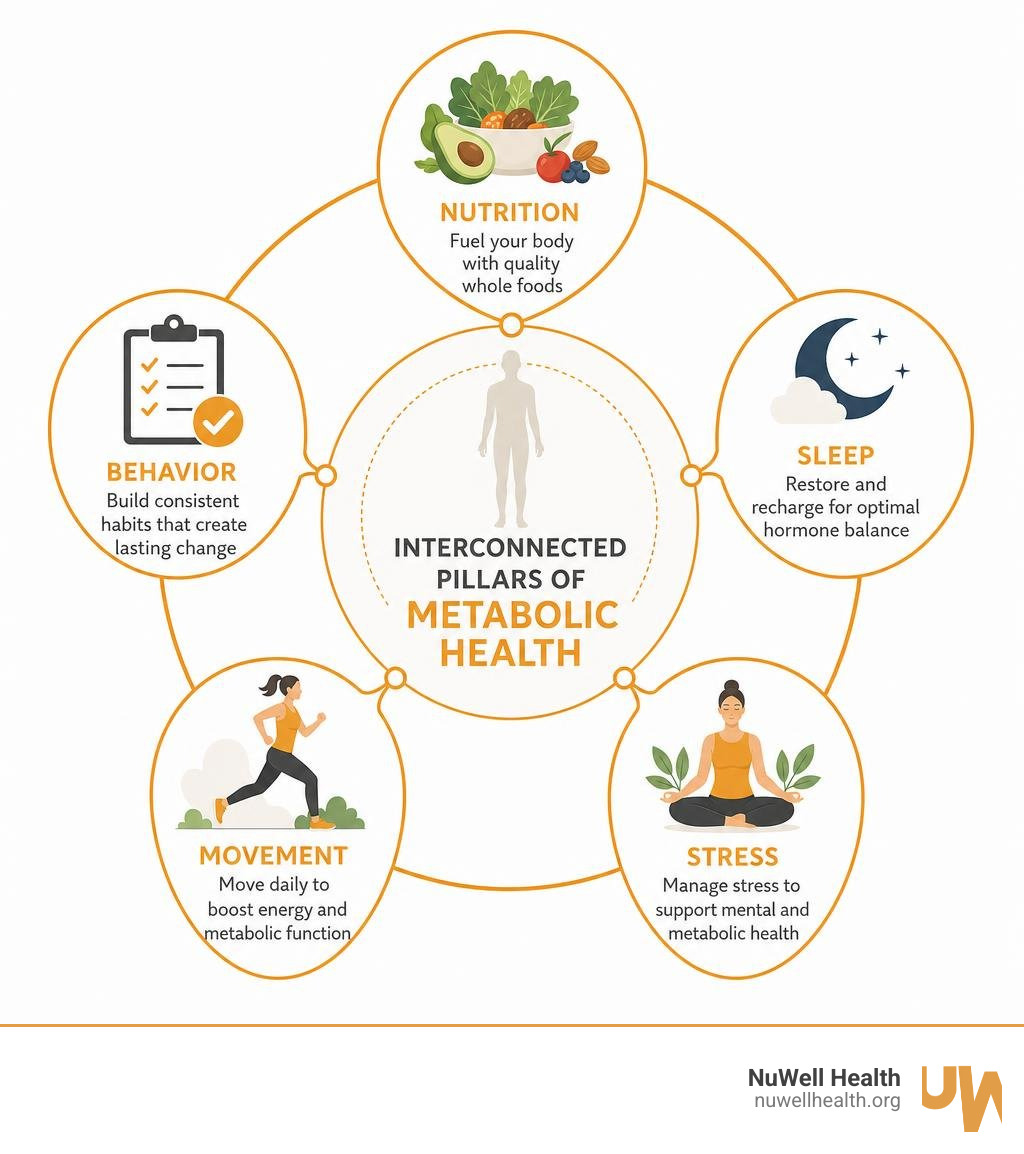
Successful weight management is built on several interconnected lifestyle pillars. If you only focus on food but ignore the rest of your life, you are trying to balance a three-legged stool on a single leg.
- Behavioral Modification: Long-term success requires changing your relationship with food. This means learning to distinguish between physical hunger (which comes on gradually and can be satisfied by a variety of foods) and emotional hunger (which strikes suddenly and demands specific comfort foods).
- Portion Control: Portion sizes in restaurants and packaged foods have grown significantly over the past 20 years. Learning to recognize standard serving sizes is essential for managing your energy intake without needing to weigh every bite on a digital scale.
- Stress Management: Since stress hormones directly promote fat storage and sugar cravings, daily stress-reduction practices — such as deep breathing, prayer, or walking in nature — are active metabolic therapies.
- Sleep Optimization: Aiming for 7 to 9 hours of quality sleep per night is non-negotiable. Good sleep keeps your hunger hormones balanced, protects your muscle mass, and gives you the physical energy to stay active.
Through our hands-on work with clients at NuWell Health, we have found that integrating stress management and sleep optimization into a personalized preventive health plan is the ultimate key to unlocking sustainable fat loss. By addressing these natural lifestyle pillars, you create a protective shield around your metabolic health, making long-term weight maintenance achievable and enjoyable.
Evidence-Based Dietary Approaches for Weight Loss
With thousands of diets promoted online, it is easy to feel overwhelmed. Fortunately, medical science has evaluated these approaches to find what actually works. According to the clinical evidence-based guidelines for obesity treatment, there is no single “perfect” diet for everyone. The most effective diet is the one that aligns with your food preferences, cultural background, and budget, because that is the one you will actually stick to.
One of the most thoroughly researched and universally recommended patterns is the Mediterranean diet. Rich in vegetables, fruits, whole grains, beans, nuts, seeds, and healthy fats like extra virgin olive oil, this approach focuses on the quality of food rather than strict restriction. Studies show that a Mediterranean pattern not only supports sustainable weight loss but also significantly reduces the risk of heart disease, improves insulin sensitivity, and lowers systemic inflammation.

Another highly effective strategy is using portion estimation rather than meticulous calorie tracking. For example, the Mayo Clinic Diet utilizes a visual food pyramid to help individuals prioritize foods. In this model, vegetables and fruits form the broad base of the pyramid (meaning you can eat them in virtually unlimited quantities), while concentrated energy sources like fats and sweets sit at the tiny tip. This visual approach teaches you how to plate your food naturally, ensuring you feel full on fewer calories without feeling deprived.
Comparing Low-Calorie, Low-Fat, Low-Carb, and High-Protein Diets
To help you understand how different dietary structures compare, let’s look at the science behind macronutrient distribution.
| Diet Type | Primary Mechanism | Pros | Cons / Considerations |
|---|---|---|---|
| Low-Calorie (Standard) | Consistent 500–750 kcal daily deficit | Highly predictable; flexible food choices | Can trigger metabolic adaptation and hunger over time |
| Low-Fat | Restricting dietary fat to <30% of daily calories | Easy to follow; aligns with traditional heart-health guidelines | Often replaced with refined carbohydrates, which can spike blood sugar |
| Low-Carb / Ketogenic | Restricting carbs to <50g/day to trigger ketosis | Rapid initial water and fat loss; excellent appetite suppression | Can be socially difficult to maintain; requires careful monitoring of lipid panels |
| High-Protein | Consuming 30% of calories or 1.2–1.6g/kg of body weight from protein | Maximizes the thermic effect of food; preserves lean muscle mass | Requires conscious meal planning; those with pre-existing kidney disease should consult a doctor |
Each of these approaches has its place:
- The Thermic Effect of Food (TEF): Protein has a much higher thermic effect than carbohydrates or fats. Your body burns up to 30% of the calories contained in protein just to digest and process it.
- Muscle Preservation: When you lose weight, your body naturally wants to burn a combination of fat and muscle. Consuming adequate protein, combined with resistance training, signals your body to keep its muscle and burn fat instead. This is critical because muscle is your primary metabolic engine.
Meal Timing and Intermittent Fasting in Nutrition and Weight Management
In recent years, the conversation around nutrition and weight management has expanded from what we eat to when we eat. This brings us to the science of circadian biology and intermittent fasting.
Our bodies run on a natural 24-hour clock (circadian rhythm) that regulates hormones, digestion, and metabolism. Research published in a prominent narrative review on dietary strategies suggests that our bodies are naturally primed to process food more efficiently during daylight hours. Eating late at night, when the body is preparing for sleep and insulin sensitivity is low, can disrupt circadian rhythms and promote fat storage.
Intermittent Fasting (IF) and Time-Restricted Eating (TRE) leverage these rhythms by restricting food intake to a specific daily window (such as an 8-hour eating window and a 16-hour fast).
- Insulin Sensitivity: During the fasting window, insulin levels drop significantly, allowing your body to access stored fat for energy.
- Autophagy: Extended fasting windows trigger cellular cleanup processes, helping your body repair itself.
- Circadian Alignment: Combining a consistent overnight fast with a hearty, nutrient-rich breakfast aligns with our natural biology, supporting healthy blood sugar levels and preventing overeating later in the day.
In our practice at NuWell Health, we have observed that clients who combine time-restricted eating with a high-protein, Mediterranean-style diet report significantly fewer cravings and more stable energy throughout the day. While intermittent fasting is a fantastic natural tool for many, it is not a magic bullet. If you eat highly processed, inflammatory foods during your eating window, fasting will not override those choices. It is always about pairing the right timing with high-quality, whole food nutrition.
Practical Tools, Tracking, and Family Support
When it comes to executing a successful weight management plan, what are the most powerful levers you can pull? The scientific literature provides some surprising answers.
According to the 2026 evidence hierarchy on weight loss, the single most powerful behavioral predictor of active, sustained weight loss is dietary self-monitoring.
People who consistently track what they eat and drink are far more likely to achieve and maintain their weight goals. However, the accuracy of the tracking tool matters immensely. Studies show that using accuracy-validated tracking instruments dramatically improves long-term outcomes:
- Accuracy-Cleared Apps: Show a 78% to 95% sustained tracking rate at 12 months.
- Non-Cleared Apps: Show only a 24% to 34% sustained tracking rate over the same period.
Accurate tracking helps you see exactly where hidden sugars, excess fats, and empty calories are sneaking into your daily routine, allowing you to make small, high-impact adjustments.
Interestingly, the evidence hierarchy also clarifies the true role of physical activity. While many people exercise to lose weight, physical activity actually has a relatively small effect on active weight loss compared to nutrition. However, physical activity is the dominant predictor of long-term weight maintenance.
During the active weight loss phase, nutrition is your primary tool. But once you reach your goal weight, regular movement — especially resistance training to build muscle and consistent aerobic activity — is what keeps the weight off for years to come.
At NuWell Health, we have seen firsthand how shifting the focus from rigid calorie counting to mindful, natural food tracking empowers families to build lifelong healthy habits without anxiety.
Supporting Healthy Weight and Growth in Children
As parents and caregivers, the best gift we can give our children is a healthy relationship with food and movement. Children learn far more from what we do than what we say.
According to the NIDDK guide on eating and physical activity, here are the most effective ways to support healthy growth in children:
- Be a Role Model: Let your children see you enjoying colorful vegetables, drinking plenty of water, and moving your body for fun.
- Limit Sugary Drinks: Sugary drinks (sodas, sports drinks, sweetened juices) are the leading source of added sugars in the U.S. replacing them with water or infused herbal teas is one of the simplest, most powerful health upgrades you can make for your family.
- Make Movement a Family Affair: Instead of sending kids outside to play while you stay inside, go for family bike rides, take weekend hikes, or have living room dance parties.
- Cook Together: Involve your children in meal planning and preparation. When kids help wash vegetables or stir the pot, they are far more likely to try and enjoy the final meal.
By focusing on vibrant, whole-food nutrition and joyful movement rather than restricting food or discussing body weight, you build a positive environment where healthy habits grow naturally.
Frequently Asked Questions about Weight Control
What is the single most important factor for active weight loss?
The single most important biological factor is creating a safe, consistent calorie deficit. However, the most important behavioral factor is consistent dietary self-monitoring. Tracking your food intake helps you stay mindful of what you eat, identify emotional eating triggers, and maintain the consistency needed to see real, lasting results.
How does physical activity contribute to long-term weight maintenance?
While nutrition drives weight loss, physical activity is the champion of weight maintenance. Regular exercise helps preserve and build lean muscle mass, which keeps your baseline metabolic rate high. It also improves insulin sensitivity and helps regulate appetite hormones. To prevent weight regain, clinical guidelines recommend working up to 150 to 300 minutes of moderate physical activity per week, incorporating both cardiovascular and strength training.
Are natural supplements safe and effective for supporting metabolism?
Natural herbal supplements can be wonderful supportive tools for metabolic health, but they must be used wisely. In our clinical experience at NuWell Health, we have found that targeted botanicals like berberine and ashwagandha work best when paired with a foundation of whole-food nutrition and restorative sleep. We view these natural supplements as a way to enhance, not replace, a healthy lifestyle.
Certain botanicals can help support blood sugar balance, reduce stress-induced cortisol, and optimize thyroid function. However, the supplement industry is vast, and quality varies widely. To learn how to select high-quality, clean options, check out our Beginner’s Guide to Natural Health Supplements. It is also vital to understand safety, potential interactions, and proper dosing, which we cover in detail in our guide on Herbal Food Supplement Benefits and Safety. Always consult with a qualified healthcare practitioner before beginning any new supplement regimen.
Conclusion
At NuWell Health, we believe that true wellness is a reflection of harmony across your entire being — mind, body, and spirit. Weight issues are rarely just about the food on your plate; they are often physical signals pointing to deeper root causes, whether that is chronic stress, poor sleep, hormonal imbalances, or emotional fatigue.
We don’t believe in punishing diets, guilt-driven exercise, or temporary quick fixes. Instead, we are passionate about empowering you with the knowledge, tools, and compassionate support you need to heal your metabolism from the inside out.
If you are ready to stop dieting and start thriving, we invite you to explore The Best Natural Strategies for Long-Term Wellness to build a lifestyle you love. And if you would like personalized, professional guidance tailored to your unique biology and lifestyle, we are here to walk with you every step of the way. Explore our comprehensive, root-cause-focused holistic weight management services today, and let’s begin your journey to vibrant, lasting health together.
This article was researched with AI and heavily edited by Jordan Oliver for accuracy and relevance.
Jordan is an author, ordained minister, and online host for His Glory TV, sharing biblically grounded insights on faith, prayer, and spiritual growth. She is the co-founder of Triple-Braided Cord Co., an intercessory prayer and healing ministry inspired by Ecclesiastes 4:12.
Jordan holds a Bachelor’s degree in Communications and Religious Studies from High Point University and is a certified Spiritual Life Coach through iCoachLife in Nashville, Tennessee. Drawing from her ministry, coaching, and academic experience, she creates trustworthy, faith-based content that helps readers grow in their relationship with God. Learn more about Jordan here.