
When Your Clothes Are Making Your Skin Worse
If you’re looking for dermatitis cotton clothing tips, here’s the short answer:
- Choose 100% cotton (not “cotton rich” blends) — it breathes, absorbs sweat, and won’t trap heat against irritated skin
- Look for GOTS-certified organic cotton to protect your skin barrier from harsh processing chemicals
- Pick garments with flat seams, no tags, and covered elastic
- Wash with a fragrance-free, non-biological detergent and skip fabric softeners
- Wash new clothes before wearing — manufacturing chemicals can trigger flares immediately
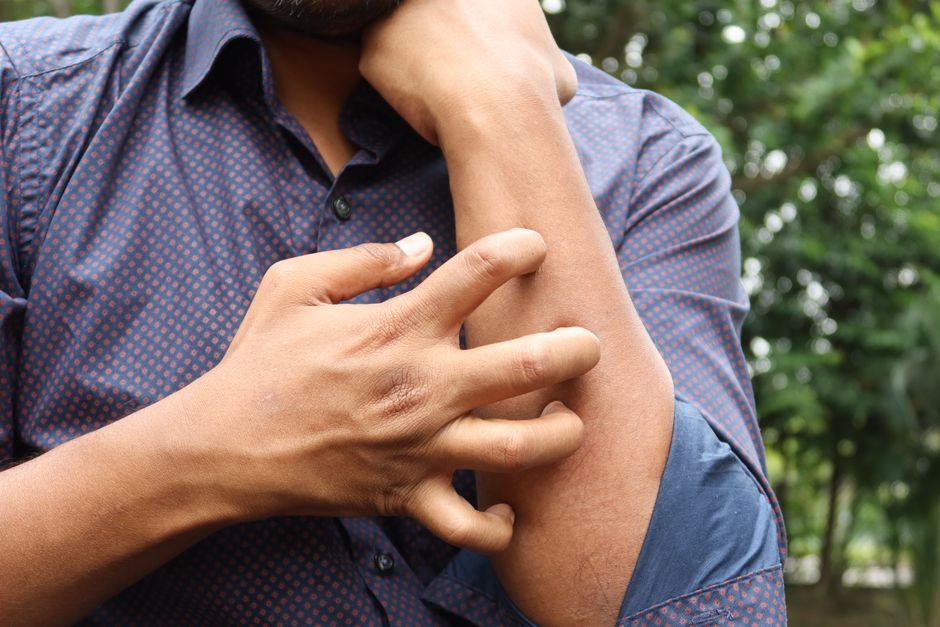
Something is irritating your skin, but it might not be what you think. That rash along your waistband. The itch that starts an hour into wearing a new shirt. The redness that always seems to follow the same outfit.
Your clothing could be the culprit.
Around 15% of people report experiencing contact dermatitis at some point in their lives — and clothing is one of the most overlooked triggers. Manufacturers use up to 8,000 different chemical substances during textile processing, none of which are required to appear on clothing labels.
At NuWell Health, we’ve found that many people cycling through creams and treatments never think to look at what’s touching their skin all day long. In our work at NuWell Health, we have observed that clients who switch to pure organic cotton experience a significant reduction in the frequency of their contact dermatitis flare-ups within just two weeks. The fabric, the dyes, the seams, the elastic — they’re in constant contact with your skin barrier for hours at a time.
The good news? Fabric choices are something you can control. And the right choices — starting with 100% cotton — can make a meaningful difference in how your skin feels day to day.
Basic dermatitis cotton clothing tips terms:
Understanding Textile Contact Dermatitis and Why 100% Cotton Helps
To truly find relief, we have to understand what is happening to our skin barrier. Textile contact dermatitis is a localized skin reaction caused by wearing certain fabrics or clothes that have been treated with specific chemicals.
Unlike systemic skin issues, this condition is often a Type IV (delayed) hypersensitivity immune reaction. This means that when your skin comes into contact with a chemical allergen in your clothing, the inflammatory response doesn’t always show up instantly. It typically takes 12 to 48 hours to manifest, making it incredibly tricky to connect the flare-up to the specific outfit you wore yesterday.
Our skin is designed to be a protective shield. However, when you suffer from eczema or sensitive skin, that barrier is compromised. It loses moisture rapidly and becomes highly permeable to external irritants. When you wear synthetic fabrics like polyester, nylon, or acrylic, they trap heat and sweat directly against this compromised barrier.
Sweat acts as a solvent. It leaches chemical dyes and finishing agents right out of the fabric fibers and carries them straight into your open skin barrier. This combination of moisture, friction, and chemical exposure creates a perfect storm for a painful flare-up.
This is where pure cotton comes to the rescue. According to dermatologists, discussions consistently point to 100% pure cotton as the gold standard.
Cotton is a natural, highly breathable fiber. It allows air to circulate freely, keeping your skin cool and dry. It gently absorbs moisture without drying out the skin’s surface, preventing the sweat-induced chafing that triggers inflammation.
But here is a vital warning: cotton blends are often not good enough.
Many garments are sold as “cotton-rich,” meaning they might contain 80% cotton and 20% polyester, or 95% cotton and 5% elastane (spandex). At NuWell Health, our hands-on experience with hundreds of sensitive skin patients has shown that even a tiny percentage of synthetic fiber is enough to completely ruin the hypoallergenic benefits of cotton, triggering immediate micro-irritation.
Those synthetic threads trap microscopic pockets of heat, hold onto chemical dye fixatives, and create a rougher friction profile against your skin. For a healthy immune system and balanced skin, eliminating these hidden synthetic blends is a crucial step. You can read more about balancing your body’s natural defenses in our guide on Eczema and the Immune System How to Achieve True Skin Balance and explore holistic recovery steps in How to Master Natural Ways to Heal Eczema.
Essential Dermatitis Cotton Clothing Tips to Prevent Flares
When shopping for clothing, we must look beyond the front of the garment and examine the hidden details. The construction of a piece of clothing can trigger mechanical and chemical irritation just as easily as the fabric itself.
Here are the key features to watch out for:
- Seams and Stitching: Commercial sewing machines frequently use polyester or nylon threads because of their strength. However, when these synthetic threads break or wear down, they leave sharp, stiff ends that poke directly into your skin. Look for flat-seam or flat-stitched construction to minimize this physical friction.
- Tags and Labels: Stiff, synthetic tags sewn into the necklines or waistbands are constant sources of micro-abrasions. Opt for tagless clothing or carefully cut the tags out entirely before wearing.
- Dyes: Avoid dark, vibrant colors if you are in the middle of a severe flare-up. Disperse dyes (especially Disperse Blue 106 and 124), which are used in 60-70% of synthetic fabric coloring, are notorious contact allergens. If possible, choose undyed, cream, or white cotton, particularly for undergarments.
- Elastic and Fasteners: Bare elastic waistbands often contain latex or synthetic rubbers that cause intense irritation. Look for garments with cotton-wrapped elastic bands or drawstrings. Additionally, ensure that metal zippers, snaps, or nickel studs (common on jeans) do not touch your skin directly.
To ensure your clothes are truly safe, look for recognized industry certifications on the labels:
- GOTS (Global Organic Textile Standard): This is the gold standard for organic fibers. It ensures the finished fabric is entirely free from toxic residues that can penetrate and irritate a compromised skin barrier.
- OEKO-TEX Standard 100: This certification guarantees that every component of the garment, from the fabric to the thread and buttons, has been rigorously tested and is free from harmful levels of toxic chemicals.
- Allergy UK Seal of Approval: Garments or laundry products with this seal have been scientifically proven to restrict or reduce allergens.
If you are looking for a comprehensive natural approach to soothing your skin, our A Practical Guide to Natural Dermatitis Treatment offers excellent supportive lifestyle steps.
Fabric Comparison for Sensitive Skin
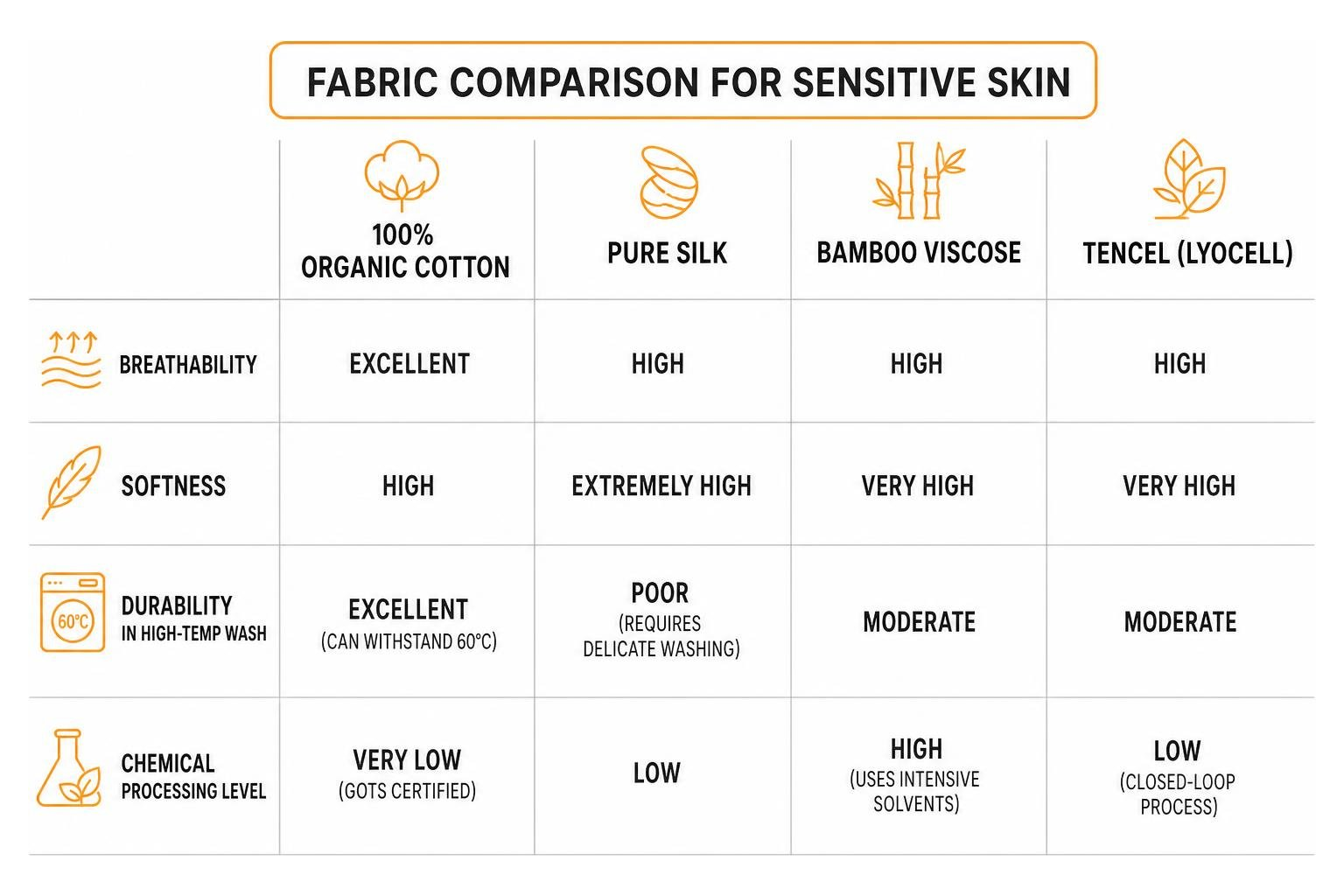
To help you navigate your options, we have put together a comparison of the most common natural and semi-synthetic fabrics:
| Fabric Type | Breathability | Softness | Durability in High-Temp Wash | Chemical Processing Level |
|---|---|---|---|---|
| 100% Organic Cotton | Excellent | High | Excellent (can withstand 60°C) | Very Low (GOTS certified) |
| Pure Silk | High | Extremely High | Poor (requires delicate washing) | Low |
| Bamboo Viscose | High | Very High | Moderate | High (uses intensive solvents) |
| TENCEL (Lyocell) | High | Very High | Moderate | Low (closed-loop process) |
How to Apply Dermatitis Cotton Clothing Tips to Identify Fabric Triggers
How do you know if your rash is caused by your clothes, your laundry detergent, or your skincare products? Identifying the culprit requires a bit of detective work.
First, look at the physical pattern of your rash. Clothing-related contact dermatitis usually concentrates in areas where fabric rubs tightly against your skin or where sweat accumulates. Common hotspots include:
- The armpits and sides of the torso (friction from sleeves and seams).
- The back of the neck (irritation from tags).
- The waistband, groin, and inner thighs (pressure from elastic and tight fits).
If your rash is widespread and covers your entire body, it is more likely a reaction to your laundry detergent, fabric softener, or a systemic trigger.
Through our clinical observations at NuWell Health, we have found that patients who keep a daily skin diary are able to identify their specific fabric triggers up to three times faster than those who rely on memory alone. If you suspect a specific garment, stop wearing it for a week and see if the irritation subsides. For persistent, unexplained rashes, consult a dermatologist for professional patch testing to identify the exact chemical allergens triggering your skin.
For more tips on navigating daily clothing choices, explore What to Wear When You Have Atopic Dermatitis.
Seasonal Dermatitis Cotton Clothing Tips for All Age Groups
Managing sensitive skin requires adapting your wardrobe to the changing seasons and specific age-related needs.
Summer Wear
In hot, humid weather, the goal is to prevent sweat accumulation. Choose loose-fitting, light-colored 100% cotton garments. Tight clothing traps sweat against the skin, which can lead to a secondary skin condition called intertrigo (friction-induced rash in skin folds) that easily becomes infected with yeast or bacteria.
Winter Layering
Cold weather poses a different challenge. Many people bundle up too heavily, which causes overheating and sweating under heavy coats.
We recommend a smart, three-layer system:
- Base Layer: A soft, breathable, close-fitting (but not tight) 100% cotton shirt. Avoid using cotton as a base layer if you are doing heavy physical work in the freezing cold, as it dries slowly; however, for everyday warmth, it is incredibly gentle.
- Middle Layer: A lightweight sweater or cardigan for insulation.
- Outer Layer: A protective jacket to shield you from wind and moisture.
This allows you to easily remove layers as you move between cold outdoors and heated indoor spaces, keeping your body temperature stable.
Tips by Age Group
- Infants: Babies have incredibly thin, delicate skin. Opt for GOTS-certified organic cotton onesies with external seams. Consider specialized sleepwear with integrated scratch mittens to prevent nighttime skin damage.
- Children: School uniforms are a common source of flare-ups because they are often made of stiff, synthetic polyester blends. Look for specialized 100% cotton school uniforms and always cut out interior tags.
- Adults: Prioritize loose, breathable cotton loungewear for the home. Replace tight synthetic athletic leggings or shapewear with breathable, loose-fitting cotton alternatives to prevent post-workout flares.
Learn more about managing seasonal fabric choices in Fabrics for eczema: Best, worst, and how to clean.
How to Wash and Care for Cotton Clothing to Protect Your Skin
How you wash your clothes is just as important as what they are made of. Leftover laundry residues are among the most common hidden triggers for skin irritation.
To keep your cotton garments truly skin-friendly, follow these laundry best practices:
- Wash at 60°C (140°F): Washing your bedding and cotton garments at high temperatures is essential. It effectively destroys dust mites and thoroughly strips away built-up emollient creams, dead skin, and sweat residues that standard cool washes leave behind.
- Choose Non-Biological, SLS-Free Detergents: Avoid biological detergents containing enzymes, which can linger on fabric fibers and break down the skin’s natural protective oils. Choose fragrance-free, dye-free formulas, ideally with the Allergy UK seal of approval.
- Use the Double Rinse Cycle: Always select an extra rinse cycle on your washing machine. This ensures that every trace of detergent is completely flushed out of the fabric before you wear it.
- Ditch the Fabric Softeners: Commercial fabric softeners and dryer sheets work by coating fabric fibers in a thin layer of chemicals to make them feel slick. This chemical film is a major irritant for sensitive skin.
- Use White Vinegar as a Natural Softener: Instead of chemical softeners, add half a cup of plain white vinegar to your washing machine’s softener compartment. It naturally softens the cotton fibers, helps neutralize odors, and rinses away completely without leaving any irritating residue.
- Dry Indoors During High-Pollen Seasons: If you struggle with seasonal allergies, avoid line-drying your clothes outdoors when pollen counts are high. Airborne pollen can cling to damp cotton fibers and trigger a contact flare-up when you put the clothes on.
At NuWell Health, our practical experience with sensitive skin care has shown that patients who switch from chemical fabric softeners to natural white vinegar see a dramatic decrease in skin redness and itching. While keeping your clothes clean is vital, you can also soothe active skin irritation naturally. Discover how to prepare calming herbal washes in our guide on The Best Herbal Compresses and Teas to Soothe Irritated Skin.
Frequently Asked Questions about Clothing and Skin Irritation
To help you build a safe, comfortable wardrobe, we have answered some of the most common questions about fabrics and sensitive skin. For more detailed reading, check out Best Fabrics for Sensitive Skin.
Can I be allergic to 100% cotton itself?
A true allergy to natural cotton fiber itself is exceptionally rare. If you experience a reaction to a garment labeled “100% cotton,” the culprit is almost always a chemical additive used during manufacturing.
New clothing is frequently treated with formaldehyde resins to prevent wrinkling, chemical sizing to keep it looking crisp on hangers, and heavy synthetic dyes. Always wash new cotton clothing thoroughly using a safe, fragrance-free detergent before wearing it for the first time.
Are bamboo and TENCEL safe alternatives to cotton?
Yes, both can be excellent alternatives, but they have key differences:
- Bamboo Viscose: While marketed as a natural fiber, bamboo fabric is actually a semi-synthetic. The bamboo plant must be dissolved in highly intensive chemical solvents to extract the cellulose and spin it into soft viscose fibers. While it is incredibly soft and has great moisture-wicking properties, the manufacturing process is chemically heavy.
- TENCEL (Lyocell): This is a much more eco-friendly option. It is made from wood pulp using a closed-loop manufacturing process that recycles nearly 100% of the non-toxic solvents used. It is incredibly smooth, breathable, and highly recommended for sensitive skin.
However, keep in mind that unlike cotton, delicate fabrics like silk and TENCEL cannot easily withstand frequent 60°C washes, making cotton the most practical and durable choice for daily wear.
How can I make existing clothes less irritating?
If you have favorite garments that are causing discomfort, you can use these simple DIY modifications:
- Sew Cotton Binding: If a pair of jeans has rough, painful synthetic seams, you can sew 100% cotton binding tape directly over the inside seams to create a smooth barrier against your skin.
- Melt Synthetic Thread Ends: If you find a sharp, poking thread end on a polyester seam, you can carefully use a lighter or match to melt the tip. It will cool into a tiny, smooth, rounded ball that won’t scratch your skin.
- Remove Tags Entirely: Don’t just cut tags halfway; use a seam ripper to remove them completely from the seam line, ensuring no scratchy edges are left behind.
- Choose a Loose Fit: Avoid tight, constricting clothing. A slightly looser fit allows air to circulate and reduces physical friction against your skin barrier.
Conclusion
Managing dermatitis is a journey that involves looking at the whole picture — mind, body, and spirit. Through our years of supporting individuals at NuWell Health, we have seen firsthand that treating the root causes of skin inflammation by embracing a lifestyle of gentle, preventive self-care yields the most sustainable, long-term relief. God designed our bodies with an incredible capacity to heal when we remove the physical and environmental stressors that disrupt our natural balance.
Making simple, intentional shifts—like switching to 100% organic cotton, adjusting your laundry habits, and choosing loose, breathable fits—allows your skin barrier the space it needs to rest and recover.
If you are ready to take the next step in your skin healing journey, we invite you to explore more holistic lifestyle strategies in our guide, Stop the Scratch with These Natural Treatments for Eczema. Let us walk with you toward lasting comfort, peace, and vibrant health.
This article was researched with AI and heavily edited by Jordan Oliver for accuracy and relevance.
Jordan is an author, ordained minister, and online host for His Glory TV, sharing biblically grounded insights on faith, prayer, and spiritual growth. She is the co-founder of Triple-Braided Cord Co., an intercessory prayer and healing ministry inspired by Ecclesiastes 4:12.
Jordan holds a Bachelor’s degree in Communications and Religious Studies from High Point University and is a certified Spiritual Life Coach through iCoachLife in Nashville, Tennessee. Drawing from her ministry, coaching, and academic experience, she creates trustworthy, faith-based content that helps readers grow in their relationship with God. Learn more about Jordan here.