
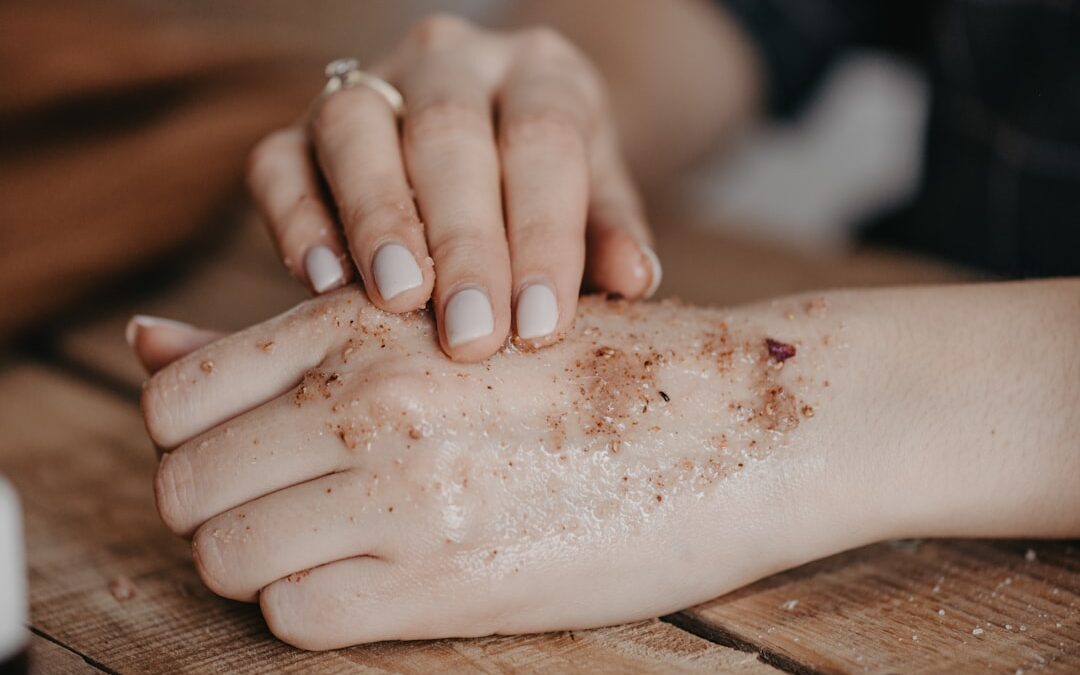
Why So Many People Are Turning to Dermatitis Natural Treatment
If you’re dealing with red, itchy, inflamed skin, you’re not alone — and you’re likely searching for a dermatitis natural treatment that actually works without a long list of side effects.
Here are the most effective natural options, backed by research:
| Natural Treatment | Primary Benefit |
|---|---|
| Colloidal oatmeal | Reduces itch, dryness, and inflammation |
| Virgin coconut oil | Repairs skin barrier, antimicrobial |
| Dead Sea mineral salts | Reduces inflammation and lesion severity |
| Polyphenol-rich foods | Calms immune pathways, supports gut-skin axis |
| Bleach baths (diluted) | Reduces Staphylococcus aureus colonization |
| Aloe vera gel | Antibacterial, wound-healing support |
| Stress management | Reduces flare frequency and intensity |
| Elimination diet | Identifies food triggers driving inflammation |
Dermatitis — most commonly atopic dermatitis (AD), also called eczema — is a chronic inflammatory skin condition. It causes intense itching, skin barrier breakdown, and recurring flares that disrupt sleep, work, and daily life. In our years of supporting patients at NuWell Health, we have found that most individuals are exhausted by the cycle of temporary steroid fixes and are eager to uncover the true root causes of their skin’s reactivity.
The numbers are striking. Eczema affects around 15-20% of children and 1-5% of adults globally. Rates have tripled in industrialized countries over the past 30 years. And more than half of all eczema patients have already tried some form of natural or alternative therapy — not because they reject medicine, but because they want real, lasting answers.
The good news? The science is catching up. Research now points to a clear web of root causes: a damaged skin barrier, an imbalanced gut and skin microbiome, immune dysregulation, oxidative stress, and lifestyle factors like diet and chronic stress. Natural treatments can meaningfully address each of these.
This guide breaks down what the evidence actually says — so you can make informed, confident choices for your skin health.
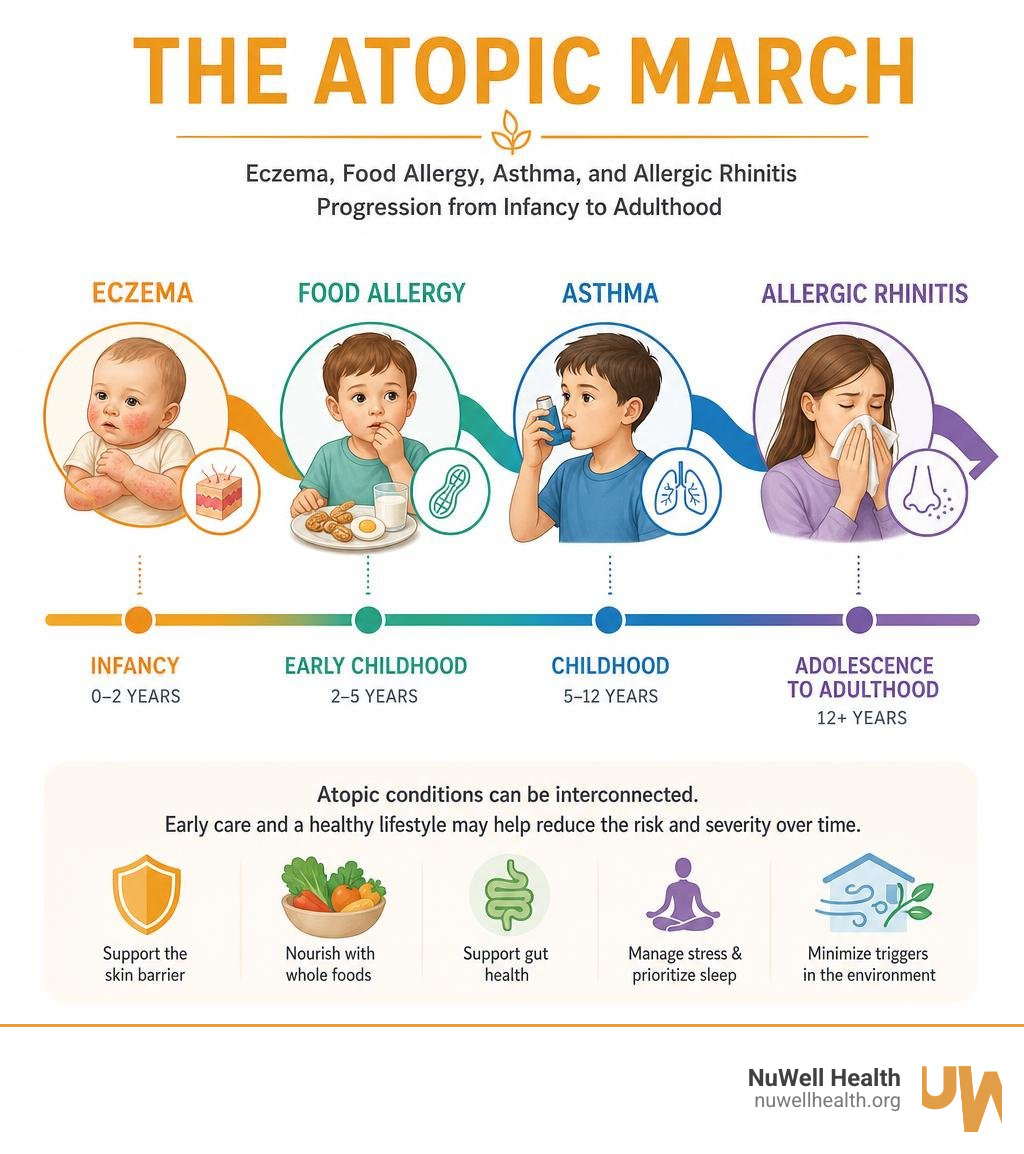
Understanding Dermatitis Natural Treatment and Skin Barrier Integrity
To understand why a dermatitis natural treatment works, we first have to look at the skin barrier. Think of your skin as a brick wall. The “bricks” are your skin cells (keratinocytes), and the “mortar” is a rich blend of lipids—specifically ceramides, cholesterol, and free fatty acids.
In atopic dermatitis, this brick wall is structurally compromised. Genetic mutations, most notably in the filaggrin (FLG) gene, lead to a deficiency in key structural proteins like filaggrin, involucrin, and loricrin. Filaggrin is essential because it breaks down into natural moisturizing factors (NMFs) that keep the skin hydrated. When these proteins are lacking, the “mortar” crumbles.

This structural failure leads to:
- Increased Transepidermal Water Loss (TEWL): Moisture continuously evaporates from the skin, leaving it parched, cracked, and highly vulnerable.
- Allergen and Pathogen Penetration: Irritants, environmental toxins, and bacteria (like Staphylococcus aureus) slip through the gaps, triggering an immediate immune response and chronic inflammation.
In our clinical work at NuWell Health, we have observed that conventional petroleum-based moisturizers often act as a temporary band-aid, whereas natural lipid-identical formulations actively support the skin’s cellular repair processes. True healing requires nourishing the skin from within and utilizing natural topical agents that actively stimulate structural protein expression and restore the lipid matrix.
For instance, a landmark study published in Skin Care Product Rich in Antioxidants and Anti-Inflammatory Natural Compounds Reduces Itching and Inflammation in the Skin of Atopic Dermatitis Patients demonstrated that a topical formulation rich in natural antioxidants—specifically curly kale, green tea, and apple extracts—significantly increased filaggrin and loricrin expression in skin cells by two- to three-fold. Clinically, this antioxidant-rich cream reduced local eczema severity (local SCORAD) by an impressive 63.5% after four weeks, while significantly lowering TEWL and relieving itch.
To dive deeper into how you can rebuild this vital outer shield naturally, check out our comprehensive guide on How to Master Natural Ways to Heal Eczema.
Science-Backed Topical Remedies for Eczema and Dermatitis
When your skin is in the middle of a screaming flare, your immediate goal is simple: make the itching stop. While conventional medicine relies heavily on topical corticosteroids and calcineurin inhibitors (like tacrolimus), these can carry long-term safety profiles that make many patients uneasy—including skin thinning, stretch marks, and the dreaded topical steroid withdrawal (TSW). At NuWell Health, we have walked alongside hundreds of patients navigating topical steroid withdrawal, and we have found that introducing targeted natural topicals is crucial for rebuilding their trust in their skin’s ability to heal.
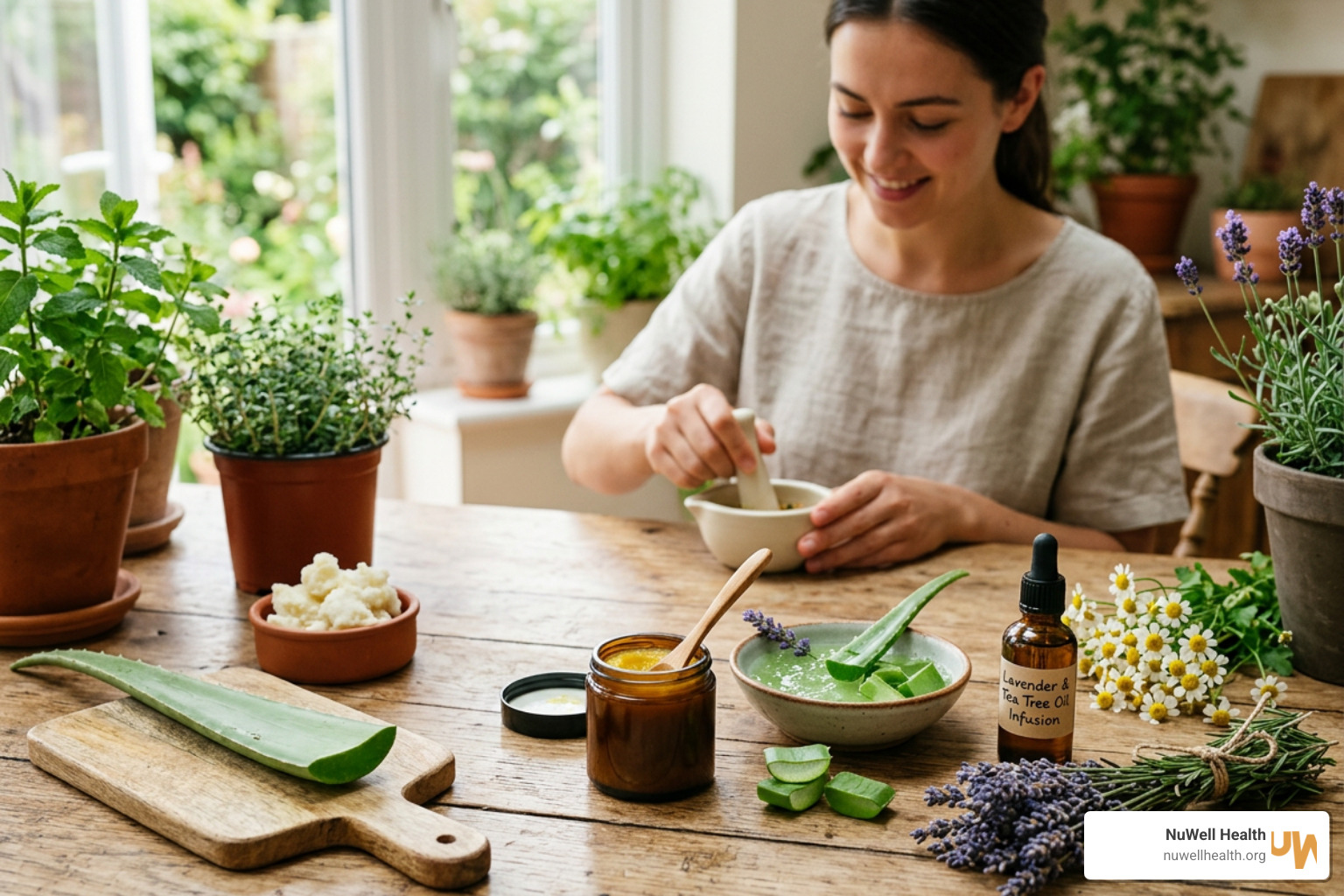
Here is how natural alternatives stack up against conventional options:
| Treatment Type | Mechanism | Key Benefits | Potential Drawbacks |
|---|---|---|---|
| Topical Corticosteroids | Broad immunosuppression | Rapid relief from severe flares | Skin atrophy, systemic absorption, risk of TSW |
| Calcineurin Inhibitors | Blocks T-cell activation | Steroid-free, targets inflammation | Burning sensation, high cost |
| Natural Topicals (Oatmeal, Coconut Oil) | Barrier repair, antioxidant, antimicrobial | High safety profile, cheap, deep hydration | Takes longer to show dramatic results |
| Mineral Salts & Botanicals | Anti-inflammatory, cell differentiation | Promotes healing, decreases epidermal thickness | Mild stinging on open wounds |
Let’s explore the specific science-backed topical remedies that deserve a spot in your natural medicine cabinet.
Colloidal Oatmeal and Virgin Coconut Oil as Dermatitis Natural Treatment
If you have ever soaked in an oatmeal bath, you know how soothing it is. This is not just an old wives’ tale; it is highly validated science. Colloidal oatmeal consists of oats ground into an extremely fine powder that disperses evenly in water.
A 2015 clinical study showed that colloidal oatmeal lotion possesses potent antioxidant and anti-inflammatory properties. It works by inhibiting the release of pro-inflammatory cytokines and reducing itch intensity, dryness, and scaling. It acts as a natural emollient, coating the skin to lock in moisture and lower TEWL.
Virgin coconut oil is another heavy hitter. Unlike standard mineral oils, virgin coconut oil contains a high concentration of lauric acid, a unique fatty acid with powerful antibacterial, antiviral, and anti-inflammatory properties. Because eczema-prone skin is notoriously colonized by Staphylococcus aureus (which causes secondary infections and triggers flares), applying virgin coconut oil helps keep pathogenic bacteria at bay. In our clinical experience at NuWell Health, we have observed that applying virgin coconut oil immediately after a colloidal oatmeal bath yields the most profound barrier-repair results, especially in children with highly sensitive skin. Research has shown that topical virgin coconut oil significantly improves skin barrier function and reduces eczema severity in children over an eight-week period.
For a curated list of other stellar home topicals, explore the Top 7 Natural and Alternative Treatments for Eczema and find more practical application tips in this guide on Home treatment and remedies for eczema (atopic dermatitis).
Mineral Salts and Botanical Extracts for Targeted Relief
For centuries, people have traveled to the Dead Sea to bathe in its mineral-rich waters to heal chronic skin conditions. Today, we know exactly why this works. Dead Sea salt is exceptionally high in magnesium, potassium, and calcium, which play a direct role in repairing the skin barrier, reducing inflammation, and promoting keratinocyte differentiation.
A fascinating clinical study published in The Combination of Mineral Salts and Natural Antioxidants Agents Is Highly Effective in Atopic Dermatitis evaluated a topical spray and cream containing mineral salts (magnesium sulfate, sodium chloride, potassium chloride) combined with powerful plant-derived antioxidants (rosemary, green tea, papaya, ferulic acid, resveratrol, melatonin, and vitamins C and E).
The results were remarkable:
- 14-Day Clearance: Patients with moderate-to-severe atopic dermatitis showed dramatic lesion clearance within just two weeks of twice-daily application.
- Histological Proof: Biopsies revealed a significant decrease in epidermal thickness (hyperplasia), reduced lymphocytic infiltration, and a major reduction in inflammatory cells (including T-cells, B-cells, and mast cells).
- Zero Side Effects: Unlike topical steroids, this mineral-botanical combination produced no adverse events.
Traditional Chinese Medicine and Indigo Naturalis
Another exciting frontier in dermatitis natural treatment is Indigo naturalis, a dark blue powder derived from traditional Chinese medicinal herbs.
In a randomized, crossover, evaluator-blinded controlled trial, researchers compared a refined indigo naturalis oil extract (known as Lindioil ointment) directly against tacrolimus 0.1% ointment (a standard conventional treatment). The study, detailed in Efficacy and safety of indigo naturalis oil extract (Lindioil ointment) for the treatment of atopic dermatitis: a randomized, crossover, evaluator-blinded, controlled trial, revealed several key insights:
- Significant EASI Reduction: Lindioil ointment reduced eczema severity (EASI) scores by 40.7% over six weeks.
- Microbiome Restructuring: Both tacrolimus and Lindioil shifted the skin microbiota away from the problematic Firmicutes phylum toward Proteobacteria, resulting in a significant reduction in pathogenic Staphylococcus aureus colonization.
- Longer Remission: Interestingly, patients treated with Lindioil experienced a longer drug-free, flare-free period after stopping treatment compared to those who used tacrolimus, all with fewer local side effects like burning or itching.
The Gut-Skin Axis: Microbiome and Dietary Interventions
At NuWell Health, we believe that you cannot fully heal the outside of your body without addressing what is happening on the inside. The skin is not an isolated organ; it is a mirror reflecting your internal ecosystem. This connection is known as the gut-skin axis.
In our clinical practice at NuWell Health, we have consistently observed that when patients address their gut dysbiosis, their chronic skin flares subside far more rapidly than with topical treatments alone. When your gut microbiome is out of balance (a state called gut dysbiosis), it compromises your intestinal lining, leading to systemic inflammation. This systemic inflammation travels through the bloodstream and directly disrupts the skin microbiome and epidermal barrier, paving the way for dermatitis flares.
Modulating the Microbiome with Polyphenols
One of the most effective ways to nurture a healthy gut-skin axis is by consuming dietary polyphenols—natural antioxidant compounds found in abundance in berries, green tea, dark chocolate, extra virgin olive oil, and various herbs.
As outlined in The Therapeutic Potential of Polyphenols in Modulating Barrier Lipids, Microbiome Interactions, and Inflammatory Pathways in Atopic Dermatitis, polyphenols act as highly effective prebiotics. They pass largely unabsorbed into the large intestine, where they are fermented by beneficial bacteria. This process:
- Promotes Beneficial Strains: It stimulates the growth of health-promoting strains like Lactobacillus, Bifidobacterium, and Akkermansia.
- Produces Short-Chain Fatty Acids (SCFAs): These bacteria ferment polyphenols to produce SCFAs (like butyrate), which strengthen the gut barrier, suppress systemic inflammation, and regulate immune cells.
- Inhibits Inflammatory Pathways: Polyphenols directly modulate key inflammatory pathways in the body, including the NF-κB and JAK/STAT pathways, effectively calming the overactive immune response that drives eczema.
Identifying Food Sensitivities and Dietary Triggers
Have you ever noticed your skin flaring up a day or two after eating certain foods? You are not imagining it. There is a strong link between food sensitivities, gut dysbiosis, and eczema flares.
It is important to distinguish between a true, immediate IgE-mediated food allergy (which can cause hives or anaphylaxis) and a delayed IgG-mediated food sensitivity. In our experience at NuWell Health, guiding patients through a structured elimination diet has repeatedly proven to be the single most transformative step in achieving long-term skin clearance.
We highly recommend a structured elimination diet as the gold standard for identifying these triggers. By temporarily removing common inflammatory foods—such as gluten, dairy, soy, corn, eggs, and peanuts—for 4 to 6 weeks, you allow your gut and immune system to calm down. As you systematically reintroduce these foods, you can pinpoint exactly which ones trigger your skin.
To get started on your own dietary healing journey, explore our comprehensive Eczema Elimination Diet Guide: Say Goodbye to the Itch and learn more about the science of testing in The Definitive Guide to Food Sensitivity Testing.
Holistic and Lifestyle Strategies for Long-Term Remission
While topical creams and dietary changes are foundational, achieving long-term remission requires a broader, preventive lifestyle focus. This means looking at your environment, your stress levels, and daily habits.
Here are some of the most common environmental triggers we encourage our patients to minimize or avoid:
- Synthetic Fabrics: Wool and polyester can physically irritate sensitive skin. Stick to breathable, organic cotton, bamboo, or silk.
- Harsh Detergents: Standard laundry soaps are loaded with synthetic fragrances and optical brighteners that linger on clothes and strip the skin barrier.
- Extreme Temperatures: Very hot showers, dry winter air, and excessive sweating in summer can all trigger intense flares.
- Indoor Allergens: Dust mites, pet dander, and mold are classic triggers that keep the immune system on high alert.
Stress Management and the Mind-Body Connection
Have you ever wondered why your eczema flares up right before a major presentation, exam, or life change? The connection between your mind and your skin is incredibly direct.
When you experience psychological stress, your nervous system triggers the release of stress hormones, primarily cortisol. While cortisol is meant to be anti-inflammatory in short bursts, chronic stress leads to glucocorticoid resistance. This floods the body with pro-inflammatory cytokines, damages the gut barrier, and directly impairs the skin’s ability to synthesize ceramides and maintain hydration.
At NuWell Health, we have observed that patients who actively engage in daily stress-reduction techniques, such as deep breathing or meditation, experience significantly fewer and less intense flares. Managing stress is not a luxury; it is a clinical necessity for skin healing. In fact, a 2022 literature review concluded that psychotherapeutic approaches—such as meditation, mindfulness, and progressive muscle relaxation—are highly effective adjuncts to conventional therapy, significantly reducing itch intensity and improving sleep quality.
To explore this beautiful connection further, read our insights on Why Your Holistic Mind-Body-Spirit Connection Matters and explore Healing from Within: A Deep Dive into Mind Root Cause Treatments.
Frequently Asked Questions about Dermatitis Natural Treatment
What is the most effective dermatitis natural treatment for quick itch relief?
At NuWell Health, we have found that a combination of a cool compress followed immediately by the application of colloidal oatmeal lotion or virgin coconut oil provides the fastest relief for our patients. The cool compress numbs the nerve endings that transmit the “itch” signal to your brain, while the natural topicals restore moisture and calm local inflammation. Another highly effective, clinically validated tip is acupressure; a small trial found that applying pressure to the outer elbow crease (the LI11 point) three times a week for four weeks significantly reduced itch intensity.
Can dietary changes cure atopic dermatitis permanently?
While there is no permanent “cure” for atopic dermatitis, addressing dietary triggers can lead to profound, long-term remission. By using a structured elimination diet or targeted food sensitivity testing to identify inflammatory foods, and by healing gut dysbiosis with prebiotics and probiotics, you address the systemic immune dysregulation that drives flares. In our clinical experience at NuWell Health, we have seen patients maintain completely clear skin for years once they identify their unique triggers and support their gut microbiome.
Are bleach baths safe for daily use in managing eczema?
No, bleach baths are not recommended for daily use, as over-exposure can dry out and irritate the skin barrier. Instead, they are highly effective when used as an occasional, targeted therapy (2 to 3 times per week) during moderate-to-severe flares to control Staphylococcus aureus colonization. Always ensure the bleach is properly diluted (no more than 1/2 cup of plain, unscented bleach for a full standard tub) and rinse thoroughly with lukewarm water afterward.
Conclusion
Healing from dermatitis is not about finding a magic cream that makes your symptoms disappear overnight. It is about embarking on a holistic journey of restoration—treating your mind, body, and spirit to address the true root causes of inflammation.
At NuWell Health, we believe that your body was beautifully and wonderfully designed to heal. When we support this design by rebuilding the skin barrier, nourishing the gut-skin axis, managing stress, and honoring the mind-body-spirit connection from a grounded, faith-filled perspective, lasting wellness is entirely possible.
If you are ready to stop simply managing your symptoms and start truly healing your skin from the inside out, we invite you to read our guide on how to Stop the Scratch with These Natural Treatments for Eczema and take your first step toward empowered self-care today.
This article was researched with AI and heavily edited by Jordan Oliver for accuracy and relevance.
Jordan is an author, ordained minister, and online host for His Glory TV, sharing biblically grounded insights on faith, prayer, and spiritual growth. She is the co-founder of Triple-Braided Cord Co., an intercessory prayer and healing ministry inspired by Ecclesiastes 4:12.
Jordan holds a Bachelor’s degree in Communications and Religious Studies from High Point University and is a certified Spiritual Life Coach through iCoachLife in Nashville, Tennessee. Drawing from her ministry, coaching, and academic experience, she creates trustworthy, faith-based content that helps readers grow in their relationship with God. Learn more about Jordan here.