
What Is the Link Between Eczema and Immune System Balance?
Eczema immune system balance is at the heart of why so many people struggle with chronic, recurring flares that never seem to fully resolve. Here is a quick answer if you need it now:
Key facts about eczema and immune balance:
- Eczema is not a sign of a weak immune system — it is a sign of an overactive one
- The immune system reacts too strongly to harmless triggers like soap, pollen, or certain foods
- This overreaction causes inflammation, itching, and a damaged skin barrier
- Restoring balance — not suppressing the immune system entirely — is the goal of effective treatment
- Genetics, gut health, stress, and environmental triggers all affect immune balance in eczema
Eczema affects at least 10% of the U.S. population, and up to 17% of school-aged children will experience it at some point in their lives. That is not a small number.
Yet one of the biggest misconceptions about eczema is that it means something is wrong or weak about your immune system. In reality, the opposite is closer to the truth. Your immune system is working — just far too hard, and in the wrong direction.
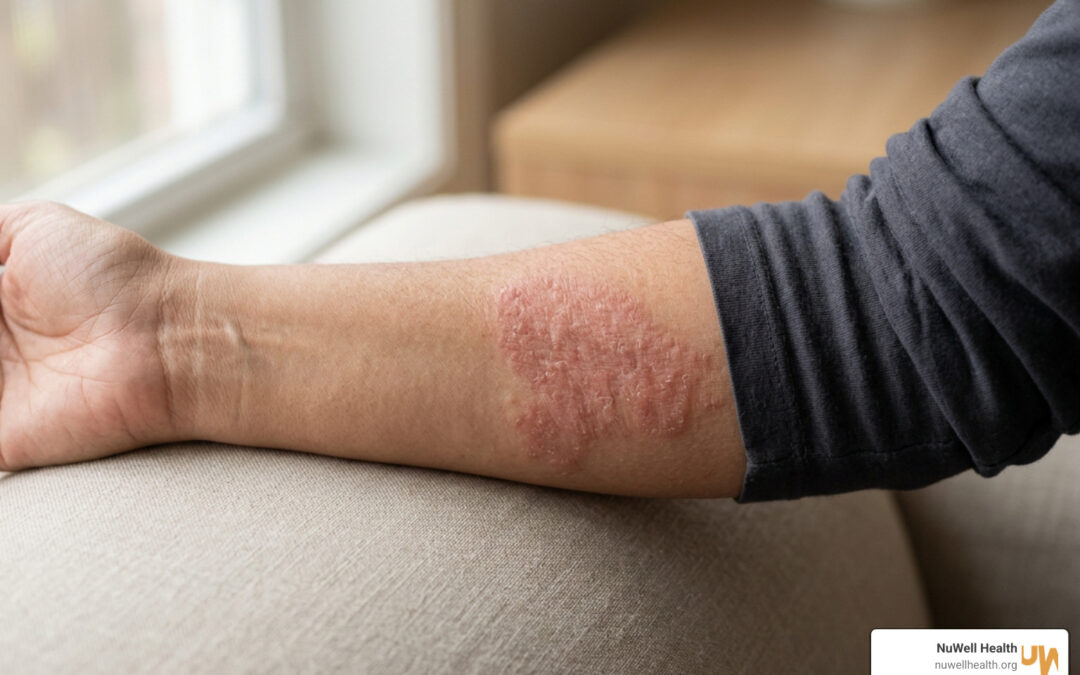
When the skin barrier is compromised, immune cells flood the area and trigger inflammation. That redness, swelling, and unbearable itch? That is your body’s defense system misfiring in response to things that pose no real threat.
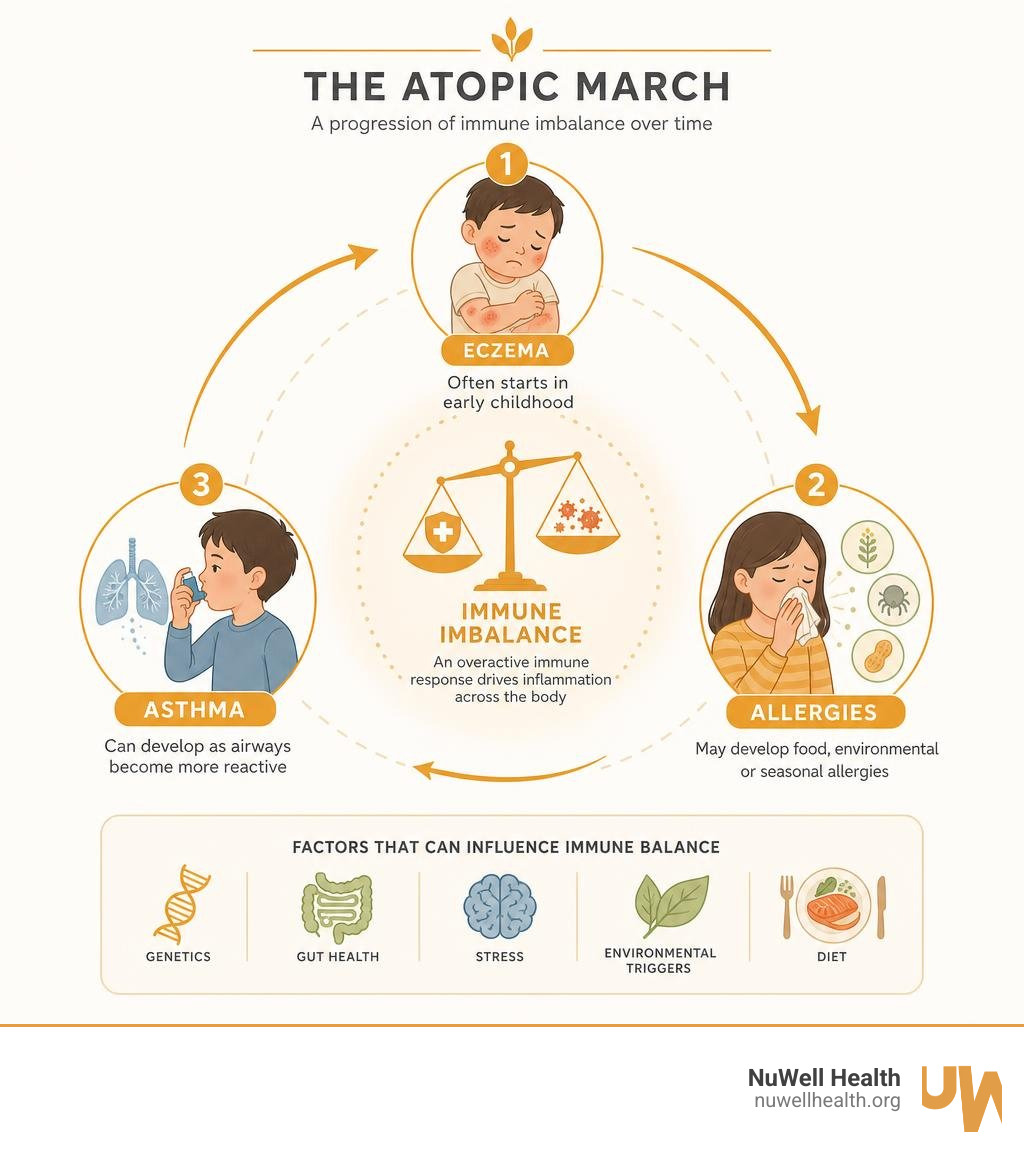
What makes this especially frustrating is that eczema rarely travels alone. More than 50% of children with eczema go on to develop asthma or allergies by age three — a progression researchers call the atopic march. This pattern points to a deeper, system-wide immune imbalance rather than a simple skin problem.
At NuWell Health, through our years of clinical experience working with hundreds of eczema clients, we have found that understanding why the immune system is out of balance — whether due to genetics, gut health, stress, or environmental triggers — is the essential first step toward lasting relief.
Eczema immune system balance vocab explained:
Is Eczema an Autoimmune Disease or a Sign of a Weak Immune System?
When you are staring at a fresh, angry red patch of skin, it is natural to wonder what is happening beneath the surface. Many people assume that their body’s defenses have either completely broken down or have turned against them.
However, eczema is characterized by immune dysregulation and hypersensitivity rather than a simple lack of immune strength. It is a state of hyper-reactivity. Your white blood cells are on high alert, treating everyday environmental factors as dangerous invaders.
While typical eczema is a matter of hypersensitivity, there are rare cases where severe eczema-like symptoms are linked to primary immunodeficiency diseases. Inherited disorders such as Wiskott-Aldrich syndrome, Hyper IgE syndrome, IPEX syndrome, and Severe Combined Immunodeficiency (SCID) can present with profound skin rashes that closely mimic severe atopic dermatitis.
Unlike standard eczema, these conditions represent true immune deficiencies where the body lacks the fundamental tools to fight off infections, often requiring specialized, high-level medical intervention. For the vast majority of eczema sufferers, however, the issue is not a lack of immune cells, but a lack of coordination among them.
To understand how this differs from other chronic inflammatory issues, it helps to explore the spectrum of autoimmune conditions.
Dysregulation vs. Weakness: The Sensitive Immune System
Having eczema does not mean you catch every cold that passes through your office. In fact, your immune system is incredibly active. The problem is that it is highly sensitive and prone to overreacting.
According to clinical insights on Eczema and the Immune System: Your FAQs – Healthline, this over-reactivity is driven by a combination of genetic predisposition and environmental triggers. When your skin barrier is breached, your white blood cells produce an exaggerated inflammatory response.
Instead of quietly resolving a minor irritation, the immune system throws an inflammatory party that leaves your skin red, swollen, and incredibly itchy. This is dysregulation, not weakness.
Eczema vs. True Autoimmune Conditions
Is eczema an autoimmune disease? Technically, no.
In a true autoimmune condition, the immune system mistakenly identifies the body’s own healthy tissue as foreign and launches a direct attack to destroy it. In eczema, the immune system is not targeting your actual skin cells. Instead, it is reacting to external irritants, allergens, and microbes that have slipped through a compromised skin barrier.
As outlined in the classic review Atopic Dermatitis: A Disease of Altered Skin Barrier and Immune …, eczema is better defined as a complex interplay of skin barrier dysfunction and immune hypersensitivity. The inflammation is a secondary reaction to environmental elements breaching the fortress wall, rather than an internal, self-destructive autoimmune attack.
The Cellular Tug-of-War: Achieving Eczema Immune System Balance
To find true relief, we must look at what is happening on a cellular level. The immune system relies on a delicate system of checks and balances to maintain homeostasis. When this balance is disrupted, skin health quickly deteriorates.
Recent research has shed light on how specific cells maintain or disrupt this balance. For example, researchers have observed that patients with eczema consistently show very low levels of Natural Killer (NK) cells in their blood.
While NK cells are traditionally studied for their role in fighting off viruses and cancer, a study highlighted by Revving up immune system may help treat eczema – WashU Medicine suggests that boosting these cells can actually resolve eczema symptoms. Instead of simply suppressing the entire immune system, finding ways to support and “rev up” specific regulatory cells like NK cells could offer a promising, more balanced path forward.
The Th1 and Th2 Imbalance in Eczema Immune System Balance
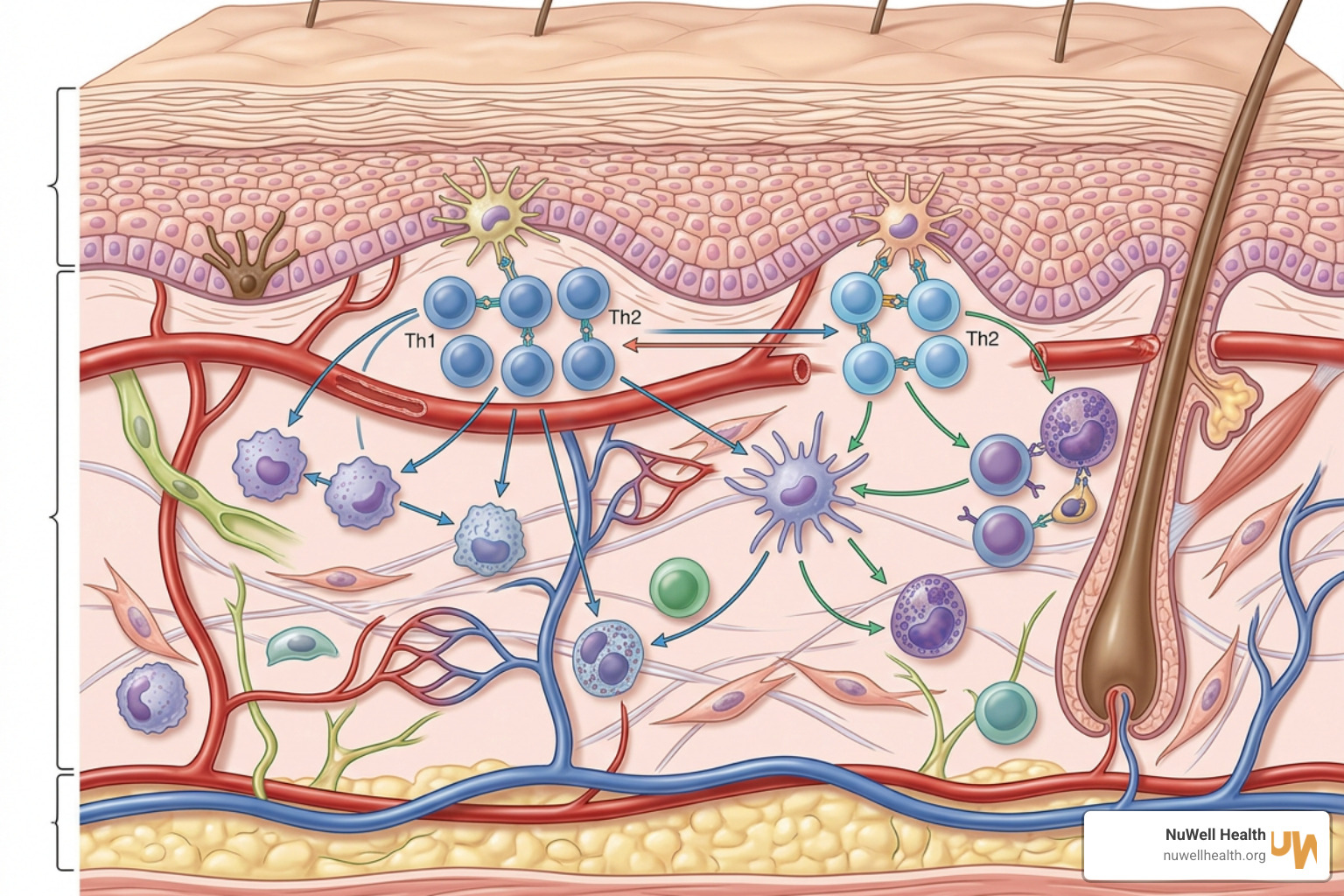
At the core of eczema immune system balance is the relationship between two types of T helper cells: Th1 and Th2.
- Th1 cells are primarily responsible for fighting off intracellular pathogens like viruses and bacteria.
- Th2 cells handle extracellular threats, such as parasites, and are heavily involved in allergic responses.
In a healthy body, these two pathways exist in a harmonious tug-of-war. In people with eczema, however, the scale is heavily skewed toward the Th2 pathway. This is known as Th2 polarization.
When the Th2 pathway dominates, it releases inflammatory proteins called cytokines, specifically interleukin-4 (IL-4) and interleukin-13 (IL-13). These cytokines do two highly destructive things: they drive intense redness and itching, and they actively weaken the skin’s physical barrier.
Furthermore, emerging science published in IL-10+ regulatory B cells mitigate atopic dermatitis by suppressing eosinophil activation | Scientific Reports shows that regulatory B cells (Bregs) play a vital role in keeping this inflammation in check. These specialized B cells produce IL-10, a powerful anti-inflammatory cytokine that suppresses the activation of eosinophils (white blood cells that cause tissue damage and itching during allergic flares).
When these regulatory mechanisms fail, Th2 inflammation runs wild. In our work at NuWell Health, we have seen firsthand how supporting the body’s regulatory mechanisms through natural, targeted nutrition and lifestyle adjustments can help restore this delicate cellular harmony without the need for harsh immunosuppressive drugs. To learn more about restoring this cellular harmony naturally, read our A Practical Guide to Natural Dermatitis Treatment.
Genetics, Filaggrin Mutations, and Skin Barrier Integrity
We cannot talk about immune balance without talking about the skin barrier itself. The two are completely co-dependent.
The strongest genetic risk factor for developing eczema is a mutation in the FLG gene, which is responsible for producing a protein called filaggrin. Think of filaggrin as the “mortar” that holds your skin’s cellular “bricks” together.
When you have a filaggrin mutation:
- The cellular mortar is weak or missing, creating physical gaps in the skin.
- Moisture easily escapes, leading to high transepidermal water loss (TEWL) and chronically dry skin.
- Environmental irritants, allergens, and microbes easily slip through these gaps.
Additionally, defects in tight junction proteins like claudin-1 weaken the deeper layers of the skin barrier. This structural failure allows external particles to penetrate deep enough to meet your immune cells, triggering the Th2-skewed response.
To explore practical, hands-on ways to support your skin’s physical barrier, check out our guide to Stop the Scratch with These Natural Treatments for Eczema.
Environmental Triggers, Stress, and the Gut-Skin Axis
Your immune system does not live in a vacuum. It is constantly listening to signals from the outside world, your mind, and your digestive tract.

Environmental triggers play a massive role in sparking the immune responses that lead to eczema flares. Interestingly, chronic skin irritation can actually change how your body responds to allergens.
As detailed in Reframing Eczema: Th2-Skewed Contact Sensitization, Atopy Patch Testing, and Systemic Contact Dermatitis | Current Allergy and Asthma Reports | Springer Nature Link, chronic irritation impairs skin integrity and promotes Th2-skewed allergic contact dermatitis to weak allergens (like propylene glycol, food proteins, and common preservatives) that healthy skin would easily tolerate.
Furthermore, in about 15% of patients, ingesting certain food allergens can trigger a systemic “recall” response, causing flares in classic eczema flexures without causing an immediate allergic reaction.
How Stress and Cortisol Disrupt Eczema Immune System Balance
If you have ever noticed your skin flaring up right before a major presentation or during a difficult life event, you have experienced the mind-skin connection firsthand.
When you experience chronic stress, your adrenal glands release elevated levels of cortisol and other stress hormones. While cortisol is naturally anti-inflammatory in short bursts, chronic elevation eventually:
- Suppresses overall immune function, making you more vulnerable to skin infections.
- Promotes systemic, low-grade inflammation.
- Weakens the skin barrier by slowing down lipid production and cellular repair.
This creates a frustrating loop: stress triggers a flare, the physical discomfort and visibility of the flare cause more stress, and the cycle continues. Incorporating daily relaxation techniques like deep breathing, prayer, journaling, and gentle skin support can break this cycle.
For targeted advice on managing localized, stress-sensitive flares, read our article on Breast Eczema Relief: 8 Natural Home Remedies That Actually Work.
The Gut-Skin Connection and Food Sensitivities
The gut and the skin are deeply connected. The gut-skin axis refers to the bidirectional communication channel between your digestive tract and your skin, mediated largely by your immune system.
When the gut microbiome is out of balance—a state known as gut dysbiosis—it can lead to increased intestinal permeability, or “leaky gut.” This allows partially digested food particles and microbial toxins to enter the bloodstream, triggering systemic inflammation that ultimately shows up on your skin.
Conversely, a healthy, diverse gut microbiome produces beneficial metabolites like short-chain fatty acids (SCFAs), secondary bile acids, and tryptophan derivatives. As explored in Gut dysbiosis and microbial metabolites in atopic dermatitis: implications for immune regulation along gut-skin axis, these metabolites play a crucial role in maintaining epithelial barrier integrity and promoting the development of regulatory T cells, which help keep the Th2 pathway from overreacting.
In our clinical experience at NuWell Health, guiding clients through a structured elimination diet is one of the most powerful natural health solutions we offer, often yielding noticeable improvements in skin texture and comfort within just a few weeks. If you suspect certain foods are driving your skin flares, we highly recommend reading our Eczema Elimination Diet Guide: Say Goodbye to the Itch and exploring The Definitive Guide to Food Sensitivity Testing to identify your specific triggers.
The Infection Connection: Staphylococcus aureus and Skin Immunity
One of the most challenging aspects of living with eczema is the constant threat of skin infections. A healthy skin barrier produces antimicrobial peptides (AMPs) that act as natural shields against harmful bacteria. However, because of Th2 cytokine activity and filaggrin deficiencies, eczema-prone skin produces far fewer of these protective proteins.
This leaves the skin highly vulnerable to colonization by Staphylococcus aureus. In fact, Staphylococcus aureus can be cultured from up to 90% of atopic dermatitis skin lesions, compared to only a small fraction of healthy skin.
As discussed in the comprehensive review Microbiome dysbiosis and therapeutic restoration in atopic dermatitis, S. aureus does not just sit quietly on the skin. It releases toxins and enzymes that further break down the skin barrier, trigger mast cell degranulation, and fuel the vicious cycle of itching and inflammation.
Furthermore, this compromised immunity increases the risk of viral infections, such as eczema herpeticum (a potentially serious viral infection caused by the herpes simplex virus), which occurs in 10% to 20% of patients with atopic dermatitis.
Frequently Asked Questions About Eczema and the Immune System
Understanding your skin condition is the first step toward managing it effectively. Let’s look at how eczema compares to other common skin conditions and answer some of the most frequent questions we receive.
| Feature | Eczema (Atopic Dermatitis) | Psoriasis |
|---|---|---|
| Primary Cause | Skin barrier dysfunction + Th2-skewed hypersensitivity | Accelerated skin cell turnover + Th1/Th17 autoimmune pathway |
| Typical Appearance | Dry, red, inflamed, poorly defined patches; may weep or crust | Thick, well-defined red plaques covered with silvery scales |
| Sensation | Intensely, persistently itchy | Mildly itchy, tight, or sore |
| Common Locations | Flexures (creases of elbows, knees), face, neck, hands | Extensor surfaces (elbows, knees), scalp, lower back |
| Systemic Links | Asthma, seasonal allergies, food sensitivities (Atopic March) | Psoriatic arthritis, cardiovascular inflammation |
Does having eczema mean I have a weak immune system?
No. Having eczema does not mean your immune system is weak or unable to defend you. Instead, it means your immune system is highly sensitive and prone to overreacting to everyday, harmless substances. Your white blood cells are producing an exaggerated inflammatory response to environmental triggers that healthy skin would simply ignore.
Can stress directly cause an eczema flare-up?
Yes, absolutely. When you are stressed, your body releases cortisol and other stress hormones. These hormones disrupt the delicate balance of your immune system, promote systemic inflammation, and actively impair your skin’s ability to retain moisture and repair itself. This combination makes it much easier for a flare-up to occur.
How does the gut microbiome affect skin inflammation?
Through the gut-skin axis, the bacteria in your digestive tract communicate directly with your skin’s immune cells. A healthy, diverse gut microbiome produces beneficial metabolites like short-chain fatty acids (SCFAs) that help soothe systemic inflammation and keep the immune system balanced.
When your gut microbiome is out of balance, it can lead to systemic inflammation that directly manifests as red, itchy, and irritated skin. To learn more about how digestive health impacts your skin, visit our resource on Allergies and Food Sensitivity.
Conclusion
Achieving true skin balance is not about aggressively suppressing your body’s natural defenses with heavy steroids or immunosuppressants—especially since clinical trials show that about 60% of patients treated with advanced biologics like dupilumab do not achieve the desired complete response. Instead, true healing comes from identifying and resolving the root causes of immune dysregulation.
At NuWell Health, our hands-on experience with clients has proven that taking a holistic, root-cause approach—addressing the mind, body, and spirit—is the most effective way to restore long-term skin health. We have watched countless individuals find lasting relief by supporting their gut microbiome, identifying hidden food sensitivities, managing stress naturally, and using gentle, plant-based topical therapies, helping their immune systems step down from high alert.
We approach healing from a Christian perspective, recognizing that our bodies are wonderfully made and designed to self-heal when given the proper support, rest, and natural nourishment. We focus on empowering you with preventive lifestyle tools and self-care strategies that have fewer side effects, helping you find lasting peace for both your mind and your skin.
If you are ready to take the next step on your healing journey and discover how to support your body’s natural defenses, read our comprehensive guide on How to Master Natural Ways to Heal Eczema.
This article was researched with AI and heavily edited by Jordan Oliver for accuracy and relevance.
Jordan is an author, ordained minister, and online host for His Glory TV, sharing biblically grounded insights on faith, prayer, and spiritual growth. She is the co-founder of Triple-Braided Cord Co., an intercessory prayer and healing ministry inspired by Ecclesiastes 4:12.
Jordan holds a Bachelor’s degree in Communications and Religious Studies from High Point University and is a certified Spiritual Life Coach through iCoachLife in Nashville, Tennessee. Drawing from her ministry, coaching, and academic experience, she creates trustworthy, faith-based content that helps readers grow in their relationship with God. Learn more about Jordan here.