

When Your Body Reacts to Food: Allergy or Intolerance?
Food allergies and intolerances are two very different conditions — but they’re confused all the time, and that confusion can lead to the wrong treatment, unnecessary dietary restrictions, or even a missed diagnosis.
Here’s the short answer most people need:
| Food Allergy | Food Intolerance | |
|---|---|---|
| Involves immune system? | Yes | No |
| Can be life-threatening? | Yes (anaphylaxis) | No |
| How fast do symptoms appear? | Minutes to 2 hours | Hours later |
| Small amounts cause reactions? | Often yes | Usually no — dose-dependent |
| Main symptoms | Hives, swelling, breathing issues | Bloating, gas, diarrhea, headaches |
| Example | Peanut allergy | Lactose intolerance |
Food allergies trigger an immune system response. Your body treats a harmless food protein like a threat and attacks it — sometimes violently.
Food intolerances are a digestive issue. Your body simply struggles to break down a specific food or chemical. It’s uncomfortable, but it won’t send you to the emergency room.
This distinction matters enormously. Estimates suggest food allergies affect between 2–10% of the global population, while food intolerances may affect up to 20% or more. Yet many people live for years without a clear answer about which one they have.
At NuWell Health, we’ve found that this confusion is one of the most common reasons people stay stuck in cycles of digestive distress — trying elimination diet after elimination diet without ever addressing the real root cause.
Whether you’re dealing with unpredictable gut reactions, skin flare-ups, or chronic fatigue after meals, understanding what’s actually happening in your body is the essential first step.
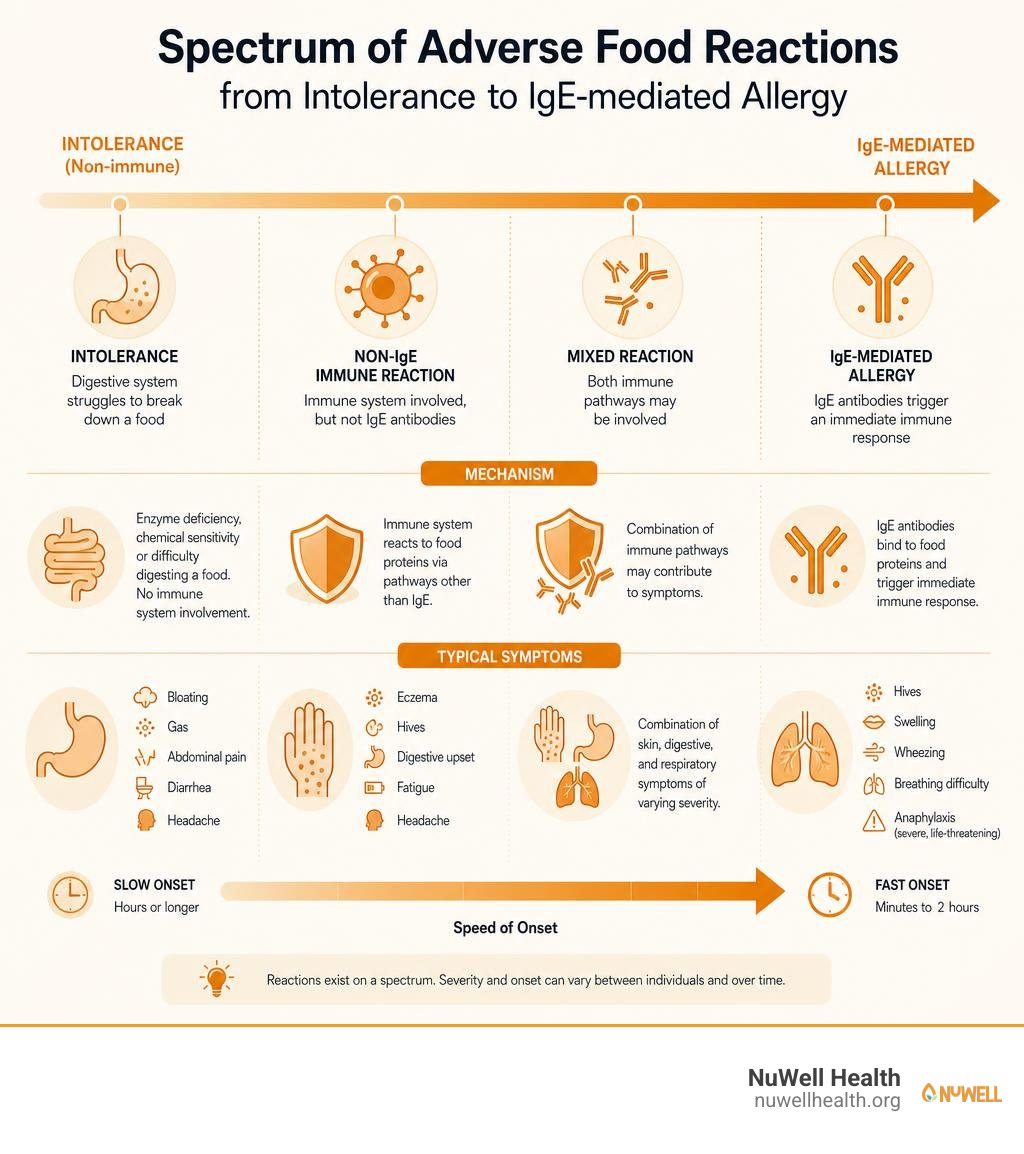
Food Allergies and Intolerances: Understanding the Core Differences
To understand why your body reacts to certain foods, we have to look beneath the surface at the biological mechanisms driving these responses. The scientific distinction between allergy and intolerance comes down to which system in your body is sounding the alarm.
A food allergy is a strictly immunological reaction. When you ingest an allergen, your immune system mistakenly identifies a harmless food protein as a dangerous foreign invader. In response, it deploys specialized defense mechanisms to neutralize the threat. This reaction is systemic, highly sensitive, and can be triggered by even the microscopic trace of a food.
A food intolerance, on the other hand, is a non-immunological reaction. It is primarily a localized digestive event. It occurs when your gastrointestinal tract lacks the necessary enzymes to break down a food component, or when your body reacts chemically to compounds naturally present in what you eat.
Crucially, food intolerances are threshold-dependent. This means that while a person with a true peanut allergy might experience a severe reaction from a single crumb, someone with a lactose intolerance can often enjoy a splash of milk in their morning coffee without experiencing symptoms. The reaction only occurs once they exceed their personal digestive limit.
At NuWell Health, we believe in looking at the body as a whole, interconnected system. Understanding these differences helps us move away from fear-based dietary restriction and toward targeted, root-cause healing. For a deeper look into navigating these waters, check out A Practical Guide to Allergies and Food Sensitivity.
IgE-Mediated Food Allergies and Intolerances: Rapid Immune Responses
When people talk about dangerous, rapid-onset food allergies, they are referring to IgE-mediated reactions. This is the classic Type I hypersensitivity pathway.
During the first exposure to an allergen, your immune system creates Immunoglobulin E (IgE) antibodies specific to that food protein. These IgE antibodies bind to the surface of mast cells—which reside in your skin, respiratory tract, and gut lining—as well as basophils in your blood.
Upon re-exposure, the food proteins bind to these IgE antibodies, causing the mast cells to rapidly degranulate. This degranulation releases a flood of inflammatory chemicals, most notably histamine, into your bloodstream.
The symptoms of an IgE-mediated food allergy appear with alarming speed, typically within minutes to two hours of ingestion. These symptoms can include:
- Skin: Hives (urticaria), swelling (angioedema) of the lips, face, and tongue, or intense itching.
- Respiratory: Wheezing, coughing, shortness of breath, or nasal congestion.
- Gastrointestinal: Abdominal pain, vomiting, or acute diarrhea.
- Cardiovascular: A sudden drop in blood pressure, dizziness, or loss of consciousness.
The most severe manifestation of this pathway is anaphylaxis—a systemic, life-threatening emergency that requires immediate treatment with an epinephrine auto-injector.
Because of the high stakes involved, getting an accurate diagnosis is paramount. Diagnostic methods like skin prick testing and serum-specific IgE blood tests are commonly used to identify potential triggers, though they must always be interpreted alongside clinical history. If you are trying to navigate this testing landscape, our Food Allergy Testing Complete Guide offers a comprehensive roadmap.
Non-IgE-Mediated and Mixed Food Allergies and Intolerances
While IgE-mediated allergies dominate the headlines, the immune system has other ways of reacting to food. Non-IgE-mediated food allergies do not rely on IgE antibodies or mast-cell degranulation. Instead, they are primarily T-cell-mediated, inflammatory reactions localized within the gastrointestinal tract.
Because these cellular immune responses take time to build, symptoms are delayed—often appearing several hours or even days after eating the trigger food. This delay makes identifying the culprit incredibly challenging without professional guidance.
The primary non-IgE-mediated food allergies include:
- Food Protein-Induced Enterocolitis Syndrome (FPIES): A severe pediatric condition characterized by profuse, delayed vomiting and diarrhea, which can lead to systemic dehydration and shock.
- Food Protein-Induced Allergic Proctocolitis (FPIAP): Typically presenting in healthy breastfed or formula-fed infants, this condition causes blood-streaked, mucus-laden stools due to localized inflammation in the distal colon.
- Eosinophilic Esophagitis (EoE): A mixed IgE/non-IgE disorder where white blood cells called eosinophils build up in the lining of the esophagus. Over time, this chronic inflammation causes tissue scarring, leading to difficulty swallowing (dysphagia) and food impaction.
For a deeper dive into these complex immunological pathways, you can read this comprehensive Clinical overview of food allergies.
Deep Dive into Common Food Intolerances and Sensitivities
If your immune system is not involved, but you still feel miserable after eating, you are likely dealing with a food intolerance or sensitivity. At NuWell Health, we look at these issues through a holistic lens. Rather than simply labeling a food as “bad” and cutting it out forever, we want to know why your digestive system is struggling.

Two of the most common drivers of food intolerances are enzyme deficiencies and gut microbiome dysbiosis. When your gut bacteria are out of balance, or when you lack the chemical keys (enzymes) to unlock and break down your food, undigested particles travel deep into your colon. There, they ferment, feed opportunistic bacteria, produce gas, and cause chronic irritation.
Determining exactly what is happening in your digestive tract is crucial. To explore how to evaluate your gut health, read Everything You Need to Know About Testing Your Gut for Food Sensitivities.
Lactose Intolerance and Milk Hypersensitivity
Lactose intolerance is the most common food intolerance on Earth, affecting over 65% of the global population. It occurs due to a natural, genetically programmed decline in the production of the lactase enzyme as we age. Without enough lactase, your body cannot split the milk sugar lactose into its easily absorbable components, glucose and galactose.
The undigested lactose draws water into the bowel through an osmotic effect and is fermented by colonic bacteria. This leads to the classic symptoms of bloating, abdominal cramps, flatulence, and watery diarrhea.
However, at NuWell Health, we recognize that not all milk sensitivities are simple enzyme deficiencies. Fascinatingly, research shows that more than 50% of individuals with self-reported milk intolerance exhibit elevated levels of fecal calprotectin—a clinical marker of gut inflammation. This suggests that for many, reacting to dairy involves a low-grade inflammatory or hypersensitivity response rather than just a lack of enzymes.
Furthermore, managing lactose intolerance requires a mindful, balanced approach. Simply cutting out all dairy without a plan increases your risk of calcium and vitamin D deficiencies, which can elevate your long-term risk of osteoporosis. We work with our clients to find safe, nutrient-dense alternatives and support natural enzyme function to protect bone density and overall vitality.
Gluten-Related Disorders: Celiac Disease vs. NCGWS
Gluten, a protein found in wheat, barley, and rye, is at the center of several distinct health conditions. To heal your gut, you must understand exactly which type of gluten-related disorder you have:
- Wheat Allergy: This is a classic IgE-mediated allergy. The body produces IgE antibodies against wheat proteins, triggering rapid-onset symptoms like hives, wheezing, or even anaphylaxis.
- Celiac Disease: An autoimmune enteropathy affecting approximately 1.4% of the global population. When a person with celiac disease consumes gluten, their immune system attacks and destroys the delicate, finger-like villi of the small intestine. This leads to severe malabsorption, nutrient deficiencies, and systemic symptoms. Dermatitis herpetiformis is a specific cutaneous manifestation of celiac disease, causing an itchy, blistering skin rash. The gold standard for celiac diagnosis is an endoscopic duodenal biopsy.
- Non-Celiac Gluten/Wheat Sensitivity (NCGWS): This condition is estimated to affect up to 5-6% of the general population. These individuals experience digestive issues, brain fog, joint pain, and fatigue after consuming gluten, yet they test negative for both celiac disease and wheat allergy.
Interestingly, studies show that patients with NCGWS often report poorer sleep quality and struggle more with dietary adherence than those with celiac disease, highlighting the profound systemic impact of this sensitivity. To explore the scientific characteristics of these conditions further, see this Research on food hypersensitivity characteristics.
Histamine Intolerance and DAO Enzyme Deficiency
Histamine is a vital chemical messenger involved in immune responses, digestion, and your central nervous system. However, just like a sink can overflow if the drain is clogged, histamine can build up in your body if you cannot break it down fast enough.
This breakdown is primarily handled by the diamine oxidase (DAO) enzyme in your digestive tract. Histamine intolerance occurs when there is a deficiency in DAO activity, allowing dietary histamine from foods like aged cheeses, fermented foods, cured meats, and red wine to pass directly into your bloodstream.
Symptoms of histamine intolerance mimic an allergic reaction but are non-IgE-mediated. They can include:
- Migraines or tension headaches.
- Hives, flushing, or itchy skin.
- Nasal congestion or asthma-like symptoms.
- Abdominal bloating, pain, or irregular bowel movements.
At NuWell Health, we have found that DAO deficiency is rarely a standalone genetic fluke. Instead, it is highly driven by pre-existing gut mucosal damage. Chronic inflammation, celiac disease, or small intestinal bacterial overgrowth (SIBO) damage the delicate brush border of your intestinal lining where DAO is produced. By focusing on natural gut-healing protocols to restore the mucosal barrier, we can often help our clients naturally rebuild their DAO levels and expand their dietary tolerance.
The Gut-Brain Connection: IBS and Food Hypersensitivity
There is a profound, bidirectional superhighway connecting your central nervous system to your enteric nervous system, known as the gut-brain axis. This connection explains why emotional stress can trigger physical gut pain, and why chronic gut irritation can manifest as anxiety, depression, or brain fog.
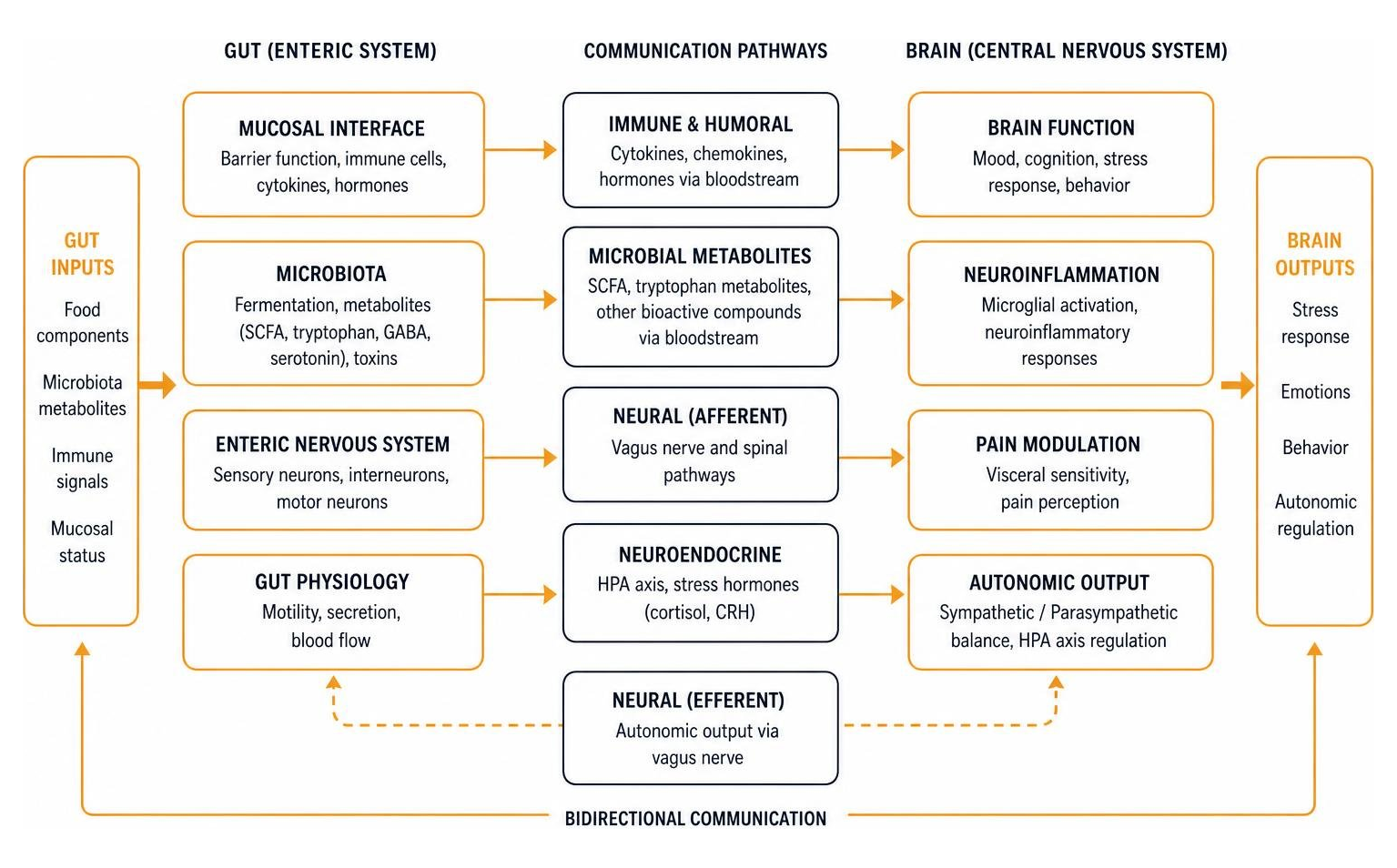
Irritable bowel syndrome (IBS) is a functional gastrointestinal disorder affecting approximately 20% of the global population. It is characterized by abdominal pain, cramping, bloating, and altered bowel habits (diarrhea, constipation, or both).
In patients with IBS, the gut is often hypersensitive. Normal digestive processes, like the movement of gas or the stretching of the intestinal wall, are registered by the brain as intense pain. Chronic, low-grade mucosal inflammation and alterations in gut motility directly feed into this hypersensitivity.
At NuWell Health, our clinical experience has shown that addressing this hypersensitivity requires more than just avoiding trigger foods; we must actively soothe the nervous system and support the gut lining using natural, plant-based therapies and targeted lifestyle adjustments.
This is where a low-FODMAP diet comes into play. FODMAPs (Fermentable Oligosaccharides, Disaccharides, Monosaccharides, and Polyols) are short-chain carbohydrates that are poorly absorbed in the small intestine. When they travel to the large intestine, they exert an osmotic effect (drawing in water) and are rapidly fermented by resident bacteria, producing hydrogen and methane gas.
For a healthy individual, this fermentation is normal. But for someone with IBS, the sudden gas production and water retention stretch the sensitive intestinal walls, triggering painful spasms and bloating. In our practice at NuWell Health, we have found that combining a temporary low-FODMAP protocol with natural gut-calming herbs like peppermint and chamomile helps to calm the physical stretching of the gut, reduce chronic inflammation, and give the nervous system a chance to reset. To explore how to implement these changes sustainably, read The Ultimate Guide to Lifestyle Changes for IBS and Happy Digestion.
Frequently Asked Questions about Food Hypersensitivities
How is FPIES diagnosed and what are its common triggers?
Food Protein-Induced Enterocolitis Syndrome (FPIES) is a non-IgE-mediated food allergy that primarily affects pediatric patients up to 3 years of age. Unlike classic allergies, FPIES does not show up on standard skin prick or blood tests.
Instead, FPIES is diagnosed clinically based on a history of characteristic symptoms: severe, repetitive vomiting and diarrhea that begin 1 to 4 hours after consuming a trigger food, often leading to lethargy, pallor, or dehydration.
The most common triggers for FPIES are cow’s milk and soy, though grains like rice and oats can also be culprits. Interestingly, up to 43.5% of infants who react to cow’s milk in FPIES also react to soy. At NuWell Health, we support families navigating FPIES by focusing on gentle, natural maternal nutrition and gut-supportive strategies to help strengthen the infant’s developing digestive tract. The gold standard for confirming both the diagnosis and eventual recovery (which 90% of children achieve by age 3) is a medically supervised oral food challenge.
What is the role of skin prick testing and specific IgE testing in diagnosing food allergies?
Skin prick testing (SPT) and specific IgE (sIgE) blood tests are highly sensitive tools used to identify sensitization to specific food proteins. SPT provides results within 15 to 20 minutes by introducing a tiny amount of allergen into the skin and measuring the resulting wheal-and-flare reaction.
However, there is a critical difference between sensitization (having IgE antibodies) and a true clinical allergy (experiencing a physical reaction when eating the food). Both skin and blood tests can yield false positives, especially in individuals with elevated total IgE levels or atopic skin conditions.
Therefore, these tests should never be used as broad, unguided screening panels. At NuWell Health, we have observed that relying solely on these tests without looking at the whole person often leads to unnecessary food fear and restriction. We always interpret these results alongside a detailed clinical history and a holistic assessment of gut health. If results are ambiguous, a supervised oral food challenge remains the gold standard to confirm or rule out an allergy. For those exploring specific testing routes, you can read more about targeted options in Red Alert How to Get a Tomato Allergy IgE Blood Test.
How does a low-FODMAP diet help manage symptoms of irritable bowel syndrome (IBS)?
A low-FODMAP diet works by systematically reducing the intake of highly fermentable, short-chain carbohydrates. By limiting these foods, you reduce the osmotic draw of water into the small intestine and decrease the rapid gas production caused by bacterial fermentation in the colon.
This dual action directly relieves the physical distension of the gut wall, significantly reducing symptoms of bloating, abdominal pain, flatulence, and erratic bowel movements.
However, a low-FODMAP diet is not designed to be a permanent, restrictive lifestyle. It is a structured three-phase process: elimination, systematic reintroduction to identify specific triggers, and personalization. In our work with clients at NuWell Health, we emphasize that the goal is to restore long-term tolerance through natural gut-healing protocols, rather than staying on a restrictive diet indefinitely. To learn how to safely navigate this process without compromising your nutritional health, check out Tame Your Tummy With These Proven IBS Self Care Strategies.
Conclusion
At NuWell Health, we believe that your body is a beautifully complex creation, designed to heal when given the right support. Living with chronic digestive discomfort, skin flare-ups, or systemic fatigue is not something you simply have to accept.
Whether you are dealing with a true IgE-mediated food allergy or a complex, threshold-dependent food intolerance, the key to lasting wellness lies in addressing the root cause. Rather than settling for lifelong, highly restrictive diets that can deplete your nutrition and joy, we focus on restoring gut barrier integrity, balancing the microbiome, supporting digestive enzyme production, and calming the nervous system.
We invite you to take an empowered step forward in your health journey. If you are ready to move past self-diagnosis and find a personalized, compassionate, and science-backed path to healing, explore our resources on Allergies and Food Sensitivity or connect with us today. Your gut—and your whole body—will thank you.
This article was researched with AI and heavily edited by Jordan Oliver for accuracy and relevance.
Jordan is an author, ordained minister, and online host for His Glory TV, sharing biblically grounded insights on faith, prayer, and spiritual growth. She is the co-founder of Triple-Braided Cord Co., an intercessory prayer and healing ministry inspired by Ecclesiastes 4:12.
Jordan holds a Bachelor’s degree in Communications and Religious Studies from High Point University and is a certified Spiritual Life Coach through iCoachLife in Nashville, Tennessee. Drawing from her ministry, coaching, and academic experience, she creates trustworthy, faith-based content that helps readers grow in their relationship with God. Learn more about Jordan here.