
Common Underlying Causes of Constant Stomach Issues
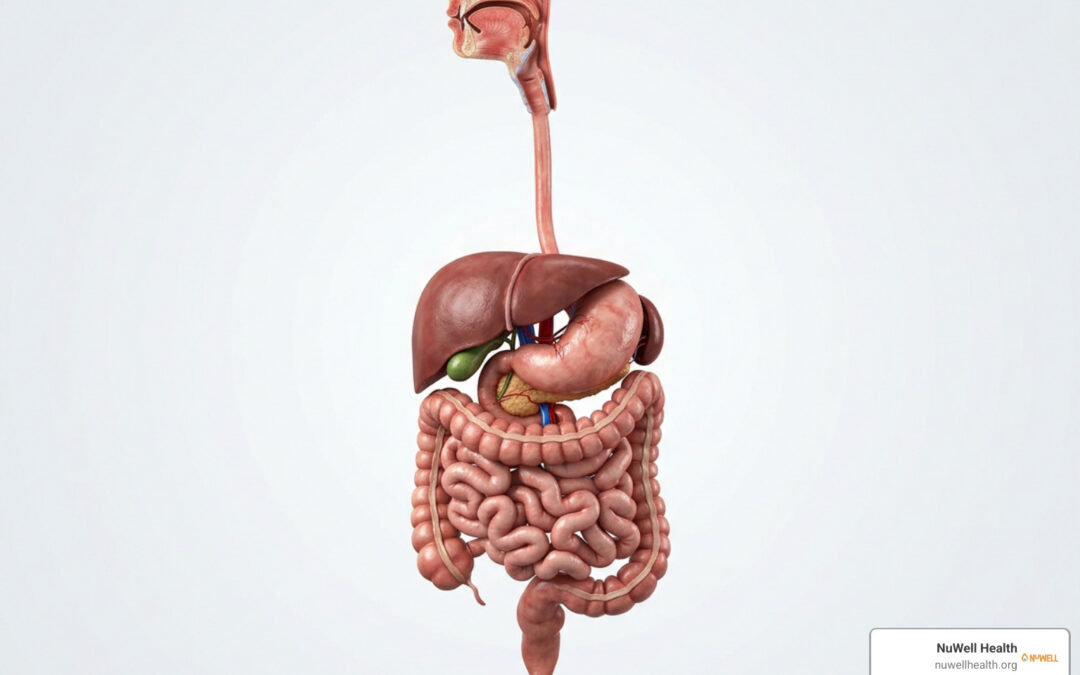
More than 60 million people in the United States are affected by a digestive disease. When gastrointestinal discomfort shifts from an occasional nuisance after a heavy meal into a daily struggle, identifying the root cause is the first step toward lasting wellness. The gastrointestinal (GI) tract—spanning from the mouth to the rectum, alongside the liver, gallbladder, and pancreas—relies on an intricate coordination of nerves, muscles, and chemical messengers.
To better understand why these disruptions occur, exploring an essential guide to digestive issues causes can help make sense of how digestion gets derailed. Causes generally fall into distinct categories: structural conditions, functional disruptions, inflammatory disorders, or dietary sensitivities.
Structural vs. Functional Causes of Constant Stomach Issues
One of the most confusing aspects of dealing with persistent abdominal distress is having clear, uncomfortable symptoms while routine blood work or scans return completely normal. This highlights the fundamental difference between structural and functional gastrointestinal disorders.
- Structural GI Disorders: In these conditions, a doctor can see physical abnormalities, tissue damage, inflammation, or mechanical blockages in the digestive tract. Examples include colon polyps, diverticulitis, peptic ulcers, and hiatal hernias.
- Functional GI Disorders: Also called disorders of gut-brain interaction (DGBIs), these conditions occur when the GI tract looks structurally normal under an endoscope or scan, but does not move, contract, or sense sensations properly. Irritable Bowel Syndrome (IBS) and functional dyspepsia are prime examples.
In clinical practice, physical or organic causes account for only about 10% of chronic abdominal pain cases; the vast majority stem from functional dysregulation. An authoritative overview of gastrointestinal diseases provides further clinical context on how these categories diverge.
| Feature | Functional GI Disorders (e.g., IBS, Functional Dyspepsia) | Structural GI Disorders (e.g., IBD, Peptic Ulcers, Polyps) |
|---|---|---|
| Visible Physical Damage | None; tissue appears healthy on imaging and biopsy | Yes; inflammation, ulceration, bleeding, or growths present |
| Diagnostic Findings | Standard labs, scans, and endoscopies return normal | Abnormalities detected via imaging, scopes, or tissue biopsies |
| Underlying Mechanism | Nerve hypersensitivity, altered motility, gut-brain miscommunication | Cellular damage, autoimmune inflammation, physical blockage |
| Alarm Signs (Weight Loss/Blood) | Absent | Frequently present |
| Primary Management Focus | Nervous system regulation, diet, gut motility, stress care | Medical therapies, targeted pharmaceuticals, surgical intervention |
Irritable Bowel Syndrome (IBS) and Gut Motility
Irritable bowel syndrome is one of the most common digestive diseases diagnosed by gastroenterologists, frequently starting in adolescence or early adulthood. It causes episodes of cramping, gas, bloating, and noticeable changes in bowel habits that come and go over time. People dealing with IBS miss three times as many workdays compared to individuals without bowel symptoms, showing just how deeply it impacts day-to-day life.
Clinically, healthcare providers evaluate IBS using the Rome IV criteria, which looks for recurrent abdominal pain occurring at least one day per week over the previous three months, associated with two or more of the following:
- Pain related to defecation (either relieved or worsened by bowel movements).
- A change in the frequency of stool.
- A change in the form or appearance of stool (such as diarrhea, constipation, or alternating between the two).
IBS is fundamentally a motility and nerve coordination issue. When intestinal muscles contract too quickly, diarrhea results; when they contract too slowly, constipation develops. Applying proven IBS self-care strategies alongside medical insights into the symptoms and causes of IBS can help bring regular rhythm back to your digestion.
Inflammatory Bowel Disease and Peptic Disorders
Unlike functional disorders, inflammatory bowel disease (IBD)—which includes Crohn’s disease and ulcerative colitis—involves chronic, immune-mediated structural inflammation of the gastrointestinal lining.
- Crohn’s Disease: Can affect any part of the GI tract from the mouth to the anus, often causing deep, patchy inflammation through multiple layers of the bowel wall.
- Ulcerative Colitis: Primarily targets the large intestine (colon) and rectum, causing continuous inflammation and ulcers along the innermost mucosal lining.
- Peptic Disorders: Conditions like gastritis (inflammation of the stomach lining) and peptic ulcers (sores in the stomach or upper small intestine) often stem from H. pylori bacterial infections or prolonged use of nonsteroidal anti-inflammatory drugs (NSAIDs).
Understanding the differences among these conditions is vital for proper treatment, as detailed in our comprehensive guide to digestive system diseases.
Food Intolerances and Sensitivities
Food intolerances occur when the digestive system lacks the necessary enzymes to break down specific food components, or when the gut lining reacts poorly to certain compounds.
- Lactose Intolerance: A deficiency in the lactase enzyme prevents the proper digestion of milk sugars, leading to bacterial fermentation in the colon that causes gas, bloating, and watery diarrhea.
- Celiac Disease: An autoimmune reaction triggered by gluten (a protein found in wheat, barley, and rye) where the immune system attacks and damages the microscopic villi of the small intestine, impairing nutrient absorption.
- Non-Celiac Gluten Sensitivity: Digestive discomfort triggered by gluten-containing grains without the autoimmune intestinal destruction seen in celiac disease.
Learning to pinpoint your unique dietary triggers is easier when referencing a detailed food allergies and intolerances guide.
The Gut-Brain Connection and Visceral Hypersensitivity
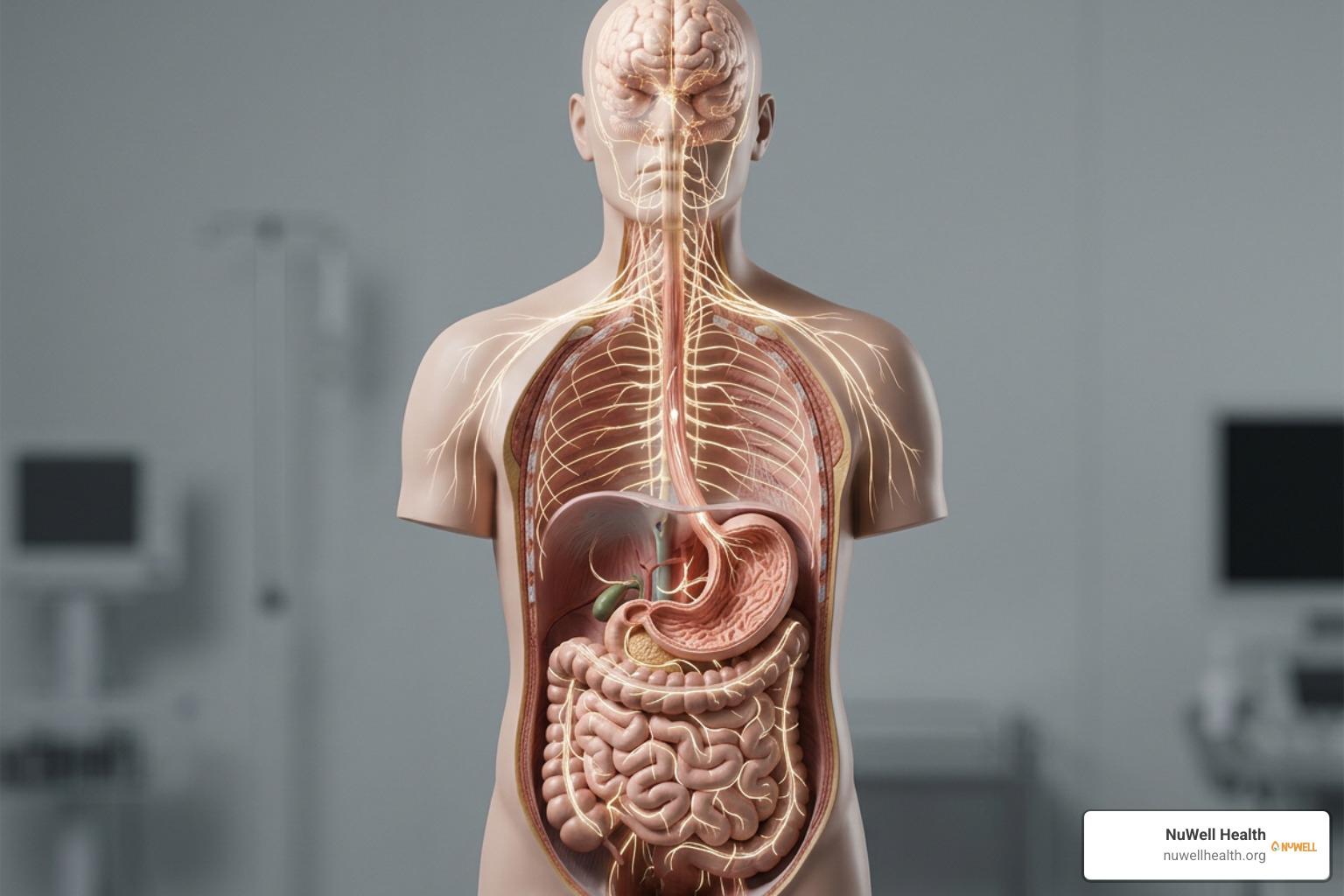
The gut and the brain maintain a constant two-way conversation through the vagus nerve and the enteric nervous system (often called the “second brain”). This gut-brain axis regulates everything from enzyme secretion to the speed at which food moves through the intestines. When communication along this axis becomes disrupted, normal digestive processes can register as severe discomfort. A thorough clinical evaluation of chronic abdominal pain often explores these neurological connections when physical exams show no signs of injury.
Why Normal Digestion Can Feel Painful
During healthy digestion, the intestines naturally stretch, contract, produce small amounts of gas, and move fluids. In a healthy gut-brain loop, the central nervous system filters out these minor sensations. However, in conditions like IBS and functional dyspepsia, individuals often experience visceral hypersensitivity.
Visceral hypersensitivity means the sensory nerves embedded in the digestive wall are unusually reactive. Mild gas pressure or gentle intestinal stretching—sensations that would go unnoticed by someone else—send heightened pain signals directly to the brain. This explains why standard medical tests often return normal: the physical tissues are healthy, but the nerve signaling is set on high alert.
The Impact of Stress and Anxiety on Digestion
When the body encounters emotional or mental stress, the nervous system shifts into a “fight-or-flight” response, releasing stress hormones like cortisol and adrenaline. This surge redirects blood flow away from the digestive tract, slows or erratically speeds up intestinal motility, and alters the protective mucus layer within the gut.
At NuWell Health, we have found that chronic emotional tension frequently manifests as physical gut symptoms, such as stomach knots, cramping, and sudden changes in bowel habits. When environmental elements or dietary stress combine with emotional strain, prioritizing human-centered lifestyle habits—like restful sleep, mindful breathing, and Christian prayer to release anxiety—helps soothe the nervous system and calm an overactive digestive tract.
When to See a Doctor: Warning Signs and Red Flags
While functional discomfort is common and manageable through lifestyle care, chronic gut symptoms should never be ignored without proper clinical screening. Knowing how to recognize expert warning signs of serious GI symptoms helps you determine when self-care is appropriate and when immediate medical evaluation is necessary.
Critical Symptoms That Require Prompt Medical Care
If your digestive issues are accompanied by any of the following “red flag” symptoms, consult a primary care physician or gastroenterologist promptly:
- Rectal Bleeding or Blood in the Stool: Visible bright red blood, dark tarry stools, or unexplained iron-deficiency anemia.
- Unexplained Weight Loss: Dropping weight steadily without changes to your diet or exercise routine.
- Nocturnal Symptoms: Severe pain or diarrhea that wakes you up from a sound sleep (functional conditions like IBS rarely disturb sleep).
- Persistent Fever or Chills: Indicates potential systemic infection or active autoimmune inflammation.
- Persistent Vomiting or Difficulty Swallowing: Inability to keep liquids down or a feeling that food gets stuck in your chest.
- Localized, Worsening Pain: Severe, sharp pain localized in specific areas, such as the lower-right quadrant (appendix) or upper-right quadrant (gallbladder).
Diagnostic Testing and Clinical Evaluation
To rule out structural conditions and establish an accurate diagnosis, healthcare providers use several targeted clinical tools:
- Blood Panels: Complete blood counts, inflammatory markers (like CRP and ESR), and comprehensive metabolic panels.
- Celiac Serology: Tissue transglutaminase (tTG-IgA) antibody tests to check for celiac autoimmunity before removing gluten from the diet.
- Stool Tests: Fecal calprotectin checks to differentiate inflammatory bowel disease from IBS, along with pathogen screenings.
- Breath Tests: Hydrogen and methane breath tests to evaluate lactose intolerance, fructose malabsorption, or small intestinal bacterial overgrowth (SIBO).
- Endoscopic Procedures: Upper endoscopy (EGD) to inspect the esophagus and stomach, or colonoscopy (routinely recommended for individuals over age 45 or those with red-flag symptoms) to examine the large intestine and remove polyps.
- Targeted Screening: Utilizing food sensitivity screening under medical guidance to safely identify foods that trigger symptoms.
Evidence-Based Management and Healing Strategies

Restoring gut comfort requires a well-rounded approach that addresses nutrition, physical movement, and nervous system health. Adopting targeted lifestyle changes for digestive balance can provide long-term relief while minimizing side effects.
Holistic and Lifestyle Solutions for Constant Stomach Issues
- The Low-FODMAP Protocol: Temporarily reducing Fermentable Oligosaccharides, Disaccharides, Monosaccharides, and Polyols (carbohydrates found in foods like garlic, onions, wheat, and apples) reduces the rapid bacterial fermentation that drives gas and distention in sensitive guts.
- Structured Elimination Diets: Systematically removing common culprits (such as dairy, refined sugars, or gluten) for two to four weeks before reintroducing them one by one helps pinpoint real dietary triggers without creating unnecessary long-term food fears.
- Hydration and Balanced Fiber: Gradually increasing soluble fiber (like oats, psyllium husk, and cooked carrots) while drinking plenty of water softens stools and supports healthy motility without causing excess gas.
- Natural Reflux Management: Following a complete guide to managing acid reflux naturally—including eating smaller portions and avoiding meals within three to four hours of bedtime—relieves heartburn and prevents backflow into the esophagus.
Nervous System Regulation and Mind-Body Support
Because the enteric nervous system is closely tied to your emotional state, calming the brain directly relaxes the gut:

- Diaphragmatic Breathing: Practicing five to ten minutes of slow, deep belly breathing before meals activates the parasympathetic (“rest-and-digest”) state, stimulating proper digestive enzyme release.
- Faith-Based Reflection and Prayer: Dedicating daily quiet time to meditative scripture reading and prayer eases emotional burdens, releases anxiety, and helps break the stress-gut pain cycle.
- Gentle Physical Movement: Daily low-impact walking, gentle stretching, or swimming stimulates natural peristalsis, clears trapped intestinal gas, and reduces physical stress.
Gentle Daily Habits for Long-Term Prevention
- Chew Thoroughly: Chewing each mouthful until it reaches an even consistency eases the mechanical workload on your stomach.
- Pace Your Meals: Shift to eating four to five smaller, evenly spaced meals rather than two or three large, heavy sittings.
- Listen to Your Body: Respond promptly to the urge to have a bowel movement rather than delaying it, which can worsen constipation and alter muscle tone.
- Keep Regular Screenings: Stay up-to-date with age-appropriate checkups and colonoscopies to detect polyps early, supporting long-term colon wellness.
Frequently Asked Questions About Chronic Stomach Discomfort
Why does everything I eat seem to upset my stomach?
When every meal causes discomfort, the problem is rarely an allergy to every food. Instead, it typically points to visceral hypersensitivity or a dysregulated gut-brain axis. In a sensitized digestive system, the simple mechanical act of eating—stomach stretching, gastric acid production, and normal gut contractions—triggers heightened pain signals, making benign foods feel like triggers.
How do I tell the difference between a food intolerance and an allergy?
A food allergy is an immune-mediated response (often involving IgE antibodies) that can cause hives, swelling, wheezing, or life-threatening anaphylaxis within minutes of consuming even trace amounts. A food intolerance is a digestive system issue—often caused by enzyme deficiencies—that leads to localized GI symptoms like gas, cramping, bloating, and diarrhea hours after eating a trigger food.
Can psychological stress alone trigger persistent gastrointestinal symptoms?
Yes. Psychological stress activates the sympathetic nervous system, altering gut motility, increasing intestinal permeability, changing the gut microbiome, and heightening pain sensitivity along the brain-gut axis. Over time, chronic stress alone can produce persistent cramping, nausea, diarrhea, or constipation.
Conclusion
At NuWell Health, we have found that achieving lasting digestive comfort requires caring for the whole person—mind, body, and spirit. Persistent gut issues are rarely fixed by extreme, overly restrictive diets or temporary quick fixes. By uncovering root causes, soothing an overactive nervous system, and choosing nourishing, anti-inflammatory foods, you can help restore your body’s natural digestive rhythm. For personalized guidance on your wellness journey, explore our comprehensive support for persistent digestive issues and take proactive steps toward sustained comfort.
This article was researched with AI and heavily edited by Jordan Oliver for accuracy and relevance.
Jordan is an author, ordained minister, and online host for His Glory TV, sharing biblically grounded insights on faith, prayer, and spiritual growth. She is the co-founder of Triple-Braided Cord Co., an intercessory prayer and healing ministry inspired by Ecclesiastes 4:12.
Jordan holds a Bachelor’s degree in Communications and Religious Studies from High Point University and is a certified Spiritual Life Coach through iCoachLife in Nashville, Tennessee. Drawing from her ministry, coaching, and academic experience, she creates trustworthy, faith-based content that helps readers grow in their relationship with God. Learn more about Jordan here.