
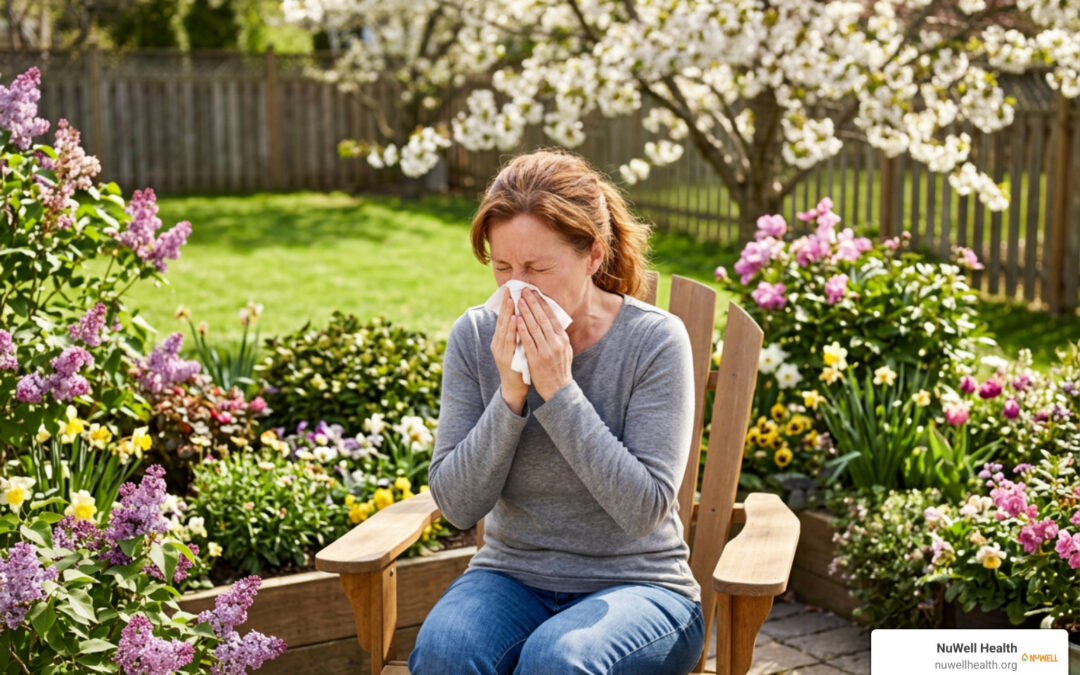
Natural Hay Fever Relief Starts With Reducing Pollen Exposure
There is no proven one-step natural hay fever cure, but many people can reduce symptoms with a practical plan: limit pollen exposure, rinse allergens from the nose, improve indoor air, and consider carefully chosen supplements.
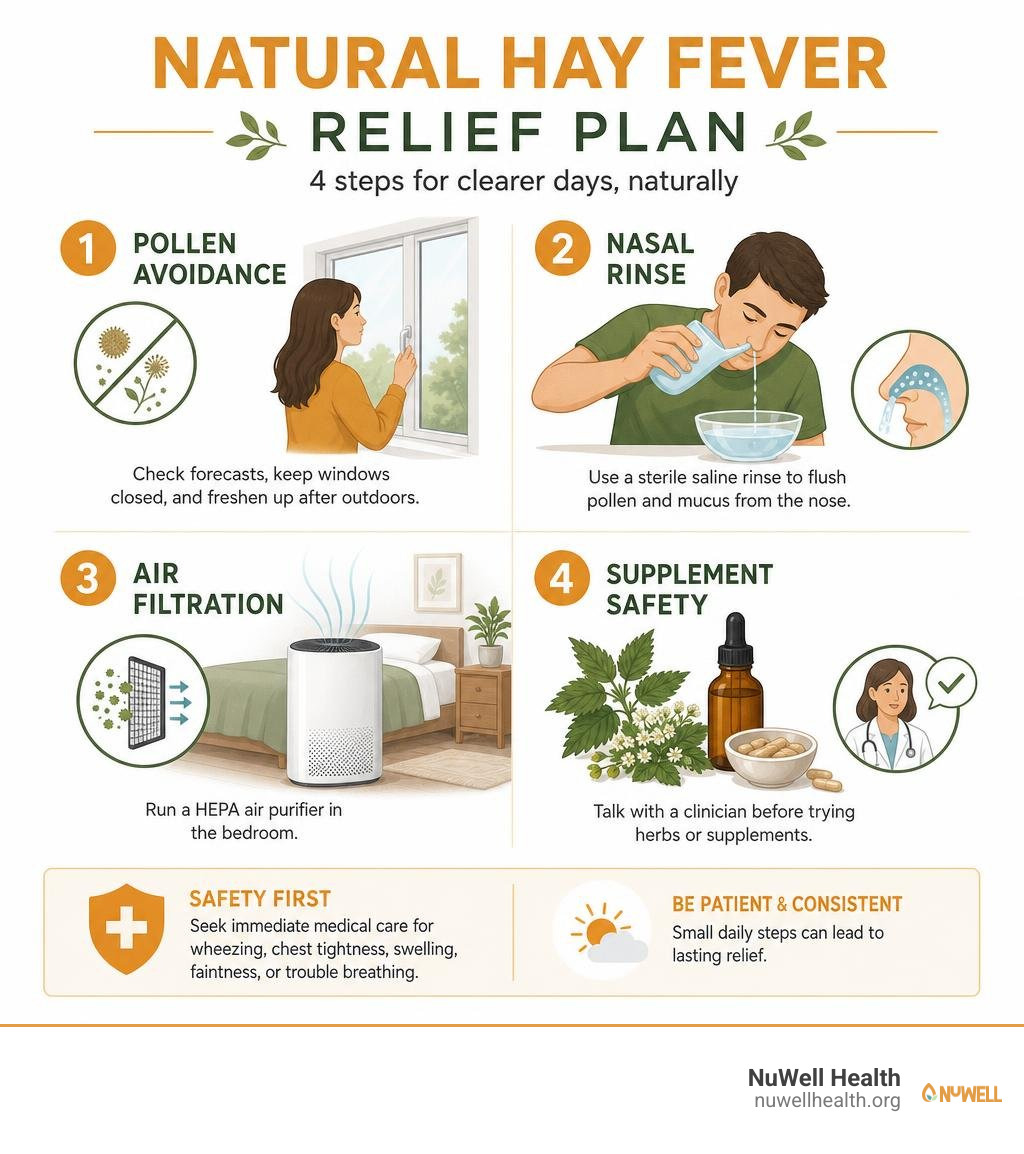
Start with these high-value steps:
- Check pollen forecasts and keep windows closed on high-pollen days.
- Shower, wash your hair, and change clothes after time outdoors.
- Use a sterile saline nasal rinse to flush pollen and mucus from the nasal passages.
- Run a HEPA air purifier in the bedroom.
- Speak with a clinician before trying herbs such as butterbur, stinging nettle, or quercetin.
Hay fever, also called seasonal allergic rhinitis, happens when the immune system treats pollen as a threat. It releases histamine and other inflammatory chemicals, causing sneezing, congestion, itchy eyes, a runny nose, fatigue, and poor sleep.
At NuWell Health, we have found that the most sustainable approach is not chasing a single miracle remedy. It is combining simple daily pollen control with evidence-informed natural support and medical guidance when symptoms are persistent or severe.
Natural options can be useful alongside conventional treatment, but they are not a substitute for urgent care. Wheezing, chest tightness, facial or throat swelling, faintness, or trouble breathing need immediate medical attention.
Handy natural hay fever cure terms:
Is There a Truly Effective Natural Hay Fever Cure? Understanding the Root Cause
Allergic rhinitis affects between 10% and 25% of the population in Western societies. When microscopic tree, grass, or weed pollens enter the nasal passages, eyes, and throat, an oversensitized immune system misidentifies these harmless proteins as dangerous invaders. In response, plasma cells generate Immunoglobulin E (IgE) antibodies that bind to receptor sites on mast cells and basophils.
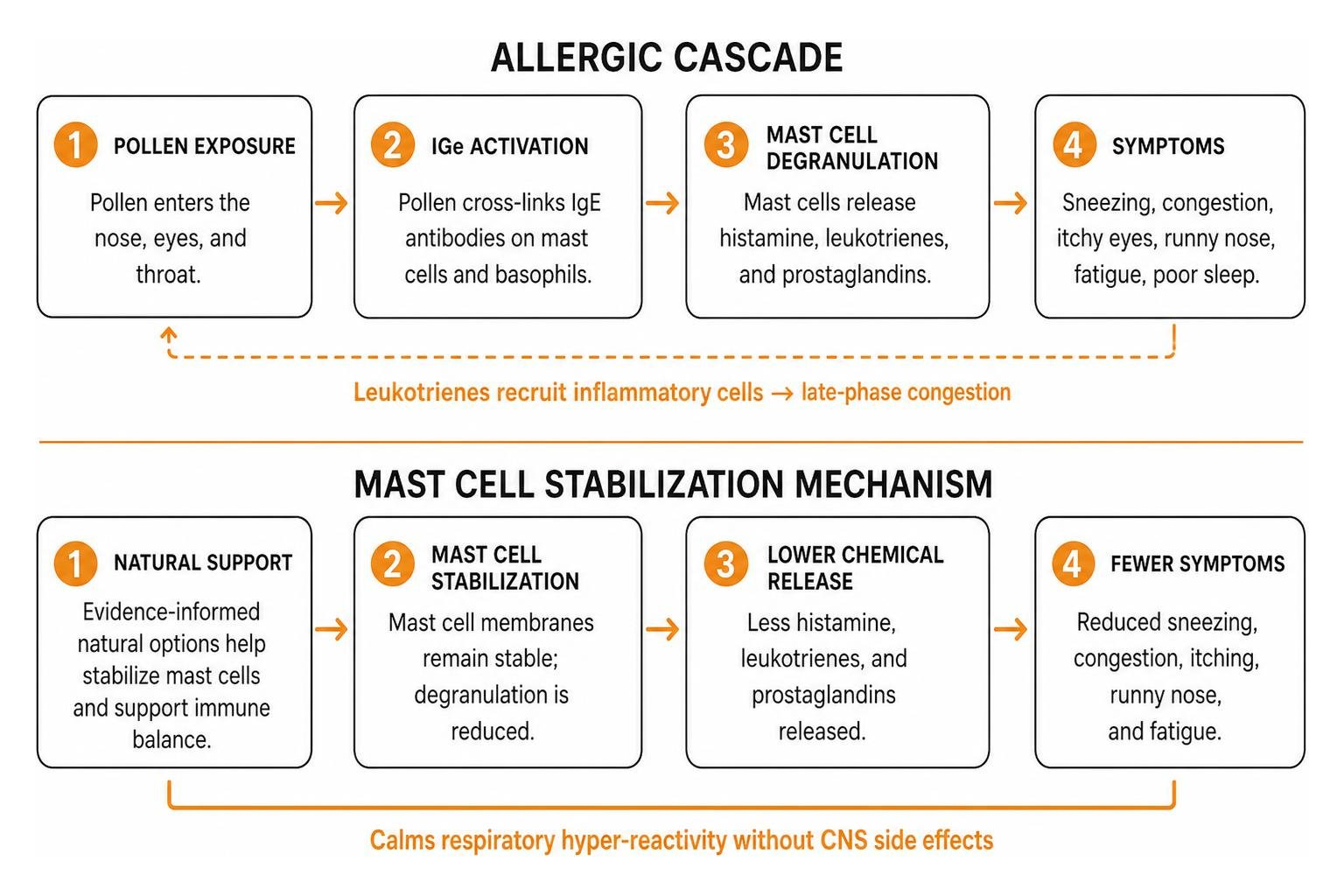
Upon repeat exposure, pollen cross-links these IgE antibodies, triggering rapid mast cell degranulation. This burst releases histamine, leukotrienes, and prostaglandins into surrounding tissues. Histamine causes rapid capillary dilation, localized swelling, tissue redness, intense itching, and increased fluid secretion. Simultaneously, leukotrienes recruit secondary inflammatory cells like eosinophils, leading to late-phase nasal congestion and sinus pressure hours later.
Conventional antihistamines act as receptor blockers—they temporarily stop circulating histamine from binding to nerve and blood vessel receptors. While helpful for acute symptoms, first-generation options often cross the blood-brain barrier, causing pronounced brain fog and fatigue. Many sufferers search for how to treat hay fever at home without turning into a zombie to avoid daytime sedation.
At NuWell Health, we have found that balancing the immune system’s helper T-cell response (Th1/Th2 balance) and strengthening physical membrane barriers addresses the root physiological vulnerability. By stabilizing mast cell membranes upstream and quenching pollen-induced oxidative stress, natural therapies help calm respiratory hyper-reactivity without unwanted central nervous system side effects.
Top Herbal and Botanical Remedies for Seasonal Allergies
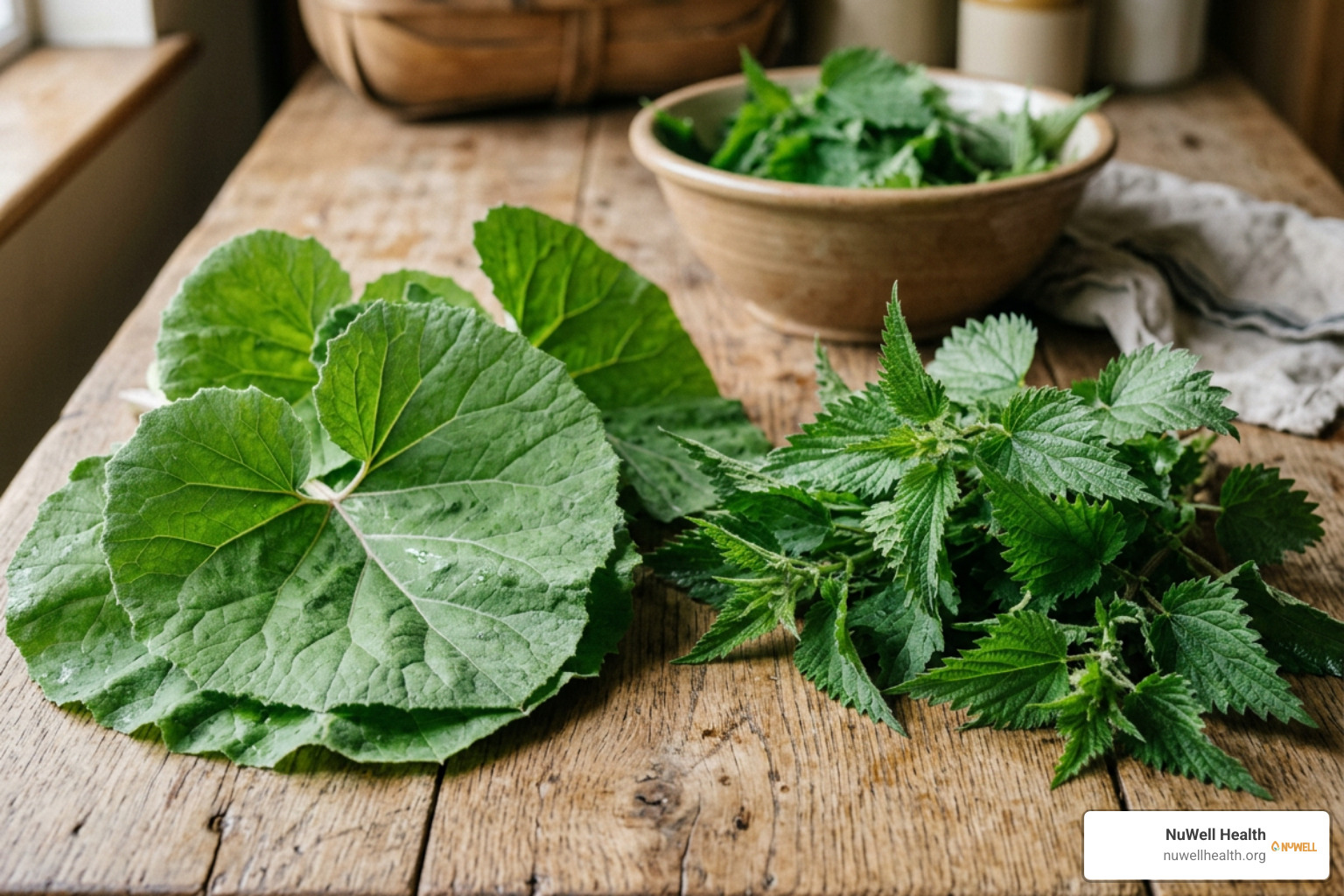
Phytotherapy uses standardized botanical compounds to modulate inflammatory pathways naturally. Rather than simply blunting receptor responses, targeted herbs support membrane resilience and lower biochemical reactivity.
Butterbur (Petasites hybridus) for Rapid Symptom Relief
Butterbur (Petasites hybridus) is one of the most thoroughly researched botanicals for seasonal respiratory allergies. Its primary active compounds, petasin and isopetasin, inhibit the 5-lipoxygenase enzyme pathway, stopping the synthesis of inflammatory leukotrienes (LTB4 and LTC4) and dampening mast cell mediator release.
A comprehensive clinical study on Petasites hybridus leaf extract demonstrates that standardized butterbur works similarly to conventional antihistamines like fexofenadine and cetirizine in relieving nasal symptoms, yet without causing drowsiness or psychomotor slowing. In nasal challenge tests, butterbur extract helped normalize nasal airflow in 5.4 hours compared to over 9 hours for placebo controls.
Safety Note: Raw butterbur contains pyrrolizidine alkaloids (PAs), which are toxic to the liver. Always choose butterbur supplements certified “PA-free,” produced via specialized CO2 extraction that removes these compounds below detectable safety thresholds (under 2 ppm).
Stinging Nettle and Quercetin: Building Your Natural Hay Fever Cure Protocol
Stinging nettle (Urtica dioica) has a rich history in botanical wellness. Freeze-dried nettle leaf extract inhibits pro-inflammatory pathways, reducing histamine synthesis and mast cell degranulation during acute pollen flares.
Quercetin, a potent plant bioflavonoid found in red onions, capers, apples, and dark berries, acts as a natural mast-cell stabilizer. It reinforces mast cell membranes, preventing them from releasing histamine when exposed to allergens. A 2022 study suggests that a quercetin-containing supplement may improve allergic symptoms such as itchy eyes, sneezing, a runny nose, and difficulty sleeping.
For optimal results:
- Synergy with Bromelain: Quercetin has low natural intestinal absorption. Pairing it with bromelain (a proteolytic enzyme extracted from pineapple) or vitamin C significantly enhances its bioavailability and provides added sinus-clearing support.
- Loading Phase: Start taking quercetin (typically 500 mg twice daily) 2 to 4 weeks before your regional pollen season begins to build cellular resilience.
- Discover complementary botanical combinations in our guide on natural relief top anti-allergic home remedies to try.
Anthroposophic Citrus and Cydonia for Immune Harmony
Originating in integrative medicine and recognized by global health organizations, preparations combining lemon (Citrus limon) and quince (Cydonia oblonga) address immune hypersensitivity at the mucous membrane barrier.
According to clinical research on anthroposophic remedies for hayfever, quince extract helps stimulate balancing Th1 immune pathways, while citrus calms exaggerated Th2 allergic signaling. Together, they soothe localized irritation and strengthen the sensory mucous membranes of the eyes and nose against environmental triggers.
Dietary Interventions and Nutritional Supplements for Histamine Balance
Nutrition directly influences baseline systemic inflammation, antioxidant capacity, and gut-mediated immune tolerance.
| Remedy / Compound | Primary Mechanism | Recommended Focus / Source | Best Timing |
|---|---|---|---|
| Quercetin Complex | Mast cell membrane stabilization; inhibits histamine release | 500 mg twice daily with Bromelain | Start 2–4 weeks prior to pollen season |
| Butterbur (PA-Free) | Leukotriene synthesis inhibition; reduces nasal resistance | Standardized extract (Ze 339 or equivalent) | Active pollen season / acute flares |
| Sulforaphane (BSE) | Nrf2 phase II antioxidant induction; neutralizes ROS | Broccoli sprout extract (30–35 µmol sulforaphane) | Daily during peak environmental exposure |
| Vitamin C | Natural histamine degradation; antioxidant barrier | Citrus, kiwi, bell peppers, or buffered ascorbic acid | Daily baseline throughout season |
| Probiotics | Gut microbiome modulation; Th1/Th2 immune rebalancing | Multi-strain including Lactobacillus & Bifidobacterium | Year-round preventive foundation |
Broccoli Sprout Extract (Sulforaphane) and High-Dose Vitamin C
Pollen grains contain intrinsic enzymes (like NADPH oxidase) that produce reactive oxygen species (ROS) directly upon mucosal contact. Urban air pollutants, such as diesel exhaust particulates, bind to pollen grains and magnify this oxidative stress, worsening airway inflammation.
A 2021 randomized controlled clinical trial on broccoli sprout extract demonstrated that sulforaphane—a compound formed from glucoraphanin and active myrosinase enzyme in broccoli sprouts—activates the body’s internal Nrf2 cellular defense pathway. This stimulates protective Phase II antioxidant enzymes (including GST pathways), neutralizing free radicals and significantly improving objective Peak Nasal Inspiratory Flow (PNIF).
Vitamin C (ascorbic acid) acts as a powerful systemic antioxidant and natural antihistamine. A 2018 observational study found that vitamin C may reduce allergy-related symptoms when delivered at high doses intravenously, while consistent oral intake supports daily immune defenses. Explore pantry-based immune defenses in our breakdown of pollen vs your pantry best home remedies for natural allergy relief.
Probiotics and Gut Health as a Long-Term Natural Hay Fever Cure
Over 70% of the human immune system resides in the gut-associated lymphoid tissue (GALT). When the intestinal microbiome is diverse and healthy, it trains regulatory T-cells to tolerate harmless foreign proteins. Research from 2023 suggests that probiotics may help regulate your immune system and alleviate food allergies and environmental sensitivities alike.
At NuWell Health, we have found that nurturing gut microbiome diversity with fermented foods, prebiotic fibers, and targeted multi-strain probiotics creates systemic immune stability that reduces seasonal reactivity. For deeper immune insights, read our overview all about natural holistic immunity boost methods.
Evaluating the Local Raw Honey Hypothesis
A common folk remedy involves consuming raw, unfiltered local honey daily to build natural tolerance against seasonal pollen. The underlying concept mimics oral immunotherapy: introducing micro-doses of environmental pollen to encourage immune desensitization.
- What the Science Says: Clinical evidence for local honey remains mixed. Honey contains mostly heavy, insect-pollinated flower pollens, whereas seasonal hay fever is predominantly caused by lightweight, wind-pollinated tree, grass, and weed pollens.
- Safety Rules: While raw honey offers soothing antimicrobial properties for a scratchy throat, it is not a proven standalone treatment. Furthermore, never give raw honey to infants under 12 months of age due to the risk of infant botulism.
Physical Barriers, Nasal Hygiene, and Environmental Control

Physical avoidance and nasal hygiene stop the allergic cascade before it starts by preventing pollen grains from penetrating mucous membranes.
Saline Nasal Irrigation and Pollen Barriers
Rinsing the nasal passages with isotonic or mildly hypertonic sterile saline physically removes trapped pollen grains, particulate matter, and thick inflammatory mucus. According to a comprehensive review on nonpharmacological allergy prevention, nasal irrigation can reduce the amount of allergy medication needed by 30% while achieving the same symptom relief.
- Nasal Irrigation Protocol: Use distilled, sterile, or previously boiled water mixed with pure salt packets. Perform the rinse 1 to 2 times daily over a sink using a neti pot or nasal wash bottle.
- Lipid & Powder Barriers: Applying a thin film of petroleum jelly, organic balm, or olive oil around the rim of each nostril traps airborne grains before they enter the nasal cavity. Micro-fine cellulose powders (HPMC) also form an invisible protective gel barrier along nasal tissues.
- Ocular Protection: Wear wraparound sunglasses outdoors to prevent pollen from landing on the conjunctiva. Find more immediate sneezing relief techniques in how to stop allergy sneezing in 5 easy steps.
HEPA Air Filtration and Indoor Allergy Management
Creating an indoor safe haven minimizes allergen exposure and allows the respiratory system to recover overnight.
- HEPA Air Purifiers: Place high-efficiency particulate air (HEPA) filters in main living areas and bedrooms to capture airborne pollen, dust mites, and animal dander.
- Window Management: Keep residential and car windows closed during peak pollen hours (typically early morning and late afternoon/windy conditions). Fit windows with specialized anti-pollen micro-mesh screens.
- Laundry Habits: Dry bedding and clothing indoors rather than on an outdoor clothesline, where damp fabrics catch airborne pollen. Wash bed linens every 1 to 2 weeks in hot water.
Essential Oils and Acupuncture for Airway Clearance
- Aromatherapy & Airway Soothing: Essential oils contain aromatic plant terpenes that promote sinus comfort. One comparative study looked at 20 essential oils and found lemongrass to be the most effective at treating allergic rhinitis markers, while a 2020 mouse model study found that eucalyptus oil may effectively treat allergic dermatitis. Inhale steam infused with a drop of eucalyptus or peppermint oil to loosen nasal mucus. Always conduct a 24-hour patch test with a carrier oil before skin application.
- Acupuncture: A 2024 review suggests that treating allergic rhinitis with acupuncture has few side effects and good short- and long-term effects. Stimulating specific points (such as LI20 beside the nostrils and LI4 on the hand) helps reduce nasal inflammation and ease facial pressure. Discover drug-free headache strategies in how to treat an allergy headache naturally without pills.
Frequently Asked Questions About Natural Hay Fever Relief
How long does it take for natural allergy remedies to work?
Physical interventions like saline nasal irrigation, wraparound sunglasses, and air purifiers provide immediate relief by reducing allergen exposure. However, botanical mast cell stabilizers and nutritional supplements (such as quercetin, stinging nettle, and probiotics) work cumulatively. We recommend starting these natural protocols 2 to 6 weeks before your regional pollen season begins.
Can natural remedies be safely combined with conventional allergy medications?
In most cases, physical barrier methods, nasal saline rinses, and dietary improvements can be used alongside standard allergy medications. However, high-dose herbs and supplements may interact with specific prescription drugs (such as blood thinners or blood pressure medications). Always consult your doctor or integrative pharmacist before combining concentrated herbal extracts with prescription medications.
When should I seek conventional medical care or an allergist for severe symptoms?
While natural home care manages mild-to-moderate symptoms, you should consult an allergist or physician if you experience:
- Severe wheezing, chest tightness, or signs of allergic asthma
- Persistent sinus infections or unmanageable facial pain
- Inadequate relief that disrupts sleep, work, or daily function
- Any signs of anaphylaxis (throat swelling, lip/tongue tingling, dizziness, difficulty breathing), which require immediate emergency medical care
Conclusion
Managing seasonal allergies naturally is about restoring harmony to the whole person—nurturing the body through nutrient-dense foods, supporting physical barriers with daily nasal hygiene, and fostering peace of mind. By addressing the root causes of immune overactivity rather than relying solely on sedating temporary fixes, you can build lasting resilience season after season.
At NuWell Health, we have found that true wellness is achieved when we care for mind, body, and spirit in alignment with foundational health principles. Proactive self-care empowers you to enjoy the beauty of changing seasons with clear, unhindered breathing.
Take control of your seasonal health with our comprehensive practical guide to allergies and food sensitivity.
This article was researched with AI and heavily edited by Jordan Oliver for accuracy and relevance.
Jordan is an author, ordained minister, and online host for His Glory TV, sharing biblically grounded insights on faith, prayer, and spiritual growth. She is the co-founder of Triple-Braided Cord Co., an intercessory prayer and healing ministry inspired by Ecclesiastes 4:12.
Jordan holds a Bachelor’s degree in Communications and Religious Studies from High Point University and is a certified Spiritual Life Coach through iCoachLife in Nashville, Tennessee. Drawing from her ministry, coaching, and academic experience, she creates trustworthy, faith-based content that helps readers grow in their relationship with God. Learn more about Jordan here.