
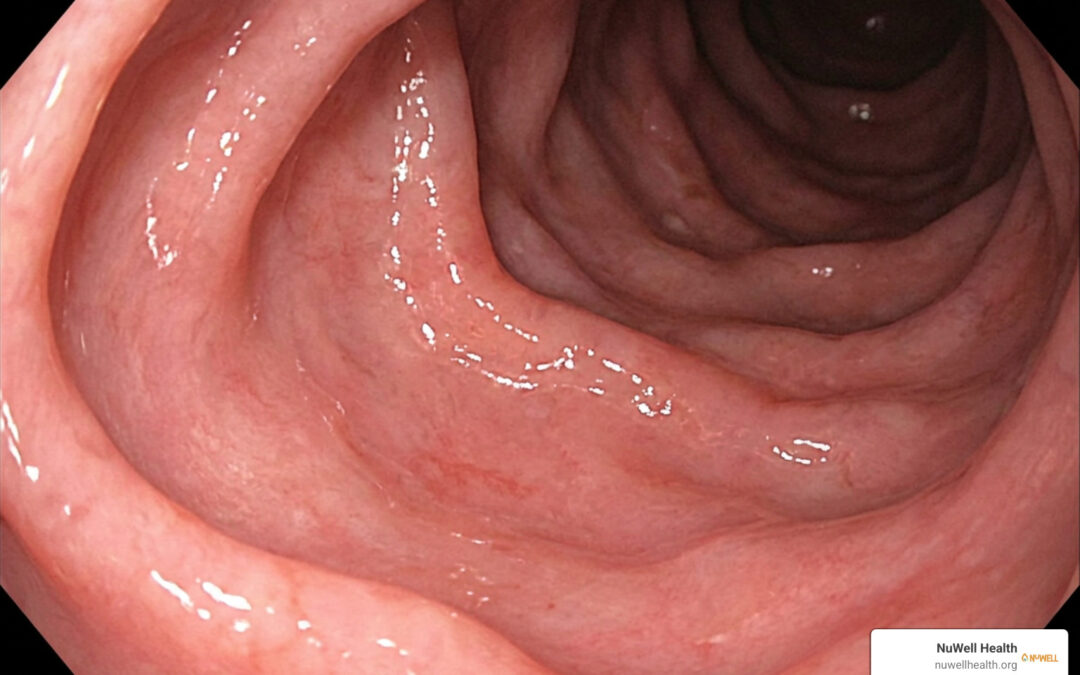
A Natural Plan to Support Stomach Lining Repair
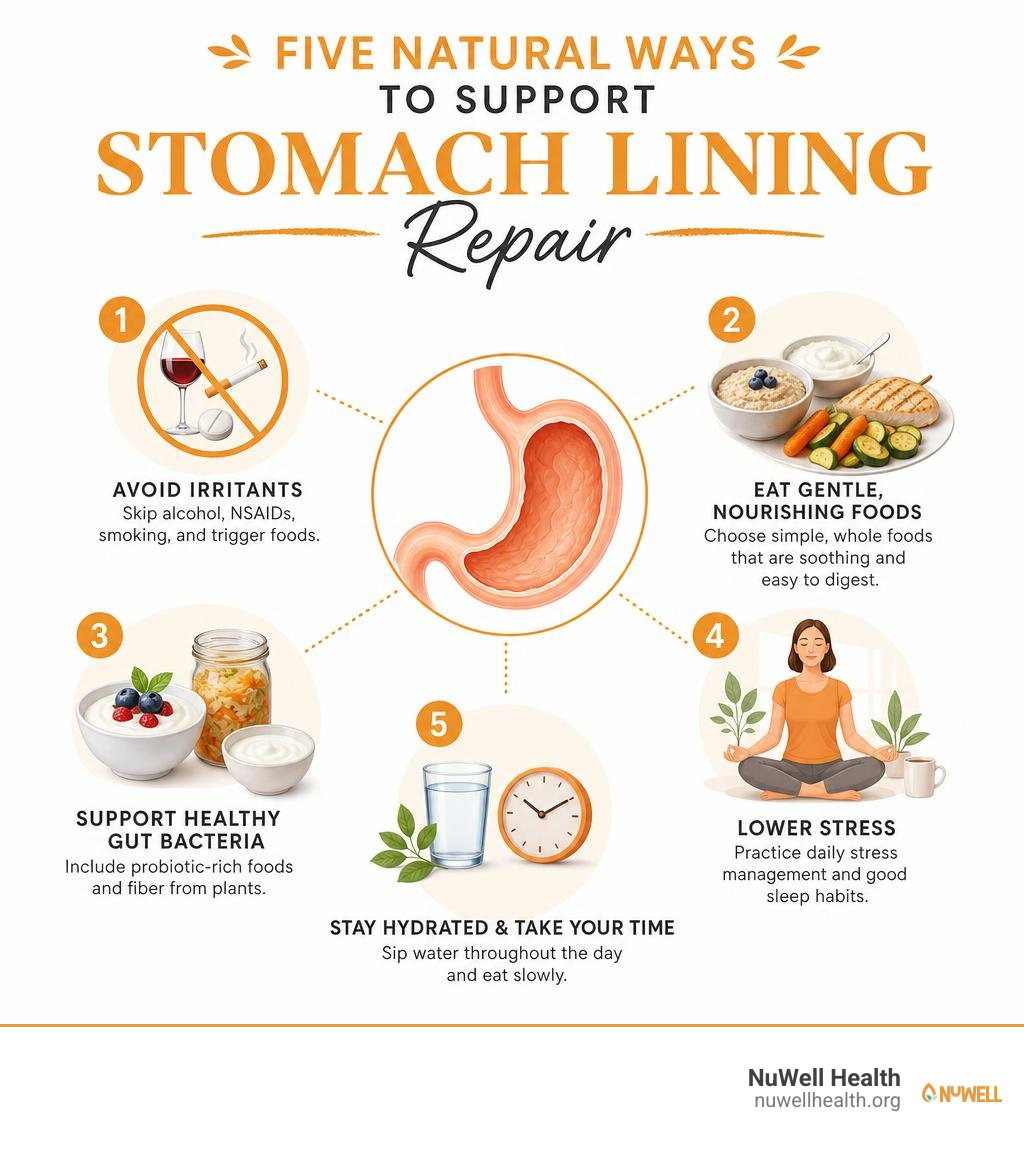
To support and repair an irritated stomach lining naturally, start by removing common irritants, eating simple anti-inflammatory foods, supporting healthy gut bacteria, and lowering stress. For individuals experiencing constant stomach issues or broad digestive issues, avoid alcohol, frequent NSAID pain relievers such as ibuprofen, smoking, and foods that clearly worsen your symptoms. Implementing targeted self care acid reflux habits and adding gentle options such as plain yogurt or kefir if tolerated, fiber-rich plant foods, cooked vegetables, oatmeal, and protein-rich meals can provide immediate relief.
For active pain, nausea, burning, or suspected ulcers, natural steps can support healing but should not replace medical testing or treatment, especially for H. pylori infection.
At NuWell Health, we have found that lasting digestive support usually starts with a root-cause mindset: calm the irritation, identify the trigger, and give your body steady nutrition and rest. This guide covers five practical methods to help protect the stomach’s natural mucus barrier while also explaining when symptoms need medical care.
What Causes Gastric Mucosal Damage and Chronic Inflammation?
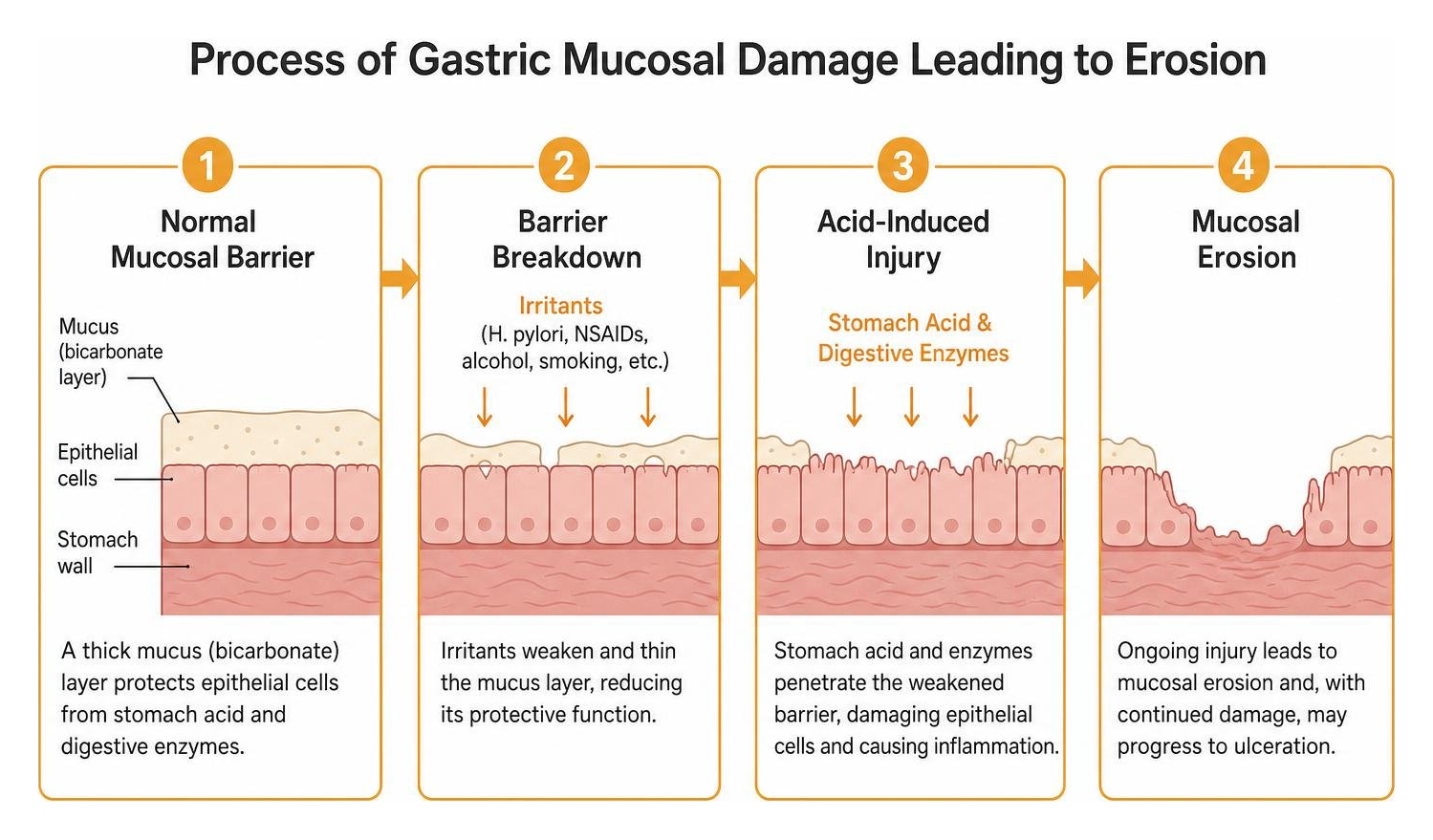
The human stomach is an incredible biochemical furnace. It secretes potent hydrochloric acid and digestive enzymes capable of breaking down dense proteins, yet under normal circumstances, it never digests itself. This self-preservation relies entirely on the gastric mucosa—a specialized, bicarbonate-rich mucus layer that blankets the epithelial cells forming the stomach wall.
When this protective mucosal barrier breaks down, harsh digestive acids make direct contact with delicate tissues. Over time, persistent micro-trauma triggers immune activation, resulting in mucosal erosion, chronic inflammation, and localized cellular damage. Understanding The Ultimate Guide to What Causes Digestive Problems reveals that this breakdown rarely happens overnight; rather, it stems from systemic pressures, environmental exposures, and everyday habits that wear down our natural defenses. Persistent irritation in the gastrointestinal tract can even fuel body-wide distress, linking digestive disturbances directly to systemic chronic pain and inflammation.
H. Pylori Overgrowth and NSAID-Induced Gastritis
Two primary offenders account for the vast majority of gastric mucosal damage: the bacterium Helicobacter pylori (H. pylori) and the frequent use of non-steroidal anti-inflammatory drugs (NSAIDs).
H. pylori is a spiral-shaped bacterium adapted specifically to survive the hostile, acidic environment of the stomach. It burrows beneath the protective mucus layer and attaches to epithelial cells, secreting an enzyme called urease that neutralizes local stomach acid into ammonia. While this creates a hospitable micro-environment for the bacteria, the resulting byproducts are toxic to human cells. H. pylori bacteria affect roughly 44% of the global population, and in regions like India, prevalence reaches 58% to 68%. This chronic bacterial colonization slowly weakens the mucosal shield, leaving underlying tissue vulnerable to chemical erosion and ulcer formation.
Concurrently, regular use of over-the-counter NSAIDs like ibuprofen, naproxen, and aspirin presents another major hazard. These medications relieve systemic pain by inhibiting cyclooxygenase (COX) enzymes, which halts the production of inflammatory prostaglandins. However, prostaglandins are essential for gastric defense—they stimulate mucus and bicarbonate secretion, maintain mucosal blood flow, and drive cellular repair. By depleting these protective compounds, NSAIDs strip the stomach of its primary armor, allowing acid to burn through the tissue.
Intestinal Permeability and the Immune Response
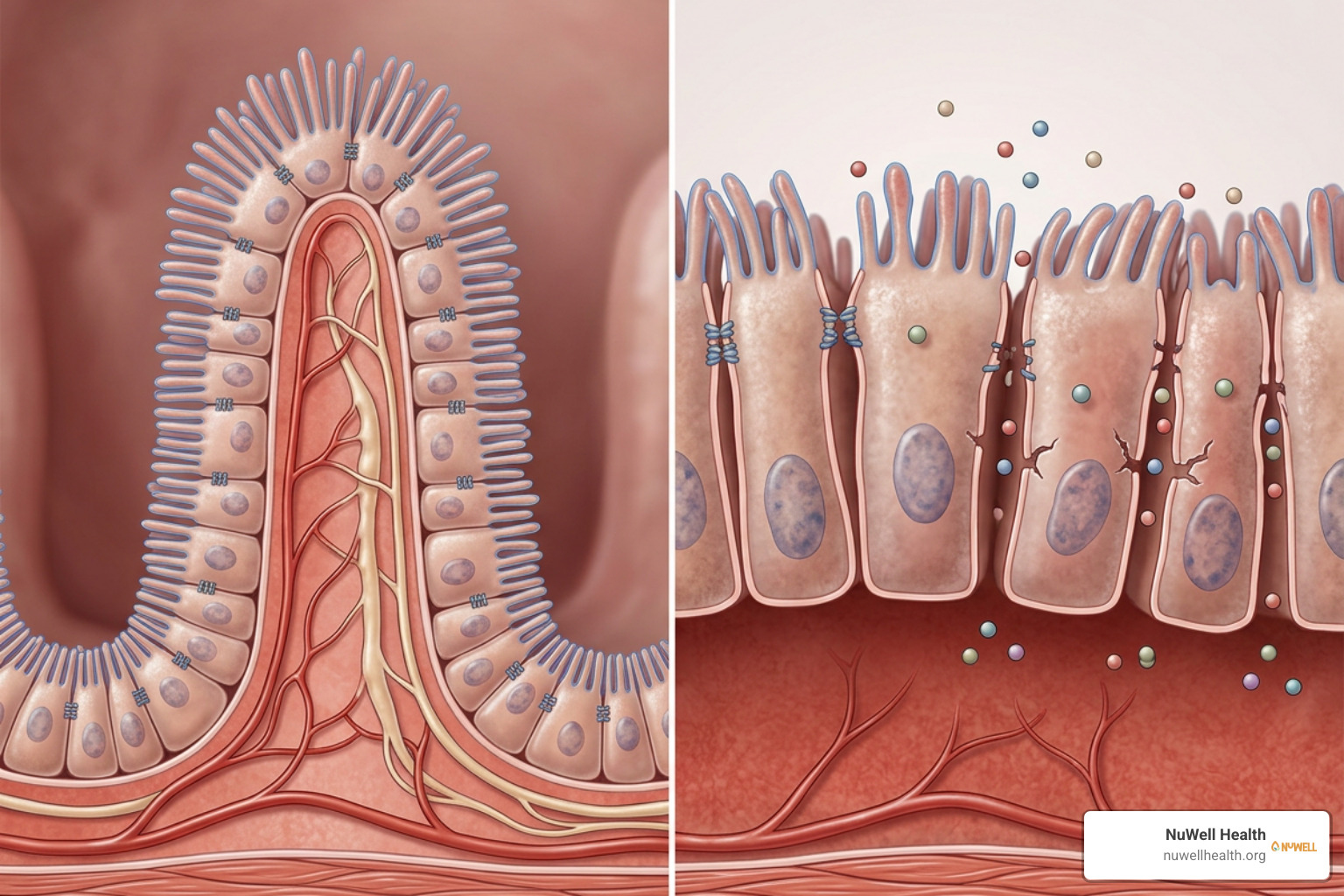
The gastrointestinal tract operates as a continuous, interconnected ecosystem. Damage initiated in the stomach frequently extends downstream into the intestines, compromising mucosal integrity along the entire digestive tract. When the tight junctions between intestinal epithelial cells loosen, it creates a state of increased intestinal permeability, commonly referred to as Leaky Gut Syndrome: Symptoms, Diet, Tests & Treatment.
In a compromised barrier, undigested food particles, microbial fragments, and bacterial endotoxins slip past the protective epithelial border and enter systemic circulation. Scientists have estimated that about 70% of the immune system lives in the gut microbiome. When foreign particles breach this lining, gut-associated lymphoid tissue sounds a continuous immune alarm. This sustained immune activation floods the bloodstream with pro-inflammatory cytokines, which not only impairs localized stomach lining repair but also triggers widespread fatigue, brain fog, joint stiffness, and skin flare-ups.
How to Repair Stomach Lining Naturally: 5 Proven Methods
Rebuilding a compromised gastric barrier requires a systematic, evidence-informed strategy that nurtures cellular regeneration while removing inflammatory stressors. Epithelial cells turnover rapidly, offering remarkable regenerative capacity when supplied with the right biological building blocks. Embracing The Power is Yours a Guide to Empowered Root Cause Healing enables you to support your body’s God-given ability to restore structural balance naturally.
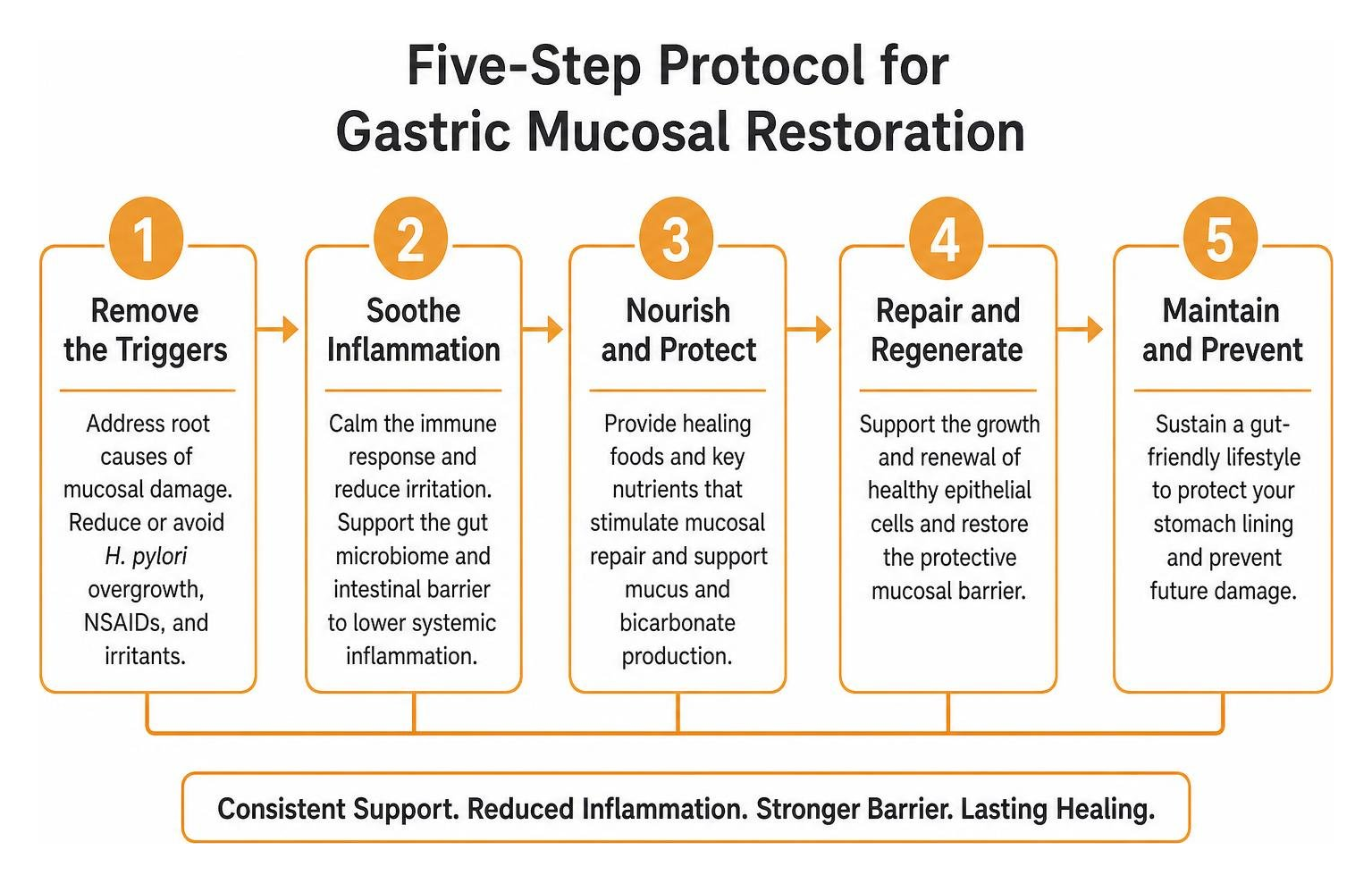
Method 1: How to Repair Stomach Lining Naturally with Healing Foods and Nutrients
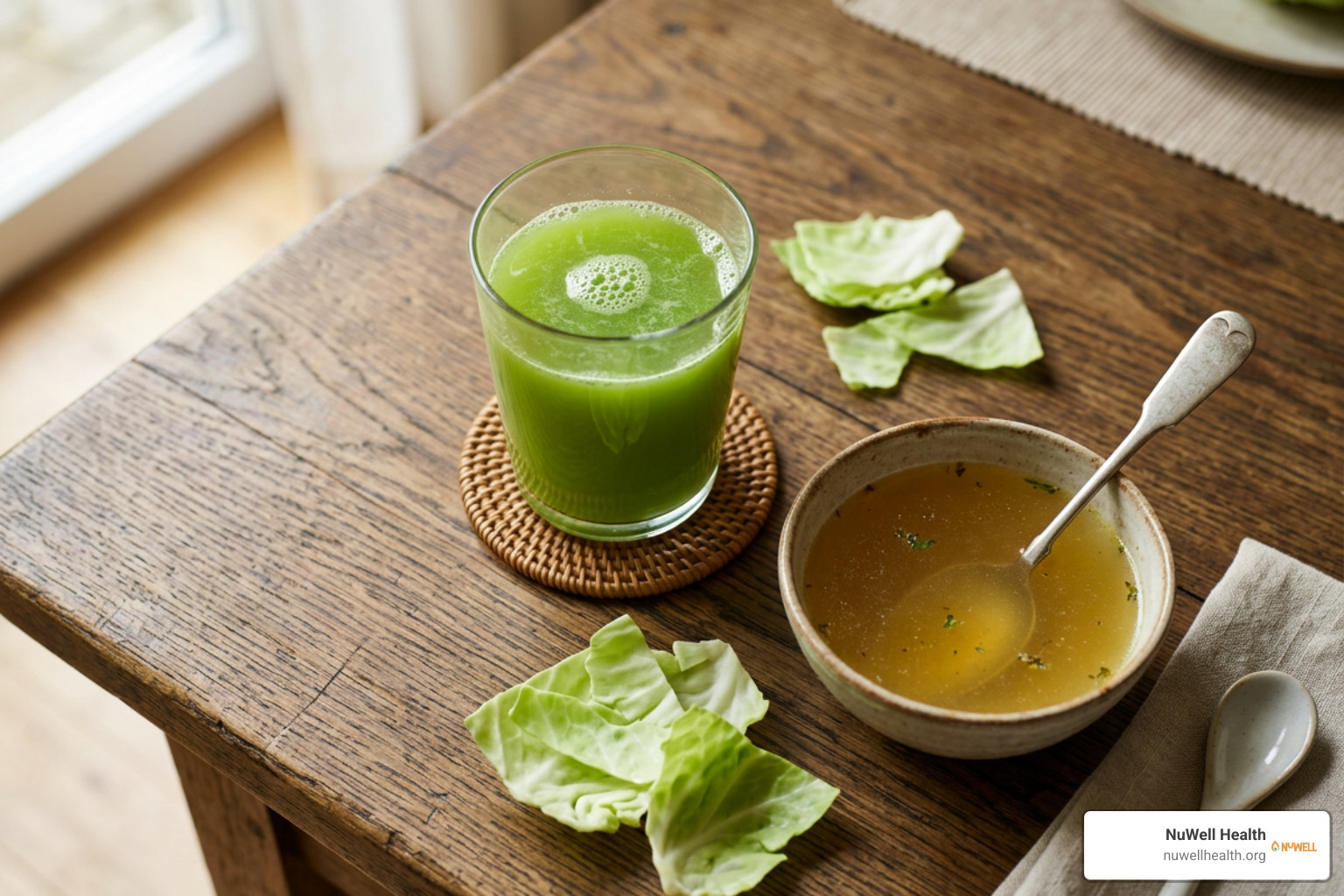
Nutrition serves as your first line of defense. Specific whole foods provide concentrated compounds that directly stimulate mucosal regeneration, tighten cellular junctions, and inhibit microbial distress.
- Fresh Raw Cabbage Juice: Long celebrated in clinical nutrition, raw cabbage juice contains high concentrations of S-methylmethionine (historically labeled Vitamin U) and natural L-glutamine. Research shows that fresh cabbage juice heals peptic ulcers in 10 days on average by stimulating mucin production and accelerating epithelial cellular turnover. Drink half a cup (roughly 120 ml) of freshly pressed raw cabbage juice twice daily on an empty stomach.
- L-Glutamine: This amino acid is the primary metabolic fuel source for rapidly dividing epithelial cells in the stomach and small intestine. It enhances mucosal barrier function, tightens intercellular junctions, and protects against chemical injury.
- Bone Broth and Collagen Peptides: Slow-simmered bone broth provides abundant glycine, proline, and hydroxyproline—the foundational amino acids required to rebuild connective tissue and reinforce the gastric mucosal lining.
- Zinc Carnosine: Combining elemental zinc with L-carnosine forms a synergistic molecule that adheres directly to ulcerated gastric lesions, stabilizing cell membranes and accelerating tissue recovery.
- Raw Manuka Honey: Pure raw honey contains hydrogen peroxide and methylglyoxal (MGO), delivering gentle antibacterial support against H. pylori while coating sensitive tissue to relieve burning sensations.
| Key Nutrient / Food | Primary Action Mechanism | Recommended Daily Intake |
|---|---|---|
| Raw Cabbage Juice | Supplies S-methylmethionine & glutamine; accelerates mucin synthesis | 100–120 ml twice daily before meals |
| L-Glutamine | Feeds epithelial cells and reinforces tight junction integrity | 3–5 grams in water on an empty stomach |
| Bone Broth | Delivers collagen, glycine, and gelatin for connective tissue repair | 1–2 cups warm daily |
| Zinc Carnosine | Directly binds to gastric lesions; stimulates cell regeneration | 37.5–75 mg twice daily with food |
| Raw Honey (Manuka) | Inhibits bacterial adhesion; provides physical soothing coating | 1 teaspoon morning and evening |
Method 2: Soothing Herbal Remedies and Protective Botanicals
Botanical medicine provides powerful, time-tested tools to coat inflamed tissues, suppress harmful bacteria, and modulate mucosal inflammation. Exploring a structured Step by Step Guide to Natural Remedies allows you to safely layer these targeted herbs into your routine, drawing on insights from Natural Remedies For Peptic Ulcer: 10 Ways To Support Healing.
- Deglycyrrhizinated Licorice (DGL): Unlike standard licorice, DGL has the glycyrrhizin removed to avoid elevating blood pressure. DGL stimulates gastric goblet cells to produce thicker protective mucus and extends the lifespan of gastric epithelial cells. Chew one to two 400 mg DGL tablets 20 minutes before meals.
- Pure Aloe Vera Juice: Inner-leaf aloe vera contains acemannan, a polysaccharide with potent anti-inflammatory and tissue-soothing properties. Drink 20 to 30 ml of pure, decolorized inner-leaf juice before meals to calm burning sensations.
- Chamomile Tea: Rich in apigenin and bisabolol, chamomile provides gentle antispasmodic and mucosal-soothing relief. Sipping a warm cup between meals calms gastric contractions and reduces oxidative stress.
- Mastic Gum: Extracted from the Pistacia lentiscus tree, mastic gum provides natural antimicrobial properties against H. pylori while protecting mucosal lining integrity. Standard support involves 500 to 1,000 mg taken daily on an empty stomach for two to three weeks.
- Turmeric (Curcumin): Gentle kitchen doses of turmeric (half a teaspoon in warm water) offer anti-inflammatory and antioxidant protection. However, avoid high-dose isolated curcumin supplements (>1 g), as concentrated extracts can occasionally irritate an acutely inflamed gastric lining.
Method 3: Restoring Microbial Balance with Probiotics and Prebiotics
A healthy stomach lining depends directly on a balanced, thriving microbiome. When dysbiosis occurs, opportunistic organisms flourish, weakening gut immunity and driving local inflammation. Adopting 4 Ways to Improve Gut Health & Reduce Inflammation helps establish a balanced internal terrain that fosters mucosal resilience.
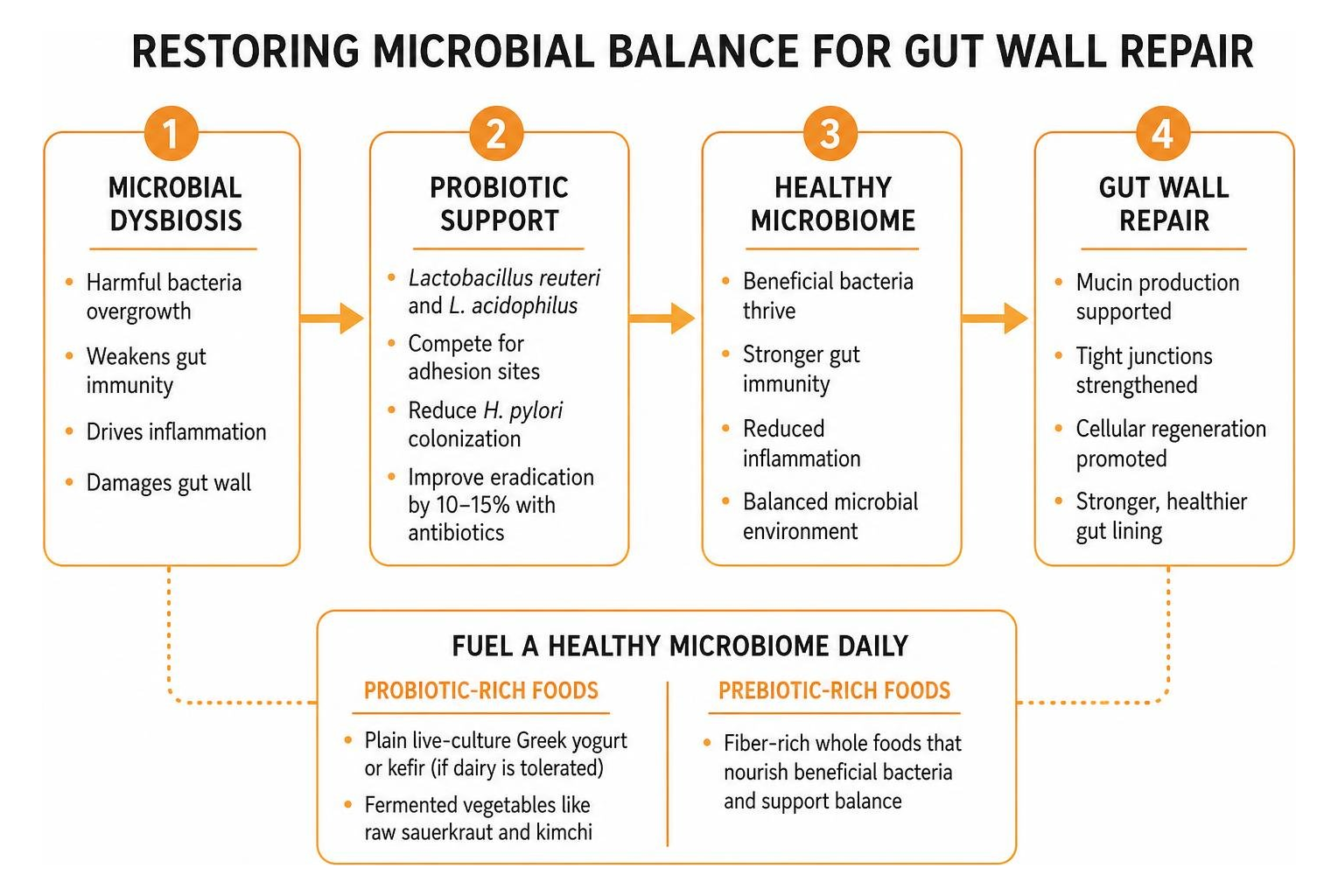
Probiotics are especially valuable in microbial management. Strains such as Lactobacillus reuteri and Lactobacillus acidophilus reduce H. pylori colonization by competing for epithelial adhesion sites and producing natural organic acids. Furthermore, probiotics significantly improve H. pylori eradication rates by 10 to 15% when used as an adjunct to standard antibiotic protocols.
Incorporate unsweetened, probiotic-rich fermented foods daily:
- Plain live-culture Greek yogurt or kefir (if dairy is tolerated)
- Fermented vegetables like raw sauerkraut and kimchi (in small, gradual amounts)
- Low-sugar water kefir or traditionally prepared pickled vegetables
Pair these with gentle, soluble prebiotic fibers—such as ground flaxseed, chia seeds, cooked oatmeal, stewed apples, and asparagus—which feed beneficial bacteria to produce short-chain fatty acids (SCFAs) like butyrate, the primary fuel for gut barrier maintenance.
Method 4: How to Repair Stomach Lining Naturally Through Stress Reduction and Vagal Tone
The gut and the brain maintain an uninterrupted, bi-directional dialogue via the vagus nerve. When mental, emotional, or physical stress strikes, the sympathetic “fight-or-flight” nervous system takes over, flooding the body with cortisol and adrenaline.

Elevated cortisol diminishes mucosal blood flow, suppresses the secretion of protective bicarbonate and mucus, and slows down cellular repair. While stress alone does not cause peptic ulcers, it severely impairs tissue healing and amplifies gastric acid sensitivity.
To reactivate the healing parasympathetic (“rest-and-digest”) state:
- Practice Mindful Breathing: Engage in 5 minutes of slow diaphragmatic breathing (inhale for 4 seconds, hold for 4, exhale for 6) before every meal to prime digestive secretions.
- Nourish Mind and Spirit: Dedicate daily time to quiet prayer, Scripture meditation, and restful contemplation, releasing emotional burdens that physically knot the stomach.
- Optimize Rest: Aim for 7 to 8 hours of quality sleep each night, as tissue repair and epithelial cell division peak during deep sleep cycles.
Method 5: Eliminating Dietary Triggers and Mucosal Irritants
Healing the stomach lining is as much about what you remove as what you consume. Continuing to expose a damaged mucosal barrier to chemical irritants is like scrubbing a sunburn with a wire brush.
Begin by reviewing The Ultimate Guide to Managing Acid Reflux Naturally to identify underlying digestive triggers and refine your daily eating habits:
- Eliminate Alcohol: Even moderate drinking—defined as just two drinks a day—increases ulcer bleeding risk by 30 to 40% and directly degrades the protective mucus layer.
- Stop Smoking and Vaping: Nicotine reduces mucosal blood flow, inhibits pancreatic bicarbonate secretion, and significantly delays ulcer healing.
- Minimize NSAIDs: Transition away from routine ibuprofen, aspirin, or naproxen under medical supervision, opting for non-irritating alternatives when appropriate.
- Remove Aggressive Dietary Irritants: Temporarily avoid ultra-processed foods, deep-fried items, high-acid citrus juices, vinegar-heavy dressings, strong black coffee, carbonated beverages, and spicy peppers until the lining recovers.
- Eat Small, Frequent Meals: Large, heavy meals stretch the stomach and stimulate excessive acid surges. Eating modest, balanced meals every 3 to 4 hours prevents empty-stomach acid irritation while avoiding mechanical overdistension.
Red Flag Symptoms and When to Seek Medical Evaluation
While natural remedies provide exceptional support for mild gastritis and everyday digestive balance, serious gastrointestinal conditions require prompt medical evaluation. Only 5 to 10% of confirmed H. pylori ulcers show lasting recovery without targeted antibiotic eradication therapy, and attempting to manage a severe, bleeding ulcer exclusively at home can lead to dangerous complications.
Seek immediate medical attention if you experience any of the following red flag symptoms:
- Sharp, severe, or sudden abdominal pain that radiates to your back
- Vomiting blood or material that resembles dark coffee grounds
- Black, tarry, or visibly bloody stools (melena)
- Unexplained weight loss, persistent nausea, or chronic vomiting
- Severe dizziness, lightheadedness, shortness of breath, or fainting
- Difficulty or pain when swallowing food (dysphagia)
A gastroenterologist can perform diagnostic testing—such as an H. pylori urea breath test, stool antigen test, or upper endoscopy (EGD)—to directly visualize the stomach lining, biopsy suspicious tissue, and confirm the exact source of irritation.
Frequently Asked Questions About Stomach Lining Healing
How long does it take to repair the stomach lining naturally?
With proper medical treatment and targeted nutritional support, most peptic ulcers and superficial gastritis heal within 4 to 8 weeks. Epithelial cells regenerate quickly, and mild irritation often begins to settle within a few days of removing irritants like NSAIDs, alcohol, and spicy foods. However, restoring full mucosal thickness, balancing microbial populations, and resolving deep inflammation requires several weeks of consistent care.
Can drinking fresh cabbage juice really heal stomach ulcers?
Yes, clinical and nutritional research has shown that fresh raw cabbage juice can heal peptic ulcers in approximately 10 days on average. Cabbage is an abundant natural source of L-glutamine and S-methylmethionine, compounds that directly nourish gastric epithelial cells and stimulate protective mucus secretion. For best results, drink roughly half a cup of freshly prepared raw cabbage juice twice daily before meals.
Does drinking milk soothe an inflamed stomach lining?
No, drinking milk is an outdated remedy that often worsens stomach irritation. While cold milk may provide temporary, fleeting relief by physically coating the esophagus and neutralizing acid for a few minutes, its calcium and proteins stimulate the stomach to produce a large rebound surge of hydrochloric acid shortly afterward. This acid rebound can aggravate existing inflammation and delay mucosal healing.
Conclusion
Restoring a compromised stomach lining requires a thoughtful, holistic strategy: remove mucosal irritants, calm inflammation with targeted botanicals, nourish epithelial tissue with restorative foods, and balance the nervous system through intentional rest and prayerful meditation. At NuWell Health, we have found that lasting digestive vitality occurs when individuals address the root causes of their symptoms rather than merely suppressing discomfort with quick fixes.
By honoring your body’s natural design and supporting its innate capacity to heal, you can restore digestive comfort and build long-term wellness. If you are navigating persistent burning, unexplained stomach pain, or chronic digestive distress, explore comprehensive digestive issues care to find the personalized, root-cause guidance you need to thrive.
This article was researched with AI and heavily edited by Jordan Oliver for accuracy and relevance.
Jordan is an author, ordained minister, and online host for His Glory TV, sharing biblically grounded insights on faith, prayer, and spiritual growth. She is the co-founder of Triple-Braided Cord Co., an intercessory prayer and healing ministry inspired by Ecclesiastes 4:12.
Jordan holds a Bachelor’s degree in Communications and Religious Studies from High Point University and is a certified Spiritual Life Coach through iCoachLife in Nashville, Tennessee. Drawing from her ministry, coaching, and academic experience, she creates trustworthy, faith-based content that helps readers grow in their relationship with God. Learn more about Jordan here.