
Why Bug Bites Itch — and How to Find Fast, Natural Relief
Looking for diy insect bite relief? Here are the quickest, most effective natural options:
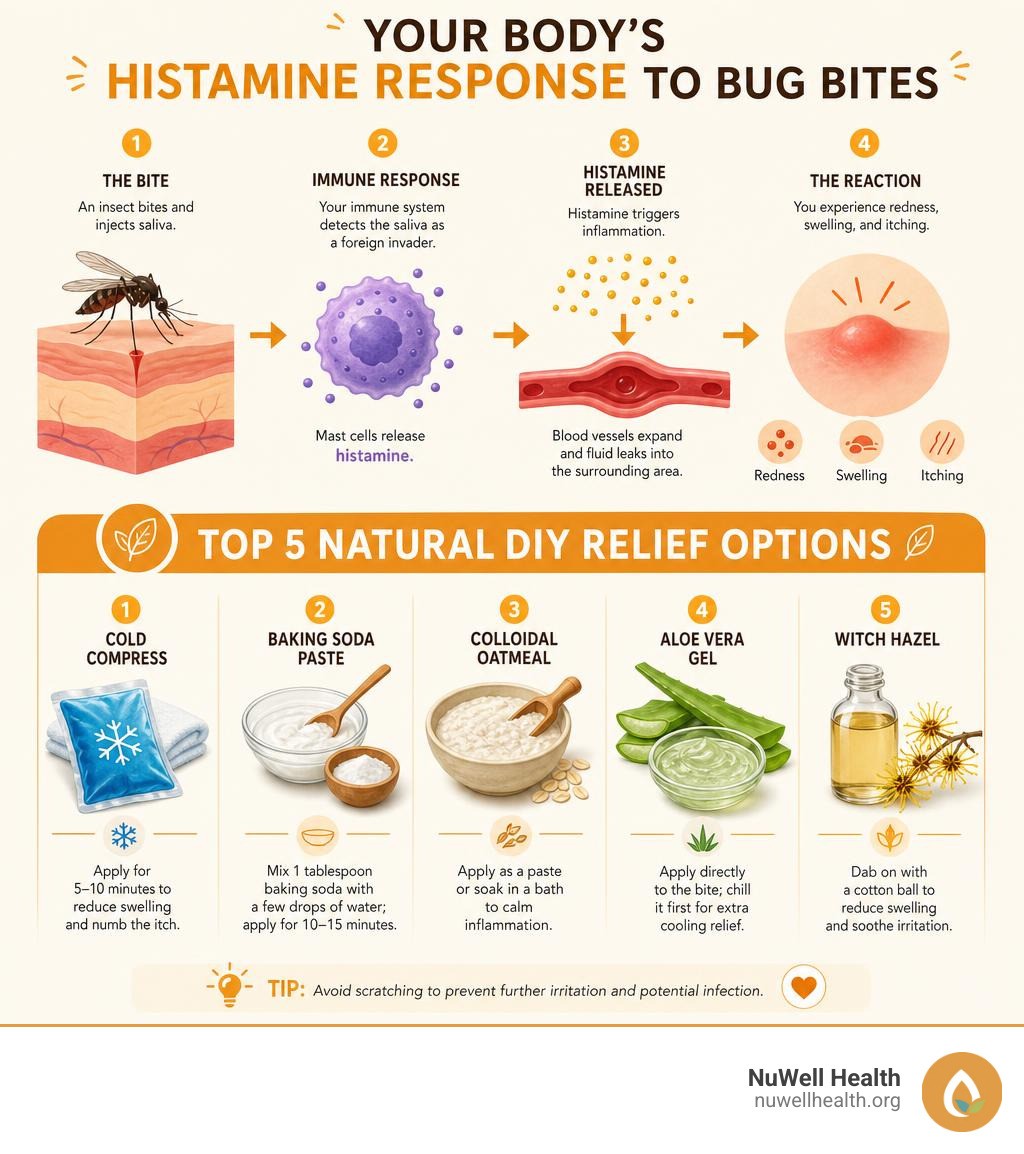
- Cold compress — Apply for 5-10 minutes to reduce swelling and numb the itch immediately
- Baking soda paste — Mix 1 tablespoon baking soda with a few drops of water; apply for 10-15 minutes
- Colloidal oatmeal — Apply as a paste or soak in a bath to calm inflammation
- Aloe vera gel — Apply directly to the bite; chill it first for extra cooling relief
- Witch hazel — Dab on with a cotton ball to reduce swelling and soothe irritation
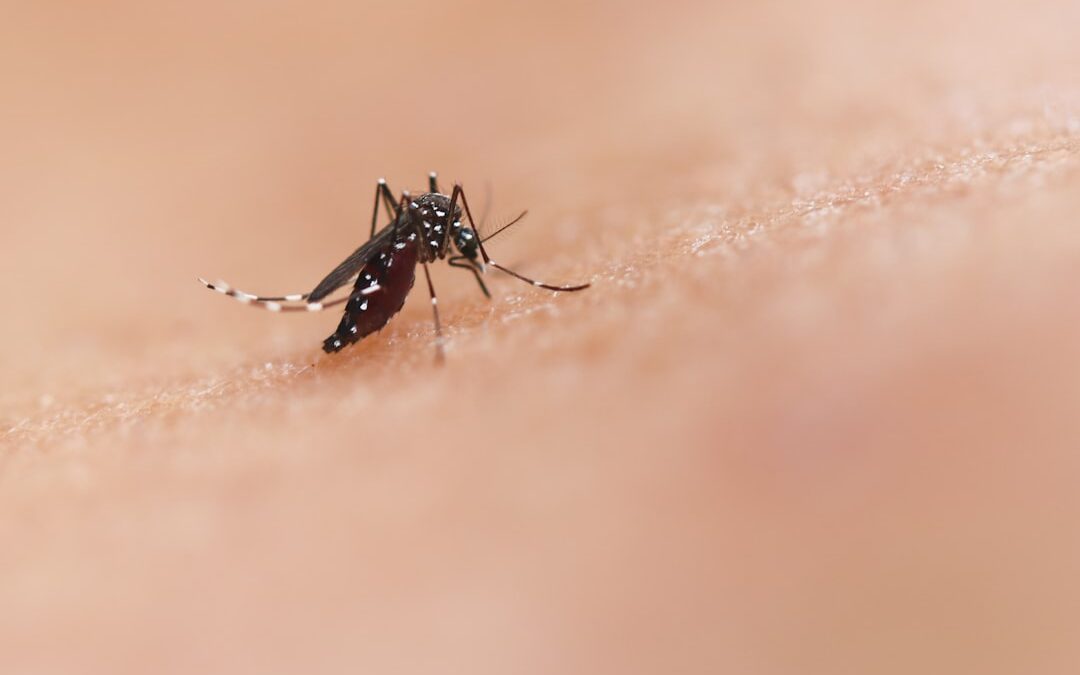
You’re outside enjoying a summer evening, and then it happens — that familiar, maddening itch. You look down and find a small, red, swollen bump staring back at you.
Here’s what’s actually going on beneath your skin. When an insect bites, it injects saliva into your body. Your immune system responds by releasing histamine — a chemical that causes the itching, redness, and swelling you feel. It’s not the bite itself that makes you miserable. It’s your body’s own defense reaction.
For most people, that reaction is a minor annoyance. But up to 20% of people experience more significant responses, sometimes called Skeeter syndrome, where bites cause notable swelling and discomfort.
The good news? Your kitchen and medicine cabinet likely already have everything you need to fight back — naturally, without harsh chemicals or synthetic antihistamines.
At NuWell Health, we have found that simple, whole-ingredient remedies are often the most effective first step — and the gentlest on your skin and body.
Below, we’ll walk through exactly which ingredients work (and why), plus step-by-step recipes you can make at home today.
Top 5 Science-Backed Ingredients for DIY Insect Bite Relief
When looking for diy insect bite relief, you do not need to rely on synthetic chemical lotions that contain artificial fragrances and mineral oils. Nature has provided an abundance of plants and minerals that work in harmony with your body’s natural healing mechanisms.
To understand why these remedies are so effective, it helps to understand how the body reacts to insect saliva. When a mosquito or other insect punctures the skin, its saliva prevents your blood from clotting. Your immune system recognizes these foreign proteins and immediately dispatches mast cells to release histamines. This localized immune response causes blood vessels to dilate, leading to the familiar swelling, warmth, and intense itch.
If we continuously scratch this area, we risk breaking the skin barrier. This can introduce bacteria, leading to secondary infections and systemic issues. In fact, chronic scratching and localized skin irritation can trigger broader inflammatory pathways in the body. You can learn more about how localized issues can escalate in our guide on Chronic Pain and Inflammation.
At NuWell Health, our hands-on experience with holistic skin therapies has shown that addressing the inflammatory response directly with targeted botanicals is far more effective than simply masking the itch. To stop the itch-scratch cycle safely, let’s look at the top five science-backed natural ingredients we regularly recommend to our clients:
- Baking Soda (Sodium Bicarbonate): This common pantry staple is naturally alkaline. It helps neutralize the acidic localized environment of the bite, which instantly takes the sting out and reduces swelling.
- Colloidal Oatmeal: Far from your average breakfast oatmeal, colloidal oatmeal is oats ground into an extremely fine powder. It is clinically proven to soothe irritated skin and is FDA-recognized as a skin protectant.
- Aloe Vera: The pure gel from the aloe plant contains salicylic acid and other anti-inflammatory compounds that cool the skin, reduce redness, and accelerate cellular repair.
- Witch Hazel: Derived from the bark and leaves of the Hamamelis virginiana shrub, witch hazel is a natural astringent rich in tannins. It works by temporarily tightening skin tissue, which reduces swelling and draws out fluid.
- Medical-Grade Honey: High-quality, medical-grade honey (like Manuka) has natural antibacterial properties and a low pH that supports wound healing while preventing infection if you have already scratched the bite open.
To help you choose the right remedy for your specific symptoms, we have put together this quick comparison table:
| Ingredient | Primary Benefit | Best Used For | How It Works |
|---|---|---|---|
| Baking Soda | Neutralizes sting & itch | Fresh mosquito and bee stings | Alkaline pH balances acidic skin irritation |
| Colloidal Oatmeal | Calms widespread itching | Multiple bites, rashes, sensitive skin | Avenanthramides block inflammatory cytokines |
| Aloe Vera | Cools and heals skin | Sunburned bites, hot or swollen skin | Glycoproteins reduce pain and inflammation |
| Witch Hazel | Reduces swelling | Puffy, fluid-filled, or weeping bites | Tannins act as a natural astringent |
| Medical-Grade Honey | Prevents infection | Scratched or open bites | High enzyme activity promotes sterile healing |
Baking Soda and Bentonite Clay: The Ultimate DIY Insect Bite Relief Paste
If you want to stop an itch in its tracks within minutes, a simple alkaline paste is your absolute best bet. While baking soda alone works wonders, combining it with bentonite clay elevates this remedy to a professional-grade home treatment.
Bentonite clay is a natural volcanic ash that has a strong negative electromagnetic charge. When activated with water, it acts like a magnet, drawing out the positively charged toxins and saliva proteins left behind by the insect. Meanwhile, the sodium bicarbonate (baking soda) works to neutralize the skin’s pH, calming the fiery histamine response.
If you are dealing with persistent outdoor irritants, you can read our detailed guide on How to make a simple anti-itch paste to see how easily these pantry staples come together to replace chemical-laden creams.
To make this ultimate relief paste at home:
- Mix 1 tablespoon of baking soda with 1 tablespoon of bentonite clay in a small, non-metal bowl (metal can decrease the clay’s drawing power).
- Slowly stir in 1 to 2 teaspoons of water until a thick, smooth paste forms.
- If you have sensitive skin, you can add a single drop of organic lavender essential oil to help soothe the nervous system.
- Apply a thick layer directly over the bite and let it sit for 10 to 15 minutes. As the clay dries, it will gently pull toxins from the skin. Rinse off with cool water and pat dry.
Colloidal Oatmeal: A Clinically Proven Skin Protectant
For centuries, colloidal oatmeal has been a trusted remedy for raw, inflamed, and irritated skin. What makes it so special are unique antioxidant compounds called avenanthramides. These compounds are found exclusively in oats and have been clinically shown to inhibit the release of pro-inflammatory cytokines and histamines in the skin.
When mixed with water, colloidal oatmeal forms a supportive, gel-like barrier that locks in moisture and protects the delicate skin surface. This makes it an incredibly useful tool not just for bug bites, but for anyone managing chronic skin issues. If you or your family members struggle with dry, reactive skin, you can discover more about these protective mechanisms in our comprehensive article on How to master natural ways to heal eczema.
To use oatmeal for targeted bug bite relief, you do not need to buy expensive store-bought preparations. You can easily harness the Clinical benefits of oatmeal for skin irritation at home. Simply grind organic whole oats in a clean coffee grinder or food processor until they form an incredibly fine, off-white powder.
If you have bites scattered across your arms and legs, disperse one cup of this fine powder into a warm (not hot) bath. Soak for 15 to 20 minutes to experience full-body relief. For a single, stubborn bite, mix a tablespoon of your ground oatmeal with a few drops of warm water to make a soothing poultice, apply it to the bite, and wrap it loosely with a damp cloth for 20 minutes.
Step-by-Step Recipes for Homemade Anti-Itch Remedies
If you love spending time outdoors, having pre-made, portable remedies on hand is a game changer. Instead of scrambling to mix a paste when you are out on a hike or camping in the woods, you can craft natural balms and creams ahead of time. By using pure plant butters, natural beeswax, and organic essential oils, you can create powerful topical treatments that are entirely free of synthetic preservatives and artificial fragrances.
How to Make a Soothing DIY Insect Bite Relief Balm
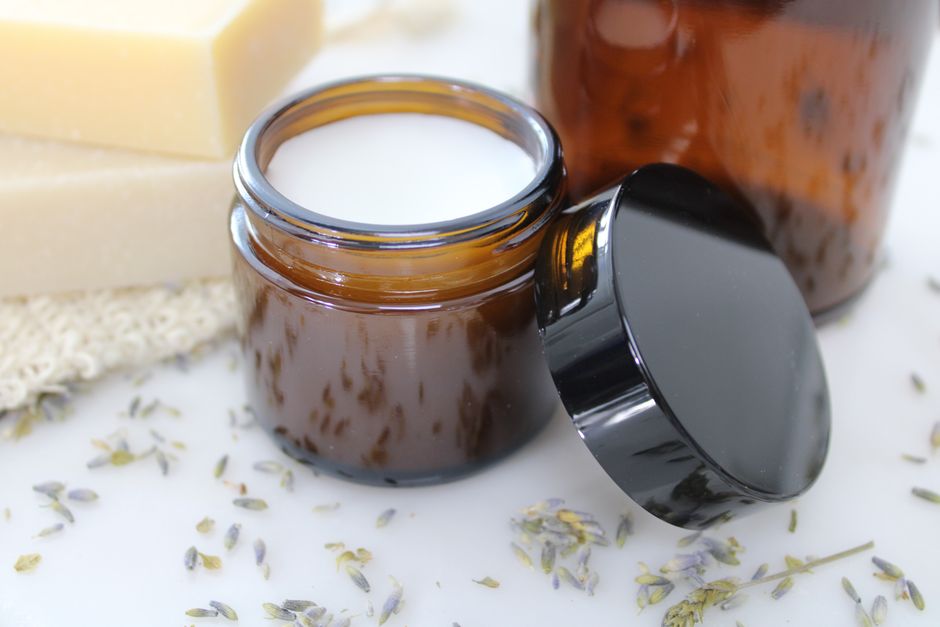
At NuWell Health, we have found through years of working with clients who love the outdoors that having pre-made, portable remedies on hand is a game changer. One of our favorite ways to keep skin happy during the warmer months is with a portable, solid herbal stick. This recipe uses beeswax as a protective base, which seals in the active ingredients and keeps the balm from melting in your pocket.
We also incorporate wild-harvested herbs like plantain leaf (Plantago lanceolata) and calendula (Calendula officinalis). Plantain is a common backyard herb that is a powerhouse for skin healing; it contains aucubin, an antimicrobial agent, and allantoin, which speeds up cellular regeneration. Calendula is renowned for its gentle, anti-inflammatory, and tissue-soothing properties.
To make your own solid relief stick, we recommend using this DIY beeswax bug bite stick recipe as a starting point.
Ingredients:
- 2 tablespoons organic beeswax yellow pellets (or 1 tablespoon candelilla wax for a vegan alternative)
- 2 tablespoons raw shea butter
- 3 tablespoons herb-infused carrier oil (such as calendula, plantain, or stinging nettle infused olive oil)
- 10 drops organic lavender essential oil
- 5 drops organic tea tree essential oil (for its natural antiseptic properties)
Instructions:
- Set up a simple double boiler by placing a glass measuring pyrex cup inside a pot filled with an inch of gently simmering water.
- Add the beeswax, shea butter, and herb-infused oil to the glass cup. Let them melt completely over low heat, stirring occasionally with a wooden stick.
- Once fully melted, carefully remove the mixture from the heat. Let it cool for about two minutes (but do not let it solidify).
- Stir in your lavender and tea tree essential oils.
- Carefully pour the warm liquid into empty lip balm tubes or small metal tins.
- Let them sit undisturbed at room temperature for 1 to 2 hours until completely solid.
Label your containers clearly and keep one in your backpack, purse, or first-aid kit. At NuWell Health, we prioritize human natural health solutions that work in harmony with the body’s physiology, rather than focusing on agricultural cultivation. For a deeper look at the healing profiles of these wild herbs from a therapeutic perspective, you can also explore the DIY Bug Bite Balm Recipe How To Make Anti-Itch Relief Salve – Donvey Farms for alternative infusion methods that optimize these botanical compounds for human skin relief.
High-Concentration Colloidal Oatmeal Cream
Most commercial anti-itch lotions contain only a tiny fraction of active oatmeal—typically around 1%. At NuWell Health, our clinical experience has shown that a much higher concentration is required to truly calm hyper-reactive skin. This is why we developed this whipped DIY cream featuring a massive 25% colloidal oatmeal concentration, making it an intensive, human-health-focused treatment that stops severe itching fast.
By blending this high concentration of oatmeal with deeply moisturizing shea butter and organic jojoba oil (which closely mimics our skin’s natural sebum), you create a luxurious, whipped treatment cream. This recipe is based on the highly effective DIY 25% colloidal oatmeal cream recipe and is perfect for both intense bug bites and dry skin flares.
Ingredients:
- 4 tablespoons raw, unrefined shea butter
- 2 tablespoons ultra-fine organic colloidal oatmeal powder
- 4 teaspoons calendula-infused oil
- 1 teaspoon organic jojoba oil
- 5 drops organic peppermint essential oil (optional, for a cooling sensation)
Instructions:
- In a small glass bowl, gently melt the shea butter until it is soft but not completely liquefied.
- Stir in the calendula oil and jojoba oil until fully combined.
- Slowly whisk in the colloidal oatmeal powder, ensuring there are no lumps.
- Add the peppermint essential oil if using.
- Place the bowl in the refrigerator for 10 to 15 minutes until the mixture begins to firm up slightly around the edges.
- Using a hand mixer or a small wire whip, beat the mixture vigorously for 2 to 3 minutes until it becomes light, fluffy, and whipped.
- Spoon the whipped cream into a clean glass jar. Store it at room temperature and apply a small dab directly onto itchy bites as needed.
Safety Precautions and When to Seek Medical Attention
While natural remedies are incredibly safe and effective, they must be used with wisdom and respect. Your skin is your body’s largest organ, and when it is compromised by a bite or sting, it can be highly sensitive to new ingredients. This is especially true for young children, infants, and individuals with reactive skin conditions.
Before applying any homemade remedy—especially those containing concentrated essential oils—we highly recommend performing a simple patch test.

To perform a patch test, apply a tiny dab of your prepared remedy to a small patch of healthy skin on the inner forearm. Wait 24 hours to monitor for any signs of redness, itching, or irritation. If your skin reacts, discontinue use immediately.
When exploring homemade remedies and botanical ingredients, it is always wise to build a solid foundation of natural health literacy. We encourage you to read our guide on Herbal food supplement benefits and safety as well as our Beginner’s guide to natural health supplements to understand how to safely integrate natural products into your daily life.
Recognizing Signs of Infection or Severe Allergic Reactions
Most bug bites are harmless and resolve on their own within a few days. However, you should always monitor your symptoms closely. There are times when home remedies are not enough, and professional medical care is necessary.
First, be aware of Skeeter syndrome. This is an intense, localized allergic reaction to mosquito saliva. It can cause the bite area to swell up to several inches across, feel hot to the touch, and develop small blisters. While it can often be managed with cold compresses and oatmeal pastes, severe swelling near the eyes or airway requires professional medical evaluation.
Second, watch for signs of a secondary bacterial infection, such as cellulitis. This occurs when bacteria (often from scratching with dirty fingernails) enter the broken skin.
You should stop using home remedies and seek medical attention if you notice:
- Redness that is actively spreading outward from the bite
- Increased warmth, throbbing pain, or severe swelling
- Pus or yellow crusting draining from the bite area
- Red streaks traveling up your limb from the bite
- A fever, chills, or swollen lymph nodes
Finally, a small percentage of individuals may experience a life-threatening, systemic allergic reaction known as anaphylaxis after a sting or bite (most commonly from bees, wasps, or hornets). This is a medical emergency. Seek immediate emergency medical care if you experience:
- Difficulty breathing, wheezing, or tightness in the chest
- Swelling of the lips, tongue, face, or throat
- Dizziness, confusion, or a rapid drop in blood pressure
- Widespread hives or a sudden rash across the body
Frequently Asked Questions about DIY Bug Bite Relief
What is the fastest way to stop a bug bite from itching naturally?
The absolute fastest way to stop an itch naturally is to combine cold therapy with an alkaline paste. First, wrap an ice cube or a cold gel pack in a clean cloth and hold it against the bite for 5 to 10 minutes. The cold temperature constricts the local blood vessels and temporarily numbs the nerve endings, halting the itch signal to your brain. Immediately follow this with a thick dab of baking soda paste (3 parts baking soda to 1 part water). The baking soda will help neutralize the acidic localized reaction, providing rapid, lasting relief.
Can I use essential oils directly on a bug bite?
We do not recommend applying undiluted essential oils directly to a bug bite. Essential oils are highly concentrated plant extracts that can cause chemical burns, contact dermatitis, or severe sensitization when applied “neat” to broken or irritated skin.
Instead, always dilute them in a nourishing carrier oil like organic coconut, jojoba, or olive oil. For a safe and effective dilution ratio, mix 2 to 3 drops of essential oil (such as lavender or tea tree) with 1 teaspoon of your carrier oil before applying. Lavender is excellent for calming the nervous system and reducing inflammation, while tea tree oil acts as a gentle antiseptic to protect against bacteria.
Is baking soda safe for children’s bug bites?
Yes, baking soda is generally very safe for children over the age of two when used as a spot treatment. It is a gentle, time-tested remedy that avoids the synthetic chemicals and steroids found in many over-the-counter pediatric creams.
However, because young children have thinner, more delicate skin, you should never leave a baking soda paste on their skin for more than 10 to 15 minutes, as prolonged exposure to an alkaline substance can cause mild dryness or irritation. Always rinse the area thoroughly with cool water afterward and pat dry. For infants under two years of age, consult your pediatrician before introducing any new topical remedies.
Conclusion
At NuWell Health, we believe that true wellness is holistic—it involves caring for the mind, body, and spirit as an integrated whole. When we choose to support our bodies with pure, natural ingredients, we are practicing mindful self-care and honoring the natural healing systems designed within us.
By keeping simple, whole-food ingredients like baking soda, colloidal oatmeal, and wild herbs on hand, you can confidently manage summer’s minor irritations without relying on harsh chemicals.
If you are looking for more ways to support your skin naturally and find relief from chronic irritation, we invite you to read our guide, Stop the Scratch with These Natural Treatments for Eczema. Let’s embrace the healing power of nature together and enjoy the beautiful outdoors with peace of mind!
This article was researched with AI and heavily edited by Jordan Oliver for accuracy and relevance.
Jordan is an author, ordained minister, and online host for His Glory TV, sharing biblically grounded insights on faith, prayer, and spiritual growth. She is the co-founder of Triple-Braided Cord Co., an intercessory prayer and healing ministry inspired by Ecclesiastes 4:12.
Jordan holds a Bachelor’s degree in Communications and Religious Studies from High Point University and is a certified Spiritual Life Coach through iCoachLife in Nashville, Tennessee. Drawing from her ministry, coaching, and academic experience, she creates trustworthy, faith-based content that helps readers grow in their relationship with God. Learn more about Jordan here.