

When Every Meal Feels Like a Minefield: Finding Hope Through Eczema Allergy Friendly Recipes
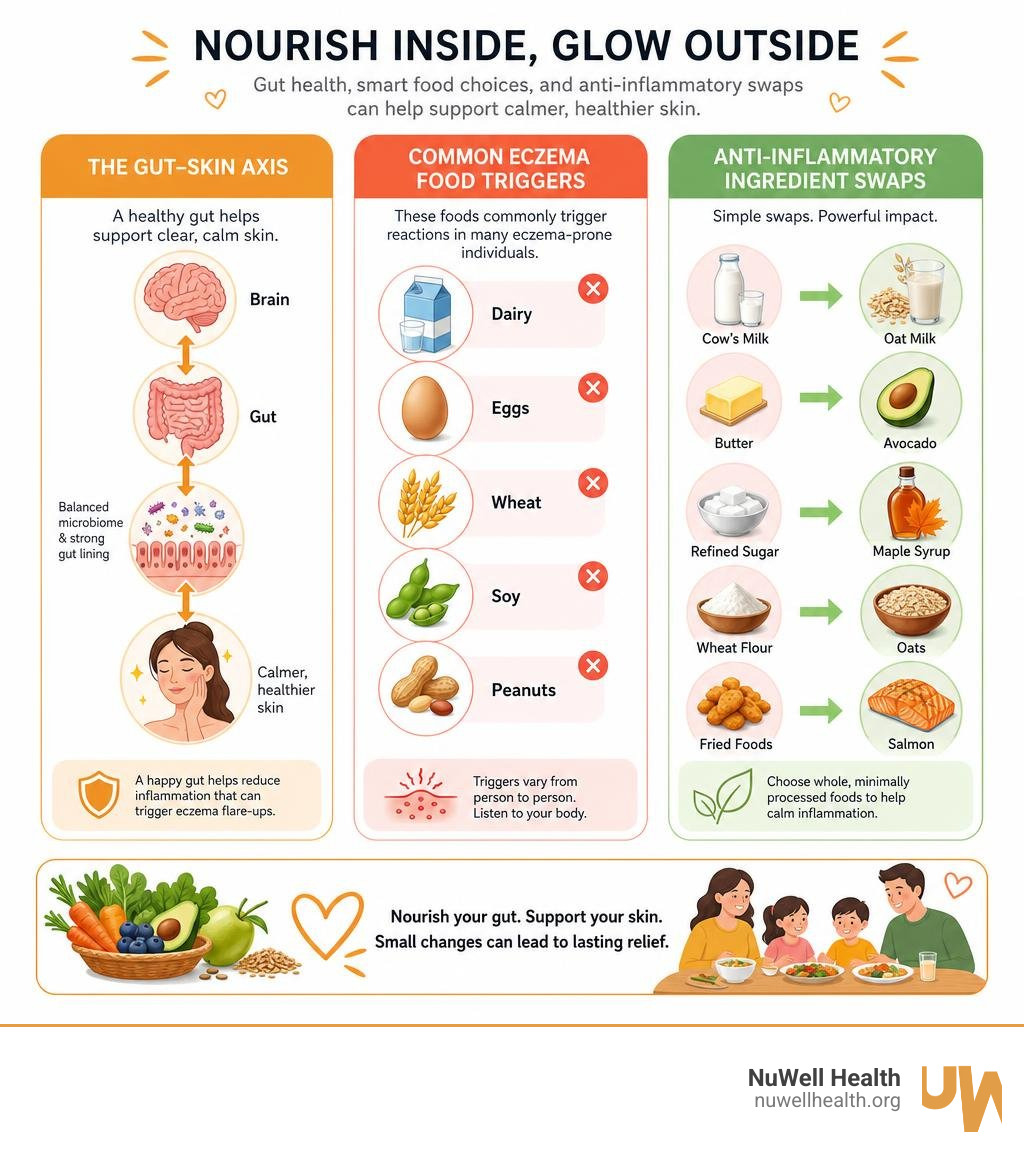
Eczema allergy friendly recipes are meals that avoid common food triggers — like dairy, eggs, wheat, soy, and peanuts — while using anti-inflammatory, nutrient-dense ingredients that support calmer, healthier skin.
Here are the most eczema-safe ingredients to build your meals around:
- Proteins: salmon, lentils, chickpeas, sunflower seed butter
- Grains and flours: oats, rice flour, chickpea flour, buckwheat
- Dairy alternatives: oat milk, rice milk
- Sweeteners: maple syrup, maple sugar (refined sugar-free)
- Skin-supportive extras: flaxseeds, carrots, asparagus, pear
If you’re a parent managing a child’s eczema, you know the anxiety that comes with every meal, every birthday party, every holiday table. The constant label-reading. The well-meaning relatives offering chocolate. The flare-ups that seem to appear out of nowhere.
You’re not imagining it. Food really does matter.
Egg allergy is the most common IgE-mediated food allergy in toddlers in the UK, according to the National Eczema Society. Cow’s milk protein is among the most widely reported food triggers in eczema-prone babies. And research published in Nutrients in 2024 found that omega-3 fatty acids may help reduce lesion severity and skin inflammation in children with atopic dermatitis.
But here’s the good news: eating safely doesn’t mean eating poorly. With the right ingredients and simple swaps, you can prepare meals your whole family will actually enjoy — meals that nourish the skin from the inside out.
At NuWell Health, we have found that addressing food triggers is one of the most powerful first steps toward lasting eczema relief, especially when paired with a root-cause approach to gut and immune health.
This guide gives you everything you need: the science, the substitutions, and the recipes.
Understanding Eczema Food Triggers and the Gut-Skin Connection

When we see red, itchy, inflamed skin on the outside, our natural instinct is to apply lotions and creams directly to the surface. While topical care is essential for immediate comfort, true and lasting relief often starts from within. The skin is a mirror of what is happening inside our bodies, particularly within our digestive and immune systems.
This connection is known as the gut-skin axis. When the delicate lining of the gut is irritated or compromised, it can trigger systemic inflammation that directly manifests on the skin. Understanding this connection helps us see why certain foods act as major triggers for eczema flares. If you want to dive deeper into how your body reacts to different foods, our guide on Allergies and Food Sensitivity is a great place to start.
In children and babies, whose immune systems and digestive tracts are still developing, this gut-skin connection is even more sensitive. When they consume foods their bodies perceive as invaders, the immune system releases IgE antibodies and histamines, leading to immediate or delayed eczema flare-ups. According to the British Association of Dermatologists, the most frequent IgE-mediated allergies in children are to milk, eggs, and peanuts. Cow’s milk protein, in particular, is widely flagged by healthcare institutions like the Nottingham University Hospitals NHS Trust as a primary dietary trigger in eczema-prone infants.
Common Food Triggers in Babies and Children
While any food can technically trigger a reaction, a small group of culprit foods is responsible for the vast majority of eczema-related allergic reactions in children. These include:
- Cow’s Milk/Dairy: The proteins in dairy (whey and casein) can be highly inflammatory to sensitive digestive tracts.
- Eggs: Especially egg whites, which contain proteins that are highly allergenic for toddlers.
- Peanuts and Tree Nuts: Common triggers that can cause severe, immediate IgE-mediated reactions.
- Wheat and Gluten: Can damage the gut lining in sensitive individuals, leading to increased intestinal permeability (often called leaky gut).
- Soy: A common additive in processed foods that frequently triggers skin irritation.
Identifying which of these foods is causing your child’s skin to flare can feel like solving a complex puzzle. If you are ready to systematically identify these triggers, check out our comprehensive Eczema Elimination Diet Guide: Say Goodbye to the Itch for a step-by-step roadmap.
The Role of Gut Health in Eczema Allergy Friendly Recipes
To understand why eczema allergy friendly recipes work, we must look at gut dysbiosis—an imbalance between the beneficial and harmful bacteria in the digestive tract. When the gut microbiome is out of balance, the protective barrier of the gut weakens. Undigested food particles and toxins can leak into the bloodstream, triggering an overactive immune response that causes skin inflammation.
In our clinical experience at NuWell Health, we have observed that when families transition to a clean, whole-food diet that prioritizes human natural health solutions, children often experience a significant reduction in both the frequency and intensity of their eczema flare-ups within just a few weeks. By focusing on whole, low-allergen, and anti-inflammatory foods, we feed the beneficial bacteria in the gut, repair the intestinal lining, and calm the immune system. This is why we design recipes that are naturally free from common allergens while being packed with gut-supportive fibers and nutrients. If you suspect your child’s eczema is rooted in gut issues, we recommend reading Everything You Need to Know About Testing Your Gut for Food Sensitivities to learn how professional testing can provide clarity.
Anti-Inflammatory Ingredients for Calmer Skin
To help the skin heal, we need to focus on ingredients that actively lower systemic inflammation and support the repair of a compromised skin barrier. When the skin barrier is dysfunctional, it loses moisture rapidly (leading to dryness) and allows environmental irritants to penetrate easily.
One of our favorite natural tools for fighting skin inflammation is quercetin. Quercetin is a plant pigment (flavonoid) found in foods like asparagus and red onions. It acts as a natural antihistamine and anti-inflammatory agent, helping to inhibit the release of histamines and pro-inflammatory compounds that cause itching and redness. Incorporating these nutrient-dense options into your family’s meals can make a world of difference. For more natural strategies to soothe irritated skin, explore our resource on how to Stop the Scratch with These Natural Treatments for Eczema.
At NuWell Health, our practitioners frequently recommend incorporating high-quality, plant-based anti-inflammatory foods as a primary natural health solution, helping clients rebuild their skin barrier from the inside out without relying solely on heavy topical steroids.
Omega-3 Fatty Acids and Skin Barrier Support
If there is one nutrient family you should intentionally increase in an eczema-safe diet, it is omega-3 fatty acids. These essential fats are structural components of healthy skin cells, helping to seal in moisture and keep the skin barrier strong, supple, and resilient.
The scientific evidence backing this up is incredibly encouraging:
- A 2024 study published in Nutrients found that omega-3 polyunsaturated fatty acid supplementation helps reduce lesion severity, skin inflammation, and dryness in children with atopic dermatitis.
- A 2023 cross-sectional study in Pediatric Dermatology revealed that higher total dietary omega-3 intake is associated with a significantly reduced risk of eczema in children and adolescents.
Excellent sources of omega-3s include wild-caught salmon, ground flaxseeds, and chia seeds. Incorporating these into your weekly routine is a delicious way to nourish your child’s skin from the inside out. For more holiday-specific meal ideas that feature these skin-loving ingredients, take a look at our guide on the Anti-Inflammatory Eczema Diet with Easy Easter Recipes for Kids.
Low-Allergen Substitutes for Baking and Cooking
Baking without dairy, eggs, wheat, or nuts might sound like a recipe for a culinary disaster, but it is actually an opportunity to discover incredible, nutrient-dense alternative ingredients.
Here are some of our favorite low-allergen swaps:
- Chickpea Flour: A fantastic, protein-rich flour that binds beautifully in savory dishes and crackers.
- Tiger Nut Flour: Despite the name, tiger nuts are actually small root tubers, not nuts! Tiger nut flour is naturally sweet, grain-free, and completely nut-free, making it perfect for safe baking.
- Raw Cashews: When soaked and blended, raw cashews make a rich, creamy substitute for heavy cream or cheese sauce. (Note: Raw cashews are low in amines, whereas roasted cashews can trigger sensitive individuals due to increased amine levels during roasting).
- Carob Powder: A wonderful, caffeine-free, and low-allergen alternative to cocoa powder, which can sometimes trigger flares in sensitive children.
To make your kitchen transitions easier, we have put together this simple substitution reference table:
| Traditional Ingredient | Eczema-Safe, Low-Allergen Substitute | Best Used For |
|---|---|---|
| Cow’s Milk | Oat milk or rice milk | Smoothies, baking, cereal |
| Chicken Eggs | Flax gel (ground flaxseeds + water) | Binding cookies, quick breads, muffins |
| Wheat Flour | Chickpea flour, oat flour, or tiger nut flour | Crackers, flatbreads, allergen-free cookies |
| Cocoa Powder | Carob powder | Allergen-free chocolate-style desserts |
| Butter | Virgin coconut oil or high-quality avocado oil | Baking, sautéing |
6 Delicious Eczema Allergy Friendly Recipes for the Whole Family

Cooking for a child with eczema shouldn’t mean making two different meals every night. The following six recipes are naturally free from common allergens, packed with skin-supportive nutrients, and delicious enough that the entire family will happily eat them.
1. Breakfast: Sleepy-Time Banana Smoothie
This creamy, soothing smoothie is perfect for busy mornings. It features carrots, which are rich in beta-carotene (a precursor to vitamin A that supports skin cellular repair), and oat milk, which is gentle on sensitive tummies.
- Ingredients:
- 1 ripe banana (frozen works best)
- 1/2 cup finely grated carrot
- 1 cup unsweetened oat milk or rice milk
- 1 tablespoon ground flaxseeds (for those essential omega-3s)
- A pinch of cinnamon
- Instructions:
- Add all ingredients to a high-speed blender.
- Blend on high for 60 to 90 seconds until completely smooth and creamy.
- Pour into a glass and serve immediately.
2. Snack: Flakey Oat and Chickpea Crackers
Finding a crunchy, satisfying snack that fits into a strict eczema-friendly lifestyle can be tough. These crackers are a lifesaver. Oats supply skin-strengthening zinc and vitamin E, while chickpeas provide the protein and minerals needed for healthy collagen formation.
- Ingredients:
- 1 cup rolled oats (processed into a fine flour)
- 1 cup canned chickpeas (rinsed, drained, and skinned if possible)
- 2 tablespoons rice bran oil or melted coconut oil
- 1/2 teaspoon garlic powder
- 1/2 teaspoon sea salt (additive-free)
- 2-3 tablespoons filtered water
- Instructions:
- Preheat your oven to 180°C (355°F).
- In a food processor, blend the oats until they reach a flour-like consistency. Add the chickpeas, oil, garlic powder, and salt. Pulse until a crumbly dough forms.
- Add water one tablespoon at a time, pulsing until the dough comes together into a ball.
- Roll the dough out between two sheets of baking paper to about 1/2 cm thickness.
- Cut into squares, prick each cracker with a fork, and bake for 30 to 40 minutes until lightly golden and crisp. Store in an airtight container. For the original inspiration behind this skin-loving snack, check out the Flakey Oat and Chickpea Crackers – Eczema Life recipe.
3. Lunch: Lentil and Asparagus Soft Tacos
These tacos are a vibrant, delicious alternative to traditional dairy-and-spice-heavy Mexican dishes that can easily irritate sensitive skin. The asparagus provides a healthy dose of quercetin to help calm systemic inflammation.
- Ingredients:
- For the Flatbreads: 3/4 cup rice flour, 1/4 cup tapioca flour, 1 cup water, pinch of salt.
- For the Filling: 1 cup cooked brown lentils, 1 finely sliced leek, 2 celery stalks (diced), 6 asparagus spears (woody ends removed).
- For the Cream: 1/2 cup raw cashews (soaked in boiling water for 30 minutes), 1/4 cup filtered water, pinch of salt.
- Instructions:
- Make the Flatbreads: Whisk the rice flour, tapioca flour, water, and salt together to make a thin batter. Pour 1/4 cup of batter into a hot, non-stick pan. Cook for 2 minutes, flip, and cook for another minute until pliable. Set aside.
- Make the Filling: Sauté the sliced leek and celery in a splash of oil until soft. Add the cooked lentils and a splash of water, simmering until heated through. In a separate pan, lightly steam the asparagus spears for 2-3 minutes so they retain their bright green color and crunch.
- Make the Cashew Cream: Blend the soaked, drained raw cashews with 1/4 cup water and a pinch of salt until velvety smooth.
- Assemble: Fill each flatbread with the lentil mixture, lay an asparagus spear on top, and drizzle with cashew cream. To see the full method and variations, explore the Lentil and Asparagus Soft Tacos – Eczema Life page.
4. Snack: Easy No-Bake Maple Tiger Nut Cookies (Top 14 Free)
These chewy, cookie-dough-like bites are naturally free from the top 14 most common allergens. They use tiger nut flour and sunflower seed butter to create a dense, satisfying treat that requires absolutely no cooking.
- Ingredients:
- 1/2 cup unsweetened sunflower seed butter
- 1/2 cup tiger nut flour
- 3 tablespoons maple sugar (or coconut sugar)
- 1 teaspoon pure vanilla extract
- A pinch of fine sea salt
- Instructions:
- In a food processor, combine the sunflower seed butter, tiger nut flour, maple sugar, vanilla, and salt.
- Process until a thick, uniform dough forms.
- Using a small cookie scoop, portion the dough into balls. Flatten slightly with your hand or a fork.
- Place on a tray lined with parchment paper and chill in the fridge for 30 minutes before serving. Store in the fridge or freezer. This recipe is adapted from No Bake Cookie Recipe Without Milk: Peanut, Egg, Top 14 Free | The Allergy Chef™.
5. Dessert: Eggless Peanut Butter Oatmeal Cookies
If your child does not have a peanut allergy, these cookies are a fantastic egg-free treat. The natural oils in commercial creamy peanut butter, combined with old-fashioned rolled oats, act as natural binders, making eggs completely unnecessary.
- Ingredients:
- 1 cup old-fashioned rolled oats
- 3/4 cup all-purpose gluten-free flour blend
- 1/2 teaspoon baking powder
- 1/2 cup commercial creamy peanut butter (do not use natural oily varieties, as they cause the cookies to spread too much)
- 4 tablespoons dairy-free butter (at room temperature)
- 1/2 cup brown sugar
- 1/4 cup granulated cane sugar
- 3 tablespoons water
- Instructions:
- Preheat your oven to 160°C (325°F) and line a baking sheet with parchment paper.
- Cream the dairy-free butter, peanut butter, brown sugar, and white sugar together for 3-4 minutes until light and fluffy.
- Stir in the water, then fold in the flour, baking powder, and rolled oats until a cohesive dough forms.
- Scoop onto your baking sheet, flattening slightly. Bake for 12 to 14 minutes.
- Pro tip: Immediately after taking them out of the oven, gently bang the baking tray on the counter 2 or 3 times. This deflates the cookies, giving them an incredibly chewy texture. Cool completely on the tray to allow carryover cooking to finish setting them. For detailed troubleshooting and baking tips, visit Eggless Peanut Butter Oatmeal Cookies (Chewy & Easy).
6. Dessert: Easy Vegan Butter Cookies (Top 14 Free)
These delicate, melt-in-your-mouth cookies are a wonderful alternative to traditional Danish butter cookies. They are completely gluten-free, dairy-free, egg-free, and nut-free.
- Ingredients:
- 115g dairy-free butter (nearly room temperature)
- 50g organic powdered sugar
- 1/2 teaspoon organic vanilla extract
- 110g superfine gluten-free flour blend
- 15g arrowroot starch
- Instructions:
- Preheat oven to 160°C (325°F).
- Cream the dairy-free butter and powdered sugar together until light and fluffy. Stir in the vanilla extract.
- Sift in the gluten-free flour and arrowroot starch. Mix until a soft, pipeable dough forms.
- Spoon the dough into a piping bag fitted with a large open star tip. Pipe small swirls onto a baking sheet lined with parchment paper.
- Bake for 20 to 24 minutes until the edges are barely golden. Let them cool completely on the baking tray to avoid crumbling. Read more about this inclusive baking technique at Easy Vegan Butter Cookie Recipe: Gluten + Top 14 Free Cookies | The Allergy Chef™.
Practical Tips for Managing Eczema During Family Gatherings
Holiday gatherings, birthday parties, and family dinners are beautiful times of connection, but they can also be highly stressful when your child has severe food sensitivities. Common holiday treats are often loaded with dairy, eggs, artificial colorings, and refined sugars—a perfect storm for an eczema flare-up.
To keep these gatherings joyful and flare-free, we recommend several practical strategies:
- Communicate Early: Reach out to your host well in advance. Explain your child’s dietary restrictions warmly but clearly.
- Bring Your Own Safe Alternatives: Never arrive empty-handed. Bring a safe main dish and a special dessert (like our Vegan Butter Cookies) so your child doesn’t feel left out when treats are passed around.
- Keep a Detailed Food Diary: Over busy holiday weekends, write down everything your child eats and track their skin condition. If a flare-up happens, you will have a clear record to help identify the culprit.
Preventing Cross-Contamination in Shared Kitchens
When cooking in a kitchen that handles common allergens, trace amounts of dairy, wheat, or eggs can easily find their way into your eczema-safe dishes.
To prevent cross-contamination, establish these simple safety boundaries:
- Designate an Allergen-Free Zone: Keep one specific area of your counter dedicated exclusively to preparing allergy-friendly food.
- Use Separate Utensils and Cutting Boards: Color-coded cutting boards and silicone spatulas are highly effective visual reminders.
- Wash Hands and Surfaces Thoroughly: Always wash hands with soap and water after handling gluten, dairy, or eggs before touching allergy-safe ingredients.
- Read Labels Diligently: Always check for “may contain” warnings on packaged goods, as manufacturing lines are frequent sources of cross-contact.
How to Store and Batch-Cook Eczema Allergy Friendly Recipes
Managing a child’s eczema is a journey that requires time and consistency. To avoid feeling overwhelmed on busy weeknights, make batch-cooking your best friend:
- Freeze Cookie Dough: Many of our cookie recipes, including the Eggless Peanut Butter Oatmeal Cookies, freeze beautifully. Scoop the dough into balls, freeze them on a tray, and transfer them to a freezer bag. You can bake them directly from frozen by adding 2 minutes to the baking time.
- Double the Tacos and Crackers: Make double batches of lentil taco filling and freeze half in airtight containers. It thaws quickly for a nutritious, skin-supportive lunch.
- Proper Airtight Storage: Keep homemade crackers in glass jars with tight lids to preserve their crunch without using chemical preservatives.
Frequently Asked Questions about Eczema-Safe Eating
Can an elimination diet cure my child’s eczema?
While an elimination diet can identify specific triggers and significantly reduce the severity of eczema flares, it is rarely a standalone “cure.” Eczema is a complex condition influenced by genetics, environmental factors, and immune system health.
Furthermore, putting a growing child on a highly restrictive diet without professional guidance carries a risk of nutritional deficiencies. At NuWell Health, we have guided hundreds of families through structured, natural health protocols, and we consistently find that a personalized, gentle approach to gut healing yields the most sustainable results for sensitive skin. We always recommend working alongside a pediatric dietitian or functional medicine practitioner to ensure your child’s diet remains nutritionally complete and balanced during food trials.
What are the best dairy-free milk alternatives for eczema-prone babies?
For weaning-age babies and toddlers, oat milk and rice milk are generally the best-tolerated plant-based milks because they are naturally low-allergen. While almond or soy milks are popular, they are common allergens themselves and may trigger sensitive skin. Always choose unsweetened, calcium-fortified varieties to support healthy bone development.
How do I safely introduce highly allergenic foods to a baby with eczema?
Modern clinical guidelines suggest that delaying the introduction of highly allergenic foods (like eggs and peanuts) can actually increase the risk of developing a food allergy. However, for babies with moderate-to-severe eczema, this introduction must be handled with care.
Always consult your pediatrician or an allergist first. They may recommend performing the first food trial in the safety of their clinic or provide a highly structured, gradual introduction schedule to follow at home.
Conclusion
True healing is a holistic journey. It is about nurturing the mind, the body, and the spirit together, recognizing that our bodies are wonderfully designed to heal when given the right support. By addressing the root causes of inflammation—starting deep within the gut—we can calm our children’s overactive immune systems and help their skin return to its natural, peaceful state.
At NuWell Health, we have found that addressing the root causes of skin inflammation through nutrition brings lasting relief. When we swap out inflammatory triggers for nutrient-dense, allergen-free alternatives, we aren’t just managing symptoms; we are building a foundation of vibrant health.
If you are ready to take the next step on your natural healing journey, we invite you to explore our comprehensive resource on How to Master Natural Ways to Heal Eczema. Let us walk alongside you as you discover the peace, joy, and comfort of a vibrant, flare-free life.
This article was researched with AI and heavily edited by Jordan Oliver for accuracy and relevance.
Jordan is an author, ordained minister, and online host for His Glory TV, sharing biblically grounded insights on faith, prayer, and spiritual growth. She is the co-founder of Triple-Braided Cord Co., an intercessory prayer and healing ministry inspired by Ecclesiastes 4:12.
Jordan holds a Bachelor’s degree in Communications and Religious Studies from High Point University and is a certified Spiritual Life Coach through iCoachLife in Nashville, Tennessee. Drawing from her ministry, coaching, and academic experience, she creates trustworthy, faith-based content that helps readers grow in their relationship with God. Learn more about Jordan here.