

Why Lifestyle Changes for IBS Can Transform Your Digestive Health
Making lifestyle changes for IBS is one of the most effective ways to reduce symptoms and feel better — without relying solely on medication.
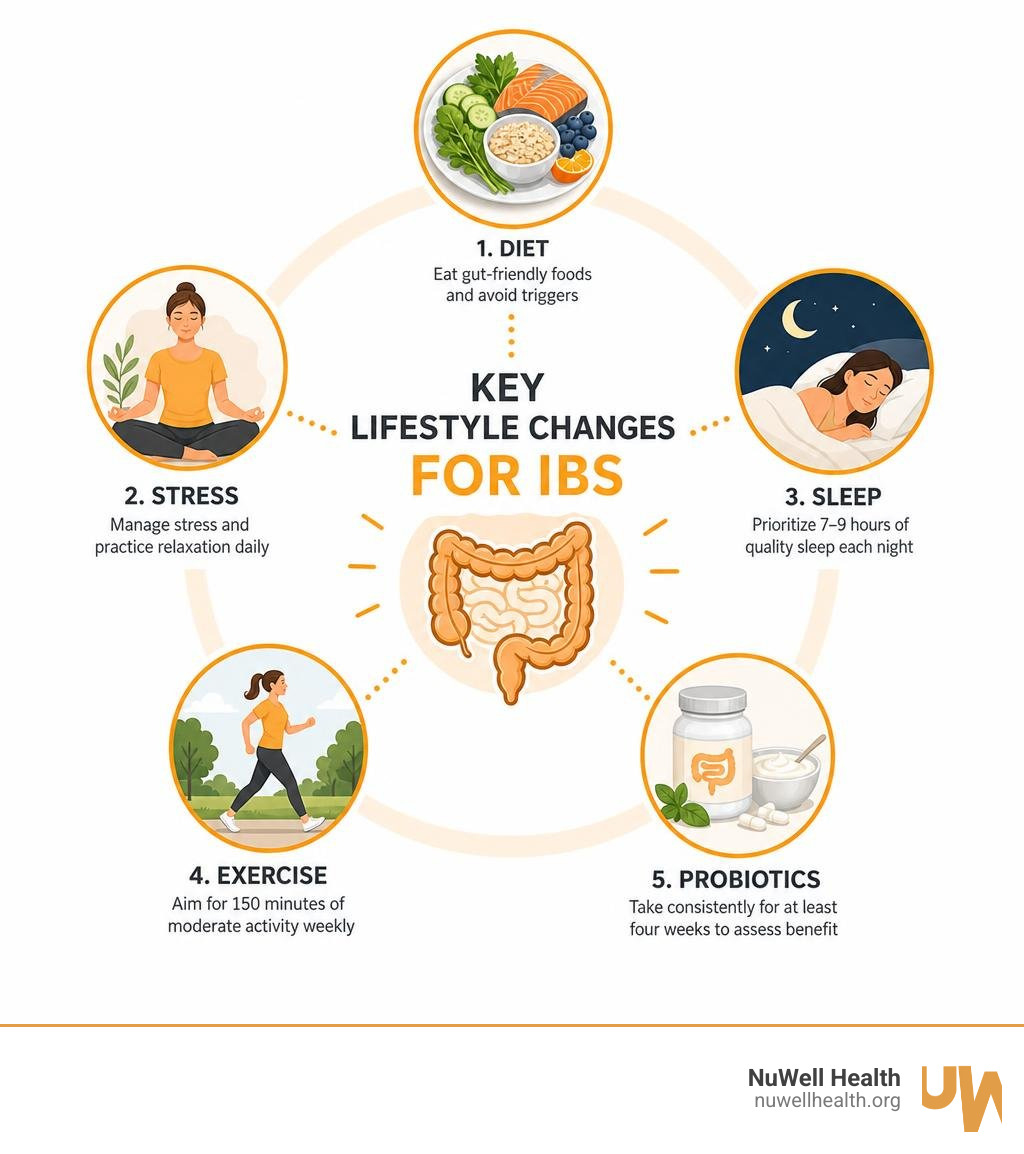
Here are the key changes that help most people with IBS:
- Adjust your diet — follow a low-FODMAP approach, increase soluble fiber gradually, and limit known triggers like caffeine, alcohol, and sorbitol
- Manage stress — daily relaxation practices like deep breathing, prayer, or gentle movement calm the gut-brain connection
- Exercise regularly — aim for 150 minutes of moderate activity per week (about 30 minutes, five days a week)
- Prioritize sleep — 7 to 9 hours of quality sleep each night supports healthy gut function
- Try probiotics — take them consistently for at least four weeks to assess benefit
- Keep a food and symptom diary — this helps you spot personal triggers and patterns
- Eat at regular times — consistent meal timing supports your gut’s natural rhythm
If you’ve ever rushed to the bathroom after a stressful meeting, or spent a meal worrying about what you ate — you’re not alone.
Irritable bowel syndrome affects roughly 10% to 15% of adults in the United States, yet most people suffer in silence. Many try one remedy, see little change, and give up. Others cycle through medications that mask symptoms but never address the root cause.
The truth is, there is no single pill or diet that works for everyone with IBS. But the research is clear: a combination of targeted dietary changes, consistent daily habits, and gut-friendly lifestyle shifts can make a dramatic difference — for many people, without needing prescription drugs at all.
In our years of clinical experience at NuWell Health helping hundreds of clients overcome chronic digestive issues, we have found that the most lasting relief comes not from a single fix, but from understanding your body as a whole system — gut, brain, sleep, stress, and all.
This guide walks you through everything you need to know, step by step.
Discover more about lifestyle changes for IBS:
Understanding Irritable Bowel Syndrome and Its Impact on Daily Life
Irritable Bowel Syndrome (IBS) is not just a “sensitive stomach.” It is a recognized medical condition that can turn simple daily activities — like eating out with friends, going on a road trip, or sitting through a long meeting — into a stressful guessing game.
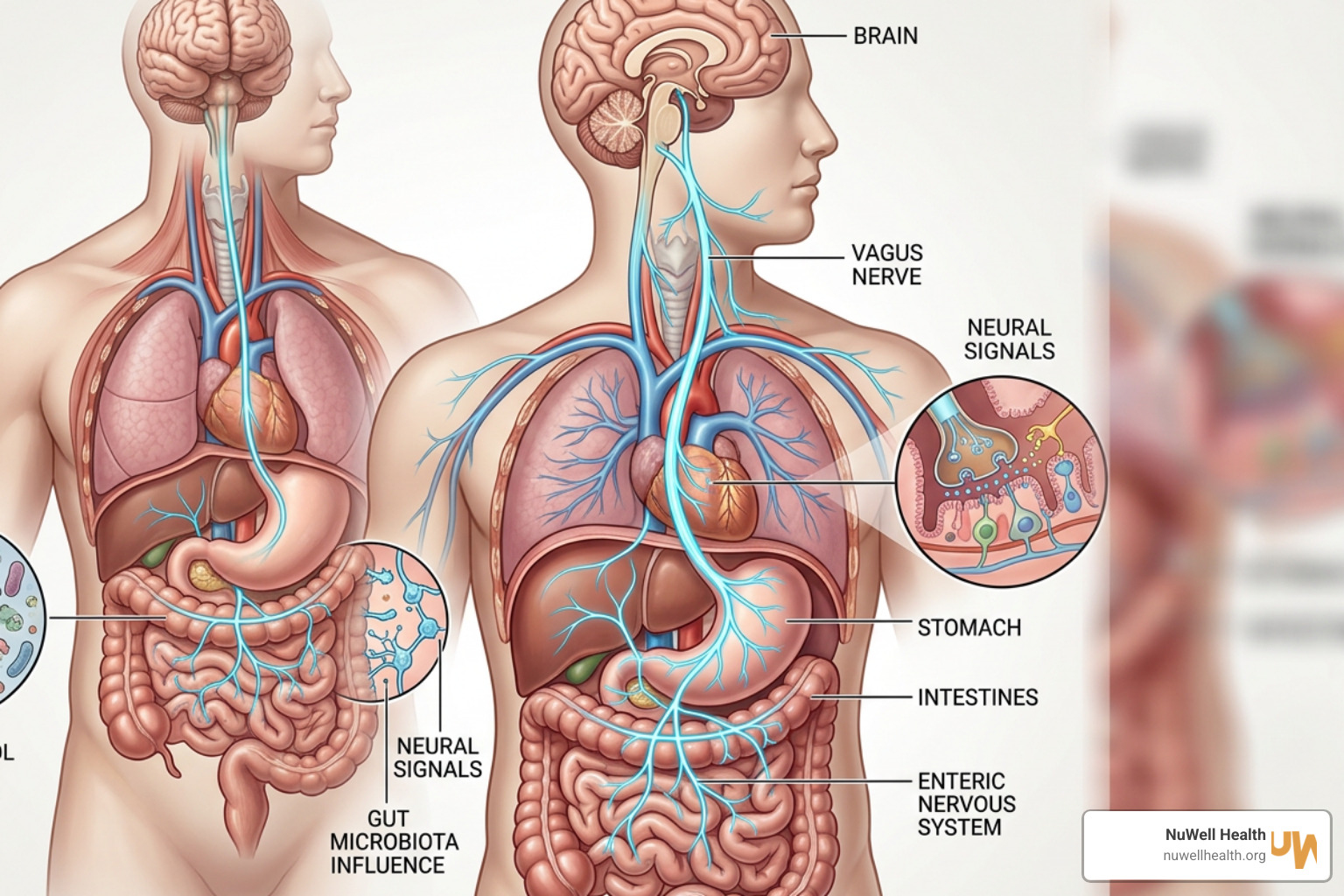
To manage it effectively, we first have to understand what it actually is. IBS is classified as a neurogastrointestinal disorder. This means it stems from a breakdown in how your brain and your gut talk to each other. Your digestive system is packed with nerves — in fact, there is more nerve tissue in your bowel than in your entire central nervous system! When the communication between these nerves and your brain gets off track, it can cause the muscles in your intestines to contract too quickly (leading to diarrhea) or too slowly (leading to constipation).
This miscommunication also causes visceral hypersensitivity. Essentially, the nerves in your gut become hyper-reactive. Normal digestive processes, like gas moving through your intestines, are felt as intense pain or cramping.
If you are struggling to find answers, reading a comprehensive Irritable Bowel Syndrome (IBS): Symptoms, Causes & Treatment overview is a great place to start. Exploring our dedicated resources on digestive issues can also help you understand how these symptoms fit into your overall health picture.
What is IBS and How Does It Affect Daily Life?
IBS is generally categorized into three main subtypes based on your bowel patterns:
- IBS-C (Constipation-predominant): Characterized by hard, infrequent stools and straining.
- IBS-D (Diarrhea-predominant): Characterized by loose, watery, and often urgent stools.
- IBS-M (Mixed): A frustrating combination where you alternate between constipation and diarrhea.
Living with these symptoms means dealing with chronic pain, unpredictable bloating, and constant worry. Statistics show that while up to 15% of U.S. adults have IBS, only about 5% to 7% ever receive a formal diagnosis. Many people simply try to manage on their own. Interestingly, women are up to twice as likely to be diagnosed with IBS as men, and the condition most commonly begins in a person’s late teens to early 40s. In the UK, about a third of the population experiences occasional symptoms, with 1 in 10 having symptoms severe enough to seek medical attention.
At NuWell Health, our clinical experience has shown us that looking at the whole person is essential, as physical symptoms often intertwine with a person’s unique history. In our practice, we frequently observe that clients who experienced severe stressors in childhood or manage other chronic pain conditions require a more holistic, compassionate approach to achieve true recovery.
Identifying Root Causes and Digestive Imbalances
While conventional medicine often treats IBS as a lifelong syndrome to be managed with medications, we focus on identifying the root causes of gut dysfunction.
Two common culprits behind IBS symptoms are Small Intestinal Bacterial Overgrowth (SIBO) and general gut dysbiosis (an imbalance of good and bad bacteria). SIBO occurs when bacteria that should live in the large intestine migrate and multiply in the small intestine, fermenting food too early and causing extreme bloating, gas, and pain.
Poor gut motility — where the waves of muscular contractions that move food along are weak or uncoordinated — also plays a major role. To understand the underlying triggers of your discomfort, take a look at our guide on demystifying digestive issues causes.
Dietary Triggers and the Role of Fiber in IBS Management

What we put on our plates has a direct, immediate impact on how our gut behaves. When dealing with IBS, identifying food intolerances and managing fiber intake are two of the most powerful levers you can pull. For a deep dive into medical nutrition guidelines, you can consult the NIDDK Eating and Diet Guide.
Soluble vs. Insoluble Fiber: How to Increase Fiber Safely
Fiber is often recommended for digestive health, but if you have IBS, the type of fiber you eat matters immensely.
- Soluble fiber dissolves in water to form a gel-like substance. It is highly beneficial because it absorbs excess water if you have diarrhea, but also keeps stool soft and easy to pass if you are constipated. Excellent sources include oats, linseeds (flaxseeds), and certain fruits.
- Insoluble fiber does not dissolve in water and acts like a broom sweeping through your digestive tract. While healthy for many, it can be too coarse and irritating for a sensitive IBS gut, often worsening cramping and bloating.
The Dietary Guidelines for Americans recommend that adults get 22 to 34 grams of fiber daily. However, if you have IBS, you should increase your fiber intake very gradually — adding just 2 to 3 grams per day — to allow your gut to adjust without causing extra gas. Eating oats regularly and incorporating up to 1 tablespoon of whole or ground linseeds daily can be a gentle, highly effective way to support your bowel regularity.
Common Food Triggers to Avoid for Happy Digestion
While everyone’s gut is unique, several common dietary triggers frequently cause flare-ups:
- Gluten: Many people with IBS experience symptoms after eating gluten-containing grains (wheat, barley, rye), even if they do not have celiac disease.
- Dairy (Lactose): Lactose can be difficult to digest, leading to gas, bloating, and diarrhea.
- Sorbitol and Artificial Sweeteners: Often found in sugar-free gums and sweets, these are poorly absorbed and draw water into the bowel.
- Fatty and Spicy Foods: These can overstimulate gut contractions and trigger urgent diarrhea.
- Caffeine and Alcohol: Both are gut irritants. We recommend limiting caffeine to no more than 3 cups of tea or coffee per day.
- Fizzy Drinks: Carbonation introduces excess gas directly into your digestive tract.
- Excessive Fruit: While healthy, too much fructose can overwhelm your digestive capacity. Limit fresh fruit to no more than 3 portions (80g per portion) a day.
Implementing a Phased Low-FODMAP Diet Safely
One of the most clinically proven dietary lifestyle changes for IBS is the low-FODMAP diet. FODMAPs (Fermentable Oligosaccharides, Disaccharides, Monosaccharides, and Polyols) are short-chain carbohydrates that are poorly absorbed in the small intestine. They travel to the large intestine, where gut bacteria ferment them, producing gas and drawing in water.
| FODMAP Category | High-FODMAP Foods (Limit) | Low-FODMAP Alternatives (Enjoy) |
|---|---|---|
| Oligosaccharides | Wheat, onions, garlic, beans, lentils, broccoli | Gluten-free grains, quinoa, chives, spring onion (green parts only) |
| Disaccharides | Cow’s milk, yogurt, soft cheeses | Lactose-free dairy, almond milk, hard cheeses (cheddar, parmesan) |
| Monosaccharides | Apples, pears, honey, high-fructose corn syrup | Strawberries, blueberries, oranges, maple syrup |
| Polyols | Blackberries, cherries, sorbitol, xylitol | Grapes, cantaloupe, maple syrup (in moderation) |
Restricting these carbohydrates has been shown to improve symptoms in 50% to 80% of IBS patients. To explore how modifying your diet can help restore balance to your gut bacteria, you can read the clinical review on restoring gut microbiome through diet.
The Three Phases of the Low-FODMAP Protocol
The low-FODMAP diet is not meant to be a permanent, restrictive lifestyle. It is a diagnostic tool divided into three distinct phases:
- Elimination (2 to 6 weeks): You strictly replace high-FODMAP foods with low-FODMAP alternatives to calm gut inflammation and achieve a baseline of comfort.
- Reintroduction (6 to 8 weeks): Under systematic tracking, you gradually reintroduce individual FODMAP groups (one at a time) to identify exactly which carbohydrates trigger your symptoms and in what amounts.
- Personalization: You create a long-term, sustainable eating plan that only restricts your specific trigger foods, allowing you to enjoy the widest variety of foods possible.
Risks of Long-Term Restrictive Diets and How to Avoid Them
Remaining in the strict elimination phase of the low-FODMAP diet long-term can do more harm than good. Because many high-FODMAP foods (like onions, garlic, and asparagus) act as prebiotics — food for your beneficial gut bacteria — avoiding them permanently can starve your microbiome, leading to dysbiosis and nutritional deficiencies.
In our work with clients at NuWell Health, we have seen firsthand how easily people can get stuck in the restrictive phase, which is why we strongly recommend working with our qualified dietitians or health coaches to guide you through the reintroduction phase safely, ensuring your diet remains balanced and diverse.
Evidence-Based Lifestyle Changes for IBS Relief Beyond Diet
While what you eat is crucial, your emotional state, sleep patterns, and physical activity levels have an equally profound impact on your digestive system. For comprehensive clinical insights on lifestyle management, you can refer to the Mayo Clinic IBS Lifestyle Advice. To understand how these habits form the foundation of true wellness, explore our guide to lifestyle medicine.
Why Lifestyle Changes for IBS Are Essential for Long-Term Relief
Your gut and brain are connected by the vagus nerve, a major highway of the autonomic nervous system. When you are stressed, your body enters “fight or flight” mode, which diverts energy and blood flow away from digestion. This can stall gut motility or trigger spasms.
To counteract this, we must actively engage the “rest and digest” parasympathetic nervous system. Through our personalized programs at NuWell Health, we have observed that clients who actively engage the parasympathetic nervous system experience significantly fewer flare-ups. We encourage integrating daily relaxation techniques that align with your personal beliefs; in our experience, many of our clients find that combining deep breathing exercises with Christian mindfulness, quiet prayer, or meditating on Scripture powerfully calms the nervous system, sending safety signals directly to the gut.
How to Successfully Implement Lifestyle Changes for IBS in Your Daily Routine
To give your gut the stability it needs to heal, aim to establish consistent daily habits:
- Prioritize Sleep: Aim for 7 to 9 hours of quality sleep each night. A consistent sleep schedule helps regulate your gut’s natural 24-hour circadian rhythm.
- Engage in Gentle Exercise: Aim for 150 minutes of moderate exercise weekly (such as 30 minutes of brisk walking, swimming, or cycling, five days a week). Exercise stimulates natural intestinal contractions and releases stress-reducing endorphins.
- Support Your Migrating Motor Complex (MMC): The MMC is a natural “cleansing wave” that sweeps undigested food and bacteria out of the small intestine. It requires about 3 to 4 hours between meals to complete its cycle. Spacing your meals and avoiding constant grazing helps keep this cleansing cycle active, which is especially important for preventing SIBO.
- Optimize Your Pooping Position: When using the toilet, use a small stool under your feet so your knees are raised above your hips. This posture relaxes the puborectalis muscle, allowing for easier, strain-free bowel movements.
Natural Supplements and Personalized Nutrition for IBS
When dietary and lifestyle adjustments need an extra boost, targeted natural supplements can help soothe the gut lining and restore balance. For official clinical guidance on over-the-counter options, see the NHS Diet and Lifestyle Advice. You can also read about our philosophy on using natural strategies for long-term wellness.
How Probiotics and Peppermint Oil Support Gut Health
Two of the most widely researched natural aids for IBS are probiotics and peppermint oil:
- Probiotics: If your IBS is driven by gut bacteria imbalances, high-quality probiotics can help introduce beneficial strains. We recommend trying a high-quality probiotic or bio-yogurt daily for at least one month to see if it helps reduce your symptoms.
- Peppermint Oil: Enteric-coated peppermint oil capsules act as a natural anti-spasmodic. The enteric coating ensures the capsule passes through the stomach intact, releasing the oil directly into the intestines where it relaxes the smooth muscle of the bowel wall, rapidly relieving cramping and painful spasms.
The Power of a Personalized Nutrition Approach
At NuWell Health, our experience has taught us that because no two guts are identical, a cookie-cutter approach rarely works for IBS. We have found that when clients keep a detailed food, stress, and symptom diary, it becomes an incredibly valuable tool for mapping their unique triggers and co-creating a highly customized plan.
By tracking what you eat, your daily stress levels, and how your digestion responds, you can partner with a practitioner to build a highly customized plan. To learn more about how we use proactive, individualized strategies to resolve chronic issues, read about upgrading health hardware with preventive lifestyle medicine.
Frequently Asked Questions About Managing IBS Naturally
When should I see a doctor or dietitian for my IBS symptoms?
While natural lifestyle changes for IBS are highly effective, it is vital to rule out more serious conditions. You should consult a healthcare professional immediately if you experience any “red flag” symptoms, including:
- Unintentional or unexplained weight loss (more than 2kg or 4 pounds)
- Blood in your stool or rectal bleeding
- Unexplained iron-deficiency anemia
- Persistent, unexplained vomiting or difficulty swallowing
- New digestive symptoms that start after age 45
Can aging affect my IBS and digestive health?
Yes. As we age, our digestive tract undergoes natural changes. Gut motility tends to slow down, stomach acid production can decrease, and the composition of our gut microbiome naturally shifts. These changes can sometimes worsen symptoms like constipation or bloating in older adults. If you are navigating these changes, you can read our guide on managing aging and aching digestive problems in the elderly.
How long does it take to see results from lifestyle changes?
Patience is key when healing the gut. While some changes — like using peppermint oil or adjusting your toilet posture — can offer quick relief, rebuilding your microbiome and calming highly sensitive nerves takes time. We recommend giving any new dietary change, probiotic trial, or stress-management routine at least 3 to 4 weeks before evaluating its success.
Conclusion
At NuWell Health, we believe that true wellness is holistic, addressing the delicate connection between mind, body, and spirit. By focusing on root-cause resolution, preventive daily habits, and empowering self-care, you can find lasting freedom from the burden of chronic digestive discomfort.
If you are ready to take the next step toward vibrant gut health, we invite you to schedule a consultation for digestive issues with us today. Let us support you on your journey to happy, peaceful digestion!
This article was researched with AI and heavily edited by Jordan Oliver for accuracy and relevance.
Jordan is an author, ordained minister, and online host for His Glory TV, sharing biblically grounded insights on faith, prayer, and spiritual growth. She is the co-founder of Triple-Braided Cord Co., an intercessory prayer and healing ministry inspired by Ecclesiastes 4:12.
Jordan holds a Bachelor’s degree in Communications and Religious Studies from High Point University and is a certified Spiritual Life Coach through iCoachLife in Nashville, Tennessee. Drawing from her ministry, coaching, and academic experience, she creates trustworthy, faith-based content that helps readers grow in their relationship with God. Learn more about Jordan here.