

When Your Head Won’t Stop Pounding: A Natural Way Forward
If you’re looking for an allergy headache natural remedy, here are the most effective options to try right now:
- Saline nasal irrigation — flushes allergens and thins mucus to relieve sinus pressure fast
- Steam inhalation — add eucalyptus or peppermint oil for added anti-inflammatory benefit
- Warm compress — apply to forehead and cheeks several times daily to ease facial pressure
- Quercetin — a natural antihistamine found in onions, apples, and green tea
- Ginger — shown in clinical research to reduce nasal symptoms comparably to loratadine
- Stay hydrated — thin mucus naturally by drinking plenty of water throughout the day
- Head elevation — sleep with an extra pillow to encourage sinus drainage overnight
That heavy, foggy feeling behind your eyes. The dull ache pressing across your forehead. The sense that your face itself is swollen. If you’ve experienced an allergy headache, you know it’s more than just a nuisance — it can derail your entire day.
Allergic rhinitis affects up to 30% of adults worldwide, and when the immune system reacts to pollen, dust mites, or pet dander, the resulting sinus inflammation can build enough pressure to trigger significant head pain.
The good news? You don’t have to reach for a pill every time it happens.
At NuWell Health, we have found that most people experiencing allergy-related head pain get real, lasting relief when they address the root cause — sinus inflammation and blocked drainage — rather than simply masking the pain. In our clinical experience, clients who implement these natural strategies consistently report a significant reduction in both the frequency and severity of their headaches. This guide walks you through the most effective natural strategies, from immediate relief to long-term prevention.
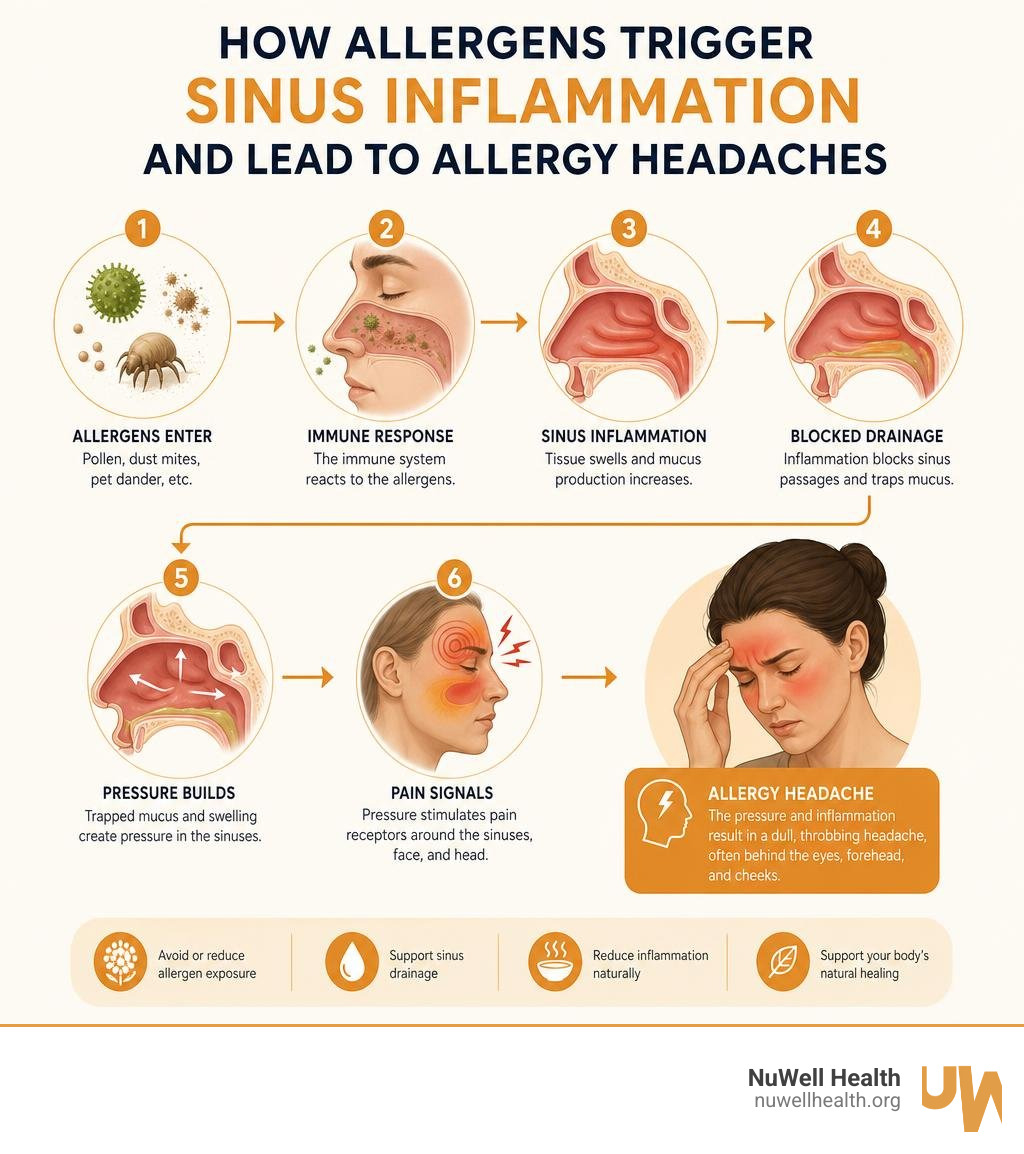
What is an Allergy Headache and How Does It Differ from Other Headaches?
To find the right allergy headache natural remedy, we first need to understand what is actually happening inside your head. Many people throw the term “sinus headache” around, but true allergy headaches are directly tied to the immune system’s inflammatory response.
When you encounter an allergen like oak pollen or dust mites, your immune system releases histamines. These histamines cause the delicate tissues lining your nasal passages and sinus cavities to swell. Your sinuses — which are hollow, air-filled spaces located in your forehead, cheeks, and behind your eyes — become physically blocked. Mucus, which normally drains freely, gets trapped. This blockage creates a literal vacuum pressure effect, resulting in a dull, heavy, and constant ache.
Furthermore, this allergic cascade can irritate the trigeminal nerve, a major sensory pathway in your face. This irritation is why a 2012 study found that 37% of people with allergies also experience migraines, compared to just 5% of those without allergies.
Because treatments differ drastically depending on the type of pain you are experiencing, it is vital to know which headache you are dealing with. Here is how to tell them apart:
| Feature | Allergy/Sinus Headache | Migraine Headache | Tension Headache |
|---|---|---|---|
| Pain Location | Forehead, cheeks, bridge of nose, behind the eyes | Typically one side of the head | Both sides; feels like a tight band around the forehead |
| Pain Quality | Dull, heavy, constant pressure; worsens when bending forward | Throbbing, pulsing, moderate-to-severe intensity | Dull, aching, muscle-like tightness |
| Associated Symptoms | Nasal congestion, runny nose, itchy eyes, postnasal drip | Nausea, vomiting, extreme sensitivity to light and sound | Neck and shoulder tension, scalp tenderness |
| Triggers | Pollen, dust, mold, pet dander, sudden weather changes | Stress, hormonal shifts, specific foods, bright lights | Stress, poor posture, fatigue, anxiety |
According to the Allergy Headaches | ACAAI resources, sinus pain often peaks in the morning because mucus pools while you lie flat, and it gradually improves as you stand up and move around. If your head pain comes with a throbbing pulse, nausea, or light sensitivity, you are likely dealing with a migraine that may have been triggered by your allergies. If it feels like a vice grip around your skull, it is likely a tension headache.
The Best Allergy Headache Natural Remedy Options for Quick Relief
When a flare-up strikes, your primary goal is to restore sinus drainage and thin out stubborn mucus. Here are the most effective ways to do exactly that, naturally and without the rebound congestion often caused by over-the-counter nasal sprays.
Saline Nasal Irrigation and Neti Pots
If we had to recommend just one allergy headache natural remedy for immediate relief, it would be saline nasal irrigation. In our clinical experience at NuWell Health, we have observed that patients who perform nasal irrigation daily during peak allergy seasons experience up to a 50% reduction in the severity of their sinus headaches. By physically flushing your nasal passages, you wash away trapped pollen, dust, and excess mucus, instantly reducing pressure.
To do this safely and effectively:
- Use the right water: Always use distilled, sterile, or previously boiled and cooled water. Never use tap water, which can carry harmful organisms into your nasal passages.
- Get the angle right: Lean over the sink, tilt your head laterally at a 45-degree angle, and gently pour the saline solution into the upper nostril. Let it flow naturally out of the lower nostril while breathing through your mouth.
- Be gentle: Blow your nose gently afterward without pinching your nostrils tightly, as aggressive blowing can push pressure back into your ears.
For more detailed guidance on clearing out seasonal irritants, check out our guide on Pollen vs Your Pantry: Best Home Remedies for Natural Allergy Relief. As noted in the How to get rid of a sinus headache – Harvard Health publication, consistent nasal rinsing is one of the most clinically sound, non-pharmacological ways to maintain healthy sinus flow.
Steam Inhalation and Warm Compresses
Steam is a simple yet incredibly powerful tool for restoring moisture to dry, irritated sinus passages. Dry air can cause your mucus to thicken, which slows down the microscopic cilia that sweep debris out of your sinuses.
- Steam Inhalation: Fill a large bowl with steaming hot water. Add two to three drops of high-quality eucalyptus or peppermint essential oil. Lean over the bowl, drape a towel over your head to trap the steam, and breathe deeply for 5 to 10 minutes. The menthol in peppermint and the eucalyptol in eucalyptus act as natural decongestants, opening up airways and stimulating blood circulation.
- Warm Compresses: Soak a clean washcloth in warm water and place it over your eyes, nose, and cheeks. Leave it on for 5 to 10 minutes. The localized heat relaxes tight facial muscles and encourages stagnant mucus to thin out and drain.
Herbal Supplements: Ginger, Butterbur, and Quercetin

If you want to address the internal allergic response without relying on antihistamines that leave you feeling drowsy or fatigued, nature provides some exceptional alternatives. At NuWell Health, we have guided hundreds of individuals in transitioning from drowsy over-the-counter antihistamines to targeted herbal protocols, frequently witnessing remarkable improvements in daytime energy and cognitive clarity.
- Ginger: Ginger is a potent anti-inflammatory agent. In a landmark Ginger extract versus Loratadine study, researchers found that 500 mg of ginger extract daily was just as effective as 10 mg of Loratadine (Claritin) at reducing nasal allergy symptoms over six weeks, but with a major bonus: ginger significantly improved nasal cavity volume and caused zero drowsiness.
- Butterbur (Petasites hybridus): Historically used to treat headaches and inflammation, butterbur extract (typically 75 mg twice daily) has been shown in clinical trials to reduce the frequency and severity of both migraines and allergy symptoms. Note: Ensure your butterbur supplement is certified “PA-free” (meaning it is free of pyrrolizidine alkaloids, which can be toxic to the liver).
- Quercetin: Often referred to as nature’s most powerful antihistamine, quercetin is an antioxidant found in abundance in red onions, apples, and berries. It works by stabilizing mast cells, preventing them from releasing histamines in the first place.
- Bromelain and Stinging Nettle: Often paired with quercetin, bromelain (an enzyme from pineapples) helps reduce tissue swelling in the nose and sinuses, while stinging nettle provides rapid, natural relief from runny nose and itchy eyes.
To learn more about how these herbs fit into a wider wellness routine, explore the suggestions in Try These 15 Natural Home Remedies for Allergy Relief.
Root-Cause Prevention: How to Stop Allergy Headaches Before They Start
While rescue remedies are fantastic for acute pain, true healing means stopping the allergic cycle before it starts. This requires a preventive lifestyle focused on environmental control and internal balance.
Identifying Environmental Triggers and Food Sensitivities
You cannot effectively avoid what you have not identified. If you get headaches every spring, pollen is an obvious suspect. However, indoor allergens like dust mites, mold spores, and pet dander can cause chronic, year-round sinus inflammation.
- Control Your Air: Use high-efficiency particulate air (HEPA) filters in your home, especially in your bedroom. Keep windows closed during high-pollen days and run an air conditioner instead.
- Dust and Wash: Wash your bedding weekly in hot water (at least 130°F) to kill dust mites.
- Look Beyond the Air: Many people do not realize that what they eat can dramatically influence their systemic inflammatory load, making them far more reactive to environmental allergens. Food sensitivities can cause low-grade, chronic inflammation that keeps your sinuses perpetually swollen.
If you suspect your diet is contributing to your head pain, we highly recommend reading The Definitive Guide to Food Sensitivity Testing to learn how to identify your unique triggers.
Optimizing Gut Health to Reduce Allergic Responses
At NuWell Health, we look at the body as a whole, interconnected system. Did you know that roughly 70% of your immune system resides in your gut? When your gut microbiome is out of balance (a state known as dysbiosis), it can compromise your immune system’s ability to distinguish between harmless pollen and actual threats. This leads to hyper-reactivity and worse allergy symptoms. In our practice at NuWell Health, we have consistently observed that clients who undergo a targeted gut-healing protocol report a dramatic decrease in their seasonal allergy sensitivity within just a few weeks.
To support your gut-immune connection:
- Increase Fiber: Eat a wide variety of plant foods to feed beneficial gut bacteria.
- Incorporate Probiotics: High-quality probiotics or fermented foods can help regulate the immune response and reduce allergic rhinitis symptoms.
- Test Your Gut: If you struggle with chronic sinus issues, exploring your digestive health can be life-changing. To understand how to get started, take a look at our comprehensive resource, Everything You Need to Know About Testing Your Gut for Food Sensitivities.
Lifestyle Adjustments and Home Care for Sinus Pressure
In addition to herbs and nasal rinses, simple daily habits can make a massive difference in how often you experience sinus pressure.
Hydration and Anti-Inflammatory Diet
Water is your simplest, most accessible decongestant. When you are dehydrated, your body produces thicker mucus, which is much harder for your sinuses to drain.
- The Morning Protocol: At NuWell Health, we recommend drinking 500ml of room-temperature water first thing in the morning, even before you have your coffee. In our experience, this simple habit jumpstarts lymphatic drainage and thins out overnight mucus accumulation, preventing the typical morning sinus headache from taking hold.
- Eat Anti-Inflammatory Foods: Focus on a diet rich in omega-3 fatty acids (found in wild-caught salmon, walnuts, and flaxseeds) to naturally calm inflammation. Incorporate plenty of quercetin-rich foods like berries, leafy greens, and citrus fruits.
Acupressure and Sinus Drainage Massage
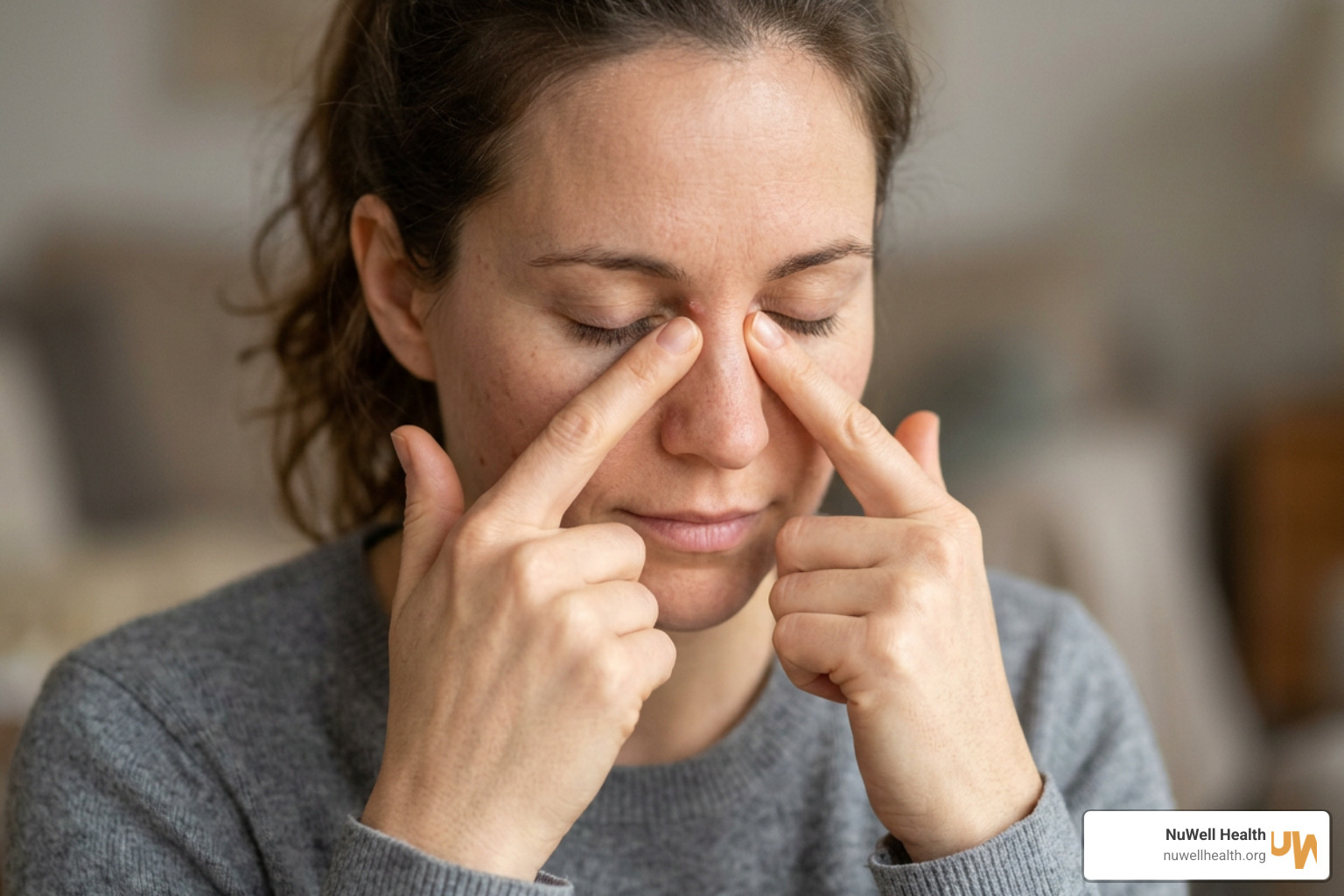
When pressure builds up, you can use your hands to physically encourage lymphatic and sinus drainage. Acupressure is a wonderful, drug-free way to find quick relief.
- The Bridge of the Nose: Place your index fingers on either side of the bridge of your nose, just below the inner eyebrows. Apply firm, steady pressure for 30 seconds while breathing deeply.
- The Cheekbones: Locate the dip directly beneath your pupil, right at the bottom edge of your cheekbone. Press gently upward and outward, or massage in slow, circular motions for 30 seconds to stimulate sinus flow.
- The Webbing of the Hand (LI4): Press and massage the fleshy webbing between your thumb and index finger. In acupressure, this point is highly regarded for clearing heat and relieving head and facial pain. Note: Avoid this point if you are pregnant.
Frequently Asked Questions About Allergy Headache Natural Remedy Options
When should I see a doctor for an allergy headache natural remedy?
While natural home remedies are highly effective for standard allergy headaches, you should consult a doctor or a board-certified allergist if:
- Your headaches occur more than twice a week or are progressively worsening.
- You experience severe pain (above a 7/10) that does not respond to home care.
- Your head pain is accompanied by a high fever, stiff neck, confusion, vision changes, or balance issues.
- You develop thick, foul-smelling green or yellow nasal discharge accompanied by facial pain, which may indicate a secondary bacterial sinus infection requiring medical treatment.
Are there safety concerns with using an allergy headache natural remedy like essential oils?
Yes. Natural does not mean completely free of risk.
- Essential Oils: Always dilute essential oils (like eucalyptus, peppermint, or frankincense) in a carrier oil (like jojoba or coconut oil) before applying them to your skin. Never ingest essential oils. Perform a patch test on your forearm and wait 24 hours to ensure you do not have an adverse reaction.
- Herbal Supplements: Herbs like butterbur must be certified “PA-free” to protect your liver. If you are taking prescription medications (especially blood thinners), consult your healthcare provider before starting ginger, feverfew, or high-dose quercetin, as they can interact with certain drugs.
How long does it take for natural sinus headache remedies to work?
It depends on the remedy. Physical interventions like saline nasal irrigation, steam inhalation, and acupressure can provide immediate comfort within 15 minutes. Herbal supplements like ginger and quercetin, however, act as systemic modulators; they build up in your system over time, with full preventive benefits typically appearing after 2 to 4 weeks of consistent daily use.
Conclusion
At NuWell Health, we believe that true wellness is not just about the absence of physical pain; it is about restoring harmony to the mind, body, and spirit. From a Christian perspective, we view our bodies as temples of the Holy Spirit, and taking care of our health is a beautiful act of stewardship and self-care.
When you choose an allergy headache natural remedy over a quick-fix pill, you are choosing to work with your body’s natural design rather than overriding it. You are addressing the root causes of your symptoms — whether that means cleansing your nasal passages, healing your gut, or identifying hidden food sensitivities.
If you are ready to stop managing symptoms and start addressing the underlying imbalances behind your seasonal allergies and head pain, we invite you to explore our dedicated resources on Allergies and Food Sensitivity. Together, we can find a clearer, more natural path forward to vibrant health.
This article was researched with AI and heavily edited by Jordan Oliver for accuracy and relevance.
Jordan is an author, ordained minister, and online host for His Glory TV, sharing biblically grounded insights on faith, prayer, and spiritual growth. She is the co-founder of Triple-Braided Cord Co., an intercessory prayer and healing ministry inspired by Ecclesiastes 4:12.
Jordan holds a Bachelor’s degree in Communications and Religious Studies from High Point University and is a certified Spiritual Life Coach through iCoachLife in Nashville, Tennessee. Drawing from her ministry, coaching, and academic experience, she creates trustworthy, faith-based content that helps readers grow in their relationship with God. Learn more about Jordan here.