

Living with IBS Doesn’t Have to Mean Just Coping
Self healing IBS strategies are practical, evidence-based approaches you can start today — without waiting for a prescription or a specialist referral.
Here are the most effective ones at a glance:
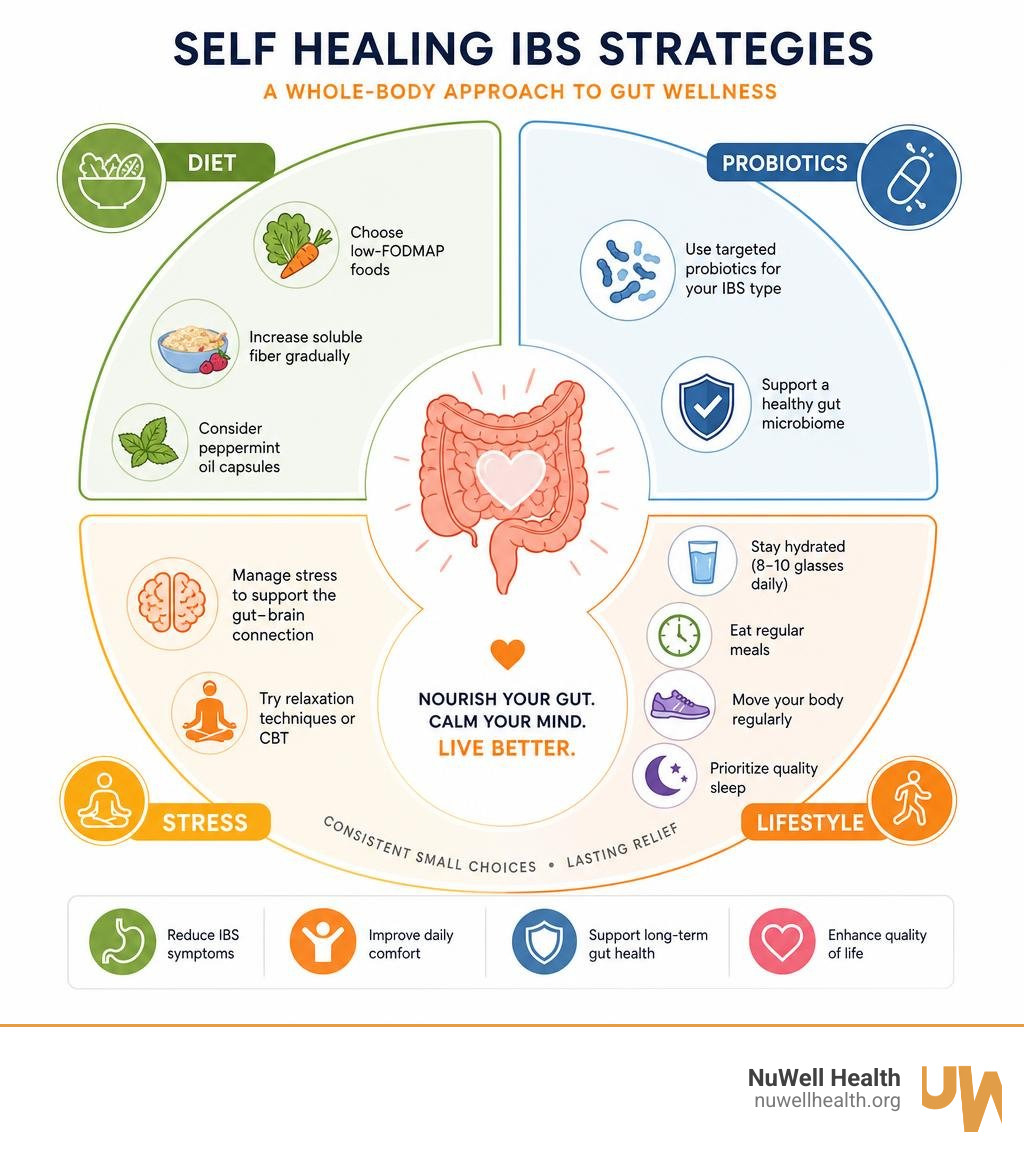
- Follow a low-FODMAP diet — eliminates fermentable carbs that trigger symptoms in 50–80% of patients
- Increase soluble fiber gradually — oats, psyllium, and linseeds support bowel regularity without irritating the gut
- Try peppermint oil capsules — 75% of users in clinical trials reported major symptom reduction vs. 38% on placebo
- Manage stress actively — the gut and brain are directly connected; chronic stress worsens IBS symptoms
- Use targeted probiotics — choose strains proven for your specific IBS subtype (IBS-C, IBS-D, or IBS-M)
- Stay hydrated — aim for 8–10 glasses of plain water daily to support motility and digestion
- Eat regular meals — skipping meals disrupts gut rhythm and can trigger flares
- Consider CBT or guided relaxation — cognitive behavioral therapy has strong clinical evidence for IBS relief
IBS is one of the most common digestive disorders in the world. In Canada alone, it affects an estimated 18% of the population — nearly double the global average of 11%. In the United States, more than 35 million people live with it daily.
And yet, most people with IBS are simply told to “manage stress and watch what you eat” — without a clear roadmap for what that actually looks like.
That’s a frustrating place to be. Especially when your symptoms are disrupting your work, your relationships, and your quality of life.
The good news? A growing body of research shows that targeted self-management strategies — covering diet, gut health, stress reduction, and lifestyle — can meaningfully reduce IBS symptoms and improve daily life. At NuWell Health, we have found that the most lasting relief comes not from masking symptoms, but from addressing the root causes behind them.
This guide walks you through what actually works.
Self healing IBS strategies glossary:
Understanding IBS: Symptoms, Subtypes, and the Path to Diagnosis
Before we can effectively implement self healing IBS strategies, we must understand what we are dealing with. Irritable Bowel Syndrome (IBS) is a functional gastrointestinal disorder. This means that while the structure of your gut looks completely normal on tests, the way it functions is out of sync.
At the heart of IBS is visceral hypersensitivity — a fancy term meaning the nerves in your gut are highly sensitive. Normal digestion processes, like gas moving through your intestines, are registered by your brain as pain or severe discomfort.
Because there is no single blood test or scan that can definitively diagnose IBS, gastroenterologists rely on the Rome IV criteria. To meet these clinical standards, you must experience recurrent abdominal pain at least one day per week on average for the last three months, associated with two or more of the following:
- Pain related to defecation (either improving or worsening after a bowel movement).
- A change in the frequency of your stool.
- A change in the appearance or form of your stool.
To help tailor your treatment, IBS is classified into four distinct subtypes based on your predominant stool consistency:
- IBS-C (Constipation-predominant): More than a quarter of your bowel movements are hard or lumpy, and less than a quarter are loose or watery.
- IBS-D (Diarrhea-predominant): More than a quarter of your stools are loose or watery, and less than a quarter are hard or lumpy.
- IBS-M (Mixed): You cycle between both extremes, with more than a quarter of stools being hard and more than a quarter being loose.
- IBS-U (Unclassified): You experience IBS pain, but your stool habits do not fit neatly into the other categories.
If you are trying to make sense of your symptoms, demystifying digestive issues is the first step toward reclaiming control. For a comprehensive medical overview of how physicians evaluate these criteria, you can check out Mayo Clinic’s guide to IBS diagnosis to prepare for your next doctor’s visit.
Evidence-Based Self Healing IBS Strategies for Daily Relief
Managing IBS does not require an all-or-nothing medical intervention. In fact, simple, daily modifications can yield profound results.
At NuWell Health, we emphasize starting with foundational dietary and lifestyle habits. These basic actions act as the “hardware upgrade” your digestive system needs to function smoothly.
First, let’s talk about fiber. It is a common misconception that anyone with bowel trouble should simply eat more fiber. In reality, insoluble fiber (found in wheat bran, raw vegetables, and whole grains) can act like a steel-wool scrub brush on an already irritated gut, worsening bloating and spasms. Instead, focus on soluble fiber. Soluble fiber dissolves in water to form a soothing gel that regulates transit time. Excellent sources include rolled oats, ground psyllium husk, and linseeds (flaxseeds). If you are introducing fiber, do it slowly — adding just 2 to 4 grams per day over several weeks — and always pair it with plenty of water.
Hydration is equally critical. Drinking 8 to 10 glasses of plain water daily keeps the colon hydrated, which is essential for softening stool in IBS-C and preventing dehydration in IBS-D. Avoid carbonated beverages, excessive caffeine, and alcohol, as they irritate the gut lining and trigger spasms.
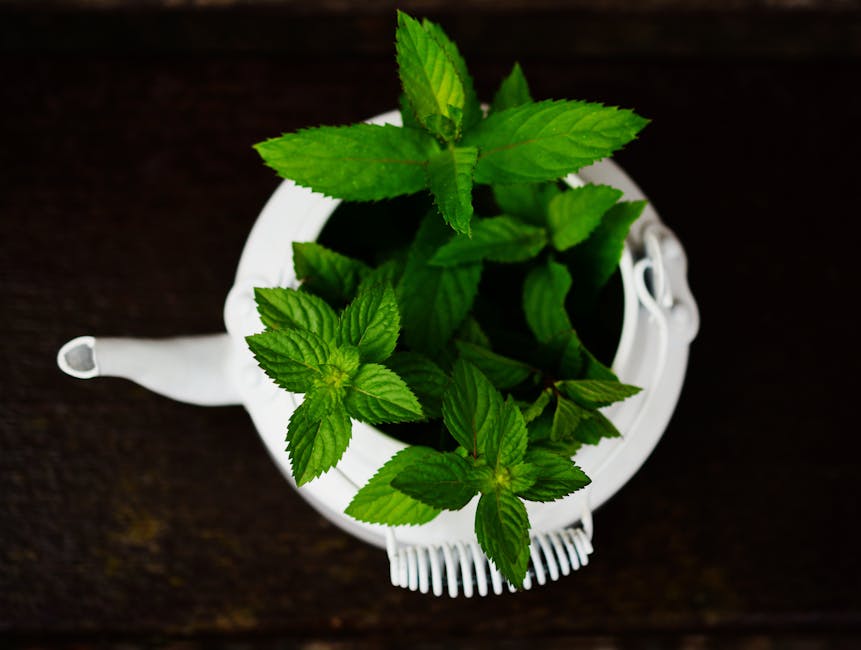
For immediate relief from abdominal pain and cramping, enteric-coated peppermint oil is one of our favorite clinical recommendations. Peppermint oil contains L-menthol, which acts as a natural calcium channel blocker, relaxing the smooth muscles of the intestinal wall. In clinical trials, 75% of patients who took enteric-coated peppermint oil capsules for four weeks reported a major reduction in their IBS symptoms, compared to only 38% of those taking a placebo.
To explore these foundational habits further, you can read the NHS diet and lifestyle recommendations for practical, daily tips on managing flares. Taking charge of your daily habits is the core of empowered root cause healing.
Implementing Low-FODMAP as Part of Self Healing IBS Strategies
If foundational diet changes are not enough, the low-FODMAP diet is the gold standard for identifying specific food triggers. FODMAPs (Fermentable Oligosaccharides, Disaccharides, Monosaccharides, and Polyols) are short-chain carbohydrates that are poorly absorbed in the small intestine. When they travel down to the colon, they draw in excess water and are rapidly fermented by resident gut bacteria, producing gas, bloating, and pain.
The low-FODMAP protocol is not a permanent way of eating. Rather, it is an investigative process divided into three distinct phases:
- The Elimination Phase (2–6 weeks): You strictly swap high-FODMAP foods (like garlic, onions, apples, wheat, and beans) for low-FODMAP alternatives (like unripe bananas, carrots, quinoa, and maple syrup).
- The Reintroduction Phase: Under the guidance of a dietitian, you systematically reintroduce one FODMAP group at a time (e.g., testing lactose with milk, or fructans with garlic) to see which specific sugars your body tolerates.
- The Personalization Phase: You return to a broad, diverse diet, eliminating only the specific FODMAPs that trigger your symptoms.
Research published in dietary modification for gut microbiome restoration highlights that while a low-FODMAP diet is highly effective at reducing symptoms in 50% to 80% of patients, staying on the elimination phase permanently can starve beneficial gut microbes. It is a temporary tool to identify triggers, not a lifelong restriction. For a deeper look at how to structure this diet safely, refer to our ultimate guide to lifestyle changes for IBS.
Stress Reduction and Mind-Body Self Healing IBS Strategies
Because of the gut-brain axis, your emotional state directly impacts your digestive motility and pain perception. When you are stressed, your body enters a sympathetic “fight-or-flight” state, diverting blood flow away from the gut, reducing digestive enzymes, and increasing visceral hypersensitivity. To heal the gut, we must calm the mind.
The vagus nerve is the primary highway of communication between your brain and your digestive tract. We can stimulate the vagus nerve and activate the parasympathetic “rest-and-digest” state through simple, daily practices:
- Diaphragmatic Breathing: Taking slow, deep belly breaths (inhaling for 4 seconds, holding for 4, and exhaling for 6) before meals signals to your nervous system that it is safe to digest.
- Christian Prayer and Meditation: At NuWell Health, we encourage quiet reflection on Scripture and prayer. Grounding your heart in faith and casting your anxieties upon God can dramatically lower systemic cortisol levels, relaxing both mind and muscle.
- Cognitive Behavioral Therapy (CBT) and Hypnosis: Clinical studies show that gut-directed hypnotherapy and CBT can reduce the severity of IBS flares by retraining the brain to process gut sensations without panic.
The clinical evidence supporting these mind-body approaches is robust. A comprehensive systematic review of self-management interventions confirms that psychological self-care strategies, including mindfulness, yoga, and stress management, lead to significant, long-term improvements in both symptom severity and overall quality of life. For more insights on how mental wellness translates to physical health, explore our resources on healing from within and mind root cause treatments.
Restoring the Gut Microbiome with Functional Foods and Probiotics
An unbalanced gut microbiome — known as dysbiosis — is a major driver of chronic IBS. When harmful or gas-producing microbes outnumber beneficial strains like Bifidobacterium, it can lead to low-grade mucosal inflammation, leaky gut, and altered transit times.
At NuWell Health, our clinical experience has shown that prioritizing human natural health solutions over agricultural or synthetic interventions yields the most sustainable recovery. Instead of relying on generic probiotic supplements, which can sometimes worsen bloating, we recommend incorporating evidence-based functional foods that naturally restore microbial balance:
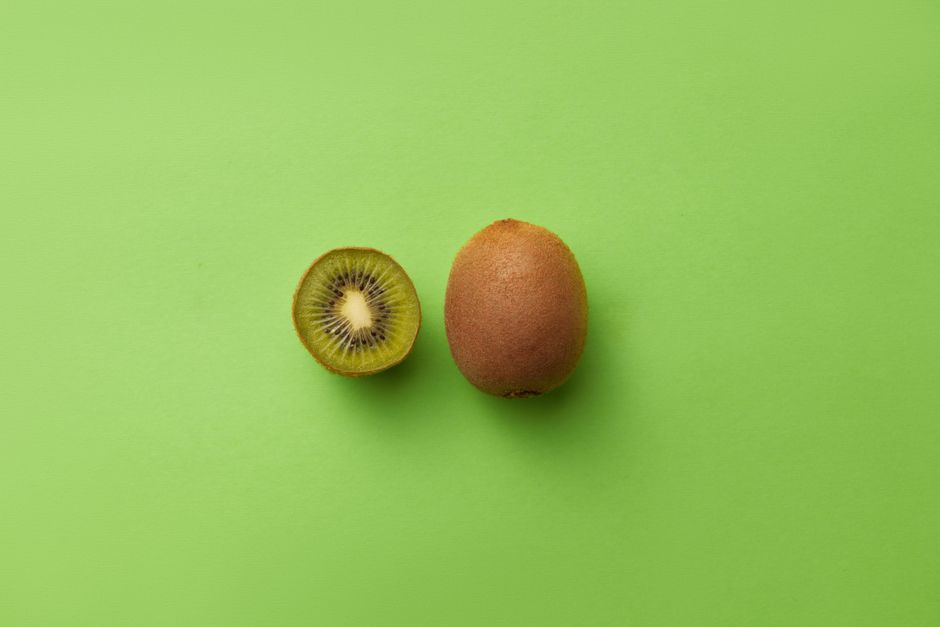
- Kiwifruit: Consuming two peeled kiwifruits daily has been shown to significantly improve stool frequency and consistency in IBS-C patients, thanks to its natural fiber and the actinidin enzyme.
- Prunes: Eating 12 prunes a day can naturally increase stool weight and frequency, acting as a gentle, whole-food laxative.
- Kombucha and Fermented Foods: Small, daily portions of fermented foods can introduce diverse, beneficial microbes to the gut, provided they do not trigger personal sensitivities.
If you choose to trial a probiotic supplement, select one with clinically trialed strains specifically indicated for your symptoms (such as Lactobacillus plantarum 299v for pain and bloating). Give any probiotic trial at least four weeks to show results.
To understand how dysbiosis occurs and why your gut might feel out of balance in the first place, read our article on why your body is ghosting you. For a detailed scientific evaluation of how natural compounds target gut inflammation, you can refer to the comprehensive review on functional foods and nutraceuticals in IBS.
The Role of Digital Health and eHealth Self-Management Programs
We live in an era where technology can be a powerful ally in our health journey. Digital therapeutics and eHealth self-management programs are transforming how we track, understand, and treat chronic conditions like IBS.
These programs typically deliver structured, weekly modules covering dietary education, stress management, and cognitive-behavioral coping strategies directly to your smartphone or computer. They allow you to keep precise, digital symptom diaries, making it easier to spot patterns that you might otherwise miss.
The clinical efficacy of these digital tools is highly encouraging. An open-label randomized controlled trial published in Scientific Reports evaluated the efficacy of an eHealth self-management program. The study revealed that participants using the digital program experienced a significant reduction in their IBS Symptom Severity Score (IBS-SSS), with a net change of -50.1 points compared to the treatment-as-usual group. Furthermore, the program reduced the proportion of participants experiencing moderate-to-severe symptoms from 67% down to just 24% by the end of the 8-week intervention.
To help you decide which path is right for you, here is a comparison of digital self-management versus traditional, in-person clinical care:
| Feature | Digital eHealth Programs | Traditional Clinical Care |
|---|---|---|
| Accessibility | 24/7 access from home via smartphone or computer | Scheduled appointments, potential travel/wait times |
| Symptom Tracking | Real-time, digital logging with automated pattern analysis | Paper diaries or memory-based reporting during visits |
| Cost | Typically lower cost; often a single app subscription | Consultation fees, co-pays, and potential travel expenses |
| Personalization | Algorithm-driven based on your inputs | Highly personalized, face-to-face clinical assessments |
| Best Used For | Daily habit building, education, and mild-to-moderate symptoms | Complex cases, diagnostic testing, and medication management |
Integrating digital tracking tools can be a fantastic way to stay accountable as you learn how to build a preventive health plan that fits seamlessly into your busy lifestyle.
Frequently Asked Questions About IBS Self-Management
When should I seek professional medical help instead of relying on self-management?
While self healing IBS strategies are incredibly powerful, they are not a substitute for professional medical care when “red flag” symptoms are present. You should consult a gastroenterologist or primary care physician immediately if you experience:
- Unintended, rapid weight loss.
- Rectal bleeding or blood in your stool (which can indicate inflammatory bowel disease or other conditions).
- Persistent fever or nighttime diarrhea that wakes you from sleep.
- Iron-deficiency anemia.
- Symptoms that begin after the age of 50.
If you have ruled out these red flags, a structured self-help approach is highly safe and effective. For example, a landmark study in the UK using A self-help guide for people with IBS found that patients who used the guide had 60% fewer visits to primary care and 40% lower annual healthcare costs after one year, alongside significantly less severe symptoms.
How long does it take to see results from natural gut healing?
Healing is rarely a straight line. Many people expect to feel 100% better within a few days of changing their diet, but real, structural gut healing takes time. While some strategies — like taking peppermint oil or practicing diaphragmatic breathing — can provide immediate relief from acute cramping, restoring the microbiome and repairing the gut lining typically takes 30 to 90 days. You may experience good weeks and occasional flares as your system recalibrates. Focus on long-term trends rather than daily fluctuations, and explore the best natural strategies for long-term wellness to keep your expectations grounded.
Can lifestyle medicine prevent future IBS flare-ups?
Absolutely. Lifestyle medicine is not just about reacting to a flare-up; it is about upgrading your body’s “hardware” so that flare-ups happen less frequently and with less intensity. By establishing consistent sleep schedules, engaging in moderate physical activity (which stimulates natural intestinal contractions), and practicing daily stress-resilience habits, you build a robust digestive system. To learn how to transition from symptom management to true prevention, read our beginner’s guide to lifestyle medicine and discover how to upgrade your health hardware for lasting vitality.
Conclusion
Living with IBS can feel overwhelming, but you do not have to be a passive bystander to your digestive discomfort. By implementing evidence-based self healing IBS strategies — from dietary adjustments like soluble fiber and the low-FODMAP protocol to mind-body tools and targeted functional foods — you can actively restore balance to your gut.
At NuWell Health, we have found that true, lasting wellness is achieved when we treat the whole person — mind, body, and spirit. By addressing the root causes of your symptoms and empowering yourself with daily self-care, you can reclaim your comfort, your energy, and your life.
Ready to take the next step on your digestive journey? Let us help you take control of your digestive issues and build a personalized path to vibrant health today.
This article was researched with AI and heavily edited by Jordan Oliver for accuracy and relevance.
Jordan is an author, ordained minister, and online host for His Glory TV, sharing biblically grounded insights on faith, prayer, and spiritual growth. She is the co-founder of Triple-Braided Cord Co., an intercessory prayer and healing ministry inspired by Ecclesiastes 4:12.
Jordan holds a Bachelor’s degree in Communications and Religious Studies from High Point University and is a certified Spiritual Life Coach through iCoachLife in Nashville, Tennessee. Drawing from her ministry, coaching, and academic experience, she creates trustworthy, faith-based content that helps readers grow in their relationship with God. Learn more about Jordan here.