

Why Hormone Balance Is the Foundation of Your Health
Hormone balance affects nearly every function in your body — from your mood and energy to your weight, sleep, and fertility. If something feels “off” but you can’t quite explain it, your hormones may be at the root of it.
Here is a quick overview of what you need to know:
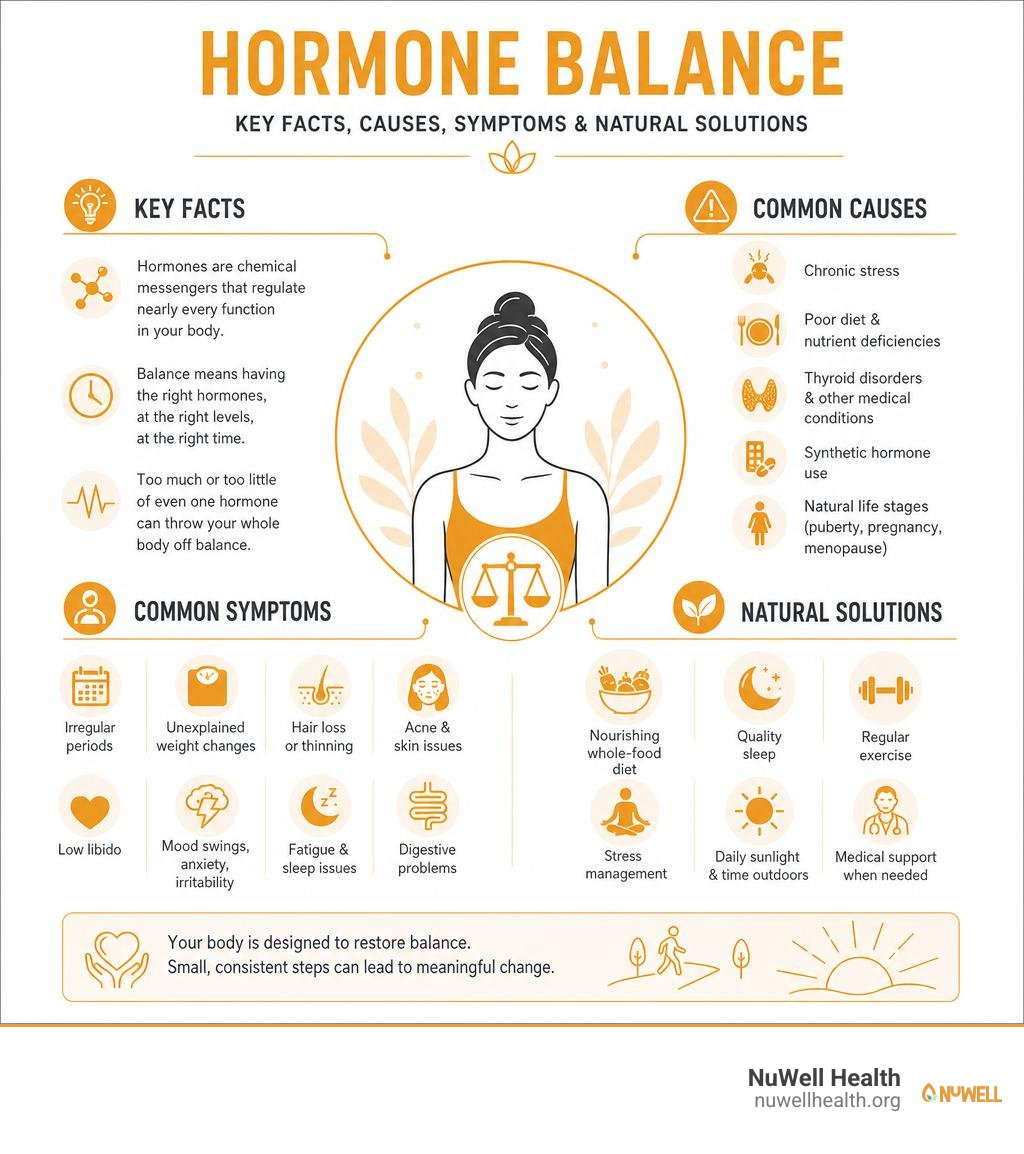
- What it is: Hormone balance means your body is producing the right hormones, at the right levels, at the right time.
- When it goes wrong: Too much or too little of even one hormone can disrupt sleep, mood, metabolism, skin, and reproduction.
- Common causes: Natural life stages (puberty, pregnancy, menopause), chronic stress, poor diet, thyroid disorders, and synthetic hormone use.
- Key warning signs: Irregular periods, unexplained weight changes, hair loss, acne, low libido, mood swings, and digestive issues.
- What helps: Diet, sleep, exercise, stress management, and — where appropriate — medical support.
Your body relies on more than 50 different hormones to keep its systems running smoothly. Think of them as a communication network — chemical messengers that travel through your bloodstream and tell your organs what to do. When even one signal gets disrupted, the whole network feels it.
At NuWell Health, we have found that many people spend years managing individual symptoms — anxiety, fatigue, weight gain, skin flare-ups — without ever connecting them to a single underlying cause: a hormonal system that is out of balance.
The good news is that your body is designed to restore balance. With the right information and support, meaningful change is possible.
What Is a Hormonal Imbalance and What Causes It?
To understand hormone balance, it helps to imagine your endocrine system as a symphony orchestra. When every instrument plays in tune and at the right volume, the result is beautiful music. But if the brass section plays too loud or the violins skip a beat, the entire composition sounds chaotic.
A hormonal imbalance happens whenever there is too much or too little of a specific hormone circulating in your bloodstream. Because these chemical messengers regulate everything from cellular tissue repair to hunger signals, even tiny fluctuations can trigger widespread biological disruptions. You can review a complete Hormonal Imbalance Overview to see how deep these cellular signals go.
What causes this delicate biological signaling to get off track? At NuWell Health, we have found that root causes generally fall into three distinct categories:
- Natural Biological Transitions: Life milestones like puberty, pregnancy, postpartum recovery, and menopause cause intentional, natural shifts in endocrine production.
- Underlying Endocrine Disorders: Conditions like Polyendocrine Metabolic Ovarian Syndrome (PMOS, historically known as PCOS), hypothyroidism, Hashimoto’s thyroiditis, diabetes, Cushing’s syndrome, and Addison’s disease directly compromise hormone synthesis.
- External and Environmental Stressors: Chronic physical or psychological stress, nutritional deficiencies, exposure to xenohormones (environmental toxins), and synthetic medications disrupt hormone production and receptor sensitivity.
Understanding the Chemistry of Hormone Balance
Your body relies on over 50 individual hormones, each carrying unique chemical structures tailored to specific tasks. These messengers generally fall into two structural families: peptide hormones (made from amino acids, such as insulin, human growth hormone, and thyroid-stimulating hormone) and steroid hormones (synthesized from cholesterol, such as estrogen, progesterone, testosterone, and cortisol).
Primary glands control this complex chemical dynamic:
- The Pituitary Axis: Located in the brain, the hypothalamic-pituitary axis acts as the master conductor, reading real-time feedback from the body and directing downstream glands.
- The Thyroid Gland: Controls your base metabolic rate, body temperature, and physical energy conversion.
- The Adrenal Glands: Sit atop your kidneys and manage your stress response, electrolyte concentration, and cortisol output.
- The Ovaries and Testes: Produce primary sex steroid hormones that dictate reproductive health, bone density, muscle tone, and brain function.
To see how these chemical messengers flow through your body, check out the pathway below:
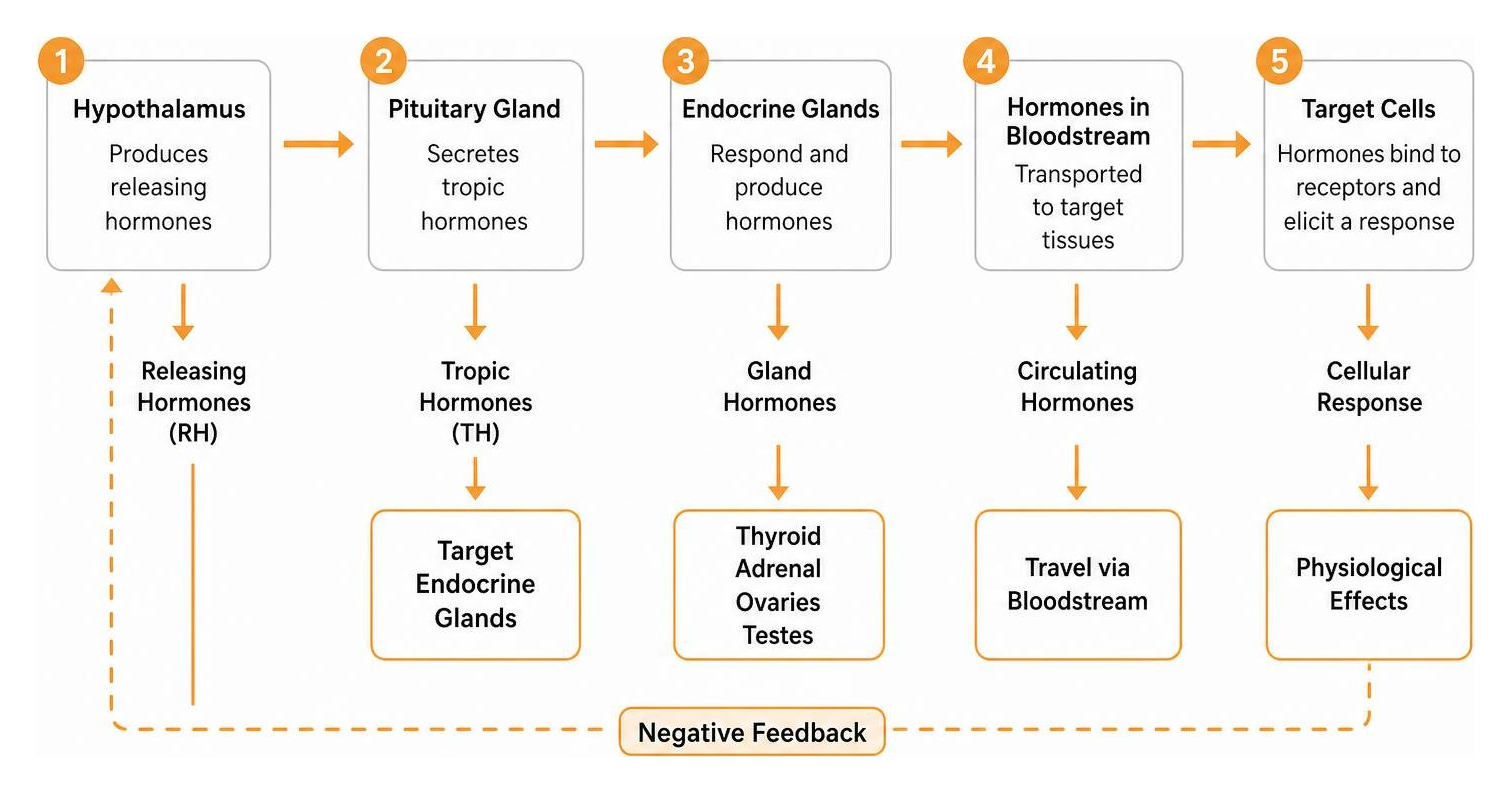
When one node in this axis experiences excessive strain — such as the adrenals pumping out excess cortisol during periods of intense work stress — the biological communication loop breaks down. Learn more about hormone imbalance to discover how these subtle chemical interactions shape your daily energy and health.
Diagnostic Clinical Approaches and Lab Testing
Finding out whether your symptoms stem from a hormonal imbalance requires going deeper than surface-level symptom matching. While home testing kits have grown in popularity, a thorough clinical evaluation by a knowledgeable healthcare provider offers a far clearer picture of your health.
Comprehensive diagnostic testing usually combines multiple methods:
- Blood Serum Testing: The clinical benchmark for evaluating total and free hormone levels, including thyroid panels (TSH, Free T3, Free T4, Reverse T3, thyroid antibodies), fasting insulin, prolactin, and morning cortisol.
- Saliva and Urine Panels: Salivary panels measure bioactive, unbound steroid hormones across a 24-hour cycle, making them useful for tracking cortisol rhythms. Comprehensive urinary metabolite testing evaluates how your liver metabolizes estrogen and progesterone.
- Pelvic Ultrasounds: High-resolution ultrasound imaging allows clinicians to inspect ovarian structure, calculate Antral Follicle Count (AFC), measure endometrial thickness, and check for cysts or fibroids.
At NuWell Health, we believe accurate diagnosis is about uncovering the root cause — asking why a gland is sluggish or hyperactive — rather than simply writing a prescription to suppress symptoms.
The 7 Key Signs of Hormonal Imbalance

Because hormones act on receptors throughout your head, heart, gut, and skin, an imbalance rarely stays isolated in a single area. In our clinical experience at NuWell Health, recognizing these systemic warning signs early allows us to implement human natural health solutions that address the root cause of endocrine disruption.
Menstrual Changes and Reproduction Issues
For people assigned female at birth (AFAB), the menstrual cycle acts as a “fifth vital sign.” Irregularities in your cycle often offer the clearest early warning sign that something is amiss internally:
- Irregular or Absent Cycles: Missed cycles, unpredictably short or long cycles, or severe changes in flow duration point directly to disrupted ovulatory signaling.
- Severe Menstrual Cramping and Heavy Bleeding: Excessive estrogen relative to progesterone can cause heavy, painful bleeding and thick endometrial growth.
- Declining Ovarian Reserve Biomarkers: Biological shifts can lower markers like Anti-Müellerian Hormone (AMH) and Antral Follicle Count, affecting overall reproductive health and fertility timing.
Skin, Hair, and Weight Disruptions
Your skin receptors, hair follicles, and metabolic cells respond quickly to hormone shifts:
- Hormonal Acne and Skin Changes: Fluctuating progesterone during pregnancy or luteal phases can cause persistent acne along the jawline, chest, and back.
- Hair Thinning and Hirsutism: Elevated androgen levels can cause coarse, unwanted facial hair growth (hirsutism) alongside hair thinning at the crown of the head.
- Unexplained Weight Fluctuations: Insulin resistance and thyroid dysfunction can make weight management frustratingly difficult, causing unexplained weight gain despite consistent diet and exercise routines. Explore a holistic weight reduction plan to learn how balancing metabolism supports sustainable body composition.
Mood, Sleep, and Digestive Distress
- Sleep Disruption, Mood Swings, and Gut Distress: Estrogen directly influences brain serotonin levels. When estrogen drops, serotonin drops with it, causing sudden mood swings, anxiety, night sweats, and slowed gut motility that leads to bloating or Irritable Bowel Syndrome (IBS).
You don’t have to navigate emotional volatility or sleep loss alone. Explore our comprehensive guide to natural health for mental health and learn practical techniques to stop mood swings naturally by aligning your biological rhythms.
Risks of Hormonal Contraception: Cardiovascular, Cancer, and Mental Health

Synthetic hormone preparations — particularly combined oral contraceptive pills, patches, and vaginal rings — are frequently prescribed to manage symptom flare-ups like acne, irregular bleeding, or cramps. While they provide effective contraception, synthetic progestins and ethinylestradiol function by suppressing your body’s natural ovulatory cycle and replacing your endogenous biological rhythm with a synthetic baseline.
Over 1.04 million women annually experience health issues linked to synthetic hormone contraceptive use, incurring an estimated societal and medical cost exceeding $16 billion each year. In fact, total discontinuation rates for hormonal contraceptives reach 59%, with 61% of those women citing negative side effects on physical health and emotional mood as their primary reason for stopping.
Cardiovascular and Cancer Risks
Synthetic estrogens stimulate liver production of clotting factors, which increases cardiovascular risks. For example, levonorgestrel-containing combined pills raise the risk of venous thromboembolism (VTE) 3.6-fold compared to non-users, while third-generation desogestrel-containing formulations increase VTE risk up to 7.3-fold (and up to 9.1-fold in high-risk categories).
Long-term exposure to synthetic steroids also alters tissue growth in hormone-sensitive organs like the breasts, cervix, and uterus:
| Health Risk / Outcome Domain | Non-User Baseline | Hormonal Contraceptive User Impact | Key Clinical Finding |
|---|---|---|---|
| Breast Cancer Relative Risk | 1.00 (Standard) | 1.20 (Overall User Risk) 1.46 (10+ Years of Use) |
Risk remains elevated for up to 10 years after stopping synthetic use. |
| Cervical Cancer Relative Risk | 1.00 (Standard) | 1.10 (<5 Years) 1.60 (5–10 Years) 2.20 (>10 Years) |
Synthetic hormones alter cervical mucus structure and accelerate tissue aging. |
| Venous Thromboembolism (VTE) | 1.00 (Standard) | 3.6x (Levonorgestrel) 7.3x (Desogestrel) |
Elevated hepatic synthesis of clotting factors raises clot potential. |
| Anti-Müllerian Hormone (AMH) | Normal Reserve | 31.1% to 35.6% Decrease | AMH and ovarian volume decrease significantly during synthetic pill use. |
Impact on Mental Health and Emotional Well-Being
Synthetic hormones readily cross the blood-brain barrier. Brain imaging studies reveal that synthetic progestins can alter gray matter volume in regions responsible for emotional regulation, such as the amygdala and hippocampus.
This neurological effect shows up clearly in large-scale health data:
- Users of synthetic combined contraceptives show a 1.1 to 1.3 relative risk of requiring psychotropic prescriptions (such as antidepressants and anxiolytics).
- Adolescent users aged 15 to 19 face a relative risk of 2.06 (95% CI: 1.92–2.21) for suicide attempts, with risk doubling after just 1 month of starting synthetic birth control.
- A Korean national study verified a 23% higher risk of suicidal behavior (RR 1.23, 95% CI: 1.1–1.37) among synthetic contraceptive users.
Understanding these risks is essential so individuals can make fully informed healthcare choices regarding their body and long-term health.
Holistic and Natural Approaches to Restore Hormone Balance
Restoring healthy hormone balance is rarely about finding a single magic pill. In our clinical practice at NuWell Health, we have found that prioritizing human natural health solutions over artificial or quick-fix interventions allows the body’s self-healing mechanisms to flourish through consistent, daily lifestyle choices.
Dietary Interventions and Gut Health for Hormone Balance
Nutrition forms the raw chemical building blocks for every single messenger your body creates:
- Consume Adequate Protein: Aim for 25 to 30 grams of protein per meal. Amino acids provide the building blocks for peptide hormones and stimulate satiety signals that lower ghrelin (your hunger hormone).
- Incorporate Healthy Fats: Steroid hormones are synthesized directly from cholesterol. Include coconut MCT oil, avocados, extra virgin olive oil, nuts, and wild-caught fatty fish to support healthy hormone synthesis.
- Support Your Gut Microbiome: Your gut contains over 100 trillion bacteria that regulate estrogen metabolism (the estrobolome). Eating a high-fiber, Mediterranean-style diet lowers excess circulating estrogen and improves insulin sensitivity.
Stabilizing daily blood sugar stops the dramatic insulin spikes that trigger excessive androgen production. Learn more about sweet success natural blood sugar control and explore practical lifestyle changes for digestive health to heal your microbiome from the inside out.
Stress Reduction, Sleep, and Physical Activity
Your daily schedule plays a massive role in maintaining endocrine balance:
- Manage Cortisol: Chronic stress keeps your adrenals in high gear, stealing raw progesterone to create stress hormones (a process known as the “progesterone steal”). Spending just 5 minutes a day practicing deep breathing or quiet prayer can help lower elevated cortisol.
- Prioritize Sleep Hygiene: Deep, uninterrupted sleep is essential for human growth hormone (HGH) release and cellular repair. Aim for at least 7 hours of sleep every night in a dark, cool bedroom.
- Move Your Body Daily: Regular physical activity increases cell receptor sensitivity to insulin, helping clear glucose from your bloodstream even without weight loss. A simple daily 30-minute walk provides powerful metabolic benefits.
Conventional Medical Treatments vs. Root-Cause Healing
When managing endocrine disorders, conventional medicine often relies on synthetic Hormone Replacement Therapy (HRT), oral contraceptive suppression, or anti-androgen medications. While these treatments can offer short-term symptom relief, they rarely address the underlying health drivers causing the dysfunction.
At NuWell Health, our care model centers on whole-person healing. By honoring the connection between mind, body, and spirit from a Christian health perspective, we seek to identify and resolve root causes:
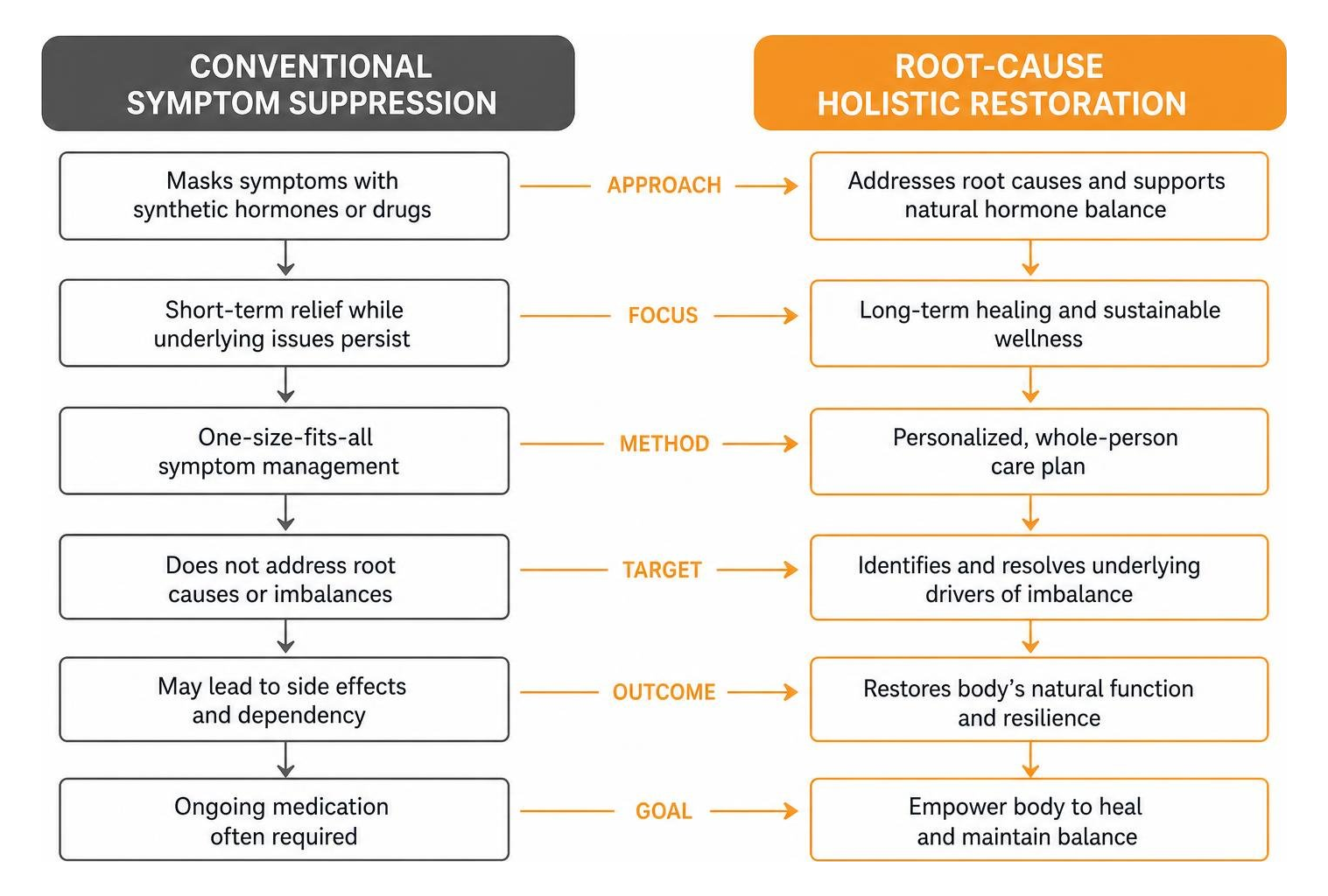
Instead of relying on synthetic hormones to force symptom compliance, we focus on lifestyle changes, targeted botanical support, stress relief, and nutritional therapies that empower your body to heal naturally. Read more about our roots over remedies approach and discover why discovering why your body is ghosting you and how to address the root causes opens the door to lasting vitality.
Frequently Asked Questions About Hormone Balance
What are the main causes of hormonal imbalances in women?
The most common causes include natural biological transitions (such as pregnancy, postpartum, perimenopause, and menopause), high chronic stress levels that alter cortisol production, poor dietary habits, thyroid conditions (like hypothyroidism), and endocrine conditions such as Polyendocrine Metabolic Ovarian Syndrome (PMOS/PCOS). Environmental toxins and synthetic hormonal medications also disrupt natural signaling.
How long does it take to balance hormones naturally?
Because tissue repair, egg maturation, and cellular turnover take time, most people begin noticing positive improvements within 3 to 6 months of consistent lifestyle changes. Restoring deep metabolic pathways, repair of the gut microbiome, and full menstrual cycle regulation often require 6 to 12 months of dedicated care.
Can hormonal birth control cause long-term hormonal changes?
Yes. Synthetic contraceptives suppress the hypothalamic-pituitary-ovarian axis and alter baseline hormone production. Research shows that combined synthetic birth control can temporarily reduce ovarian reserve markers like AMH by over 30% and shrink ovarian volume by up to 57%. While many women regain normal ovulatory cycles after stopping, others experience prolonged post-pill amenorrhea and require dedicated root-cause support to reboot their natural cycle.
Conclusion
Achieving sustained hormone balance is not about chasing temporary trends or suppressing symptoms with quick fixes. It is about honoring the intricate, God-given biological systems inside your body and providing the exact environment, nutrients, and rest your cells need to thrive.
When you restore harmony to your endocrine system, you regain far more than balanced lab numbers — you regain vibrant morning energy, clear skin, restful sleep, stable moods, and peace of mind.
At NuWell Health, we are dedicated to guiding you along this journey with compassionate, preventive, root-cause health solutions. Take the next step toward lifelong vitality today by exploring The Ultimate Guide to Balancing Hormones Naturally and reclaiming your health from the inside out.
This article was researched with AI and heavily edited by Jordan Oliver for accuracy and relevance.
Jordan is an author, ordained minister, and online host for His Glory TV, sharing biblically grounded insights on faith, prayer, and spiritual growth. She is the co-founder of Triple-Braided Cord Co., an intercessory prayer and healing ministry inspired by Ecclesiastes 4:12.
Jordan holds a Bachelor’s degree in Communications and Religious Studies from High Point University and is a certified Spiritual Life Coach through iCoachLife in Nashville, Tennessee. Drawing from her ministry, coaching, and academic experience, she creates trustworthy, faith-based content that helps readers grow in their relationship with God. Learn more about Jordan here.