

What a Natural Candida Overgrowth Treatment Can and Cannot Do
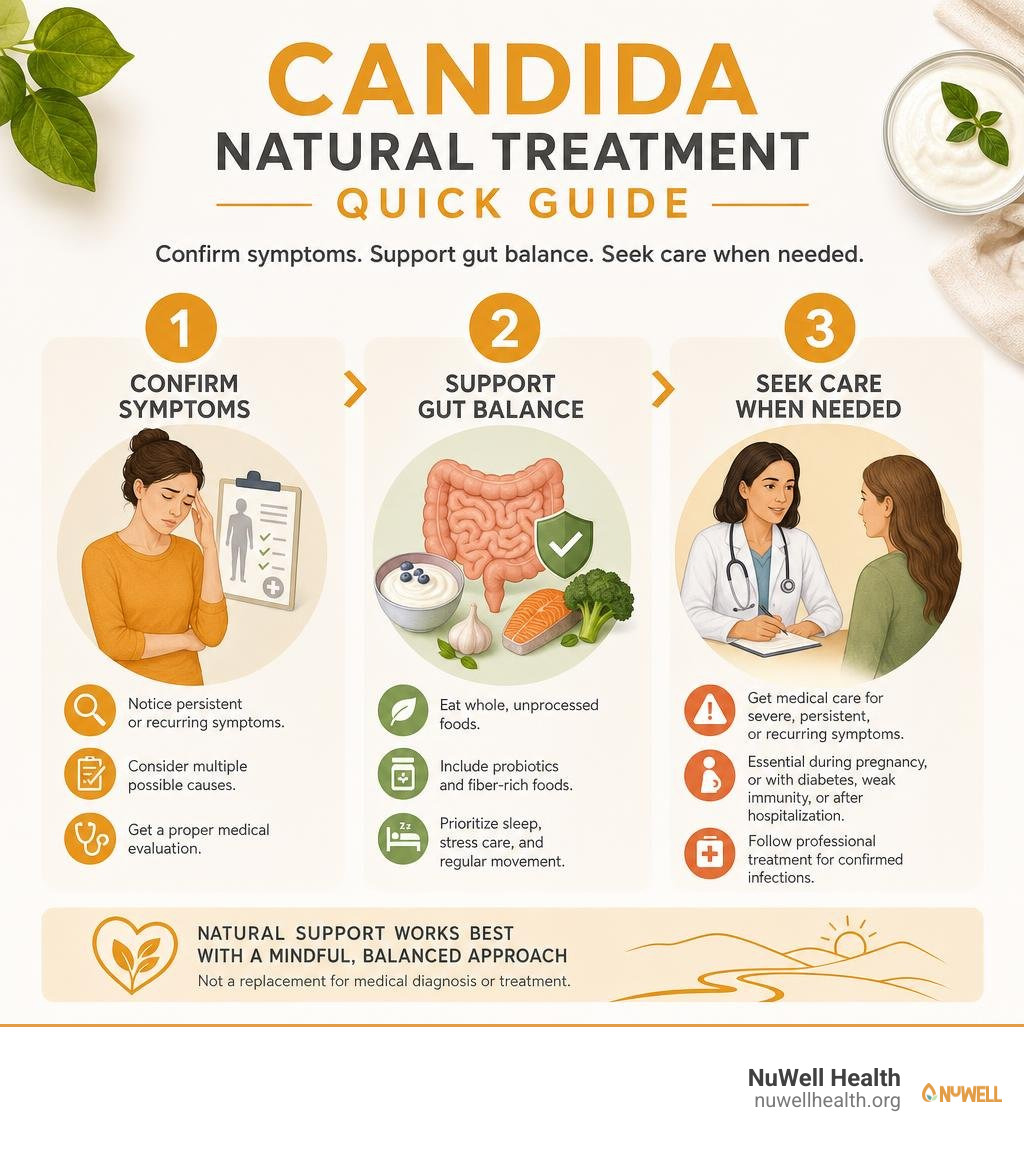
A candida overgrowth natural treatment can support healthy gut balance through whole-food eating, probiotics, sleep, stress care, and carefully chosen plant-based products – but it should not replace medical diagnosis or prescribed antifungal treatment for a confirmed infection.
- Candida is a normal yeast that commonly lives in the mouth, digestive tract, skin, and vagina without causing problems.
- An imbalance can cause infection in certain areas, such as oral thrush or vaginal yeast infections. Symptoms like fatigue, bloating, and brain fog are less specific and may have many possible causes.
- Natural approaches may help support recovery, especially by improving diet quality and the gut microbiome. Evidence for most herbs, oils, and restrictive “cleanse” diets in people remains limited.
- Persistent, severe, or recurring symptoms need medical care. This is especially important during pregnancy or for people with diabetes, weakened immunity, or recent hospitalization.
At NuWell Health, we have found that lasting progress usually starts with looking beyond a quick fix. That means asking whether diet, recent antibiotic use, stress, sleep, medications, blood-sugar control, or another health condition may be affecting the body’s normal microbial balance.
Candida can be present without being the cause of every hard-to-explain symptom. A practical, evidence-aware approach helps you support your health naturally while avoiding extreme diets, unsafe supplements, and delayed care when an infection needs treatment.
Common candida overgrowth natural treatment vocab:
Understanding Candida Overgrowth Symptoms and Root Causes
To understand how to keep yeast in check, it helps to realize that Candida albicans is not an alien invader. It is a natural micro-organism inhabiting human mucosal surfaces. In fact, research indicates that about 50% of adults harbor Candida yeasts naturally in their oral cavities, and roughly 20% of females carry Candida within the vaginal tract without experiencing any negative health effects.
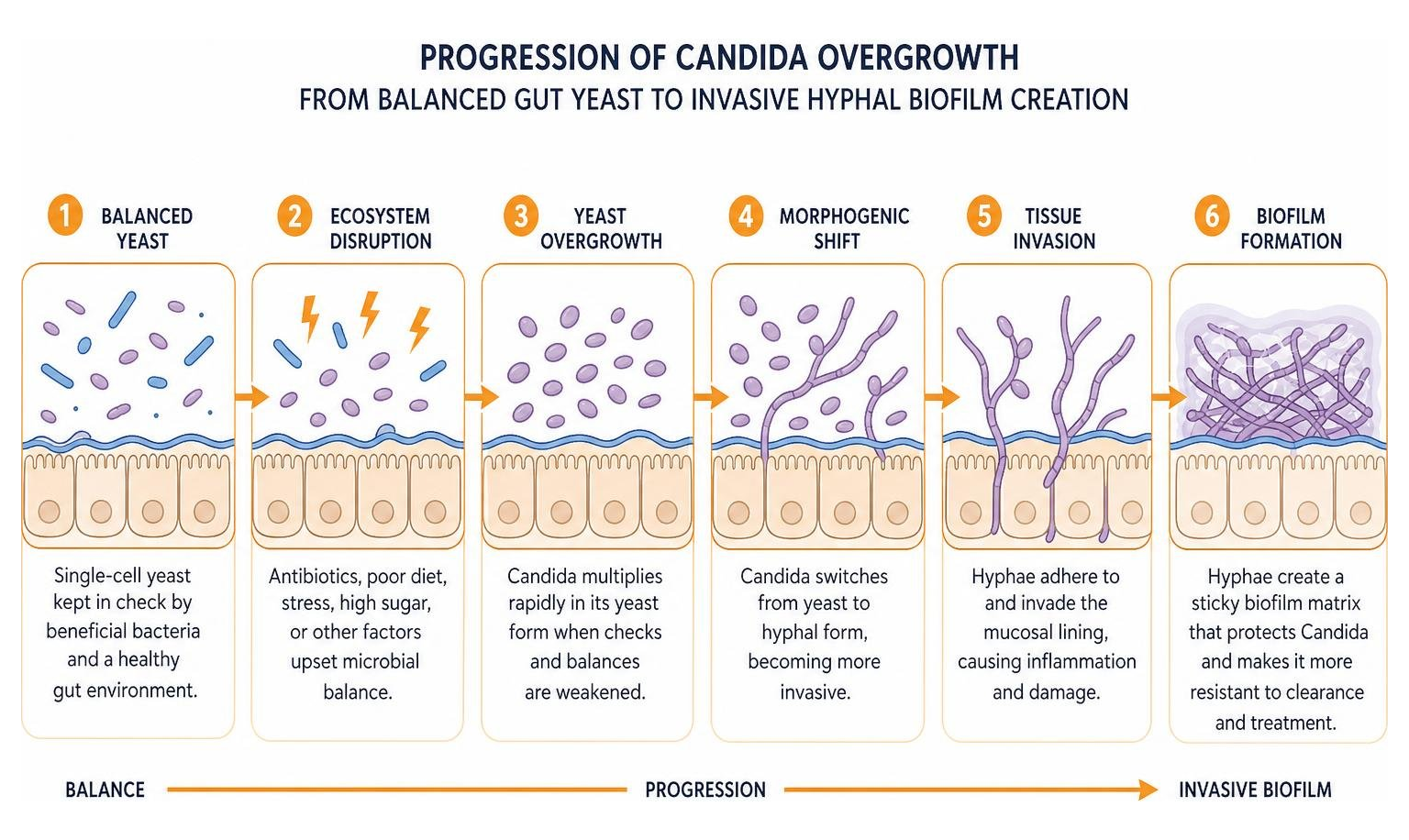
In a healthy system, beneficial gut bacteria, digestive enzymes, and a robust immune response keep Candida in a peaceful, single-celled yeast form. However, when the surrounding ecosystem gets disrupted, Candida can undergo a morphogenetic switch. It transforms from a harmless yeast into invasive hyphal threads that anchor into mucosal tissues, potentially building sticky protective matrix structures known as biofilms. In clinical settings, catheter-associated Candida biofilms represent up to 90% of hospital-acquired candidal infections, demonstrating just how resilient this organism becomes once a biofilm forms.
Identifying Physical and Digestive Symptoms
When Candida multiplies excessively, symptoms vary depending on where the yeast settles. Common localized infections include oral thrush (white patches in the mouth and on the tongue), skin fold fungal rashes, and recurring genital yeast infections—which account for an estimated 1.4 million physician visits each year in the United States alone.
When systemic or intestinal dysbiosis occurs, symptoms become significantly more diffuse and harder to pinpoint:
- Digestive Distress: Persistent bloating, excessive gas, abdominal cramping, and alternating loose stools or constipation.
- Brain Fog and Chronic Fatigue: General sluggishness, difficulty concentrating, and uncharacteristic physical exhaustion. Fatigue can sometimes stem indirectly from compromised nutrient absorption, including B-complex vitamins, essential fatty acids, and key minerals like magnesium.
- Joint and Skin Irritations: Unexplained joint stiffness, recurring skin eruptions, nail fungus, or heightened sensitivities.
- Food and Environmental Reactivities: Elevated systemic inflammation can impair mucosal integrity, making the digestive lining overly sensitive. If you suspect gut barrier disruptions or food intolerances are amplifying your digestive distress, review our guide on Food Allergies and Intolerances: The Ultimate Guide to Gut Reactions.
Root Causes Behind Fungal Imbalance
Candida does not multiply without an underlying invitation. At NuWell Health, we have found that true recovery requires addressing the conditions that allowed dysbiosis to occur in the first place. You can read more about identifying these symptoms and conventional options in health references discussing how to identify Candida overgrowth, diet tips, and medications.
Primary triggers behind Candida overgrowth include:
- Broad-Spectrum Antibiotics: While antibiotics kill harmful pathogens, they also eliminate beneficial gut flora like Lactobacillus species, clearing space for yeast to flourish.
- High-Sugar and Refined Carbohydrate Diets: Simple sugars provide rapid biological fuel for fungal growth and hyphal transformation.
- Corticosteroids and Immunosuppressants: Medications that dampen immune surveillance compromise the body’s natural mucosal defenses.
- Elevated Blood Glucose: Uncontrolled diabetes or metabolic dysfunction elevates glucose levels in bodily secretions, feeding fungal colonies.
- Chronic Psychological Stress: Prolonged stress drives up cortisol, which alters gut barrier permeability, reduces salivary IgA antibodies, and shifts microbial composition.
Evidence-Based Candida Overgrowth Natural Treatment Options

When exploring a candida overgrowth natural treatment plan, it is vital to balance traditional botanical knowledge with modern science. Many plant compounds demonstrate impressive antifungal mechanisms in laboratory settings, such as disrupting fungal cell walls, inhibiting germ tube formation, or breaking down protective biofilms.
While laboratory studies establish mechanisms of action, clinical effectiveness in humans depends on proper dosing, gut delivery, and targeted protocols. At NuWell Health, we have found that combining gentle botanical antifungals with targeted gut support yields the most balanced, lasting results without irritating delicate mucosal linings. For a deeper academic review on functional approaches to yeast sensitivity, consult clinical literature on natural treatments for candida hypersensitivity syndrome.
Botanicals and Dietary Supplements in Candida Overgrowth Natural Treatment Protocols
Targeted botanical compounds exert direct antifungal pressure while supporting host defenses:
- Garlic (Allicin and Ajoene): Freshly crushed garlic releases allicin and ajoene, organosulfur compounds that damage Candida cell structures and block hyphal transformation. Remarkably, allicin selectively targets Candida because fungal cells lack glutathione, an antioxidant abundant in human host cells that protects human tissue from allicin’s destructive power.
- Caprylic Acid and Monolaurin: Caprylic acid (a medium-chain fatty acid found in coconut oil) and monolaurin (derived from lauric acid) penetrate fungal cell membranes, causing them to break down.
- Berberine: Found in plants like goldenseal and barberry, berberine alters fungal cell wall integrity and interferes with yeast energy production.
- Curcumin and Aloe Vera: Curcumin lowers mucosal inflammation caused by fungal activity, while aloe vera soothes irritated gut linings.
Before introducing intense antimicrobial supplements, identifying underlying food sensitivities ensures you aren’t continually irritating the gut mucosal layer. Learn how targeted assessment can clarify your digestive picture in our practical resource on Everything You Need to Know About Testing Your Gut for Food Sensitivities.
Essential Oils and Plant Extracts for Fungal Control
Essential oils contain volatile aromatic extracts with notable antifungal properties:
- Oregano Oil (Carvacrol and Thymol): Carvacrol and thymol increase fungal cell wall permeability, leaking internal cell components and disrupting yeast survival.
- Tea Tree Oil: Widely tested for topical and mucosal applications, tea tree oil breaks down fungal cell membranes and suppresses germ tube development.
- Cinnamon and Cloves (Eugenol): Eugenol found in clove and cinnamon essential oils inhibits fungal enzyme activity and prevents biofilm adhesion. Laboratory tests indicate cinnamon oil can remain active even against certain Candida strains resistant to standard pharmaceutical antifungals.
- Lemongrass Oil: Rich in citral, lemongrass oil demonstrates exceptionally low Minimum Inhibitory Concentrations (MIC) in laboratory settings, preventing yeast-to-hyphae morphogenesis.
Safety Note: Essential oils are highly concentrated. Concentrated oils should never be consumed undiluted, as they can burn gastrointestinal membranes and severely disrupt beneficial bacterial colonies if overused.
Anti-Candida Diet, Probiotics, and Gut Restoration
Dietary modification serves as a foundational pillar in managing fungal growth. While an anti-Candida diet is not a standalone cure, starving yeast of simple fuel creates an environment where natural host defenses can regain balance.
A comprehensive clinical trial evaluating individuals undergoing treatment for Candida revealed that patients who eliminated refined sugars, white flour, alcohol, processed meats, and dairy products during active care experienced significantly improved health outcomes at three months compared to those who did not alter their dietary habits.
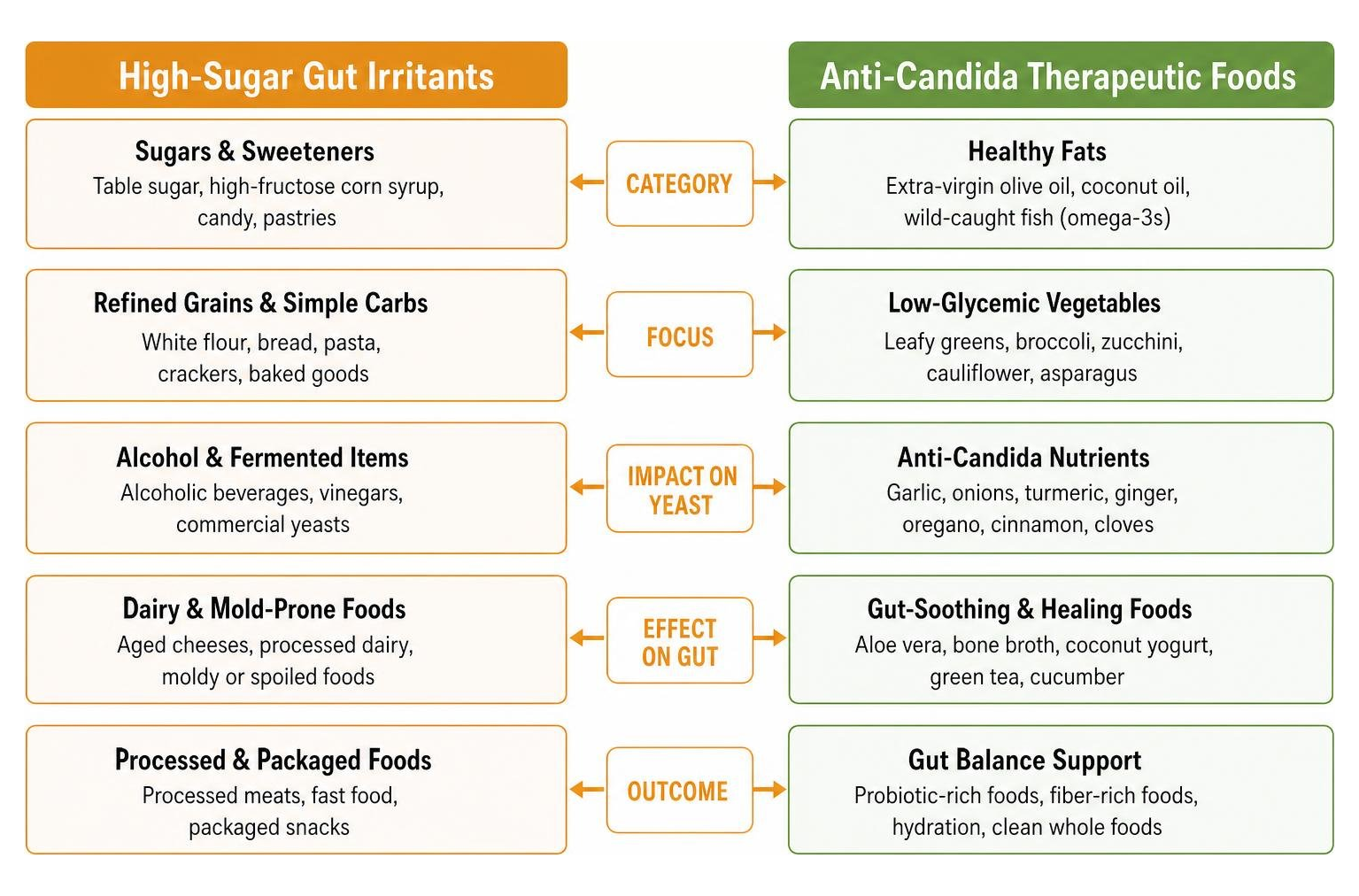
To build a nourishing anti-Candida baseline:
- Eliminate Refined Sugars and Simple Carbs: Remove table sugar, high-fructose corn syrup, candy, pastries, and refined flour products.
- Limit Fermented and Mold-Prone Foods: Temporarily reduce aged cheeses, alcoholic beverages, commercial yeasts, and dried fruits if you experience acute sensitivity.
- Emphasize Healthy Fats: Incorporate extra-virgin olive oil (rich in oleic acid and oleuropein, which bolster immune defense), cold-pressed coconut oil, and wild-caught fish providing omega-3 fatty acids.
- Incorporate Antifungal Spices: Use fresh garlic, ginger, cinnamon, cloves, and turmeric generously in home-cooked meals.
While short-term elimination protocols help calm acute symptoms, long-term health depends on nutrient density rather than extreme restriction. The Mayo Clinic’s evaluation of candida cleanse diets points out that much of the energy and vitality people feel on a “candida diet” stems from eliminating heavily processed foods and replacing them with whole, unprocessed nutrients.
For step-by-step guidance on structuring a sustainable, holistic dietary plan, explore our practical guide on How to Kick Candida to the Curb Holistically.
Probiotics and Microbiome Support in Candida Overgrowth Natural Treatment
Re-establishing beneficial microbial colonies is essential for long-term control. Beneficial bacteria manage yeast populations through competitive exclusion – occupying binding sites along the intestinal wall and consuming resources that yeast would otherwise use.
Key probiotic strains include:
- Lactobacillus acidophilus* and *Lactobacillus rhamnosus: These strains produce lactic acid and hydrogen peroxide, maintaining an acidic pH in the gut and mucosal lining that suppresses fungal transformation.
- Bifidobacterium bifidum: Supports lower bowel health, reinforces epithelial cell tight junctions, and aids gut barrier recovery.
- Saccharomyces boulardii: A beneficial, non-pathogenic yeast that competes directly with Candida albicans for binding sites, inhibits hyphal formation, and secretes enzymes that weaken fungal toxins without permanently colonizing the gut.
At NuWell Health, we have found that pairing targeted probiotic strains with soluble prebiotic fibers (once acute inflammation subsides) accelerates mucosal healing and rebuilds gut microbial diversity.
Natural Remedies vs. Conventional Antifungal Medications
When deciding between a candida overgrowth natural treatment approach and conventional medical therapy, understanding their distinct mechanisms and clinical applications helps you make informed choices.
Conventional pharmaceutical antifungals (such as fluconazole, nystatin, and clotrimazole) are designed to destroy fungal organisms quickly or stop their reproduction. In a landmark four-week double-blind placebo-controlled study involving 116 individuals suffering from symptoms characteristic of chronic yeast overgrowth, treatment with the pharmaceutical antifungal nystatin demonstrated modest symptom improvement compared to placebo.
However, repeated or prolonged pharmaceutical use can contribute to antifungal drug resistance and potential liver toxicity, requiring medical monitoring. Natural botanicals, on the other hand, often offer broader, multi-targeted mechanisms—such as simultaneous biofilm disruption and anti-inflammatory activity—with a lower risk of encouraging single-target fungal resistance.
| Feature | Natural Herbal Antifungals | Conventional Antifungal Medications |
|---|---|---|
| Primary Agents | Garlic (Allicin), Caprylic Acid, Oregano Oil, Berberine | Fluconazole, Nystatin, Clotrimazole, Amphotericin B |
| Mechanism of Action | Multi-targeted: cell wall disruption, biofilm decay, immune modulation | Single-targeted: ergosterol synthesis inhibition or direct cell lysis |
| Speed of Action | Gradual, requiring consistent dietary and lifestyle support | Rapid clearance of localized acute infections |
| Risk of Resistance | Low (complex plant chemistries make adaptation difficult) | Higher with prolonged or repeated single-agent use |
| Side Effects | Mild GI upset; herb-drug interactions possible | Potential liver strain, medication interactions, systemic side effects |
| Best Suited For | Mild-to-moderate gut dysbiosis, prevention, chronic support | Severe, acute, systemic, or hospital-acquired candidiasis |
At NuWell Health, we have found that combining professional medical evaluation with natural supportive care often yields the safest, most effective long-term outcome for persistent or severe gut issues. You can learn more about comprehensive digestive care on our dedicated Digestive Issues pillar page.
Mind-Body Wellness and Lifestyle Practices for Root Healing

At NuWell Health, we have found that true gut restoration requires looking beyond supplements and diets alone. The central nervous system and the enteric nervous system maintain continuous communication through the gut-brain axis. Chronic psychological stress elevates systemic cortisol, impairs immune function, and compromises mucosal lining defenses, creating an environment where Candida can easily overgrow.
To cultivate true root-cause healing:
- Manage Stress Intentionally: Practice deep diaphragmatic breathing, spend time in nature, and engage in daily reflection. Lowering stress levels stabilizes gut motility and boosts secretory IgA production.
- Prioritize Restorative Sleep: Consistently getting 7 to 9 hours of quality sleep nightly optimizes immune surveillance, letting your body repair gut mucosal tissues.
- Support Physical Detoxification: Stay well-hydrated with pure water, move your body daily to stimulate lymphatic drainage, and support liver function with dark leafy greens.
- Address Mental and Emotional Roots: Emotional strain directly affects digestive mechanics. To explore how inner peace supports gut vitality, read The Ultimate Guide to Lifestyle Changes for IBS and Happy Digestion.
For a deeper exploration into how mind, spirit, and body interact during recovery, check out our guide on Healing from Within: A Deep Dive into Mind Root Cause Treatments. If you are curious about how holistic practitioners coordinate these protocols, explore What is Naturopathic Medicine? and The Meaning of Natural Medicine and Who Practices It.
Frequently Asked Questions About Candida Overgrowth
How long does a natural treatment plan take to show results?
Timeline expectations depend on individual health history, dysbiosis severity, and consistency with dietary changes. Most people notice improvements in digestive comfort and general energy within 2 to 4 weeks of starting a whole-food, low-sugar routine alongside targeted probiotics. However, fully restoring mucosal health, rebalancing gut flora, and resolving lingering symptoms often takes 3 to 6 months of steady lifestyle support.
Can dietary changes alone cure severe yeast overgrowth?
While dietary modification is essential, diet alone rarely resolves entrenched yeast overgrowth, especially if dense fungal biofilms have established along the mucosal tissue. Severe dysbiosis usually requires a combination of targeted natural antifungals (such as caprylic acid or garlic extracts), high-potency multi-strain probiotics, gut mucosal repair nutrients, and stress management to achieve lasting balance.
When should someone seek medical evaluation for Candida symptoms?
You should seek medical evaluation if you experience high fever, severe abdominal pain, persistent vomiting, unexplained weight loss, or bloody stools. Immediate medical care is also essential if you are pregnant, diabetic, immunocompromised, or if localized thrush or skin infections fail to improve after two weeks of standard care.
Conclusion
Restoring microflora balance when facing yeast overgrowth is a journey that requires patience, consistency, and a thoughtful perspective. A well-rounded candida overgrowth natural treatment plan does not rely on quick fixes or harsh, short-term elimination cleanses. Instead, it focuses on nourishing the body with nutrient-dense whole foods, re-establishing beneficial microbial colonies, utilizing gentle plant botanicals, and supporting host defenses through stress management and adequate rest.
At NuWell Health, we have found that true health flourishes when you honor the interconnectedness of mind, body, and spirit—addressing root causes rather than simply suppressing individual symptoms. By taking an empowered, evidence-aware approach to self-care, you give your digestive ecosystem the exact tools it needs to regain harmony naturally.
Ready to reclaim your gut vitality and explore personalized root-cause healing protocols? Learn more about our natural wellness strategies by exploring our comprehensive approach to Digestive Issues today!
This article was researched with AI and heavily edited by Jordan Oliver for accuracy and relevance.
Jordan is an author, ordained minister, and online host for His Glory TV, sharing biblically grounded insights on faith, prayer, and spiritual growth. She is the co-founder of Triple-Braided Cord Co., an intercessory prayer and healing ministry inspired by Ecclesiastes 4:12.
Jordan holds a Bachelor’s degree in Communications and Religious Studies from High Point University and is a certified Spiritual Life Coach through iCoachLife in Nashville, Tennessee. Drawing from her ministry, coaching, and academic experience, she creates trustworthy, faith-based content that helps readers grow in their relationship with God. Learn more about Jordan here.