
Are Digestive Issues Hereditary? Decoding Your Gut’s Genetic Blueprint
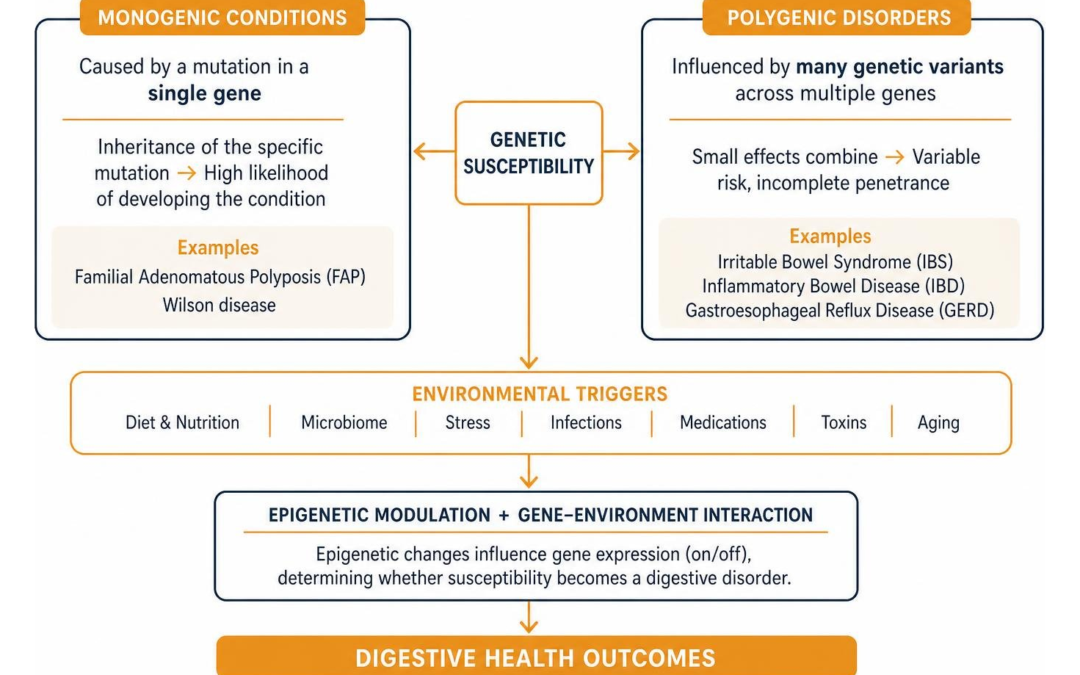
When asking are digestive issues hereditary, it helps to understand that our DNA provides a blueprint for our entire body, including our gastrointestinal tract. However, how that blueprint manifests depends on a complex balance of gene types and external factors.
In gastroenterology, inherited digestive health conditions are broadly divided into two major categories:
- Monogenic Conditions: These are disorders caused by a single mutation in one gene. Conditions like Familial Adenomatous Polyposis (FAP) or Wilson disease are monogenic, meaning if you inherit the specific germline mutation from your parents, you have a very high likelihood of developing the condition.
- Polygenic Disorders: Most common digestive issues fall here. Polygenic conditions—such as Irritable Bowel Syndrome (IBS), Inflammatory Bowel Disease (IBD), and gastroesophageal reflux—involve subtle interactions among hundreds of different genetic variants working together.
Large-scale genetic analysis reinforces this polygenic network. In a major cross-disorder study on digestive disorders, researchers analyzed 21 different GI conditions and identified 539 shared genetic variants (pleiotropic genes) mapped across 146 independent genetic regions. The single-nucleotide polymorphism (SNP)-based heritability for common digestive disorders ranged from 5.83% for colorectal polyps up to 15.75% for esophageal cancer.
Furthermore, epigenetic expression plays a vital role. Epigenetics refers to chemical tags on your DNA that turn genes “on” or “off” without altering the underlying code. Environmental exposures, dietary habits, stress, and aging can trigger epigenetic changes, determining whether a genetic susceptibility actually develops into a full-blown disorder. For a deeper look into the underlying mechanisms behind GI discomfort, explore our article on Digestive Issues Causes Demystified.
Are Digestive Issues Hereditary in Irritable Bowel Syndrome (IBS)?
Irritable Bowel Syndrome (IBS) affects roughly 10% to 15% of the global population. But are digestive issues hereditary when it comes to functional conditions like IBS?
Studies demonstrate clear familial aggregation. Research on Familial Aggregation of IBS reveals that individuals with a first-degree relative (parent, sibling, or child) suffering from IBS are 2.75 times more likely to develop the condition themselves. Siblings face the highest risk, with over three times the odds compared to individuals without a family history.
This inherited risk in IBS operates largely through two mechanisms:
- Brain-Gut Axis Dysregulation: Inherited variations alter how the central nervous system communicates with the enteric nervous system in the gut, leading to heightened visceral sensitivity and abnormal intestinal motility.
- Carbohydrate Enzyme Variations: Genetic alterations in enzymes responsible for breaking down sugars can lead to malabsorption, fermenting food in the colon and triggering classic IBS symptoms like severe bloating, gas, and cramping.
To learn how to manage functional bowel symptoms through root-cause strategies, read The Ultimate Guide to Lifestyle Changes for IBS and Happy Digestion.
Inflammatory Bowel Disease and Celiac Risk
Inflammatory Bowel Disease (IBD)—which includes Crohn’s disease and ulcerative colitis—presents some of the strongest evidence for hereditary GI risk. Genome-wide association studies (GWAS) have uncovered over 200 distinct genetic loci associated with IBD.
For instance, mutations in the NOD2 gene impair the gut’s ability to sense intracellular bacteria, altering mucosal immunity and significantly elevating Crohn’s disease risk. The genetic link is generally stronger in Crohn’s disease than in ulcerative colitis, though both display marked family clustering as highlighted in clinical reviews on Heredity and Gastrointestinal Diseases.
Celiac disease, an autoimmune condition where gluten ingestion damages the small intestine, is similarly driven by genetics. Specific human leukocyte antigen genes—namely HLA-DQ2 and HLA-DQ8—are present in almost all celiac patients. While about 30% of the general population carries these genes, only a fraction develops the disease. However, if a first-degree relative has celiac disease, your overall risk rises dramatically from 1 in 100 to 1 in 10. For a complete breakdown of systemic gut conditions, see our overarching guide on Digestive Issues.
Colorectal Cancer and Hereditary Polyposis
Colorectal cancer (CRC) offers a clear example of how germline mutations can dictate disease trajectory. While many colon cancers occur spontaneously late in life, about 10% to 15% stem from inherited genetic syndromes:
- Lynch Syndrome: Caused by inherited defects in DNA mismatch repair genes (MLH1, MSH2, MSH6, PMS2), drastically increasing the lifetime risk of colorectal and endometrial cancers.
- Familial Adenomatous Polyposis (FAP): Caused by mutations in the APC tumor suppressor gene, resulting in hundreds to thousands of precancerous adenomatous polyps throughout the colon during early adulthood.
Even outside defined syndromes, having a close family member diagnosed with colon cancer before age 60 nearly doubles your personal risk. Knowing your family history allows for early screening—such as initiating colonoscopies at age 40 or 10 years earlier than the youngest affected relative. Gain more insights into intestinal conditions in What’s Up Down There? A Friendly Guide to Digestive System Diseases.
The Role of Specific Genes, Carbohydrate Enzymes, and Gut Motility
Beyond cancer and autoimmune conditions, modern functional genomics shows that many everyday digestive complaints trace back to specific gene variants affecting enzyme production and smooth muscle activity. In our clinical experience at NuWell Health, we frequently see clients whose chronic symptoms stem from these underlying genetic enzyme variations, which respond remarkably well to natural health protocols.
Recent clinical research on Genetic Variants in Carbohydrate Digestive Enzyme Genes proved that both common and rare mutations in genes like TREH (trehalase) and SI (sucrase-isomaltase) directly correlate with chronic GI pain, diarrhea, and bloating. When these enzymes are deficient due to genetic code variations, undigested carbohydrates pass into the large intestine, feeding fermentative bacteria and producing severe distress.
Similarly, smooth muscle and nerve conduction in the digestive tract depend on inherited ion channel instructions. Mutations in the SCN5A gene—which encodes sodium channels in the interstitial cells of Cajal (the gut’s natural pacemakers)—can disrupt normal peristalsis, causing chronic intestinal pseudo-obstruction or severe constipation-predominant functional gut disorders.
To understand how enzyme deficiencies and immune reactions interact with food, read our comprehensive resource on Food Allergies and Intolerances: The Ultimate Guide to Gut Reactions.
Are Digestive Issues Hereditary When Looking at Enzyme Deficiencies?
Enzyme deficiencies represent one of the clearest answers to whether are digestive issues hereditary. Primary adult lactose intolerance is a prime example.
The LCT gene provides instructions for producing lactase, the enzyme that breaks down milk sugar (lactose). In most mammals and many human populations, LCT gene expression naturally declines after childhood. Mutations in the regulatory region near the LCT gene dictate whether an individual maintains lactase persistence into adulthood or develops primary lactase deficiency.
When lactase levels drop, unabsorbed lactose draws water into the bowel and undergoes rapid bacterial fermentation, resulting in functional bloating, osmotic diarrhea, and abdominal pain. Uncovering these inherited enzyme limitations is a foundational step in restoring gut comfort through natural dietary adjustments and enzyme support. Check out Everything You Need to Know About Testing Your Gut for Food Sensitivities for guidance on identifying individual food triggers.
Limitations of Modern GI Genetic Testing
While genetic sequencing has advanced, direct-to-consumer genetic tests have clear limitations when evaluating functional digestive complaints.
As detailed in academic reviews on Gene, genetics and genetic medicines in gastroenterology, there is currently no single diagnostic genetic test for conditions like IBS or functional dyspepsia. Because functional GI disorders are polygenic and heavily influenced by environmental triggers, testing positive for a single risk variant does not guarantee you will develop the condition.
Targeted clinical genetic testing (such as whole exome sequencing or multi-gene panels) is invaluable for identifying rare monogenic cancer syndromes or severe congenital motility disorders. However, for everyday gut issues, commercial genetic tests often fail to account for missing heritability, epigenetic factors, and microbiome interactions. Clinical symptom evaluation, family history mapping, and root-cause holistic testing remain the cornerstone of accurate assessment.
Nature vs. Nurture: Shared Household Environment and the Microbiome
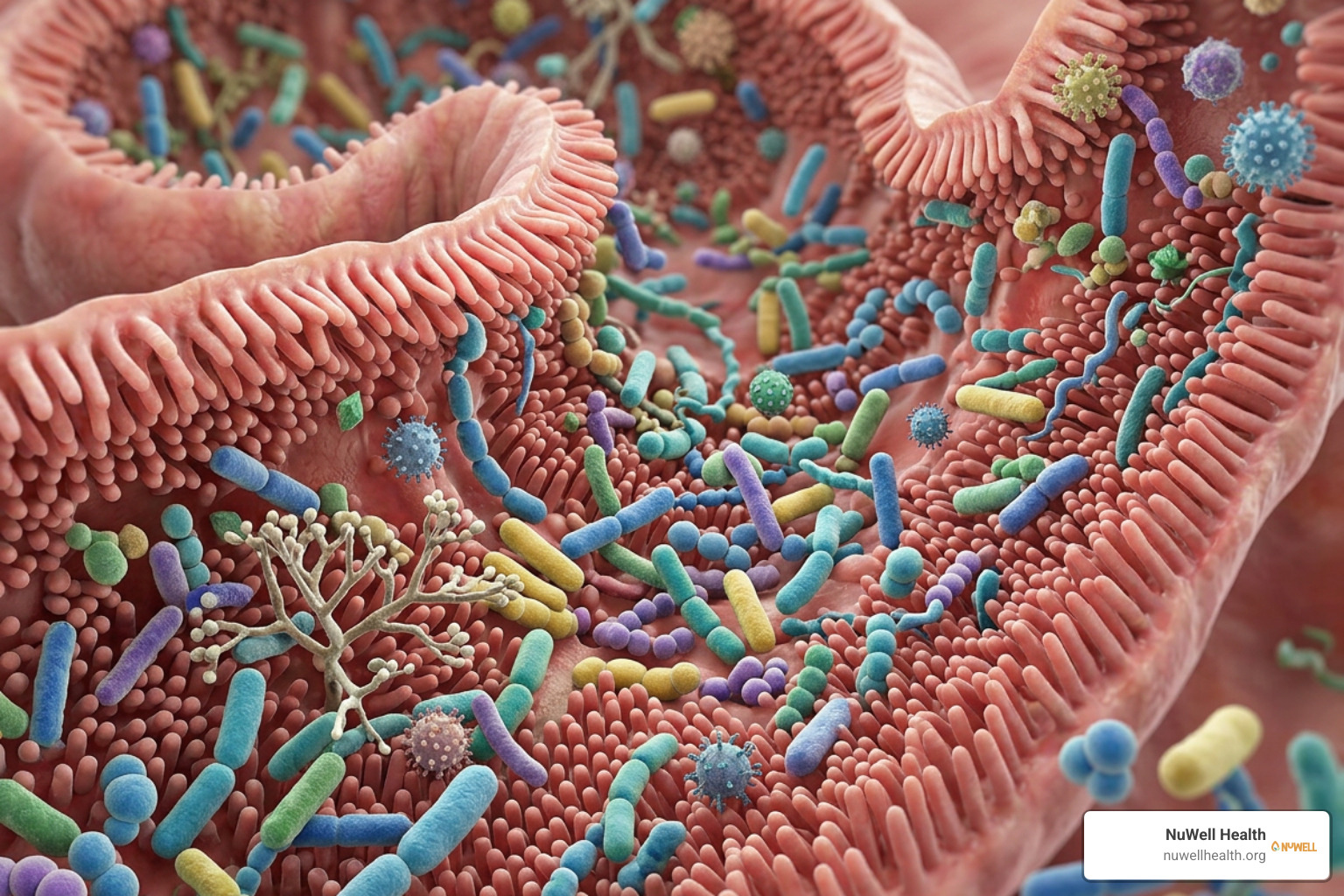
When multiple family members suffer from digestive issues, it isn’t always purely genetic. Shared living environments, household dietary habits, stress levels, and antibiotic exposure account for a significant portion of what looks like inherited disease.
A compelling way scientists separate inherited DNA from shared environment is by studying married couples. Research confirms that non-blood-related spouses living in the same home do not share an increased risk of developing IBS (Odds Ratio 0.89). Conversely, blood relatives display significant disease aggregation regardless of whether they still live together.
This proves that true genetic predisposition exists, but early childhood exposures—such as household diet, infant antibiotic use, and exposure to environmental chemicals—help shape how those genes behave later in life. As we age, these accumulated factors become even more noticeable; read more in Aging and Aching: Digestive Problems in the Elderly.
The Gut Microbiome and Family Inheritance
While parents pass human host genes down to their children, they also seed their children’s initial gut microbiome during birth and early caregiving. However, as children grow, their microbial communities diverge based on personal lifestyle choices.
Even identical twins with identical DNA blueprints maintain noticeably different gut microbial profiles if their diets, stress levels, and environments differ. At NuWell Health, we view caring for your internal microbial ecosystem as a vital aspect of holistic health and Christian stewardship—nourishing the physical temple God has entrusted to us.
When household diets rely on heavily processed foods, refined sugars, and excessive chemical additives, beneficial microbial species decline across the entire family. Over time, this dysbiosis damages the intestinal lining, increases systemic inflammation, and triggers dormant genetic susceptibilities. To learn how gut imbalance impacts other organ systems, explore The Gut-Kidney Connection: Why Kidney Disease Causes Digestive Issues.
Natural Strategies to Mitigate Genetic Risk and Support Root-Cause Healing
A genetic predisposition is a susceptibility, not a guarantee. At NuWell Health, we have found that adopting a proactive, holistic root-cause approach allows individuals to optimize gene expression, reduce systemic inflammation, and maintain excellent digestive health—even with a strong family history of gut problems.
By prioritizing natural health principles, you address the root drivers of GI dysfunction rather than relying on temporary symptom suppression.
To support your body’s natural repair mechanisms, focus on these holistic foundations:
- Nourish with Whole Foods: Shift away from ultra-processed ingredients toward fiber-rich whole foods, anti-inflammatory healthy fats, and clean proteins. Whole plant foods provide natural prebiotic fibers that feed beneficial gut bacteria and produce short-chain fatty acids like butyrate, which protect the intestinal lining.
- Balance the Mind-Body-Spirit Connection: Chronic stress elevates cortisol, increases gut permeability (“leaky gut”), and alters bowel motility through the brain-gut axis. Incorporate stress-reduction practices such as prayer, reflective meditation, gentle physical movement, and restful sleep to calm your nervous system.
- Support Gut Barrier Integrity: Utilize natural gut-supporting compounds—such as L-glutamine, zinc carnosine, soothing herbal teas (like chamomile and marshmallow root), and high-quality probiotics—to soothe inflamed tissues and support mucosal integrity.
For a thorough walkthrough on identifying root causes, refer to An Essential Guide to Digestive Issues Causes.
Actionable Steps for Proactive Prevention and Early Screening
If you know functional or structural digestive disorders run in your family, take these proactive, empowering steps:
- Gather a Detailed Family History: Talk to first-degree relatives about their GI health. Document diagnoses of colon polyps, colorectal cancer, Celiac disease, IBD, or severe IBS, noting the age at which symptoms or diagnoses first occurred.
- Share Information with Your Healthcare Provider: Work alongside a knowledgeable practitioner to establish an individualized preventative screening plan. If a close relative had colon cancer before age 60, schedule preventative screenings significantly earlier than general population guidelines dictate.
- Address Environmental Triggers Proactively: Eliminate known dietary triggers, minimize unnecessary NSAID or antibiotic use, and support optimal liver detoxification to reduce the total toxic load on your digestive system.
| Health Category | Inherited Genetic Factors | Controllable Epigenetic & Lifestyle Triggers |
|---|---|---|
| Primary Drivers | Germline mutations, enzyme variants (LCT, SI), HLA-DQ2/DQ8 genes | Diet quality, stress response, gut microbiome balance, chemical exposures |
| Disease Influence | Sets baseline bodily susceptibility and enzyme capacity | Determines whether genetic traits remain dormant or become active symptoms |
| Action Strategy | Informative mapping, early screening protocols | Anti-inflammatory nutrition, stress management, holistic root-cause support |
Frequently Asked Questions About Digestive Genetics
Can a genetic test diagnose IBS or functional gut issues?
No, there is currently no definitive diagnostic genetic test for Irritable Bowel Syndrome or general functional gut disorders. IBS diagnosis relies on clinical evaluation, Rome IV symptom criteria, and ruling out structural conditions like Celiac disease, inflammatory bowel disease, or infection through targeted blood, stool, or endoscopic tests.
How much does family history increase my risk for Celiac disease or colon cancer?
Having a first-degree relative with Celiac disease increases your risk tenfold, raising your personal probability from 1 in 100 up to 1 in 10. For colorectal cancer, having a parent, sibling, or child diagnosed before age 60 nearly doubles your overall lifetime risk, making early proactive screening essential.
Can holistic lifestyle changes alter how my inherited digestive genes express themselves?
Yes. Through epigenetics, lifestyle choices influence how your DNA instructions are expressed. While you cannot alter your underlying DNA sequence, adopting an anti-inflammatory diet, managing stress, restoring microbial diversity, and avoiding environmental toxins can keep high-risk genetic variants dormant and support vibrant gut health.
Conclusion: Embracing Holistic Health to Override Genetic Predisposition
So, are digestive issues hereditary? While genetics establish your body’s initial baseline and influence your susceptibility to conditions like Celiac disease, IBD, colon cancer, and enzyme deficiencies, your genetic code is not your destiny.
At NuWell Health, our holistic approach addresses the mind, body, and spirit to resolve root causes rather than just masking symptoms. By understanding your family history, making mindful lifestyle choices, and prioritizing preventive care, you can take control of your digestive health and foster long-term wellness.
Ready to optimize your gut health and break free from inherited digestive struggles? Explore our comprehensive resources and Take Control of Your Digestive Health Today.
This article was researched with AI and heavily edited by Jordan Oliver for accuracy and relevance.
Jordan is an author, ordained minister, and online host for His Glory TV, sharing biblically grounded insights on faith, prayer, and spiritual growth. She is the co-founder of Triple-Braided Cord Co., an intercessory prayer and healing ministry inspired by Ecclesiastes 4:12.
Jordan holds a Bachelor’s degree in Communications and Religious Studies from High Point University and is a certified Spiritual Life Coach through iCoachLife in Nashville, Tennessee. Drawing from her ministry, coaching, and academic experience, she creates trustworthy, faith-based content that helps readers grow in their relationship with God. Learn more about Jordan here.