

When Trauma Doesn’t Go Away: What Natural Healing for PTSD Actually Looks Like
Natural healing for PTSD is real, and for many people, it works — especially when combined with the right support.
Here are the most effective natural approaches, backed by research:
- Mind-body practices — trauma-sensitive yoga, mindfulness (MBSR), Tai Chi, and breathwork calm the nervous system and reduce hyperarousal
- Nutrition and supplementation — omega-3s, Vitamin D, magnesium, and ashwagandha support brain function and stress regulation
- Herbal support — chamomile, lavender, valerian root, and adaptogens like ashwagandha show calming effects
- Complementary therapies — acupuncture, clinical hypnotherapy, and Thought Field Therapy (TFT) address trauma at a deeper level
- Lifestyle habits — consistent sleep, aerobic exercise, journaling, limiting media, and reducing alcohol all reduce symptom severity
- Social connection — strong support networks are one of the most reliable predictors of natural recovery
- Professional therapy — EMDR and CBT work powerfully alongside natural methods
Important: Natural approaches work best alongside — not instead of — professional care when symptoms are severe.
PTSD affects an estimated 6.8% of people over their lifetime, and about 25–30% of those who experience trauma will develop it. But here’s what often gets missed: many people do recover naturally, especially with the right conditions in place. The challenge is that for others, symptoms don’t fade on their own — and the conventional path of medication alone leaves many people frustrated, still searching for answers.
If you’ve been dealing with flashbacks, hypervigilance, emotional numbness, or sleep disruption — and you’re tired of approaches that only manage symptoms without getting to the root — you’re not alone. There is a growing body of evidence supporting natural, integrative methods that address the whole person: mind, body, and nervous system.
I’m Stephen A. Luther, MS, MEd, LPC, a Licensed Professional Counselor with over 25 years of experience in trauma recovery and mind-body-spirit approaches to healing, including natural healing for PTSD. In this guide, I’ll walk you through what the science actually says — and what works in real life.
Understanding PTSD: The Science of Trauma and Resilience
To understand how natural healing for PTSD works, we first have to look at what trauma does to the brain and body. As we move through 2026, our understanding of the neurobiology of trauma has become incredibly sophisticated. We know now that PTSD isn’t just “in your head”—it is a systemic physiological response.
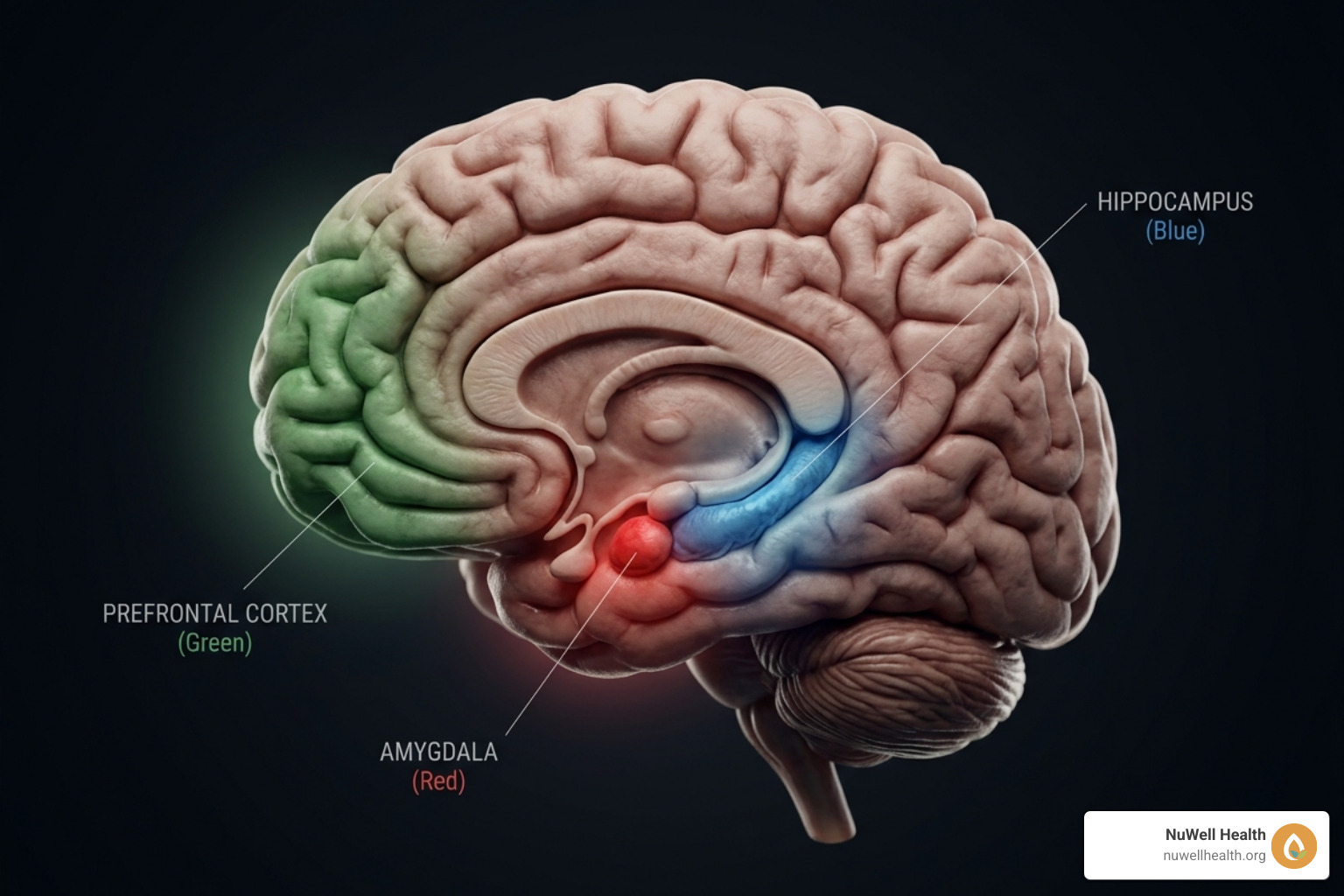
When you experience a traumatic event—whether it’s combat, an accident, or a personal assault—your brain’s alarm system, the amygdala, goes into overdrive. In a healthy brain, the prefrontal cortex eventually calms the amygdala down. In PTSD, the amygdala stays “hot,” keeping you in a state of hyperarousal. Meanwhile, the hippocampus, which is responsible for processing memories, can actually shrink or become less effective. This is why traumatic memories don’t feel like “past” events; they feel like they are happening right now.
The Concept of Natural Recovery and Resistance
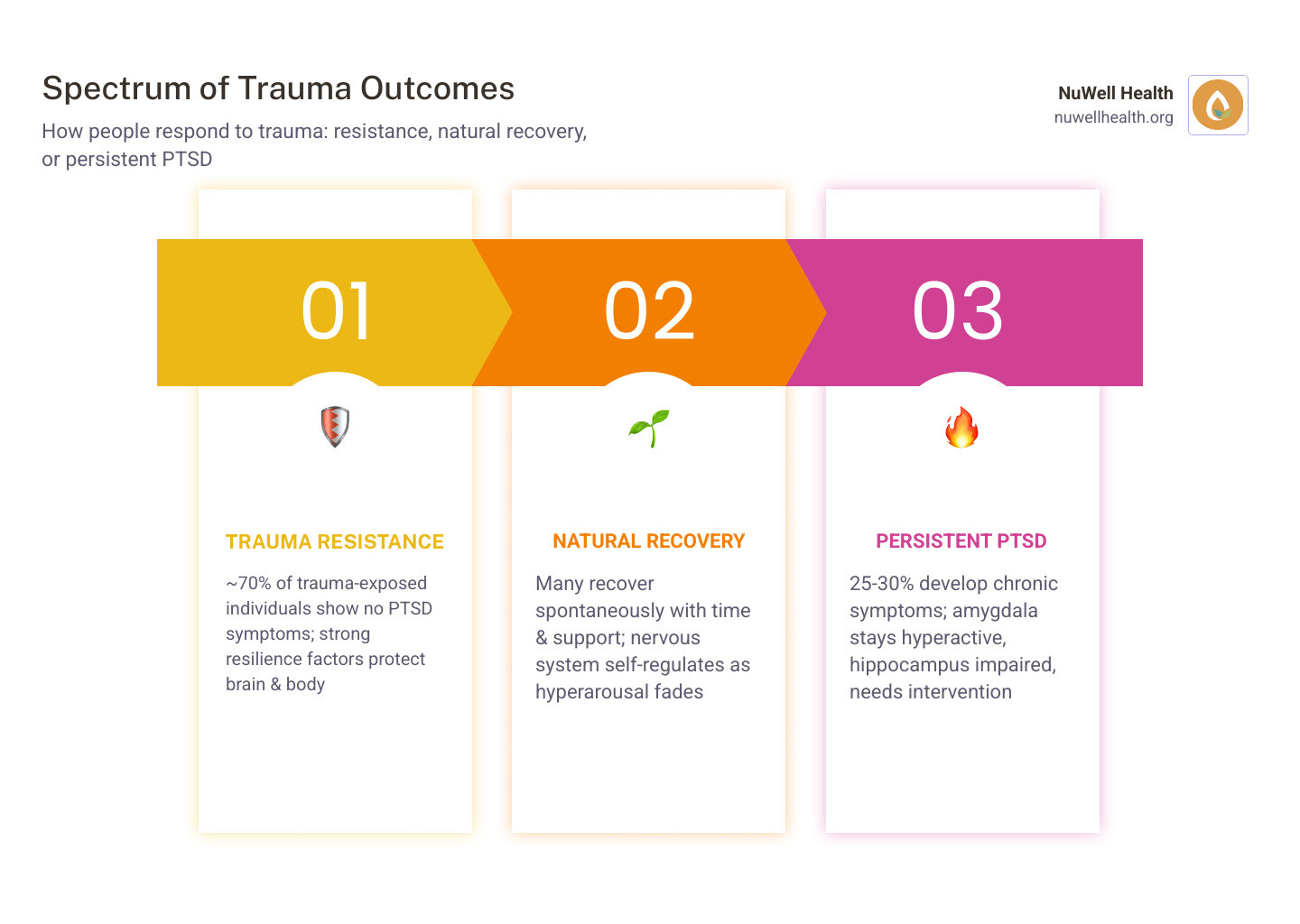
Research shows that the majority of people do not have PTSD one year after a trauma. This is known as natural recovery. For example, natural recovery or resilience is most common after sexual assault, while “resistance”—where major symptoms never develop in the first place—is common after other types of traumas.
However, for the 25-30% who do develop persistent PTSD, the trauma becomes “stored” in the body. In ancient Ayurvedic traditions, this is often viewed as a Vata imbalance, causing instability, fear, and physical depletion. We also talk about cellular memory, where the body holds onto the tension of the event long after the mind has tried to move on.
| Outcome | Description | Typical Timeline |
|---|---|---|
| Resistance | No major symptoms develop after the event. | Immediate |
| Natural Recovery | Symptoms appear initially but fade as the person processes the event. | 1–12 months |
| Persistent PTSD | Symptoms continue or worsen, impacting daily function. | 12+ months |
The Science and Efficacy of Natural Healing for PTSD
At NuWell Health, we believe in a biopsychosocial model of care. This means we don’t just look at your symptoms; we look at your biology, your psychology, and your social environment. Holistic healing isn’t just about “alternatives”; it’s about treating the root cause rather than just the symptoms.
The data supports this approach. About 21% of complementary and alternative medicine (CAM) users meet the criteria for at least one problematic mental disorder, including PTSD, showing that people are actively seeking these paths. Why? Because natural methods often have fewer side effects and empower you to take an active role in your own recovery.
By focusing on Naturopathic Medicine & Holistic Care, we can address the physiological imbalances—like gut health, hormonal disruption, and systemic inflammation—that often accompany trauma.
Mind-Body Modalities as Natural Healing for PTSD
One of the most powerful tools for natural healing for PTSD is the mind-body connection in mental health. Trauma disconnects us from our bodies. We might feel numb, or we might feel like our body is an enemy that betrays us with panic attacks.
- Trauma-Sensitive Yoga: Unlike standard yoga, this focuses on choice and safety. It helps stabilize the autonomic nervous system (ANS) and reduces intrusive memories.
- Mindfulness-Based Stress Reduction (MBSR): This practice trains the brain to stay in the present moment. Research from the VA suggests that MBSR can lead to neurobiological changes in brain regions associated with emotion regulation.
- Tai Chi and Qigong: These “moving meditations” activate the parasympathetic nervous system (our “rest and digest” mode), helping to counter the constant “fight or flight” of PTSD.
Herbal and Nutritional Support for Natural Healing for PTSD
What you put in your body changes how your brain processes stress. We often see that individuals with PTSD struggle with systemic inflammation, which can be managed through Natural Health & Mental Health strategies.
- Omega-3 Fatty Acids: These are essential for brain health and reducing inflammation.
- Vitamin D: PTSD is frequently associated with low Vitamin D levels. Supplementing can help stabilize mood.
- Magnesium: Often called “nature’s relaxant,” magnesium helps calm the nervous system and improves sleep quality.
- Ashwagandha: An adaptogenic herb that helps the body manage cortisol (the stress hormone).
Don’t forget hydration! The brain is roughly 3/4 water. Even mild dehydration can worsen anxiety and cognitive fog, making it harder to manage triggers.
Complementary Therapies: Acupuncture, Hypnotherapy, and Beyond
Beyond what we eat and how we move, specific therapeutic modalities can “unstick” the trauma response. The VA’s research on integrative health has highlighted several promising areas:
- Acupuncture: This ancient practice helps regulate the HPA axis (the body’s central stress response system) and promotes the release of endorphins. It’s particularly effective for improving sleep and reducing hyperarousal.
- Thought Field Therapy (TFT): Also known as “tapping,” TFT involves tapping on specific meridian points to release energy blockages. A 2013 study showed significant trauma reduction in genocide survivors using these techniques.
- Clinical Hypnotherapy: This can help reduce the frequency of flashbacks and nightmares by allowing the subconscious mind to reprocess traumatic events in a safe, controlled environment.
- Visualization and Guided Imagery: These tools help build internal “safe spaces,” allowing the nervous system to practice being in a state of calm.
Lifestyle Medicine and Daily Habits for Recovery
Healing doesn’t just happen in a therapist’s office; it happens in the small choices we make every day. Establishing a “rhythm of safety” is essential for natural healing for PTSD.
- Sleep Hygiene: Trauma wreaks havoc on the circadian rhythm. We recommend a consistent bedtime, cool room temperatures, and avoiding screens an hour before bed to support melatonin production.
- Aerobic Exercise: Activities like running or swimming aren’t just for physical health; they are a form of self-expression and empowerment. They help “burn off” excess adrenaline.
- Journaling: Putting thoughts onto paper helps move them from the emotional centers of the brain to the logical centers, promoting psychological well-being.
- Media Consumption: In our digital age, constant exposure to distressing news can act as a “micro-trauma.” We often discuss navigating changes in children’s moods with parents, but the same rules apply to adults: limit “doomscrolling” to protect your nervous system.
- Nature Therapy: “Forest bathing” or simply spending time in green spaces has been shown to lower cortisol levels and improve mood.
Building a Support System and Knowing When to Seek Help
Recovery is rarely a solo journey. One of the strongest predictors of whether someone will recover naturally from trauma is their perceived level of social support. Sharing your story with supportive listeners and maintaining social connections helps with “meaning-making”—the process of fitting the trauma into your life story in a way that doesn’t define your entire future.
However, it is vital to know the limitations of natural remedies. While we advocate for holistic paths, we also recognize that some situations require immediate professional intervention.
When to seek professional help immediately:
- Thoughts of self-harm or suicide.
- Inability to perform daily tasks (working, bathing, eating).
- Substance use that feels out of control (more than 2 out of 10 veterans with PTSD also struggle with substance use).
- Symptoms that are worsening despite your best efforts at natural management.
In these cases, we often recommend integrating natural methods with evidence-based therapies like EMDR (Eye Movement Desensitization and Reprocessing) or CBT. You can explore more about these integrated paths in our Mental Health & Emotional Wellness section.
Frequently Asked Questions about Natural PTSD Recovery
Can PTSD be fully healed without medication?
Yes, for many people, PTSD symptoms can significantly improve or even fully resolve through a combination of structured therapy, lifestyle changes, and holistic interventions. However, “healing” looks different for everyone. Some may find that natural methods reduce symptoms to a manageable level, while others may still benefit from short-term medication to “stabilize the floor” so they can engage in holistic work.
What is the fastest natural way to calm a PTSD flashback?
Grounding techniques are the most effective immediate tool. Try the “5-4-3-2-1” method: acknowledge 5 things you see, 4 things you can touch, 3 things you hear, 2 things you can smell, and 1 thing you can taste. This forces your brain to reconnect with the physical present moment and helps quiet the amygdala.
Are there risks to using herbal remedies for trauma?
While “natural” often means “gentler,” it doesn’t mean “risk-free.” Some herbs can interact with prescription medications or have side effects of their own. For example, Kava root should be used cautiously due to potential liver impacts. Always consult with a healthcare professional before starting a new supplement regimen, especially if you are already taking SSRIs or other mental health medications.
Conclusion
The journey of natural healing for PTSD is not a straight line. It is a process of returning to yourself, layer by layer. By addressing the root causes—whether they are nutritional deficiencies, nervous system dysregulation, or stored physical tension—you can move from a state of “survival” back into a state of “thriving.”
At NuWell Health, we are dedicated to empowering you with the tools to lead your own recovery. Whether it’s through nutrition, movement, or complementary therapies, your body has an innate capacity for resilience. Be patient with yourself, practice self-compassion, and know that help is always available.
Ready to take the next step? Start your journey with natural health for mental health today and discover a personalized path to wellness that honors your mind, body, and spirit.