
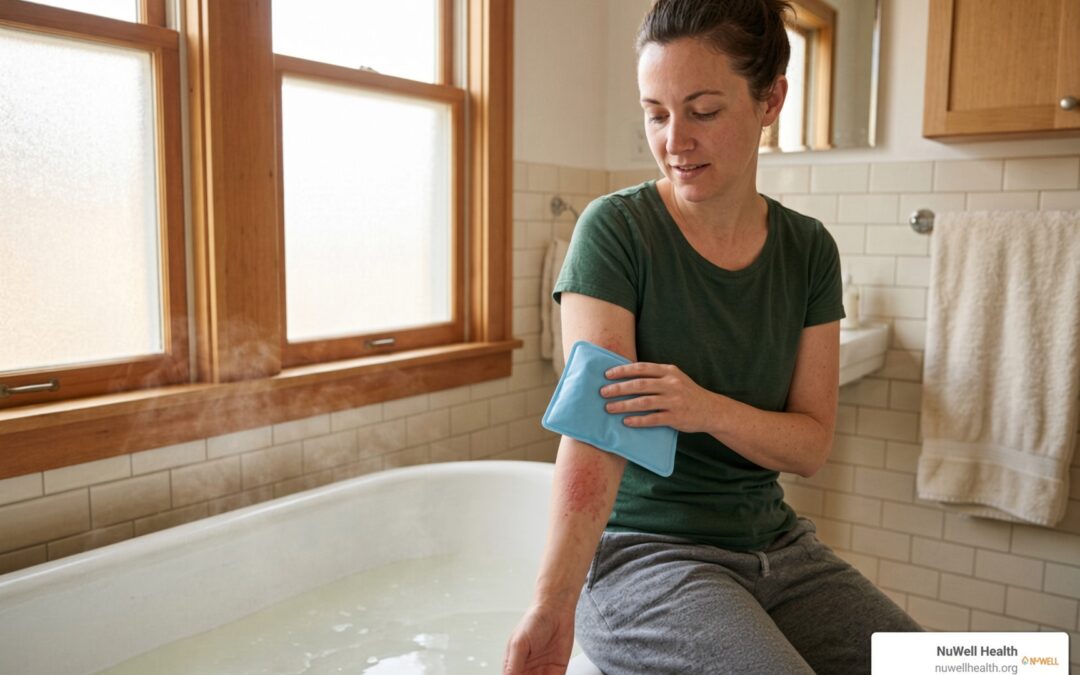
Soothe an Allergic Rash at Home in 3 Simple Steps
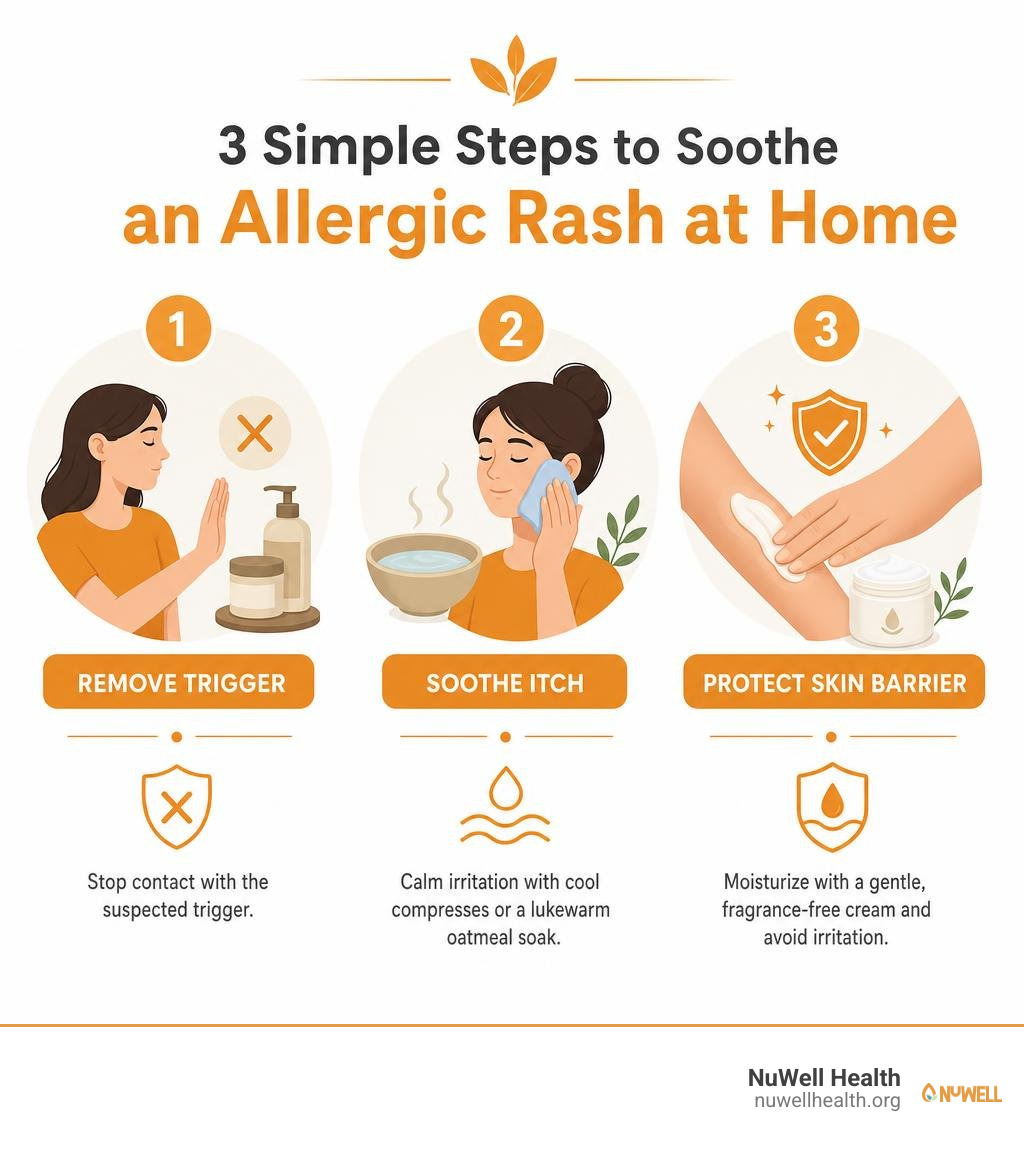
For mild allergic skin rashes, start by stopping contact with the suspected trigger, gently rinsing the area with cool water, and calming itch with a cool compress or lukewarm colloidal oatmeal bath. Then protect the skin barrier with a plain, fragrance-free moisturizer and avoid scratching, hot showers, and scented products.
At NuWell Health, we have found that simple care works best when it begins with trigger removal. A new lotion, fragrance, detergent, metal jewelry, latex glove, or plant exposure can keep a rash active as long as contact continues.
This guide walks through three practical steps to help soothe common allergic rashes at home while helping you know when home care is not enough. If you develop trouble breathing, swelling of the lips, tongue, or throat, dizziness, or widespread severe hives, seek emergency care right away.
Know your allergic reaction rash home remedies terms:
Understanding Your Rash: Hives vs. Contact Dermatitis
Skin allergies are remarkably common. At NuWell Health, we have found that allergic skin flares are among the most frequent issues individuals encounter when addressing immune sensitivity. When your immune system overreacts to a substance it considers foreign, it triggers an inflammatory cascade that shows up directly on your skin. However, not all allergic reactions look or behave the same way. The two most common types are acute hives (urticaria) and contact dermatitis.
Hives (Urticaria)
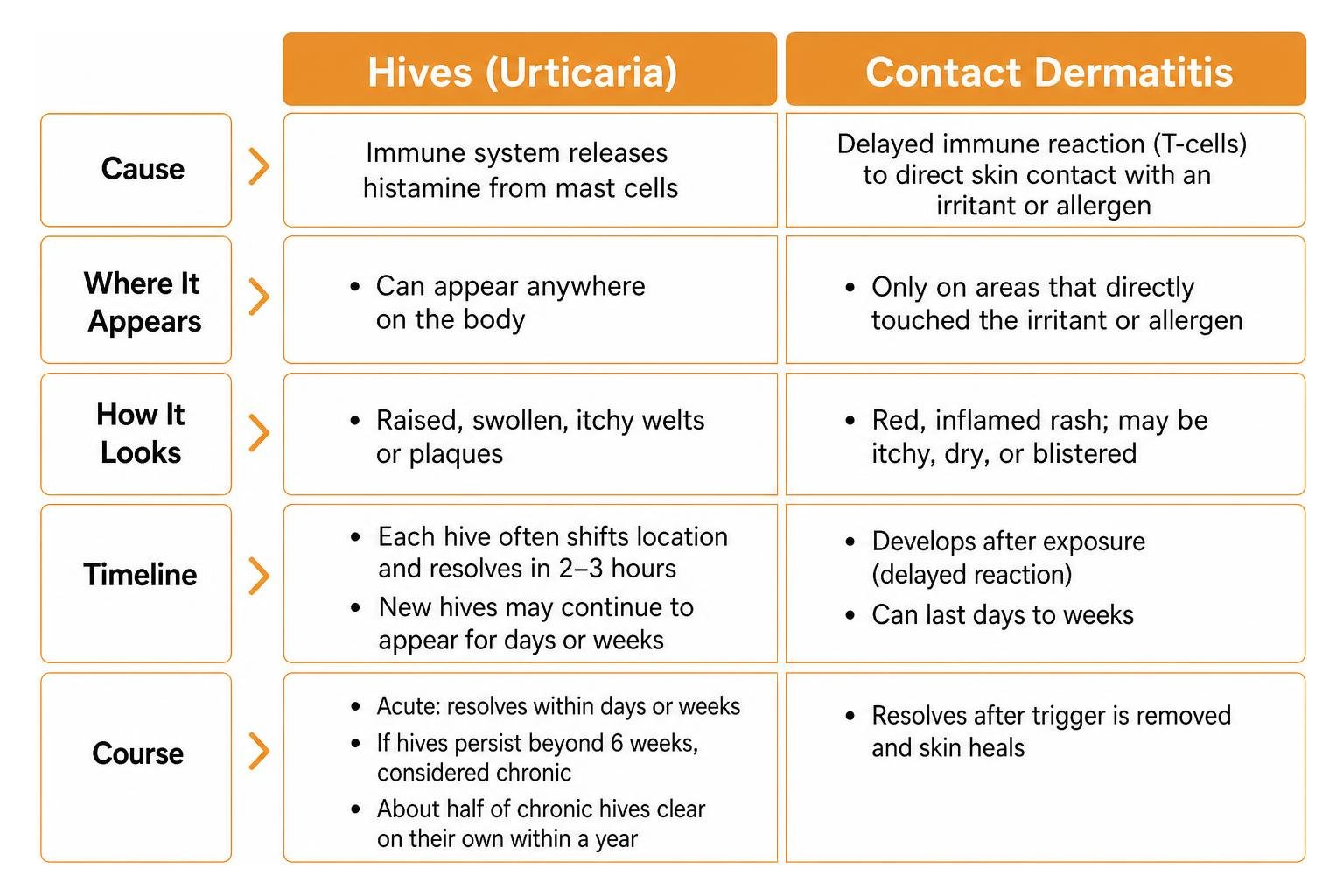
Hives appear as raised, swollen, itchy welts or plaques. They are driven largely by histamine release from mast cells and can crop up anywhere on your body. An individual hive often shifts location and resolves within 2 to 3 hours, although new ones may continue to pop up over several days or weeks. If hives persist beyond six weeks, they are clinically categorized as chronic hives; fortunately, about half of people with chronic hives see them clear on their own within a year.
Contact Dermatitis
Contact dermatitis occurs specifically where your skin directly touches an irritating substance or allergen. Unlike hives, allergic contact dermatitis is a delayed hypersensitivity reaction mediated by T-cells rather than an immediate histamine dump.
Common culprits include nickel in belt buckles or jewelry, synthetic fragrances, latex, harsh cleaning agents, and plants like poison ivy. According to dermatological research, such as insights from Poison ivy rash: Symptoms, treatment, and prevention – Harvard Health, if you have had a poison ivy rash in the past, a new flare-up typically lasts up to 14 days, whereas a first-time exposure can take up to 21 days to clear.
Variations Across Skin Tones
It is vital to recognize that allergic rashes look different depending on your complexion:
- Lighter skin tones: Rashes usually present with obvious pink or bright red inflammation, often accompanied by visible swelling or tiny fluid-filled bumps.
- Darker skin tones: Inflammation frequently appears as purple, grayish, or deep brown patches. Swelling and changes in skin texture—such as a thickened or leathery feel—are often more apparent than redness.
| Feature | Acute Hives (Urticaria) | Contact Dermatitis |
|---|---|---|
| Primary Immune Driver | Histamine release from mast cells | Delayed T-cell hypersensitivity |
| Visual Appearance | Raised, smooth, swollen welts or plaques | Dry, bumpy, red/purple/brown, blistering or scaly |
| Location | Can appear anywhere and move around | Localized to the area of contact |
| Typical Duration | Individual spots fade in 2–3 hours; outbreak clears in days to weeks | Contact dermatitis can last 2 to 4 weeks even with treatment |
| Common Triggers | Foods, medications, viral bugs, insect bites, acute stress | Nickel, fragrances, cosmetics, latex, poison ivy, detergents |
Step 1: Eliminate Triggers and Calm the Skin Barrier
The single most critical step in resolving any allergic reaction rash is to completely halt contact with the provoking substance. No topical balm or soak can effectively heal your skin if the irritant remains present.
Immediate Physical Removal
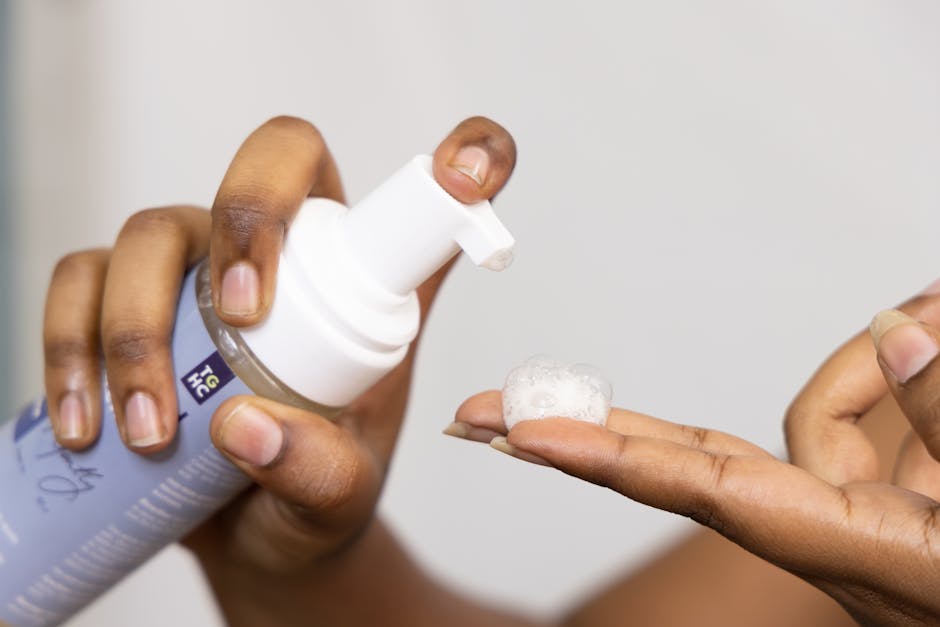
If you suspect you touched a reactive plant, chemical, or new cosmetic, immediately wash the area with lukewarm water and a mild, fragrance-free cleanser. Avoid aggressive scrubbing, which breaks the delicate epidermal barrier and drives the allergen deeper into the tissue.
If you suspect internal sensitivities are manifesting through your skin, reviewing A Practical Guide to Allergies and Food Sensitivity can help you systematically identify potential dietary triggers.
Reduce Friction and Heat
Inflamed skin is exceptionally reactive to mechanical friction and high temperatures. Implement these practical barrier-protection strategies:
- Choose gentle fabrics: Synthetic fibers and coarse wool trap heat and cause micro-abrasions. Follow practical Soft Wear Less Flare Cotton Clothing Tips for Dermatitis Relief by choosing loose-fitting, breathable garments.
- Lower the shower temperature: Hot water strips the skin of its protective lipid layer and stimulates nerve endings, aggravating the itch-scratch cycle. Stick to lukewarm water.
- Audit your home products: Switch to certified fragrance-free detergents and soaps. “Unscented” products often contain chemical masking agents to neutralize smells, whereas “fragrance-free” formulas omit added fragrance chemicals entirely.
Step 2: Apply Targeted Allergic Reaction Rash Home Remedies
Once the trigger is removed, natural home therapies can calm inflammation, stabilize the skin’s surface pH, and restore comfort without harsh side effects. Many people explore Natural Relief Top Anti-Allergic Home Remedies to Try alongside conventional approaches outlined in clinical resources like How to Treat an Allergic Reaction Rash at Home – ScienceInsights.
Best Allergic Reaction Rash Home Remedies for the Body
1. Colloidal Oatmeal Soaks and Poultices
Colloidal oatmeal contains avenanthramides—potent plant antioxidants that suppress inflammatory cytokines and soothe burning sensations.
- Bath Soak: Grind 1 cup of whole, plain oats in a clean blender until they form an ultra-fine powder that dissolves into a milky liquid. Add this to a lukewarm bath and soak for 15 to 20 minutes. Pat (never rub) the skin dry with a soft cotton towel.
- Targeted Poultice: Mix 1/4 cup of colloidal oat powder with cool distilled water until a thick paste forms. Apply directly to localized rash patches, cover with a damp washcloth for 15 to 30 minutes, rinse gently, and follow with a barrier moisturizer.
2. Cool Compresses & Botanical Teas
Applying cold damp cloths helps constrict dilated blood vessels, reducing swelling and numbing local nerve endings. To elevate this practice, explore The Best Herbal Compresses and Teas to Soothe Irritated Skin using cooled, brewed chamomile or calendula infusions. Apply for 10 to 15 minutes several times a day.
3. Sodium Bicarbonate (Baking Soda)
Baking soda functions as a natural pH buffer, calming intense pruritus caused by acidic plant resins or insect bites. Dissolve 1 to 2 cups in a lukewarm bath, or create a paste using 4 tablespoons of baking soda and 12 tablespoons of water (or virgin coconut oil) for direct 10-minute spot applications.
4. Virgin Coconut Oil
Virgin coconut oil is composed of roughly 50% lauric acid, a fatty acid with natural antimicrobial properties. It forms an emollient barrier that locks in hydration and prevents secondary bacterial colonization on cracked, irritated skin.
Safe Allergic Reaction Rash Home Remedies for Facial Skin
Facial skin is significantly thinner and more sensitive than the rest of the body, meaning strong essential oils, harsh astringents, or heavy kitchen pastes can make irritation worse. For a deeper look at gentle facial restoration, check out A Practical Guide to Natural Dermatitis Treatment.

1. Pure Fresh Aloe Vera Gel
Fresh aloe vera gel contains natural polysaccharides, bradykinase, and enzymes that reduce acute swelling. Scrape the clear inner gel from an aloe leaf, apply a thin layer over clean facial skin, and allow it to absorb for 15 minutes before rinsing with cool water.
2. The Golden Touch: Turmeric (Curcumin)
Curcumin is well-documented for its ability to downregulate nuclear factor-kappa B (NF-kB), a master inflammatory regulator. Discover The Golden Touch: How Curcumin Fights Skin Inflammation Naturally by incorporating gentle, diluted turmeric compresses or oral anti-inflammatory nutrition.
3. Facial Product Elimination Protocol
If a facial rash flares up unexpectedly:
- Immediately stop using all cosmetics, serums, exfoliants, and active skincare products.
- Cleanse with nothing more than cool water or a gentle, non-foaming cleanser.
- Store your pure facial moisturizer in the refrigerator; the chilled application immediately tames facial heat and redness.
- Reintroduce products one by one, spaced five to seven days apart, to isolate the culprit.
Step 3: Support Long-Term Healing and Prevent Future Flare-Ups
Healing an allergic rash goes beyond putting out the immediate fire on the surface; it involves supporting your immune system and reinforcing the physical skin barrier so you become less reactive over time.
The Gut-Skin Axis & Anti-Inflammatory Nutrition
The health of your digestive tract is directly mirrored in the resilience of your skin. When the gut microbiome is balanced, systemic inflammation drops, and immune cells are less prone to overreacting to minor environmental triggers. If you notice recurrent skin breakouts, following an Eczema Elimination Diet Guide: Say Goodbye to the Itch can help you pinpoint underlying food sensitivities like dairy, gluten, or excess histamines.
Environmental & Lifestyle Balance
- Maintain Ideal Humidity: Dry indoor air siphons water from the stratum corneum, creating microscopic fissures that allow allergens to penetrate. Review our Dermatitis Humidity Control Tips Survival Guide to keep home humidity levels balanced between 40% and 50%.
- Strengthen Natural Defenses: Chronic nervous system stress triggers cortisol surges and stimulates peripheral nerves to release substance P, worsening the sensation of itching. Explore practical strategies in All About Natural Holistic Immunity Boost Methods to support balance across mind, body, and spirit.
When to Seek Medical Attention for an Allergic Rash
While most mild allergic rashes respond beautifully to home remedies, certain symptoms demand prompt medical care.
- Signs of Anaphylaxis (Immediate Emergency): If a rash is accompanied by swelling of the face, lips, tongue, or throat, difficulty breathing, wheezing, dizziness, or vomiting, call 911 or go to the nearest emergency room immediately.
- Secondary Bacterial Infection: Persistent scratching can introduce bacteria like Staphylococcus aureus. Watch for spreading warmth, red streaks, increased pain, or oozing yellow pus.
- Lack of Progress: Most allergic skin rashes go away in about 2 weeks once the trigger is removed. If your rash persists beyond this timeframe, worsens significantly, or spreads over large areas of your body, schedule an appointment with a dermatologist or allergist for professional patch testing.
Frequently Asked Questions About Allergic Skin Rashes
What is the fastest way to relieve an itchy allergic rash at home?
The quickest immediate relief comes from applying a cold, damp cloth or wrapped ice pack directly to the skin for 10 to 15 minutes, followed by a lukewarm colloidal oatmeal soak. The cool temperature constricts local blood vessels and numbs hyperactive itch receptors, providing rapid comfort while you work on identifying the underlying cause.
How long does an allergic reaction rash typically take to go away?
Depending on the type of cause, it can take anywhere from a few days to a few weeks for a rash to clear. Individual hives often resolve within a few hours to days, while contact dermatitis can last 2 to 4 weeks even with treatment as the outer layers of the skin regenerate. If the triggering substance is continuously touched, the rash will persist indefinitely.
Can natural remedies make an allergic rash worse?
Yes, if applied incorrectly. Undiluted essential oils (like pure tea tree oil), unbuffered apple cider vinegar on broken skin, or commercially prepared herbal creams with synthetic preservatives can trigger secondary contact dermatitis. Always perform a 24-hour patch test on a small area of unaffected skin (like your inner forearm) before applying any new natural ingredient across an active rash.
Conclusion
Navigating an uncomfortable skin rash can be frustrating, but your body is simply communicating that it encountered an imbalance or irritant. At NuWell Health, we have found that honoring the body’s natural healing design through gentle trigger removal, botanical skin nourishment, and barrier protection yields steady, lasting relief.
By taking a holistic approach—caring for your physical skin while supporting internal gut balance and nervous system peace—you empower your body to heal from the inside out. For further guidance on identifying sensitivities and building lasting immune vitality, explore A Practical Guide to Allergies and Food Sensitivity.
This article was researched with AI and heavily edited by Jordan Oliver for accuracy and relevance.
Jordan is an author, ordained minister, and online host for His Glory TV, sharing biblically grounded insights on faith, prayer, and spiritual growth. She is the co-founder of Triple-Braided Cord Co., an intercessory prayer and healing ministry inspired by Ecclesiastes 4:12.
Jordan holds a Bachelor’s degree in Communications and Religious Studies from High Point University and is a certified Spiritual Life Coach through iCoachLife in Nashville, Tennessee. Drawing from her ministry, coaching, and academic experience, she creates trustworthy, faith-based content that helps readers grow in their relationship with God. Learn more about Jordan here.