
Dermatitis Humidity Control Tips for Healthier Indoor Air
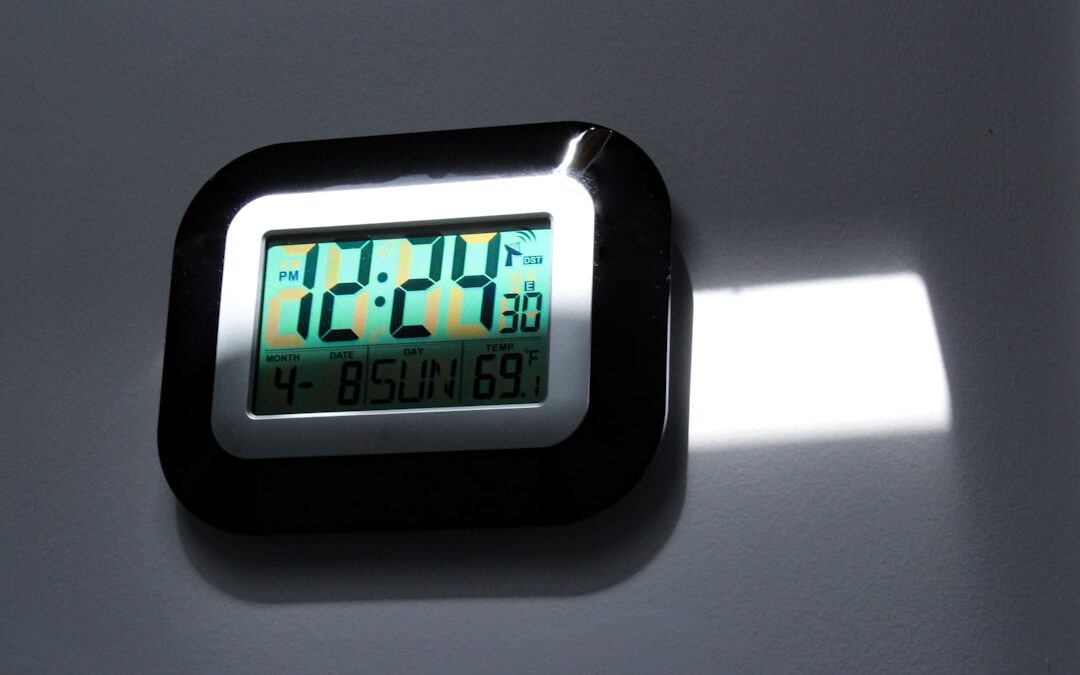
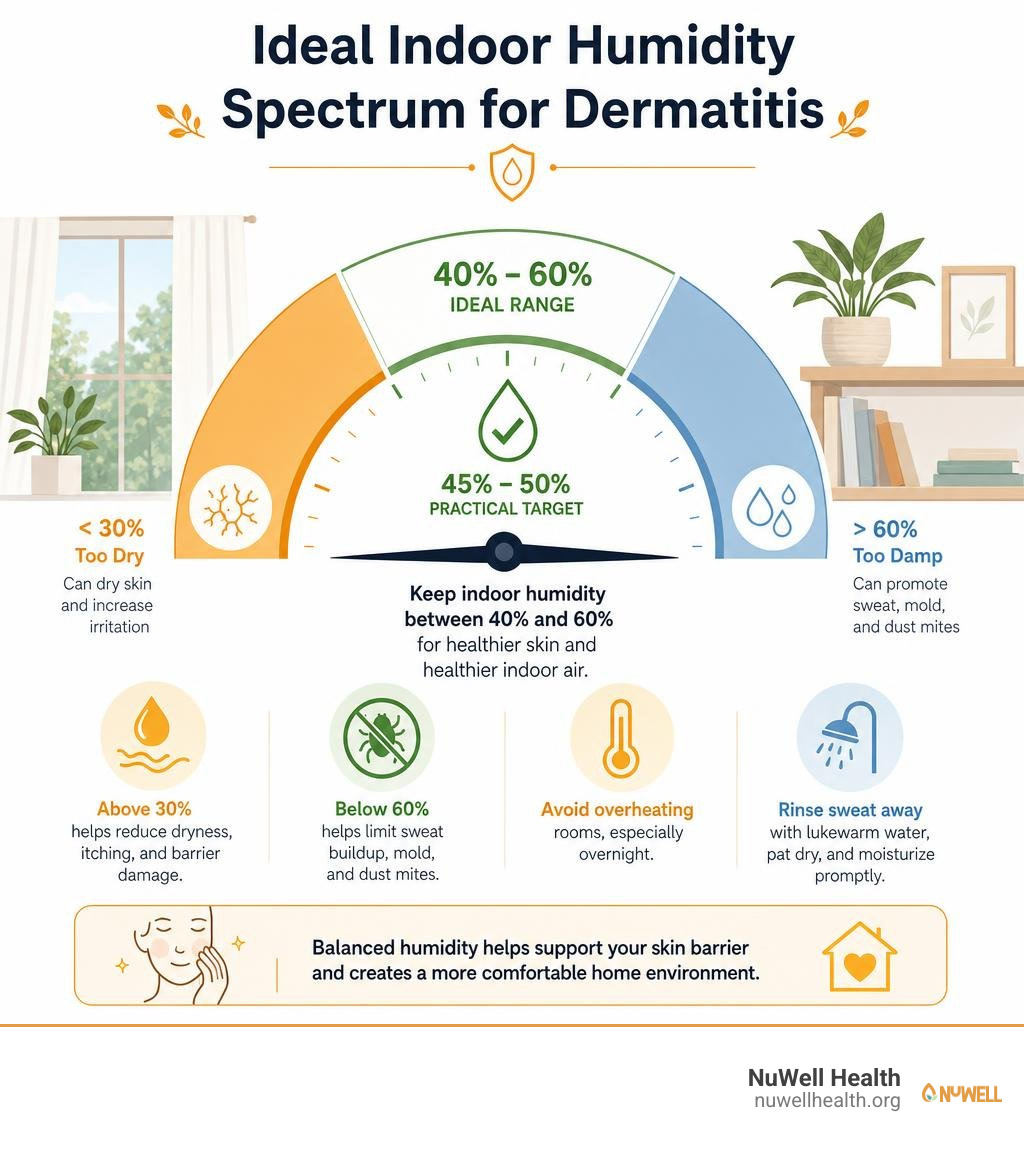
For most people with dermatitis, aim to keep indoor relative humidity at 40% to 60%, with 45% to 50% as a practical target that helps protect dry skin without encouraging dust mites and mold. Use a simple hygrometer in the bedroom and main living area, then adjust with a humidifier when air is too dry or a dehumidifier when it stays damp.
Quick dermatitis humidity control tips:
- Keep humidity above 30% to reduce skin dryness, itching, and barrier damage.
- Keep it below 60% to limit sweat buildup, mold, and dust-mite allergens.
- Avoid overheating rooms, especially overnight.
- Rinse sweat away with lukewarm water, pat dry, and moisturize promptly.
At NuWell Health, we have found that recurring skin discomfort often has more than one trigger. Dry heated air can pull water from already fragile skin. But hot, humid air can also cause sweat, friction, and allergen exposure that make eczema feel worse. Measuring your indoor air gives you a clear, natural starting point for changing the environment around your skin.
Dermatitis humidity control tips word guide:
The Science of Air Moisture and the Skin Barrier
To understand how indoor air dictates skin health, we have to look at the stratum corneum—the outermost protective shield of the epidermis. Often described using the classic “brick and mortar” model, your skin consists of protein-rich corneocyte cells (the bricks) held together by a matrix of intercellular lipids containing ceramides, cholesterol, and free fatty acids (the mortar).
When this barrier functions smoothly alongside Eczema and the Immune System How to Achieve True Skin Balance, it seals in essential hydration and keeps external irritants, microbes, and pollutants out.
Two critical biological mechanisms regulate this balance:
- Natural Moisturizing Factor (NMF): A collection of water-soluble compounds inside corneocytes, derived from the breakdown of structural proteins like filaggrin, that pulls ambient moisture directly into the cells.
- The Acid Mantle: A fine, slightly acidic film on the skin surface (maintaining an optimal pH around 5.5) that discourages pathogen growth and regulates lipid-processing enzymes.
When ambient humidity swings too far in either direction, this delicate architecture falters, accelerating transepidermal water loss (TEWL) and triggering deep inflammatory cascades. As detailed in scientific research on climatic barrier dysfunction, both low and high atmospheric moisture directly alter the skin’s physical barrier properties and provoke immune reactivity.
Low Humidity and Barrier Dehydration
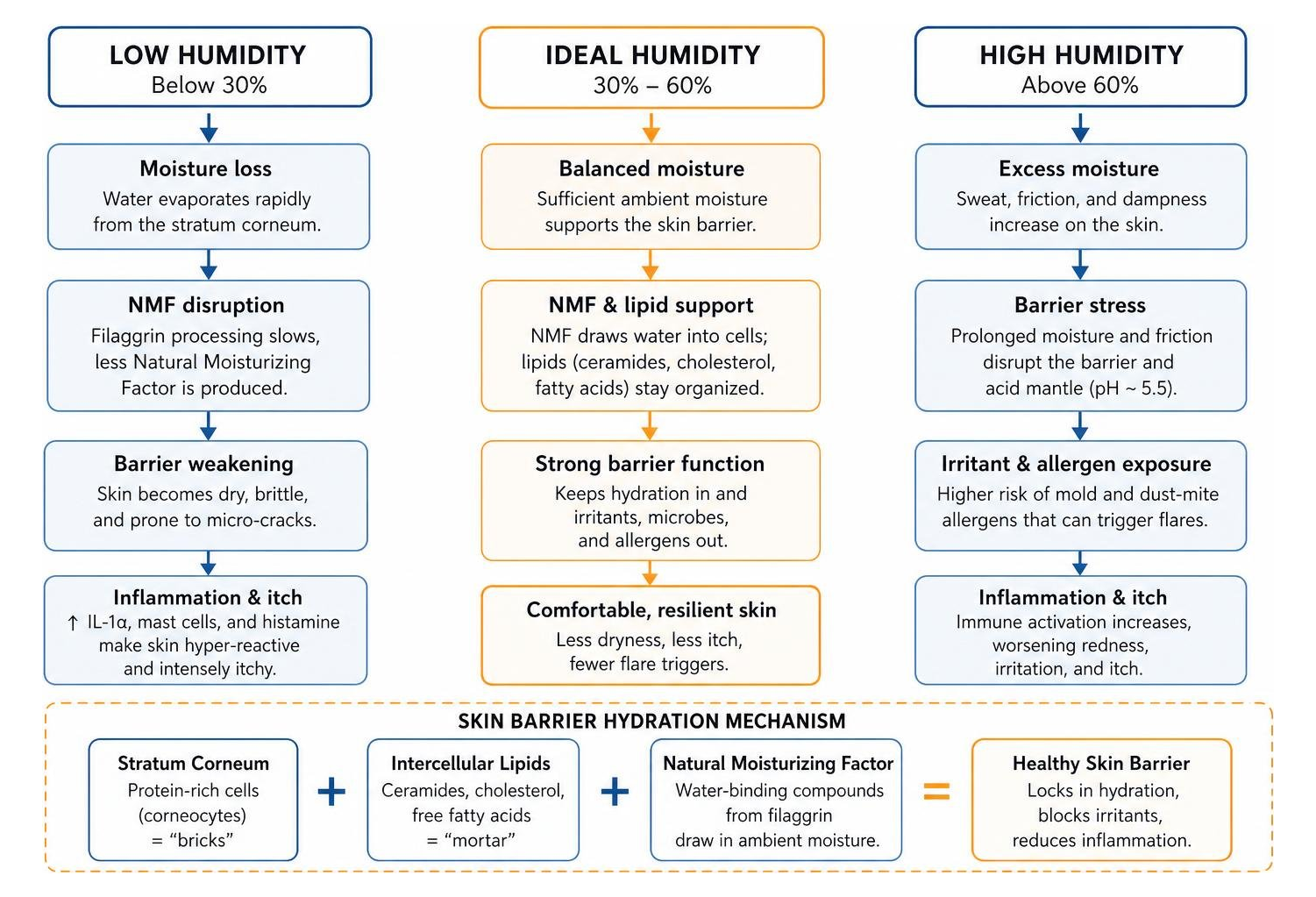
When winter arrives or central heating kicks on, indoor relative humidity frequently plummets below 30%. In such parched air, moisture evaporates rapidly from the stratum corneum. Without sufficient atmospheric water activity, filaggrin processing into NMF stalls, leaving the outer skin brittle, inflexible, and prone to microscopic cracking.
These micro-cracks do more than cause visible flaking. At the cellular level, dry air signals epidermal keratinocytes to release pro-inflammatory cytokines such as interleukin-1 alpha (IL-1α). Simultaneously, low humidity stimulates an increase in dermal mast cells and elevates local histamine levels. This biological chain reaction makes the skin hyper-reactive to everyday contact, creating the intense, unrelenting itch characteristic of winter eczema flares.
High Humidity, Sweat Maceration, and Microbial Flares
Conversely, entering a hot, humid room (where relative humidity climbs past 65% to 70%) creates the opposite problem. In high humidity, ambient vapor pressure is so high that perspiration cannot evaporate efficiently. Instead, sweat pools on the skin surface, trapping mineral salts, urea, and lactate against vulnerable tissue.
This prolonged moisture causes skin maceration—a softening of the stratum corneum that can increase barrier permeability by three to four times. Furthermore, trapped sweat shifts the natural acidic mantle from pH 5.5 toward an alkaline state. This alkaline shift deactivates barrier-repair enzymes while creating an ideal breeding ground for opportunistic pathogens.
- Staphylococcus aureus: Up to 90% of individuals with atopic dermatitis carry S. aureus on their skin (compared to just 5% of the general population). Warm, humid environments accelerate its colonization and biofilm formation.
- Malassezia Yeast: High moisture and warmth encourage yeast proliferation, frequently presenting as itchy, follicular eruptions across the neck, chest, and face.
| Feature / Metric | Low Humidity (<30% RH) | High Humidity (>65% RH) | Optimal Range (40–50% RH) |
|---|---|---|---|
| Primary Skin Impact | Severe dehydration, micro-cracks | Maceration, pore blockage | Balanced hydration, intact barrier |
| Microbial Risk | Low microbial growth; mechanical vulnerability | High Staph aureus and Malassezia growth | Balanced, diverse commensal flora |
| Allergen Drivers | Airborne dust circulation | Exponential dust mite proliferation | Suppressed dust mites & mold |
| Cellular Response | Cytokine release (IL-1α), histamine spike | Alkaline pH shift, protease activation | Normal enzymatic lipid repair |
| Sensory Sensation | Tightness, burning, dry itching | Prickly heat, stinging from sweat salts | Calm, comfortable, non-reactive |
Essential Dermatitis Humidity Control Tips for Every Season
Managing your indoor microclimate is one of the most reliable non-pharmacological ways to reduce eczema flares. By addressing the atmospheric root causes of skin distress, you provide your body with the peaceful environment it needs to repair naturally. For a broader holistic approach to barrier recovery, explore A Practical Guide to Natural Dermatitis Treatment.
Optimizing Indoor Moisture with Humidifiers and Dehumidifiers
At NuWell Health, we have found that indoor humidity management works best when guided by objective data rather than guesswork. Placing an inexpensive digital hygrometer in your bedroom allows you to monitor conditions accurately throughout the year.
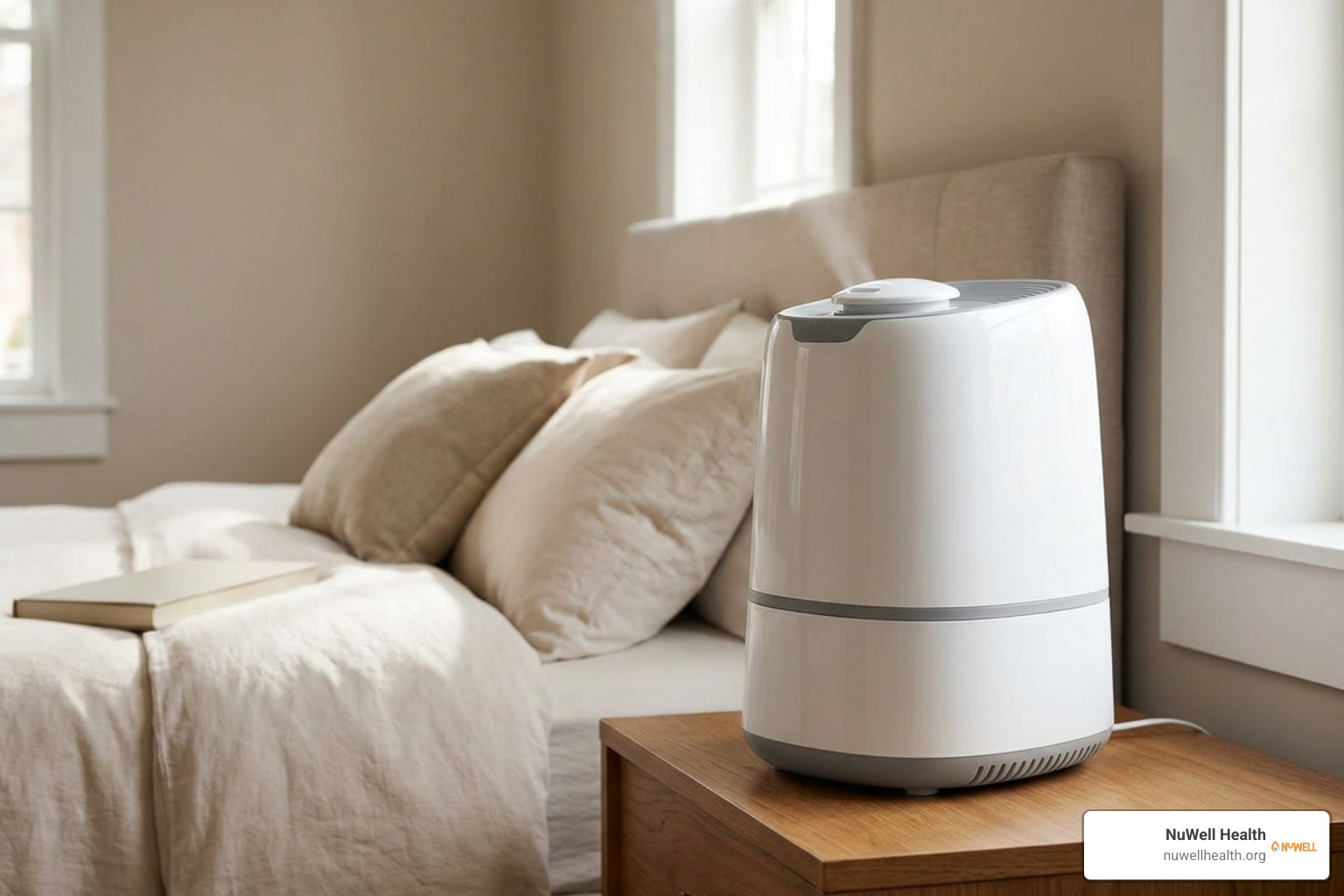
- Using Humidifiers in Dry Months: When indoor heating reduces humidity below 40%, run an evaporative or cool-mist humidifier in the bedroom overnight. Overnight humidification is particularly therapeutic because the skin’s natural barrier restoration and cellular renewal peak during sleep.
- Humidifier Hygiene: Clean your humidifier tank and internal components at least once a week with warm water and mild, non-toxic soap or white vinegar. Stagnant water can breed bacteria and aerosolize mold spores, which worsens dermatitis.
- Using Dehumidifiers in Humid Months: If your indoor humidity consistently climbs above 55% to 60%, run a portable dehumidifier to bring moisture down to the 45% to 50% range. Avoid setting dehumidifiers to continuous mode without measuring, as dropping room humidity below 30% will inadvertently dry out your skin.
- Ventilation Strategies: Run bathroom exhaust fans for 20 minutes after bathing and use kitchen range hoods when cooking to prevent excess moisture from migrating into living areas.
Air Filtration, Purifiers, and Airborne Pollutants
Indoor air quality involves more than just moisture levels; airborne particles directly affect skin inflammation. In modern living spaces, microscopic pollutants such as volatile organic compounds (VOCs—including isocyanates and xylene from furniture and paint), vehicle exhaust, and seasonal wildfire smoke can penetrate a compromised skin barrier. These compounds activate TRPA1 sensory receptors, driving the urge to scratch.
Clinical evidence highlights the restorative power of clean indoor air: as shown in this scientific analysis on environmental mitigation for atopic dermatitis, using high-efficiency air purification over 24 weeks was associated with an 18.7% reduction in transepidermal water loss alongside an 18.5% improvement in itch, rash, and sleep disruption.
- HEPA Air Purifiers: Choose air purifiers with true HEPA filtration and activated carbon to trap fine particulate matter (PM2.5) and neutralize chemical fumes without emitting ozone.
- Air Washers: These dual-action units draw room air through rotating wet discs, simultaneously humidifying dry air and trapping airborne dust, pollen, and pet dander.
- Botanical Air Cleansers: Incorporate non-toxic indoor plants such as the Boston fern, Spider plant, and Snake plant, which naturally absorb ambient VOCs while gently stabilizing ambient indoor moisture.
Practical Daily Routines: Skincare, Bathing, and Wardrobe
Modulating your environment works hand in hand with how you care for your body each day. Tailoring your topical skincare and wardrobe choices to current humidity levels prevents both dry barrier cracking and sweat-induced irritation.
Skincare Adjustments: Winter Barrier Creams vs Summer Gels
Skincare should evolve with the seasons. A heavy occlusive ointment that protects the skin in January can clog pores and trap sweat during the heat of July.
- Low Humidity (Dry Conditions): Focus on rich lipid creams containing physiological ceramides, cholesterol, and natural fatty acids. Layer these over humectant-rich botanical bases containing glycerin or sodium hyaluronate. Always practice the “soak and seal” method: bathe in lukewarm water for 10 to 15 minutes, gently pat dry, and apply your rich cream within three minutes to lock in moisture.
- High Humidity (Muggy Conditions): Switch from heavy petrolatum-based ointments to lightweight, non-comedogenic creams or botanical gels containing niacinamide, zinc, and soothing aloe. Thick ointments in humid weather act like plastic wrap, trapping heat and causing miliaria rubra (prickly heat).
- The Cooling Storage Method: In warm weather, store your daily moisturizers in the refrigerator. Applying cool cream provides natural vasoconstriction, soothing hot, inflamed skin and reducing redness without harsh topical additives.
Breathable Fabrics: Dermatitis Humidity Control Tips for Clothing
Clothing forms your skin’s immediate microclimate. Wearing the wrong fabric in high humidity traps moisture and heat against your body, while abrasive textiles in dry air cause mechanical friction against fragile skin. For in-depth fabric guidance, review our recommendations on Soft Wear Less Flare Cotton Clothing Tips for Dermatitis Relief.
- Bamboo Viscose and Tencel (Lyocell): In high-humidity conditions, bamboo and Tencel fibers are exceptional. Unlike cotton, which absorbs moisture and holds it damp against the skin, these smooth, plant-derived fibers wick perspiration away and dry rapidly.
- 100% Organic Cotton: A wonderful, breathable staple for moderate climates and dry indoor conditions. Cotton is gentle, hypoallergenic, and does not support prolonged bacterial survival compared to synthetics.
- Fabrics to Avoid: Strictly avoid synthetic fabrics like polyester, nylon, and spandex, which trap heat, promote friction, and encourage Staphylococcus aureus colonization. Avoid rough wool fibers, which mechanically abrade compromised skin barriers.
Household Environmental Management and Quick Flare Relief
Transforming your home into a low-allergen sanctuary allows your immune system to rest. Ambient humidity directly controls the population of common biological triggers inside your living spaces.
Controlling Dust Mites, Mold, and Household Irritants
House dust mites do not drink liquid water; they absorb moisture directly from the ambient air. When relative humidity exceeds 65%, dust mite populations expand exponentially, increasing exposure to Der p1 and Der p2 fecal proteins that provoke dermatitis flares.
- Maintain the 45% to 50% Sweet Spot: Keeping relative humidity below 50% naturally suppresses dust mite reproduction and prevents mold spores from germinating along walls and window frames.
- Regulate Room Temperature: Keep bedroom temperatures steady at approximately 18°C (64–65°F). Cooler sleeping temperatures prevent night sweats and reduce the metabolic activity of household pests.
- Hot Water Laundering: Wash bedding, pillowcases, and removable cushion covers weekly in water heated to at least 60°C (140°F) to neutralize dust mites and allergen residues.
- Allergen-Proof Encasements: Encase mattresses, duvets, and pillows in high-quality, breathable, allergen-barrier covers.
- Non-Toxic Cleaning Protocols: Avoid chemical cleaning sprays with strong synthetic fragrances. Instead, clean living spaces using damp microfiber cloths (to trap dust rather than redistributing it into the air) and simple, natural cleaners like baking soda and diluted white vinegar. Always wear protective gloves lined with soft cotton when doing housework.
Flash Rinses and Soothing Compresses: Dermatitis Humidity Control Tips
When outdoor heat and humidity leave your skin coated in irritating sweat, swift, gentle action prevents a full-blown flare:
- The 60-Second Flash Rinse: Step into a lukewarm shower immediately after sweating. Rinse off salt and mineral residues without using harsh soaps. Use a mild, fragrance-free cleanser only on high-sweat zones (underarms and groin), then step out.
- Pat, Don’t Rub: Gently pat your skin with a clean cotton towel. Avoid aggressive rubbing, which causes microscopic tears in a fragile epidermal barrier.
- Hypochlorous Acid (HOCl) Mist: Spritz sweat-prone skin folds with a gentle hypochlorous acid spray. HOCl is naturally produced by white blood cells; it rapidly calms inflammation and balances surface microbial balance without stinging or drying the skin.
- Natural Herbal Compresses: For acute, localized burning or itching, apply chilled herbal infusions. To prepare soothing botanical compresses at home, see our guide on The Best Herbal Compresses and Teas to Soothe Irritated Skin.
When to Seek Professional Dermatological Care
While environmental adjustments and holistic care support long-term skin health, certain symptoms require evaluation by a board-certified dermatologist or medical professional:
- Signs of Secondary Bacterial Infection: The appearance of golden, honey-colored crusts, pus-filled blisters, spreading redness, or skin that feels unusually warm and tender to the touch.
- Systemic Symptoms: Experiencing fever, chills, or swollen lymph nodes alongside an acute skin flare.
- Severe Sleep Disruption: Itching that consistently prevents restful sleep and impacts daytime function despite environmental controls.
- Fissuring and Deep Cracks: Skin that cracks, bleeds, or fails to show improvement after two to three weeks of consistent barrier support.
- Sudden, Atypical Eruptions: Widespread blistered rashes (which may indicate viral complications such as eczema herpeticum) require prompt medical attention.
Frequently Asked Questions About Dermatitis Humidity Control Tips
What is the ideal indoor humidity range for managing dermatitis?
The optimal indoor relative humidity range for managing dermatitis is 40% to 60%, with 45% to 50% serving as the ideal sweet spot. Maintaining this level provides sufficient moisture to prevent skin barrier dehydration and cracking while staying low enough to suppress the proliferation of house dust mites and mold spores.
Can running a dehumidifier dry out my skin too much?
Yes. If a dehumidifier is left running continuously without monitoring and lowers room relative humidity below 30%, it accelerates transepidermal water loss. This parches the stratum corneum, leading to tightness, itching, and barrier flaking. Always monitor room humidity with a digital hygrometer to ensure the air remains within the safe 40% to 50% range.
Why does sweating cause eczema to sting during humid weather?
In high humidity, sweat cannot evaporate efficiently and lingers on the skin. As the liquid sits, mineral salts, urea, and lactate concentrate on the surface. These concentrated compounds penetrate microscopic fissures in the compromised skin barrier, stimulating sensitive nerve endings and provoking an immediate stinging, inflammatory sensation.
Conclusion
Living with atopic dermatitis requires looking beyond surface symptoms to address the environmental and physiological factors that influence your skin every day. At NuWell Health, we have found that true, lasting skin calm is achieved through a thoughtful, root-cause approach—nurturing the body through clean air, balanced humidity, restorative nutrition, and non-toxic self-care while maintaining peace of mind and spirit through prayerful stress relief.
By bringing your indoor relative humidity into the balanced 45% to 50% range, choosing breathable natural fibers, and supporting your skin barrier with gentle daily habits, you create an environment where your skin can naturally thrive. To explore more empowering, plant-based strategies for lasting comfort, discover how to Stop the Scratch with These Natural Treatments for Eczema and take your next step toward balanced, healthy skin.
This article was researched with AI and heavily edited by Jordan Oliver for accuracy and relevance.
Jordan is an author, ordained minister, and online host for His Glory TV, sharing biblically grounded insights on faith, prayer, and spiritual growth. She is the co-founder of Triple-Braided Cord Co., an intercessory prayer and healing ministry inspired by Ecclesiastes 4:12.
Jordan holds a Bachelor’s degree in Communications and Religious Studies from High Point University and is a certified Spiritual Life Coach through iCoachLife in Nashville, Tennessee. Drawing from her ministry, coaching, and academic experience, she creates trustworthy, faith-based content that helps readers grow in their relationship with God. Learn more about Jordan here.