
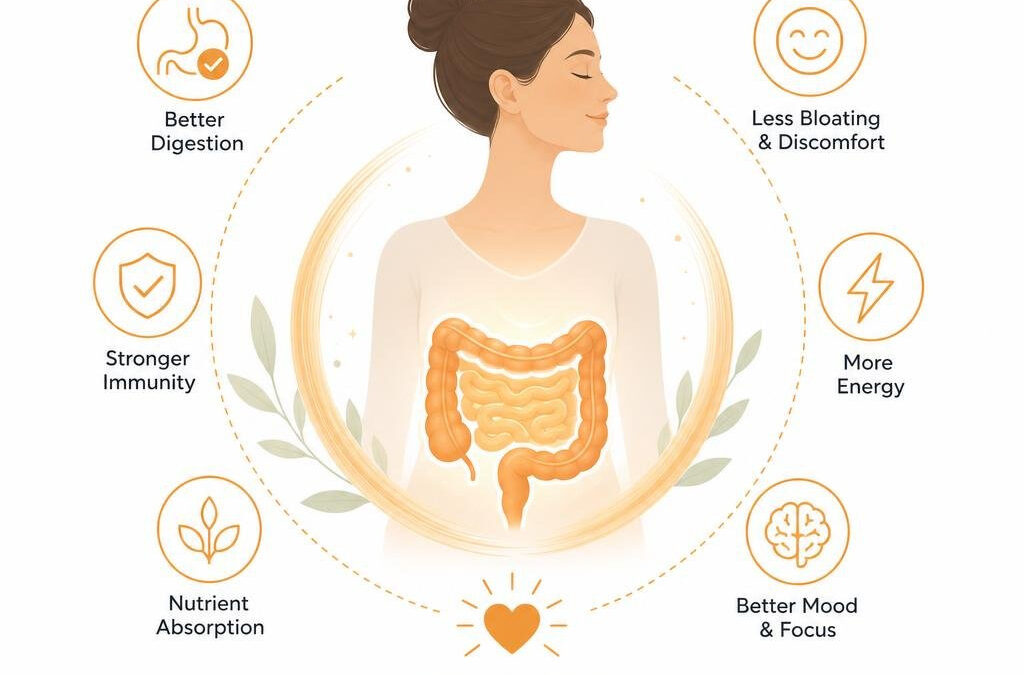
Why Digestive Issues Causes Matter More Than You Think
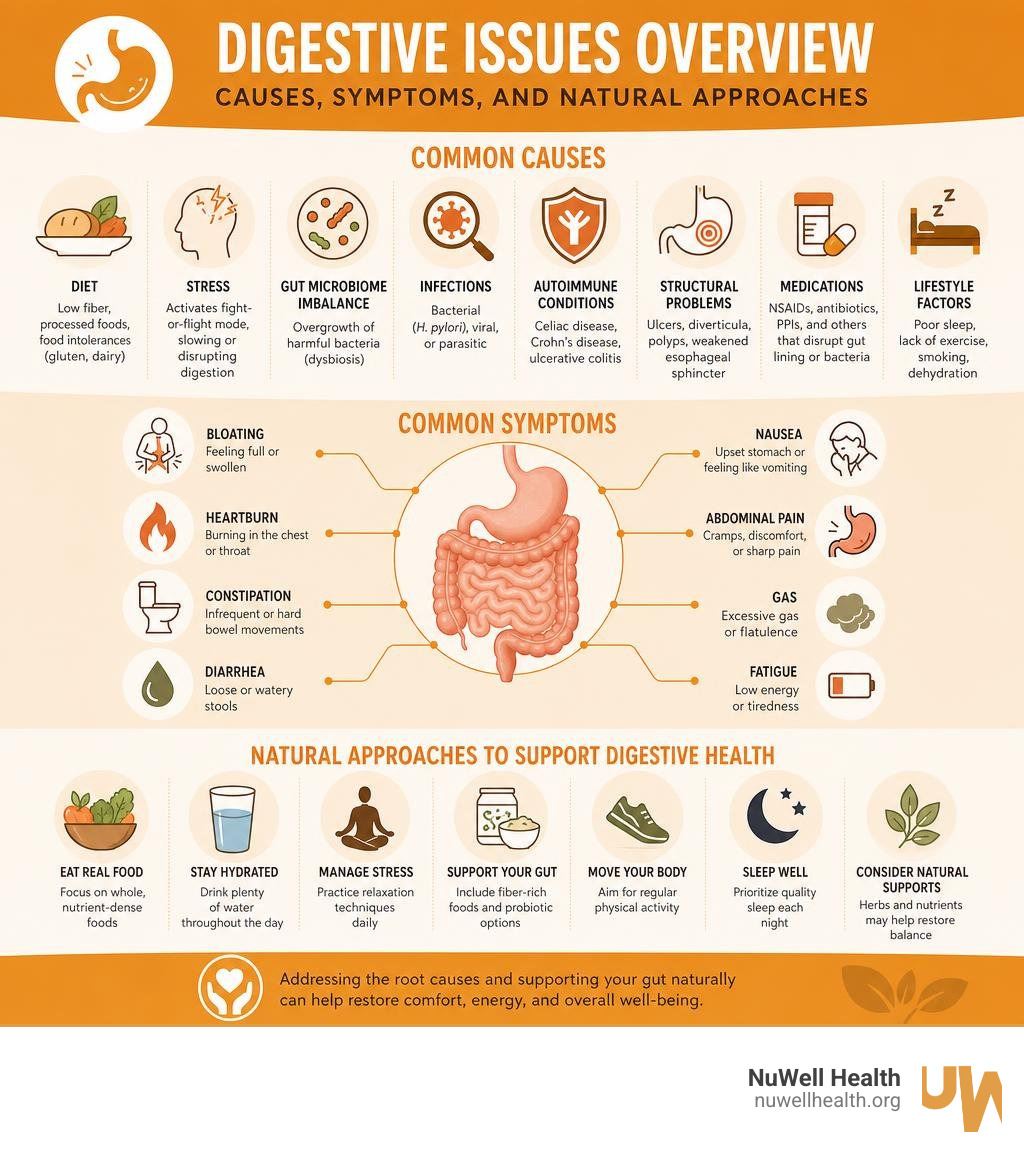
Understanding digestive issues causes is the first step toward real, lasting relief. Here is a quick overview of the most common causes:
Most Common Causes of Digestive Issues
- Diet — low fiber, processed foods, food intolerances (gluten, dairy)
- Stress — activates fight-or-flight mode, slowing or disrupting digestion
- Gut microbiome imbalance — overgrowth of harmful bacteria (dysbiosis)
- Infections — bacterial (H. pylori), viral, or parasitic
- Autoimmune conditions — celiac disease, Crohn’s disease, ulcerative colitis
- Structural problems — ulcers, diverticula, polyps, weakened esophageal sphincter
- Medications — NSAIDs, antibiotics, PPIs, and others that disrupt gut lining or bacteria
- Lifestyle factors — poor sleep, lack of exercise, smoking, dehydration
More than 60 million Americans live with some form of digestive disease. That is nearly one in five people. Yet many suffer for years without understanding why their gut is struggling.
Digestive problems are not just uncomfortable. They can drain your energy, disrupt your sleep, and chip away at your quality of life. For busy people already managing stress and health challenges, a troubled gut can feel like one more thing to battle every day.
The good news? Most digestive issues have identifiable root causes — and many respond well to natural, lifestyle-based approaches.
At NuWell Health, we have found that people often focus on managing symptoms (antacids, laxatives, pain relievers) without ever asking why those symptoms keep coming back. This guide is designed to change that.
Whether you are dealing with bloating, heartburn, constipation, or something more serious, understanding what is driving your symptoms is the foundation of genuine healing.
Understanding the Root Digestive Issues Causes
To truly heal the gut, we must first look at how the entire digestive tract functions. When something goes wrong in this complex, 30-foot pathway, it generally falls into one of two categories: organic disorders or functional disorders. Understanding this distinction is vital because it determines how we approach healing.

Organic vs. Functional GI Disorders
An organic GI disorder involves a visible, structural abnormality. If a doctor were to perform an endoscopy, colonoscopy, or imaging scan, they would see physical evidence of the problem. This includes things like inflammation, tissue damage, ulcers, tumors, or physical blockages.
A functional GI disorder, on the other hand, occurs when the digestive tract looks completely normal under a microscope or on a scan, yet it does not function properly. The movement (motility) of the digestive tract may be too fast or too slow, or the nerves in the gut may be overly sensitive.
To better understand how these two categories differ, let us look at a side-by-side comparison:
| Feature | Organic GI Disorders | Functional GI Disorders |
|---|---|---|
| Physical Structure | Visibly damaged, inflamed, or structurally altered | Structurally normal and healthy on scans |
| Primary Causes | Autoimmune response, infections, physical blockages | Gut-brain communication breakdown, dysbiosis, stress |
| Examples | Crohn’s disease, ulcerative colitis, celiac disease, peptic ulcers | Irritable Bowel Syndrome (IBS), functional dyspepsia |
| Detection | Identified via blood tests, endoscopies, tissue biopsies | Diagnosed by ruling out organic disease and tracking symptom patterns |
| Root Solutions | Targeted medical therapies, strict dietary elimination, surgery in severe cases | Stress management, nervous system regulation, microbiome restoration |
At NuWell Health, we believe that both types of disorders require a deep investigation into their underlying triggers. You can read more about this in our article on Digestive Issues Causes Demystified.
The Gut-Brain Axis: The Communication Highway
Whether a digestive issue is organic or functional, the gut-brain axis always plays a massive role. The gut and the brain are in constant communication through millions of nerves, most notably the vagus nerve.
This connection is so profound that the gastrointestinal tract is often called the “second brain” or the “second nervous system.” Because of this direct highway, emotional stress, anxiety, and trauma can physically alter gut motility, trigger spasms, increase acid production, and compromise the protective gut barrier.
According to the Cleveland Clinic Guide to GI Diseases, these interactions between the brain and the gut can dramatically worsen symptoms of both structural and functional digestive conditions.
Common Organic GI Disorders and Their Triggers
When the physical structure of the digestive system is compromised, it can lead to severe discomfort and nutrient deficiencies. As we age, our bodies can also become more vulnerable to these structural changes. For a deeper look at how aging impacts digestion, see our guide on Aging and Aching Digestive Problems in the Elderly.
Let us examine the most common organic conditions, their causes, and how they damage the gut.
Celiac Disease and Autoimmune Digestive Issues Causes
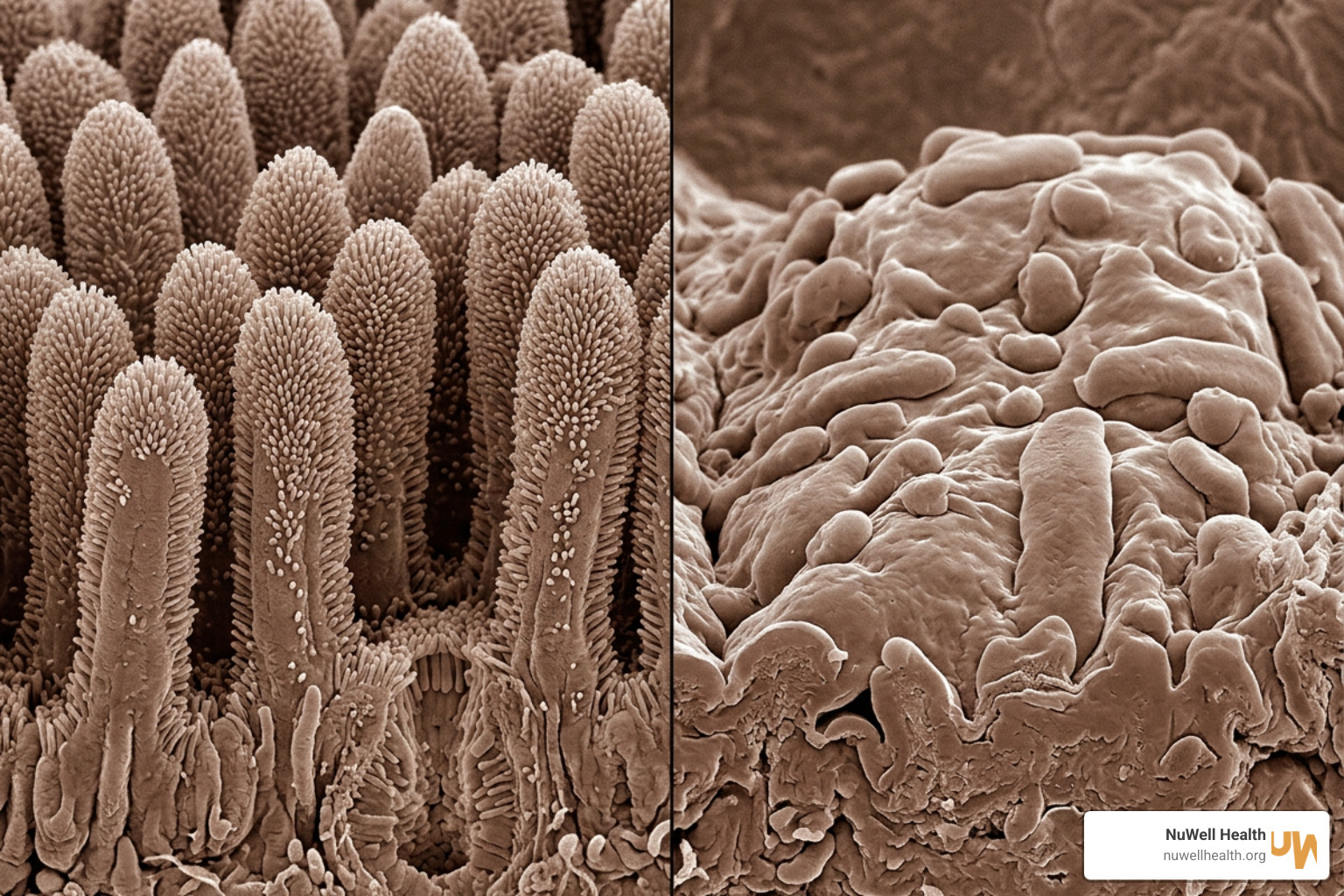
Celiac disease is a serious autoimmune condition where the consumption of gluten—a protein found in wheat, barley, and rye—triggers an immune response that attacks the small intestine.
- The Trigger: Gluten exposure.
- The Damage: The immune system attacks the tiny, hair-like projections lining the small intestine called villi. When these villi are flattened and damaged, the body can no longer properly absorb vitamins, minerals, and other essential nutrients.
- The Complications: Left undiagnosed, celiac disease can lead to chronic malnutrition, severe fatigue, neurological issues, and an increased risk of developing osteoporosis due to poor calcium absorption.
- The Solution: A strict, lifelong gluten-free diet is the only way to allow the intestinal villi to heal completely and prevent long-term complications.
Alarmingly, an estimated 2.5 million Americans are currently undiagnosed and at risk for long-term health complications from celiac disease because their symptoms are either silent or mistaken for general indigestion.
Inflammatory Bowel Disease (IBD) and Chronic Inflammation
Unlike IBS, which is functional, Inflammatory Bowel Disease (IBD) is a severe organic condition characterized by chronic, destructive inflammation of the digestive tract. It primarily manifests as two distinct diseases: Crohn’s disease and ulcerative colitis.
- Crohn’s Disease: This condition can affect any part of the digestive tract from the mouth to the anus. It often spreads deep into the affected tissues and can present in patches, leaving healthy areas of tissue in between diseased sections.
- Ulcerative Colitis: This condition is limited to the colon (large intestine) and rectum, causing continuous inflammation and ulcers in the innermost lining of the intestinal wall.
- Symptoms: Both forms of IBD cause severe abdominal pain, chronic and urgent diarrhea (often containing blood or mucus), profound fatigue, and unexplained weight loss.
- Causes: While the exact cause remains unclear, experts know it involves an immune system malfunction where the body mistakenly attacks its own healthy digestive cells, heavily influenced by genetics and environmental triggers.
GERD, Ulcers, and Diverticulitis
Other common organic issues stem from localized structural failures or infections:
- Gastroesophageal Reflux Disease (GERD): Affecting an estimated 20% of the U.S. population, GERD occurs when the lower esophageal sphincter (the muscular ring at the bottom of the esophagus) weakens or relaxes inappropriately. This allows highly acidic stomach contents to leak upward, causing painful heartburn, acid regurgitation, and potential damage to the esophageal lining.
- Peptic Ulcers: These are painful sores that develop on the lining of the stomach, lower esophagus, or small intestine. Approximately 10% of adults experience an ulcer at some point in their lives. The primary causes are infection with the Helicobacter pylori (H. pylori) bacterium and long-term use of nonsteroidal anti-inflammatory drugs (NSAIDs) like ibuprofen, which wear down the stomach’s protective mucus layer.
- Diverticulitis: This condition occurs when small, bulging pouches (diverticula) that can form in the walls of the intestines become inflamed or infected. It typically causes severe abdominal pain, usually on the lower left side, accompanied by fever and nausea. While mild cases can be managed with rest and dietary changes, severe complications can sometimes require surgical intervention.
Functional GI Disorders and the Gut-Brain Connection
When the physical structure of your gut is perfectly intact but you are still experiencing daily gas, bloating, pain, or unpredictable bowel movements, you are likely dealing with a functional GI disorder.
These conditions are deeply rooted in how the nervous system communicates with the digestive tract, affecting gut motility and pain perception.
Irritable Bowel Syndrome (IBS) as a Primary Functional Condition
Irritable Bowel Syndrome (IBS) is one of the most common functional GI conditions, affecting an estimated 10% to 15% of people in the United States. Because there are no visible signs of disease on standard medical scans, it is diagnosed based on a pattern of symptoms, including:
- Recurrent abdominal pain or cramping
- Excessive bloating and trapped gas
- Alternating bouts of diarrhea, constipation, or both
- Nerve oversensitivity (visceral hypersensitivity), where normal digestion is perceived by the brain as painful or highly uncomfortable
If you are struggling with these symptoms, we encourage you to explore our practical self-care guide, Tame Your Tummy with These Proven IBS Self-Care Strategies.
Stress and Lifestyle-Driven Digestive Issues Causes
Our daily choices and emotional health have a direct, physical impact on our digestive function. When we live in a state of chronic stress, our bodies remain locked in “fight-or-flight” mode (the sympathetic nervous system).
This state diverts blood flow and energy away from the digestive tract, which slows down digestion, triggers painful muscle spasms, and impairs the gut’s natural protective barriers.
Furthermore, chronic stress, poor sleep, and highly processed diets directly contribute to gut dysbiosis—an imbalance in the 100 trillion bacteria that live inside our digestive system. When beneficial bacteria are crowded out by harmful microbes, it can lead to persistent bloating, systemic inflammation, and worsened gut-brain communication.
To learn more about how to break this cycle, read our comprehensive resource on The Ultimate Guide to Lifestyle Changes for IBS and Happy Digestion.
Holistic Strategies for Restoring Gut Health
At NuWell Health, we believe that true healing is holistic. It requires us to nurture the mind, body, and spirit together to address the root digestive issues causes rather than just masking the symptoms. In our years of clinical experience helping clients overcome chronic gut distress, we have found that prioritizing human natural health solutions over temporary fixes is the most effective path to long-term vitality.
At NuWell Health, we have found that incorporating these gentle, natural strategies can help restore balance and bring lasting comfort:
- Nurture the Spirit: Because the gut and mind are so closely linked, quiet reflection, meditation on Scripture, and heartfelt Christian prayer can help calm an overactive nervous system, moving your body from a state of stress into a peaceful, healing state.
- Prioritize Dietary Diversity: Instead of jumping into highly restrictive diets that can starve your beneficial gut microbes over time, focus on eating a wide variety of colorful, fiber-rich whole foods, including vegetables, low-glycemic fruits, and healthy fats.
- Stay Hydrated and Active: Drinking plenty of clean water throughout the day keeps things moving smoothly through your digestive tract, while moderate daily movement—like a peaceful walk outdoors—helps stimulate natural gut motility.
- Eat Mindfully: Take 3 to 5 deep, slow belly breaths before you begin a meal. This simple practice signals to your nervous system that it is safe to enter a “rest and digest” state, allowing your body to produce the digestive enzymes needed to break down your food comfortably.
If you are experiencing persistent changes in your digestion, it is always wise to consult a professional. You can read more about recognizing these shifts in the Harvard Health on Digestive Changes guide.
Frequently Asked Questions About Digestive Health
When should I see a doctor for digestive symptoms?
While occasional gas or mild indigestion is normal, you should seek a medical evaluation if your symptoms are persistent or worsening. You should seek urgent or immediate medical care if you experience any of these “red-flag” signs:
- Blood in your stool or black, tarry stools
- Unexplained, unintentional weight loss
- Difficulty or pain when swallowing
- Severe, sudden abdominal pain
- Persistent fever accompanied by digestive distress
Can stress directly cause gut dysbiosis?
Yes, absolutely. Through the gut-brain axis, chronic stress releases hormones like cortisol that can alter the physical environment of your gut. This shift can damage the protective mucosal lining, increase gut permeability, and favor the growth of inflammatory, harmful bacteria while reducing the diversity of beneficial microbes.
What is the role of colorectal cancer screening?
Colorectal cancer is America’s second leading cause of cancer-related deaths, yet it is highly preventable. Almost all colorectal cancers begin as small, benign clumps of cells called colon polyps.
Regular screenings (such as colonoscopies) allow doctors to find and remove these polyps before they ever have the chance to become cancerous. Early detection is incredibly powerful—diagnosing colorectal cancer in its earliest stages carries a five-year survival rate of approximately 90%.
Conclusion
Your digestive system is incredibly resilient, but it requires the right environment to thrive. By shifting our focus from quick symptom fixes to addressing the true, underlying digestive issues causes, we can pave a path toward genuine, lasting recovery.
At NuWell Health, we have found that when we approach gut health through a supportive, holistic lens—addressing physical nutrition, nervous system regulation, and spiritual peace—the body’s natural capacity to heal is unlocked. You do not have to navigate this journey alone, and you deserve to feel whole.
If you are ready to identify the root causes of your digestive discomfort and build a personalized plan for wellness, we invite you to Schedule a consultation for digestive issues with us today.
This article was researched with AI and heavily edited by Jordan Oliver for accuracy and relevance.
Jordan is an author, ordained minister, and online host for His Glory TV, sharing biblically grounded insights on faith, prayer, and spiritual growth. She is the co-founder of Triple-Braided Cord Co., an intercessory prayer and healing ministry inspired by Ecclesiastes 4:12.
Jordan holds a Bachelor’s degree in Communications and Religious Studies from High Point University and is a certified Spiritual Life Coach through iCoachLife in Nashville, Tennessee. Drawing from her ministry, coaching, and academic experience, she creates trustworthy, faith-based content that helps readers grow in their relationship with God. Learn more about Jordan here.