

How a Mail-In Food Sensitivity Test Works
Understanding how an at-home kit processes your sample helps clarify what these products actually deliver. The general workflow is straightforward, designed to allow individuals to collect biological data without visiting a physical clinic.
When you order a direct-to-consumer health kit, the process follows a standardized sequence:
- At-Home Sample Collection: You receive a kit containing lancets, alcohol pads, and specialized blood spot cards or collection tubes. Using a quick finger-prick, you place several drops of capillary blood onto the collection paper.
- Mail Shipping: After allowing the sample to air-dry, you seal it in a biohazard bag and return it using a prepaid shipping mailer.
- Laboratory Analysis: The sample is routed to a clinical laboratory—typically certified under Clinical Laboratory Improvement Amendments (CLIA) standards—where technicians extract blood serum to run immunoassay testing.
- Digital Reporting: Within three to five business days after receipt, your results are posted to an online dashboard, categorizing foods into tiers of low, moderate, or high reactivity.
While CLIA certification confirms that the laboratory carries out its technical procedures with high precision and reproducibility, it does not guarantee that testing for specific biomarkers translates to clinical utility. At NuWell Health, we have found that understanding the distinction between lab accuracy and practical clinical utility is essential before acting on direct-to-consumer results. If you want to dive deeper into the technical aspects of collection, check out our guide on everything you need to know about testing your gut for food sensitivities.
What a Mail-In Food Sensitivity Test Claims to Measure
Most direct-to-consumer mail-in panels screen blood samples against anywhere from 96 to over 200 common dietary items. The primary biomarker evaluated is Immunoglobulin G (IgG) antibody binding strength.
Marketing for these kits suggests that elevated IgG antibody levels correlate with systemic inflammation, chronic digestive distress, persistent fatigue, skin flare-ups, and recurring headaches. By assigning a score to each food item, companies prompt users to temporarily remove high-reactivity foods to alleviate non-specific symptoms.
However, distinguishing between exposure markers and active triggers is essential. To better understand how screeners attempt to categorize these responses, read our overview on food sensitivity screening to find your perfect match.
Costs, Insurance, and Financial Value of At-Home Kits
Out-of-pocket pricing for a mail in food sensitivity test typically ranges from $150 to nearly $500, depending on the number of antigens tested and whether additional markers (like complement proteins) are included.
- Insurance Coverage: Standard health insurance plans rarely cover direct-to-consumer sensitivity panels because clinical guidelines do not recognize them as medically necessary diagnostic tools.
- HSA/FSA Eligibility: Many at-home health platforms allow purchase using Health Savings Account (HSA) or Flexible Spending Account (FSA) funds, provided the provider approves the merchant category code.
- Financial Value: Considering that high IgG reactivity often reflects harmless exposure rather than true sensitivity, spending hundreds of dollars on an at-home blood spot test may offer low practical return compared to working directly with a practitioner.
Medical Consensus and Clinical Accuracy of IgG Testing
The central debate surrounding mail-in sensitivity panels focuses on the physiological meaning of IgG antibodies. Standard immunology views IgG as a normal, protective response of the immune system.
Leading global organizations-including the American Academy of Allergy, Asthma & Immunology (AAAAI), the Canadian Society of Allergy and Clinical Immunology (CSACI), and the European Academy of Allergy and Clinical Immunology (EAACI)-explicitly advise against using IgG blood tests to diagnose food sensitivities or intolerances. The AAAAI explains in its public guidance that IgG antibodies often reflect food exposure rather than a harmful reaction.
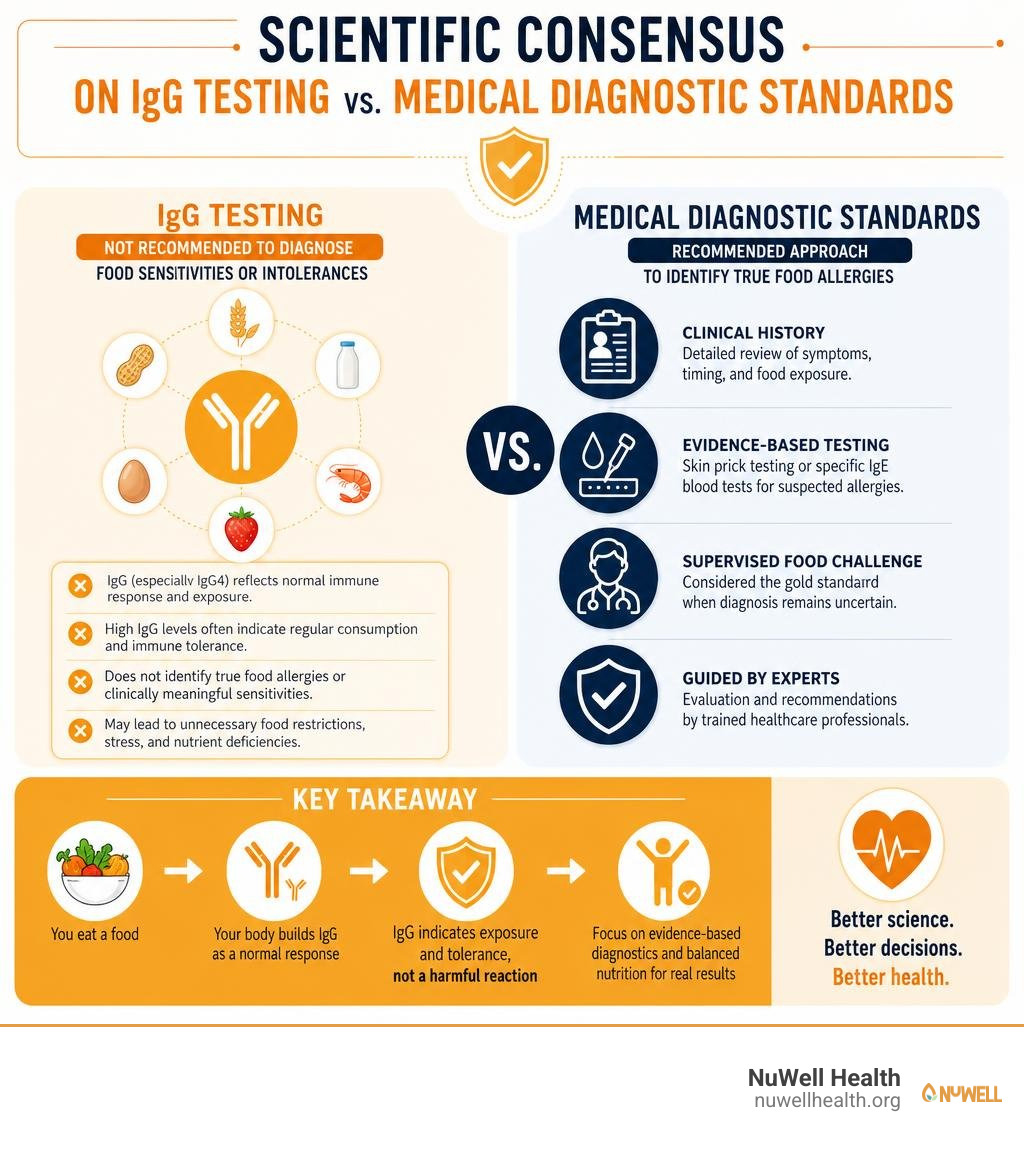
When you consume a food regularly, your immune system develops tolerance by producing IgG antibodies, specifically the IgG4 subclass. Clinical research demonstrates that elevated IgG simply confirms that your body has been exposed to that food and recognizes it without mounting a harmful allergic attack.
Consequently, using these tests often produces widespread false positives. Individuals who consume a varied, healthy diet often show high reactivity scores for the very foods they eat most frequently. Uncritically removing all “reactive” items can lead to overly restrictive eating patterns and nutrient deficiencies. At NuWell Health, we have found that understanding these distinctions is essential before making any dietary changes based on test results. For a complete look at these distinctions, review our practical guide to allergies and food sensitivity.
Diagnostic Differences: Sensitivities vs. True Food Allergies
It is critical to separate food sensitivities and intolerances from true, life-threatening food allergies.
- IgE-Mediated Allergies: True allergies trigger Immunoglobulin E (IgE) antibodies. IgE activates mast cells, causing immediate, potentially severe reactions such as hives, swelling, throat constriction, and anaphylaxis. Diagnosing these reactions requires validated tools like skin prick testing or physician-supervised oral food challenges. Explore our food allergy testing complete guide to learn more.
- Non-IgE Sensitivities and Intolerances: Intolerances are generally digestive system reactions rather than immune system threats. For example, lactose intolerance stems from a lack of the lactase enzyme, not an antibody response.
Evaluating Symptoms: IBS, Bloating, and Histamine Reactions
Chronic digestive complaints often arise from functional gastrointestinal disorders rather than specific antibody reactions to isolated foods:
- Irritable Bowel Syndrome (IBS): Symptoms like gas, cramping, and altered bowel habits are frequently driven by Fermentable Oligosaccharides, Disaccharides, Monosaccharides, and Polyols (FODMAPs)-carbohydrates that ferment in the gut regardless of IgG antibody levels.
- Histamine Intolerance: Reduced activity of enzymes like diamine oxidase (DAO) or histamine N-methyltransferase (HNMT) can cause symptoms that mimic sensitivities-such as flushing, headaches, and abdominal distress-when consuming aged, fermented, or cured foods.
- Structural GI Issues: Conditions like small intestinal bacterial overgrowth (SIBO), inflammatory bowel disease (IBD), or celiac disease require targeted medical evaluation rather than at-home blood panels.
To understand how underlying imbalances trigger chronic symptoms, explore our dedicated resource on digestive issues.
Proven Alternatives: Elimination Diets and Guided Support
Rather than relying on unvalidated blood panels, standard clinical protocol favors a structured elimination and reintroduction diet, widely regarded as the gold standard for identifying non-allergic food triggers.
| Feature / Method | Mail-In IgG Sensitivity Test | Clinical Elimination & Reintroduction Diet |
|---|---|---|
| Primary Mechanism | Measures circulating blood IgG antibodies | Identifies real-time symptom response to specific foods |
| Scientific Medical Support | Advised against by AAAAI, EAACI, and CSACI | Highly recommended by allergists and gastroenterologists |
| Out-of-Pocket Cost | $150 to $500+ | Low to free (cost of whole food groceries) |
| Risk of False Positives | High (flags frequently consumed safe foods) | Low (isolates real physical reactions) |
| Actionable Guidance | Prompts broad, unnecessary restrictions | Pinpoints specific triggers while preserving dietary variety |
At NuWell Health, we have found that structured dietary tracking provides far greater clarity than any isolated blood panel. Working alongside a qualified dietitian ensures your baseline diet remains nutritionally sound throughout the process. Learn how to connect with professional care in the ultimate guide to finding a food sensitivity specialist.
Step-by-Step Food Reintroduction Protocol
Executing an effective elimination process requires a systematic, single-variable approach:
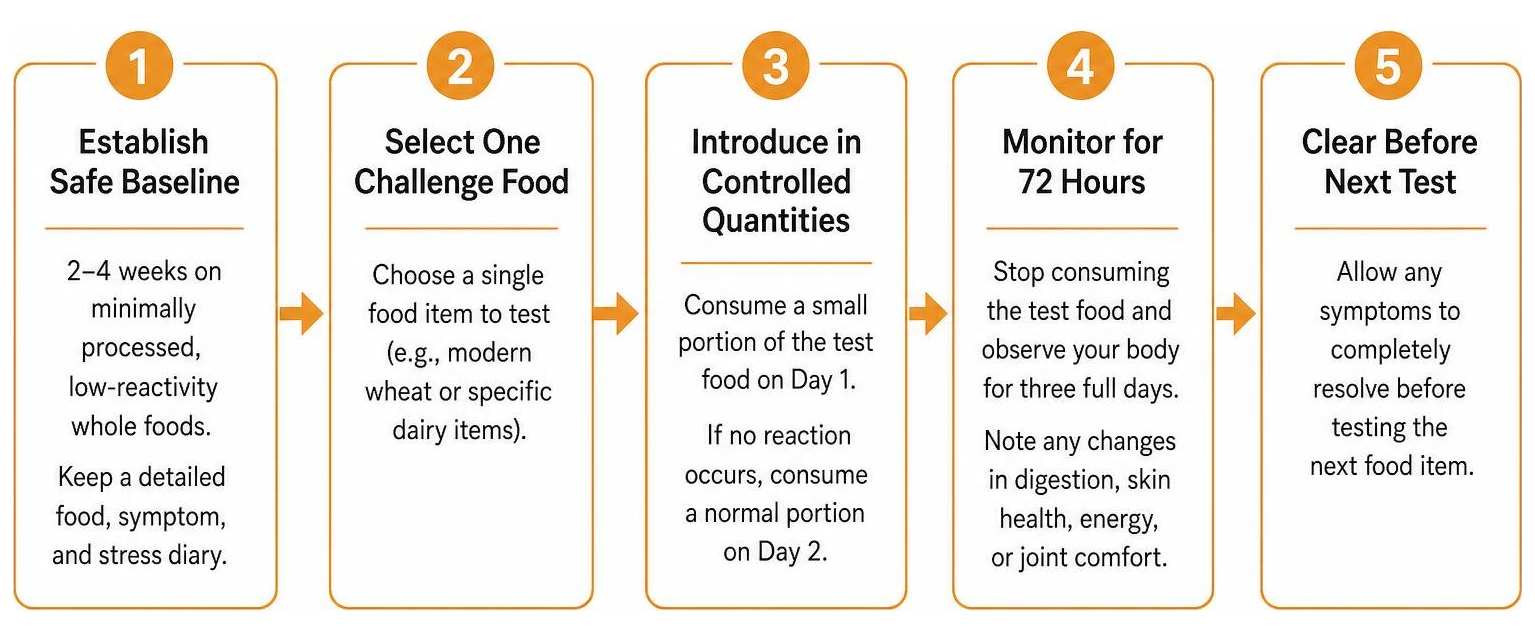
- Establish a Safe Baseline: For 2 to 4 weeks, restrict diet to minimally processed, low-reactivity whole foods while maintaining a detailed food, symptom, and stress diary.
- Select One Challenge Food: Choose a single food item to test (e.g., modern wheat or specific dairy items).
- Introduce in Controlled Quantities: Consume a small portion of the test food on Day 1. If no reaction occurs, consume a normal portion on Day 2.
- Monitor for 72 Hours: Stop consuming the test food and observe your body for three full days. Note any changes in digestion, skin health, energy, or joint comfort.
- Clear Before Next Test: Allow any symptoms to completely resolve before testing the next food item.
At NuWell Health, we have found that non-food factors like sugar alcohols (such as sorbitol or xylitol) or specific cooking oils can mimic sensitivities. To learn more about alternative non-blood screening claims, read the truth about saliva-based food sensitivity testing.
Frequently Asked Questions About Food Sensitivity Tests
How Accurate Is a Mail-In Food Sensitivity Test?
While the underlying laboratory machinery accurately quantifies IgG antibody levels, the clinical interpretation of those levels is unproven. High IgG antibodies demonstrate immune memory and normal tolerance, not an active food intolerance or disease state. At NuWell Health, we have found that evaluating symptoms in full clinical context with a healthcare practitioner yields far clearer results than relying on isolated antibody scores.
Are At-Home Sensitivity Kits Covered by Health Insurance?
Most traditional health insurance policies do not cover at-home food sensitivity panels because major medical societies classify IgG testing for food sensitivities as unproven. However, many suppliers allow you to pay using HSA or FSA funds.
What Symptoms Warrant Professional Sensitivity Testing?
If you experience severe, immediate reactions such as facial swelling, hives, or breathing difficulty, seek emergency medical attention and formal IgE allergy testing. For chronic issues like severe bloating, persistent diarrhea, unexplained weight loss, or chronic headaches, consult a physician to evaluate for conditions like celiac disease, IBD, or severe intolerances. For an in-depth exploration of digestive reactions, review our guide to food allergies and intolerances: the ultimate guide to gut reactions.
Conclusion

A mail in food sensitivity test promises quick answers for frustrating symptoms, but scientific consensus shows that measuring IgG antibodies primarily reflects normal food exposure, not underlying intolerances. Relying on these results can cause unnecessary food anxiety and excessive dietary restrictions.
At NuWell Health, we have found that true gut healing begins by looking at the whole person—addressing digestive function, lifestyle factors, stress, and nourishing the body naturally. Rather than guessing with unproven tests, adopting a systematic elimination diet alongside holistic guidance helps identify true triggers while protecting your long-term health. Explore the definitive guide to food sensitivity testing to take control of your digestive wellness today.
This article was researched with AI and heavily edited by Jordan Oliver for accuracy and relevance.
Jordan is an author, ordained minister, and online host for His Glory TV, sharing biblically grounded insights on faith, prayer, and spiritual growth. She is the co-founder of Triple-Braided Cord Co., an intercessory prayer and healing ministry inspired by Ecclesiastes 4:12.
Jordan holds a Bachelor’s degree in Communications and Religious Studies from High Point University and is a certified Spiritual Life Coach through iCoachLife in Nashville, Tennessee. Drawing from her ministry, coaching, and academic experience, she creates trustworthy, faith-based content that helps readers grow in their relationship with God. Learn more about Jordan here.