

Stress Management Can Help Reduce Dermatitis Flare-Ups
Stress can worsen dermatitis by increasing itch, inflammation, and scratching. To lower the chance of stress-related flare-ups, pair your prescribed skin treatment with simple daily calming habits:
- Pause before scratching. Take slow belly breaths, apply moisturizer, or hold a cool compress over the itchy area.
- Build a short daily reset. Try prayer, quiet reflection, progressive muscle relaxation, or a 10-minute walk.
- Protect sleep and routines. Regular meals, movement, and a consistent bedtime can make stress feel more manageable.
- Track patterns. Note stressful events, sleep, weather, products, food reactions, and symptoms to spot your personal triggers.
- Get support when needed. Cognitive behavioral therapy and habit-reversal training can help interrupt the itch-scratch cycle.
At NuWell Health, we have found that lasting progress often comes from addressing both sides of dermatitis: caring for the skin barrier while building practical ways to calm the body’s stress response. Stress management is not a replacement for dermatology care or prescribed medication. It is a useful part of a whole-person plan.
Psychological stress can activate the body’s stress systems, heighten inflammation, and make itch harder to ignore. In turn, poor sleep, visible rashes, and constant scratching can create more stress. Small, repeatable practices help interrupt that loop before it becomes a major flare.
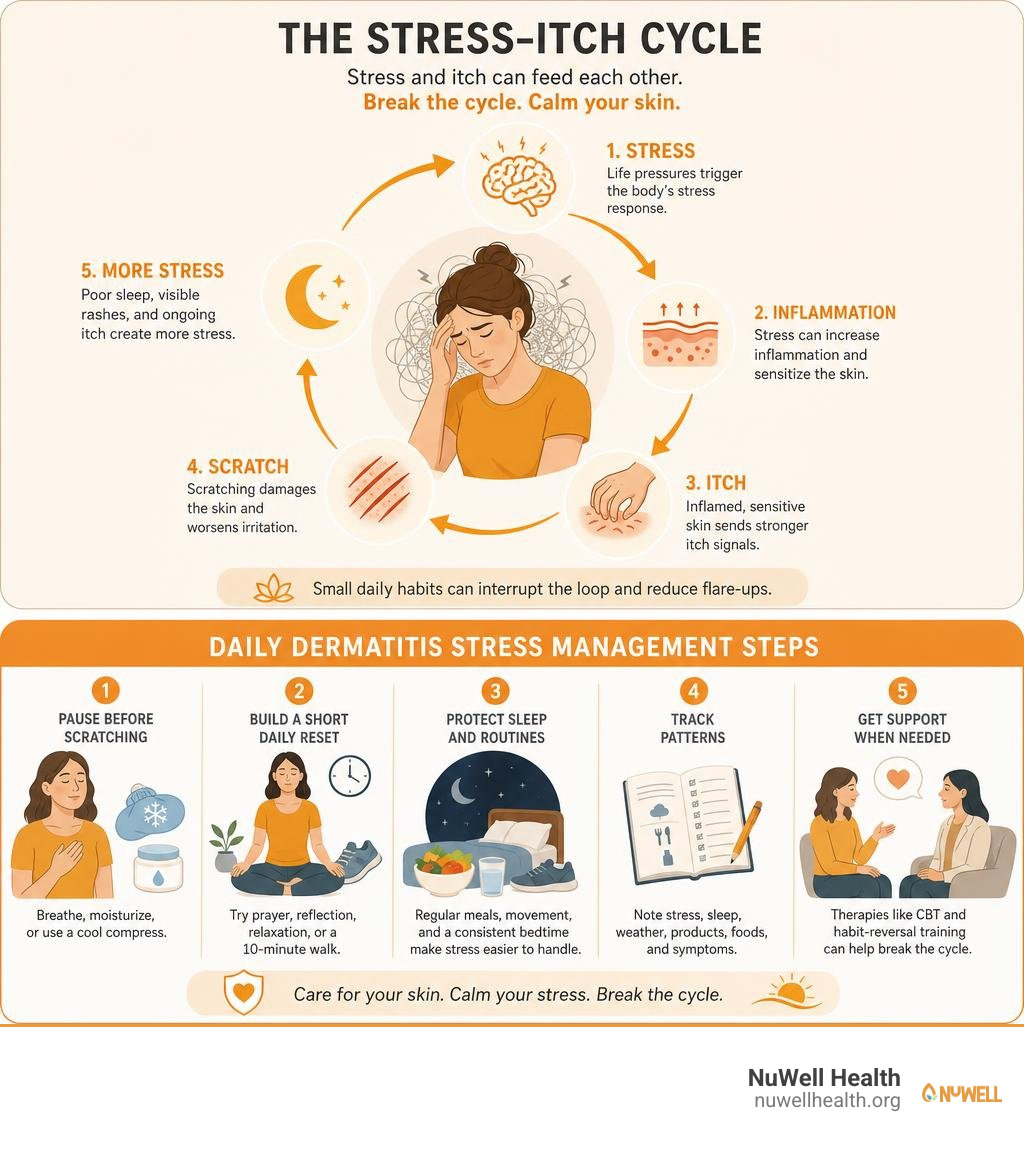
Dermatitis stress management techniques word roundup:
The Brain-Skin Connection: How Psychological Stress Worsens Dermatitis
To understand why your skin flares up during high-pressure moments, we have to look at the brain-skin axis. The brain and the skin share an embryonic origin, meaning they remain in constant, direct chemical communication throughout our entire lives. When your mind perceives tension, worry, or mental overload, your central nervous system triggers a biological cascade known as the hypothalamic-pituitary-adrenal (HPA) axis alongside the sympathetic nervous system.
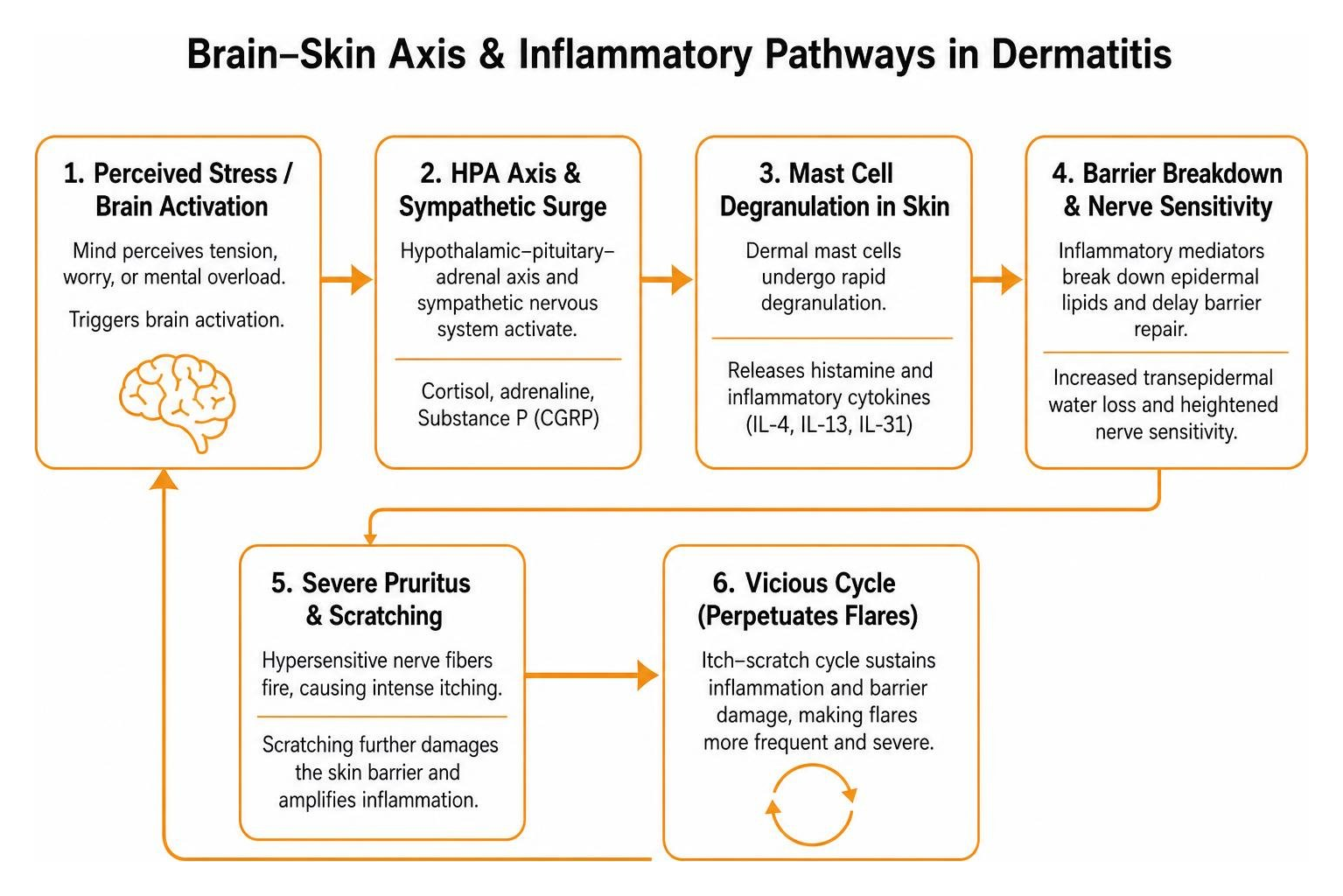
Once activated, this pathway floods your bloodstream with stress hormones like cortisol, adrenaline, and neuropeptides, particularly Substance P and calcitonin gene-related peptide (CGRP) (Graubard et al., 2021). Interestingly, the skin also features its own local, peripheral neuroendocrine system capable of synthesizing cortisol directly in tissue. When systemic stress hits, dermal mast cells undergo rapid degranulation, releasing histamines and inflammatory cytokines such as IL-4, IL-13, and IL-31 (frequently called the “itch cytokine”).
This sudden chemical release breaks down epidermal lipids, delaying barrier repair and allowing water to escape—a process known as transepidermal water loss. When the protective barrier cracks, irritants penetrate more easily, hypersensitive nerve fibers fire uncontrollably, and severe pruritus (itching) sets in. This physiological link mirrors what occurs across other chronic inflammatory conditions, where systemic nerve strain fuels chronic pain and inflammation. For deeper insights into the complex cellular pathways involved, see The Skin–Brain–Exposome Axis in Stress-Sensitive Dermatoses: A Narrative Review.
Acute vs. Chronic Stress in Triggering Pruritus
Not all psychological tension impacts your skin in the exact same manner. The physical sensation and lasting severity of dermatitis depend heavily on whether the stress is a brief, acute event or an ongoing, chronic burden (Lönndahl et al., 2023).
- Acute Stress: This represents short-term spikes in emotional tension—such as speaking publicly, navigating a sudden deadline, or dealing with a heated conversation. Acute stress causes immediate sympathetic arousal, raising your heart rate and releasing rapid bursts of neuropeptides. The resulting itch often feels sudden, prickling, and localized, triggering an immediate urge to rub or scratch.
- Chronic Stress: Long-term stressors—such as ongoing financial strain, chronic relationship discord, or work burnout—keep the HPA axis in a state of continuous, dysregulated activation. Chronic stress suppresses immune defense while sustaining low-grade systemic inflammation, thinning the stratum corneum and degrading skin lipids over months. People experiencing chronic stress often describe an itch that feels deeper, relentless, and unyielding, persisting even when the skin appears visually calm.
| Stress Dynamic | Primary Physiological Pathway | Common Pruritus Characteristics | Typical Skin Barrier Impact |
|---|---|---|---|
| Acute Stress | Rapid sympathetic surge; burst of Substance P & histamine | Sharp, sudden, prickling itch; rapid onset | Temporary flushing, transient barrier permeability |
| Chronic Stress | Sustained HPA axis dysregulation; Th2/Th17 immune shift | Deep, continuous, crawling itch; resistant to moisturizers | Chronic lipid loss, severe barrier breakdown, delayed wound healing |
Identifying Stress Triggers vs. Environmental Irritants
Because dermatitis is influenced by multiple variables, figuring out whether a flare-up stems from an emotional event or an environmental exposure can feel confusing. However, tracking specific characteristics helps you distinguish between them:
- Stress-Induced Flares: Often appear rapidly following emotional conflict or exhaustion, accompanied by physical signs of tension (such as jaw clenching, shallow breathing, gastrointestinal upset, or sleep disturbances). The itch tends to spread across multiple classic dermatitis areas (e.g., flexural folds, neck, hands) simultaneously.
- Environmental or Contact Flares: Typically localized to the area directly exposed to an irritant (such as a new laundry detergent, wool clothing, or harsh soap) or appear predictably alongside seasonal atmospheric shifts.
Keeping a symptom journal where you log daily emotional states, sleep quality, and environmental exposures will help you spot these patterns. For practical steps on balancing room climates to protect sensitive skin, read our dermatitis humidity control tips survival guide.
Evidence-Based Dermatitis Stress Management Techniques
Integrating mental calming practices into your daily life can actively recalibrate your autonomic nervous system, downregulate systemic inflammation, and support tissue healing. Clinical research in psychodermatology demonstrates that targeted behavioral approaches significantly reduce itching and improve overall disease control (Graubard et al., 2021). To understand more about the interplay between your thoughts and physical recovery, explore the mind body connection in mental health. Comprehensive reviews, including Stress and Skin: An Overview of Mind Body Therapies as a Treatment Strategy in Dermatology – PMC, provide clear evidence for these clinical approaches.

Mind-Body Dermatitis Stress Management Techniques: Meditation and Biofeedback
Mind-body interventions give you direct tools to calm nervous system arousal and reduce systemic cortisol:
- Mindfulness-Based Stress Reduction (MBSR): MBSR teaches you to observe physical sensations—including itch and warmth—without immediately reacting in panic or frustration. By shifting the brain out of a threat-response mode, mindfulness reduces autonomic hyperreactivity and lowers inflammatory markers.
- Biofeedback Training: Using real-time monitoring of physiological signals like skin conductance (electrodermal activity), skin surface temperature, and heart rate variability (HRV), biofeedback helps you consciously regulate your involuntary nervous system. Learning to lower your skin conductance dampens sympathetic activation, which has been shown to support epidermal barrier recovery.
- Progressive Muscle Relaxation (PMR): Developed by Edmund Jacobson, this technique involves methodically tensing and releasing distinct muscle groups from your toes to your face. Controlled trials show that practicing PMR regularly leads to notable decreases in pruritus intensity and improvements in restful sleep.
- Clinical Hypnotherapy & Guided Imagery: Guided imagery and medical hypnosis direct deep relaxation to alter sensory perception in the brain. In clinical evaluations of patients with treatment-resistant dermatitis, structured hypnotherapy contributed to marked reductions in skin symptoms and significantly lowered dependence on topical corticosteroids.
Behavioral Dermatitis Stress Management Techniques: Habit Reversal and CBT
While mind-body therapies calm internal arousal, behavioral techniques address the external, physical habits that damage the skin barrier.
- Cognitive Behavioral Therapy (CBT): CBT helps identify and reframe catastrophic thought patterns surrounding dermatitis (e.g., “This itch will never end,” or “My skin is completely ruined”). Because feelings of helplessness trigger stress hormone spikes, replacing negative beliefs with balanced, solution-focused thoughts calms the brain’s alarm center.
- Habit Reversal Training (HRT): Much of the scratching associated with chronic dermatitis occurs automatically as an unconscious conditioned reflex. HRT interrupts this destructive cycle through three core steps (Lönndahl et al., 2023):
- Awareness Training: You learn to identify subtle warning signs (a tingle, emotional restlessness, hand movements toward the skin) before scratching begins.
- Competing Response: As soon as an itch urge arises, you engage in a physically incompatible action for 60 to 90 seconds—such as clenching your fists, interlocking your fingers, applying gentle palm pressure, or holding a smooth stress stone.
- Urge Surfing: Instead of fighting the sensation, you mentally visualize the itch as an ocean wave that builds to a peak, crests, and naturally subsides without requiring physical scratching.
For qualitative data detailing how patients navigate these psychological methods, see Psychological Stress and Atopic Dermatitis: A Focus Group Study.
Daily Lifestyle Habits to Lower Stress and Support Skin Recovery
Building lasting skin resilience requires daily supportive rhythms. Aligning your lifestyle habits with your natural circadian biological clock calms the nervous system and creates an internal environment where skin can repair itself. A great starting foundation is a practical guide to natural dermatitis treatment, alongside learning eczema and the immune system how to achieve true skin balance.
Restorative Physical Exercise and Sleep Optimization
Regular physical movement is a proven way to clear circulating adrenaline and stimulate mood-lifting endorphins. However, for individuals managing dermatitis, vigorous workouts can sometimes trigger stinging or itching if sweat accumulates on broken skin.

To exercise comfortably without flaring your skin:
- Choose Low-Impact, Moderate Movement: Brisk walking, light cycling, gentle Pilates, or restorative mobility routines provide excellent cardiovascular and mental benefits without excessive sweating.
- Manage Sweat Quickly: Wear loose-fitting, natural cotton athletic wear that lets your skin breathe. Keep a soft, clean towel nearby to gently pat away perspiration rather than wiping vigorously.
- Rinse Promptly: Take a lukewarm shower immediately after working out to rinse away sweat salts, followed by an immediate application of a rich, non-toxic moisturizer while your skin is still damp.
- Prioritize Deep Sleep Hygiene: Cortisol drops and cellular tissue regeneration peaks during deep, non-REM sleep. Establish a relaxing evening routine: power down electronic screens 60 minutes before bed, keep your bedroom cool (around 65°F to 68°F), and use smooth 100% cotton bed linens to prevent nighttime overheating.
Calming the Nervous System with Breathwork and Prayer
Purposeful breathing exercises physically stimulate the vagus nerve, sending an immediate signal to your brain that you are safe. When paired with quiet, faith-focused reflection, breathwork provides both physiological calming and mental restoration.
- 4-7-8 Diaphragmatic Breathing: Inhale quietly through your nose for 4 seconds, gently hold your breath for 7 seconds, and exhale fully through your mouth for 8 seconds. Repeating this cycle 4 times slows rapid heart rates and lowers autonomic tension.
- Box Breathing (4x4x4x4): Inhale for 4 seconds, hold for 4 seconds, exhale for 4 seconds, and hold empty for 4 seconds. This simple exercise stabilizes nervous system fluctuations during acute stressful moments.
- Christian Contemplative Prayer & Scripture Meditation: Taking 10 to 15 minutes of quiet time to meditate on peaceful biblical scriptures (such as Philippians 4:6-7 or Psalm 46:10) allows you to release emotional burdens. Deepening inner spiritual peace quietens the mind, easing the emotional strain that often worsens physical symptoms. Learn more about addressing deeper spiritual and emotional factors in healing from within a deep dive into mind root cause treatments.
Integrating Stress Reduction into a Holistic Dermatitis Care Plan
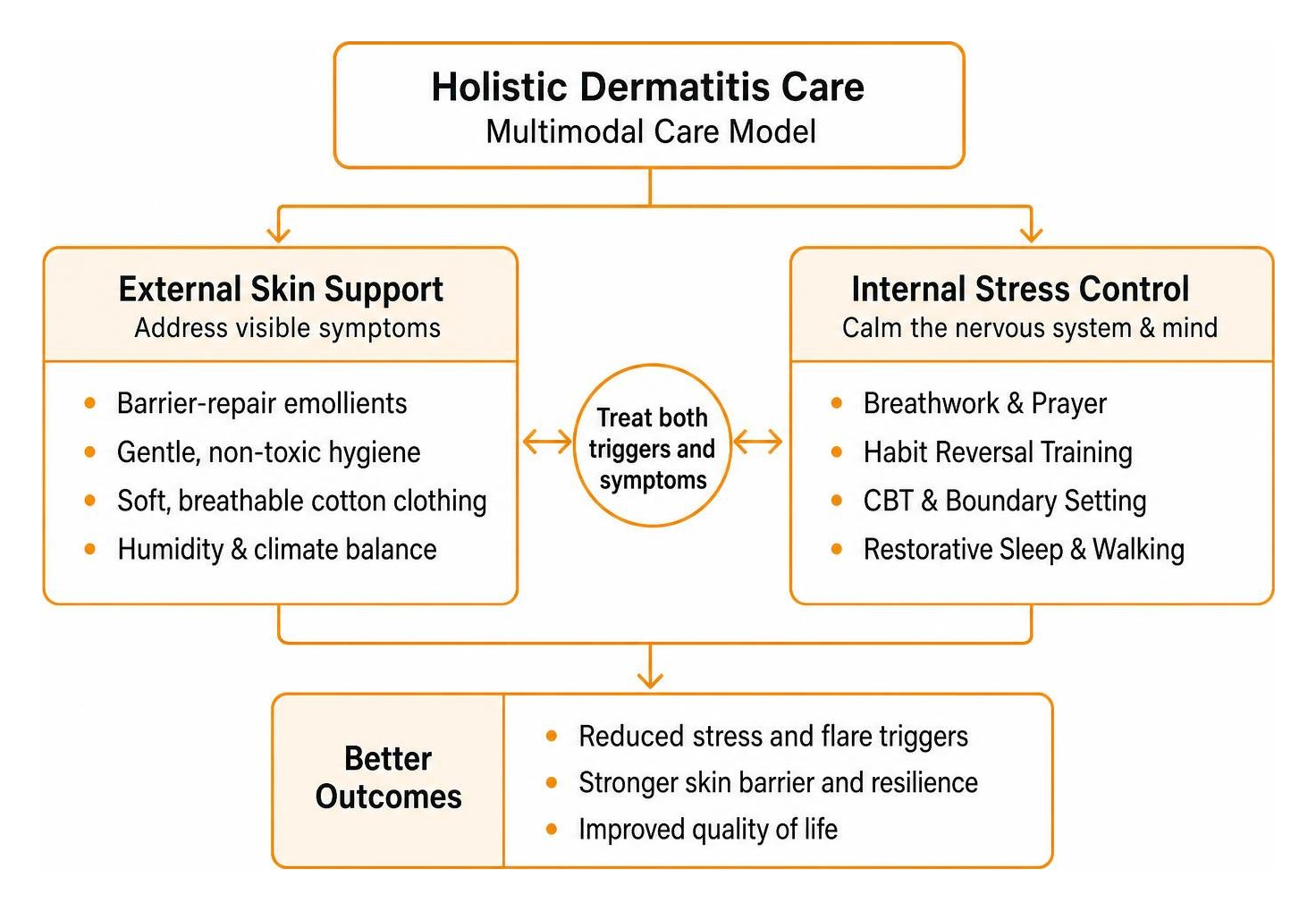
Managing dermatitis effectively is rarely about finding a single miracle fix; it requires a thoughtful, multi-faceted approach. By combining topical barrier support with targeted stress management techniques, you treat both the external symptoms and the internal triggers. This whole-person philosophy forms the foundation of roots over remedies.
Overcoming Barriers to Behavioral Support in Clinical Practice
While the scientific link between mental stress and dermatitis is clear, accessing specialized psychodermatology care can present challenges:
- Specialist Availability: Dedicated psychodermatologists are relatively rare in primary clinical settings. However, you can work with licensed counselors, cognitive behavioral therapists, or mental health professionals who specialize in chronic health and habit modification.
- Digital Health Tools & Biofeedback Apps: Modern smartphone applications offering structured guided imagery, HRV biofeedback, and sleep tracking provide accessible, evidence-based stress support right from home.
- Collaborative Doctor Visits: When speaking with your dermatologist, openly discuss the emotional and stress-related patterns you notice during flare-ups. Dermatologists can readily offer guidance on pairing medical creams with non-pharmacological behavioral therapies.
Practical Self-Care and Boundary Setting
Managing stress also means making deliberate lifestyle choices that protect your emotional energy and daily peace of mind:
- Establish Healthy Boundaries: Practice saying no to unnecessary social, personal, or professional obligations that exceed your capacity. Overcommitting keeps stress hormones persistently elevated.
- Structure Your Workload: Break intimidating work projects into small, manageable action steps. Tackle high-priority items during your peak energy hours, and schedule dedicated 5-minute movement or breathing breaks throughout the workday.
- Cultivate a Caring Support System: Share your dermatitis journey with trusted friends, family, or support communities. Explaining how physical discomfort affects your energy helps loved ones provide meaningful emotional support, reducing feelings of isolation.
Frequently Asked Questions About Dermatitis and Stress
How quickly can stress reduction reduce an eczema flare-up?
Engaging in immediate calming practices—such as diaphragmatic breathing, cool compresses, or progressive muscle relaxation—can quiet nerve hyperactivity and lessen acute itching sensations within 10 to 15 minutes. However, resolving visible skin inflammation and rebuilding a damaged epidermal barrier takes consistent daily care, typically showing measurable improvements over 2 to 4 weeks of steady stress management and barrier moisturization.
What is the difference between stress itch and allergen itch?
An allergen-induced itch usually develops directly at the site of contact with an irritant, often presenting with rapid localized swelling, hives, or distinct redness driven primarily by local histamine release. A stress-induced itch is driven by neurogenic pathways involving central neuropeptides (such as Substance P). Patients often describe it as a deep, creeping, or widespread crawling sensation that escalates alongside emotional worry or physical exhaustion.
Can physical exercise trigger dermatitis while reducing stress?
Yes, vigorous exercise can sometimes trigger stinging or itchiness if sweat is allowed to dry and leave irritating mineral salts on compromised skin. You can easily prevent this by opting for moderate, low-sweat exercises (such as brisk outdoor walking, stretching, or light resistance training), wearing breathable cotton fabrics, and taking a quick lukewarm rinse immediately after your workout.
Conclusion
Living with dermatitis can often feel like an exhausting uphill climb, especially when physical flare-ups and emotional stress continuously trigger one another. But you are not powerless against this cycle. By understanding the brain-skin axis and using practical, evidence-based tools—from habit reversal training and mindful breathwork to restful sleep, gentle movement, and faith-centered prayer—you can calm your nervous system and support your skin from the inside out.
At NuWell Health, we have found that true, lasting wellness happens when we treat the whole person: mind, body, and spirit. When you pair gentle, root-cause skin care with intentional daily stress management, you build genuine resilience that helps prevent future flares.
Take the next step in your healing journey by reading stop the scratch with these natural treatments for eczema, and start embracing a calmer, healthier life today.
This article was researched with AI and heavily edited by Jordan Oliver for accuracy and relevance.
Jordan is an author, ordained minister, and online host for His Glory TV, sharing biblically grounded insights on faith, prayer, and spiritual growth. She is the co-founder of Triple-Braided Cord Co., an intercessory prayer and healing ministry inspired by Ecclesiastes 4:12.
Jordan holds a Bachelor’s degree in Communications and Religious Studies from High Point University and is a certified Spiritual Life Coach through iCoachLife in Nashville, Tennessee. Drawing from her ministry, coaching, and academic experience, she creates trustworthy, faith-based content that helps readers grow in their relationship with God. Learn more about Jordan here.
References
Graubard R, Perez-Sanchez A, Katta R. “Stress and Skin: An Overview of Mind Body Therapies as a Treatment Strategy in Dermatology..” Dermatology practical & conceptual, 2021. PMCID PMC8480446. Lönndahl L, Abdelhadi S, Holst M, Lonne-Rahm SB, Nordlind K, Johansson B. “Psychological Stress and Atopic Dermatitis: A Focus Group Study..” Annals of dermatology, 2023. PMCID PMC10579569.